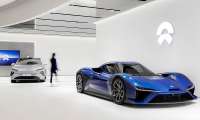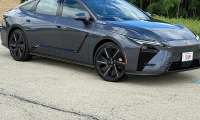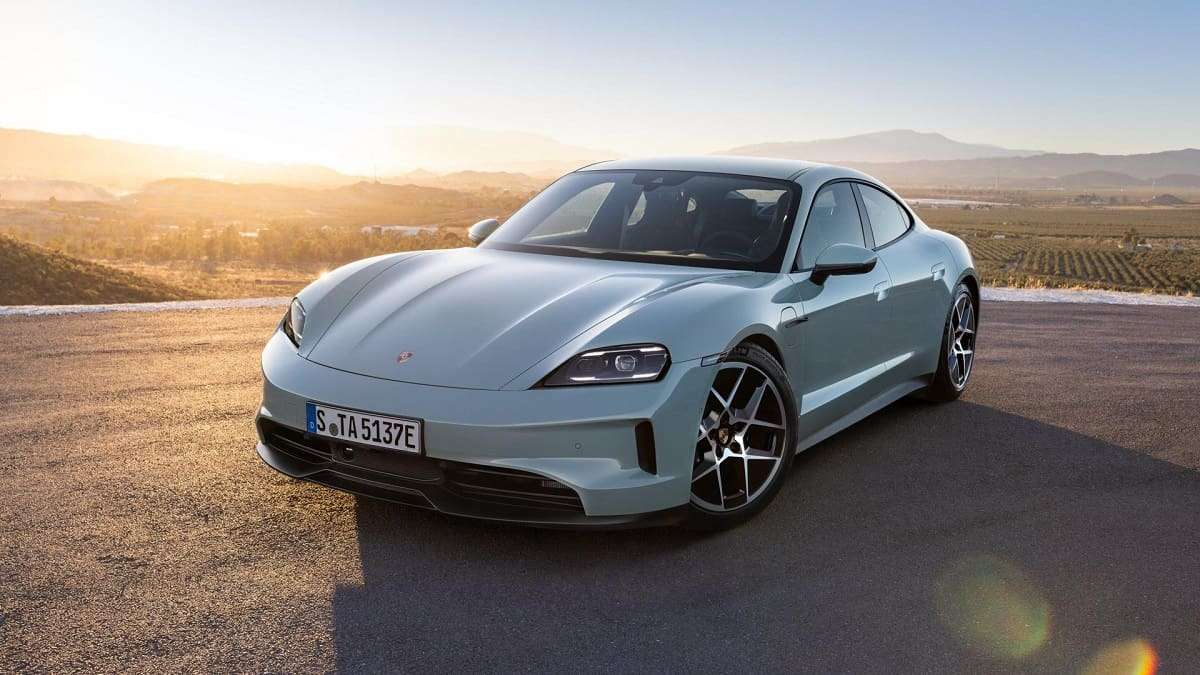

It seems like every day brings a cool looking and unbelievable cheap product from China, but who would have thought that we’d see a $27,000 Porsche. That’s what we are seeing from SAIC with their recently released Z7 and it hasn’t gone unnoticed on social media. On the r/electricvehicles subreddit, tacoduck posted:
“I’d buy a Temu Taycan for $27k. Even with a 100% tariff, I’d still buy it for $54k. This is the existential threat that legacy car manufacturers are facing from China.”
Tesla Model Y owner yhsong1116 responded with a bit a caution:
“I will need to see its crashworthiness first. It looks good and I’m sure it has a lot of features but #1 is safety for me.”
shawman123 gave SAIC some props:
“I doubt that SAIC will launch this brand in overseas markets. That said, its SAIC. Both their MG and IM cars are sold outside China. It’s more than just a cheap "Temu" car for sure. Software-wise Huawei would be superior to Porsche for sure.”
Are We Looking at a Chinese Knockoff of the Porsche Taycan
SAIC is a joint venture between SAIC Motor and Huawei. In 2025, SAIC was the fourth largest automaker in China behind BYD, Geely, and Changan. Their upcoming Z7 sedan is getting headlines for one clear reason, it looks strikingly like the Porsche Taycan. From its low-slung silhouette to its smooth roofline and sculpted rear fenders, the resemblance is hard to miss. Recent teaser images reinforce the comparison, showing matrix style lighting and proportions that closely mirror the German luxury EV.
While the overall shape feels familiar, SAIC has made a few changes to avoid a direct copy. The front end features distinct headlight graphics, and a visible LiDAR unit sits above the windshield. That detail hints at a stronger focus on advanced driver assistance or autonomous features. These differences are subtle, giving the Z7 just enough individuality.
A Profitable Porsche Slams into a Wall
It’s sometimes hard to believe that in addition to being one of the most iconic sports car brands in the world, Porsche has been one of the most profitable with high margins, global prestige, and vehicles enthusiasts dream about. That reputation is now under a lot of pressure. The company is facing a crisis that caused a leadership change.
In July, outgoing CEO Oliver Blume made a striking admission. He acknowledged that the business model which delivered decades of success no longer works in its current form. That statement marked a turning point, signaling that the problems are deep rooted, and not just tied to electric vehicles or short-term market swings.
Porsche’s Financials Paint a Grim Picture
The financials confirm the severity of the situation where Porsche’s operating profit collapsed by 99%. Porsche reported a $1.04 billion USD operational loss, driven by a confluence of bad news including weak demand in China, rising US tariffs, and the high cost of revising its EV strategy. In addition to collapsed operating profit, revenue fell 6 percent year over year. Deliveries also declined, with 13,000 fewer vehicles sold. Since its 2022 listing, the company has lost roughly half its market value, making investors increasingly uneasy.
Electrification Expectations Fall Short
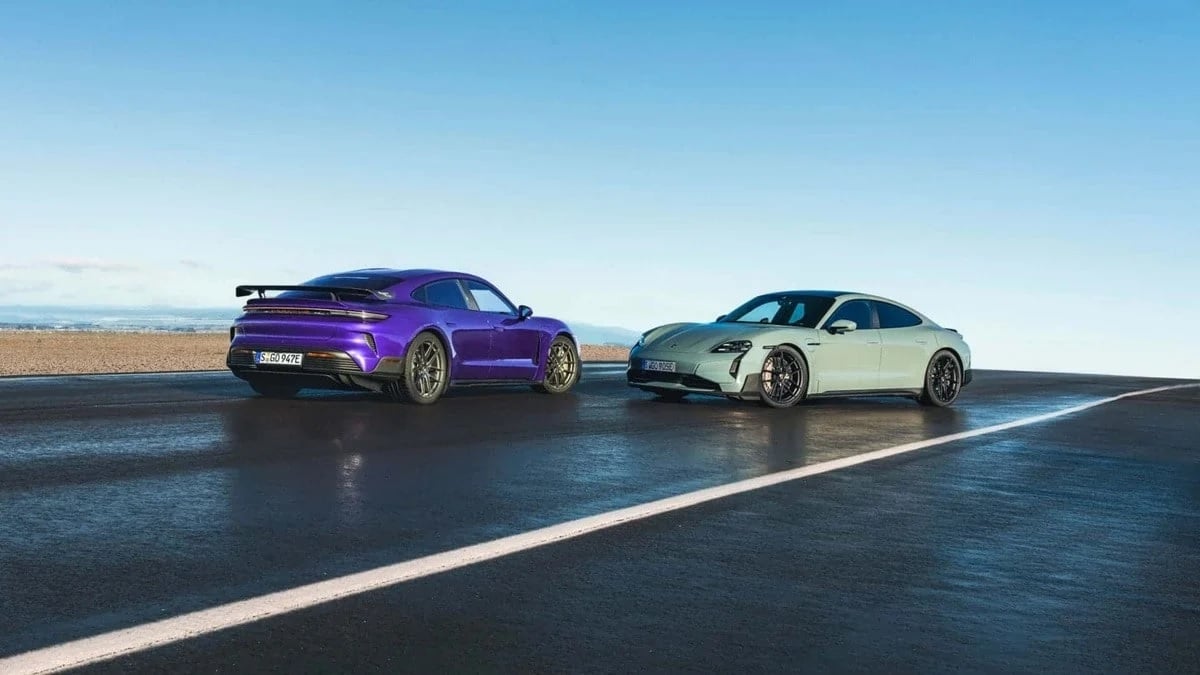
Porsche’s big EV bet has not delivered as planned. The Porsche Taycan launched with high expectations but struggled against rivals that offer more range at lower prices. The electric Porsche Macan was meant to be a volume seller yet took more than a year to overtake its gas-powered counterpart. EVs now make up 35 percent of global sales and more than half in Europe, but adoption remains slower than forecast.
Costly Course Corrections
To regain flexibility, Porsche is revising its product plans. The next generation Porsche 718 will include a gas option, a new combustion engine crossover is planned for 2028, and a future seven seat SUV will launch as a hybrid instead of a full EV. These changes come with a price tag of about $2.9 billion USD in extraordinary expenses, adding further strain to the balance sheet.
Inside the company, pressure is mounting. Porsche has launched a major cost cutting program focused on reducing complexity and development spending. The company announced 3,900 job cuts by 2029, with more reductions expected. For a brand accustomed to steady growth, this marks unfamiliar territory.
China Weakness and Regional Contrast
China, once Porsche’s biggest profit engine, has become a major problem. Sales there fell 23% year over year as buyers shift toward domestic brands with cutting edge technology. Brand prestige alone is no longer enough in such a fast-moving market. North America tells a different story, remaining Porsche’s largest market with modest delivery growth.
An Identity Question Looms at Porsche
At the heart of the crisis is a question of identity. Porsche was built around icons like the Porsche 911, the ultimate driver focused machine. Today, the brand juggles electric SUVs, luxury sedans, and shifting powertrain strategies. That lack of a clear message risks diluting what made Porsche special in the first place.
A Porsche Lookalike at a Temu Price
One of the biggest talking points regarding the SAIC Z7 is pricing. Reports suggest the Z7 is aimed at younger buyers and could start below $27,000. That figure stands in stark contrast to the Porsche Taycan, which starts near $139,000 USD in China. The value proposition is clear, similar styling at a fraction of the cost.
Bottom Line
The SAIC Z7 shows how quickly Chinese EV makers are moving, blending familiar luxury inspired design with aggressive pricing and modern technology. Whether it becomes a true performance rival or simply a stylish alternative, the Z7 is shaping up to deliver the Taycan look to a much broader audience.
Porsche is not on the brink of collapse, but the gap between past promises and current reality is widening. Margins are shrinking, competition is intensifying, and the luxury EV strategy is under pressure. The next few years will test whether Porsche can adapt its business and product vision while preserving the core character that built its legacy.
What Do You Think?
At what price difference does brand prestige stop mattering to you?
Is Porsche’s value about engineering, heritage, or image?
Chris Johnston is the author of SAE’s comprehensive book on electric vehicles, "The Arrival of The Electric Car." His coverage on Torque News focuses on electric vehicles. Chris has decades of product management experience in telematics, mobile computing, and wireless communications. Chris has a B.S. in electrical engineering from Purdue University and an MBA. He lives in Seattle. When not working, Chris enjoys restoring classic wooden boats, open water swimming, cycling and flying (as a private pilot). You can connect with Chris on LinkedIn and follow his work on X at ChrisJohnstonEV.
Photo credit: Porsche media kit
Set Torque News as Preferred Source on Google
Follow us today...