
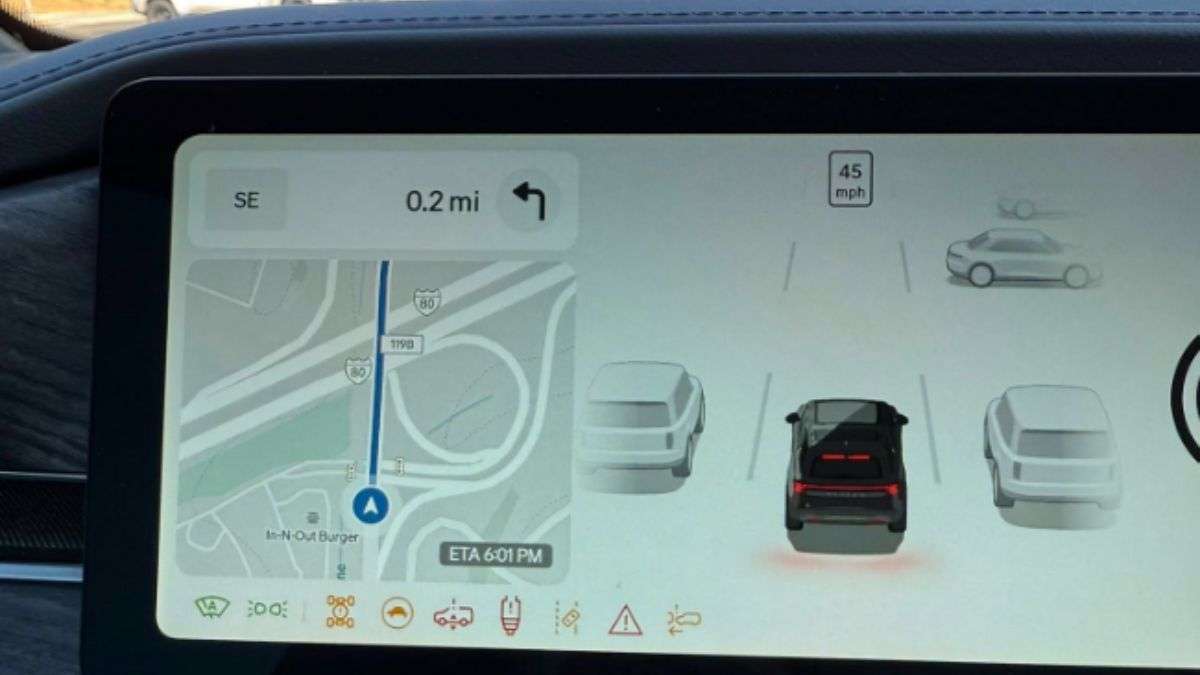

It’s easy to get excited about new technology when it’s wrapped in adventure-ready design and supported by a wave of enthusiasm from early adopters. That’s the story of many new Rivian owners who expected a revolutionary electric SUV. But some are met with a series of unpredictable setbacks that made them question their decision. So while scrolling through the "RIVIAN Electric Vehicles Discussion" Facebook group today, I came across a post that grabbed my attention for how unreliable the Rivian R1S had been in this case.
Sara Caren Morrow shared a scary experience involving her 2025 Rivian R1S that has already been towed twice in just a few months:
“I purchased my S in April 2025 and it's in the shop for the second time. Two days ago while driving home, multiple errors popped up and the back wheels started locking up. I performed a hard reset. However, the wheels locked up again while driving. It was terrifying! The car was towed to the yard. Has this happened to anyone else? Please comment only if you've experienced this.”
Other Owners Share Similar Stories
The idea of a car's rear wheels locking up at speed is the stuff of nightmares. But Sara’s post sparked a discussion among fellow EV owners, many of whom have experienced similar issues. One of the first to chime in was Steve Lange, who simply said:
“I had this two weeks ago.”
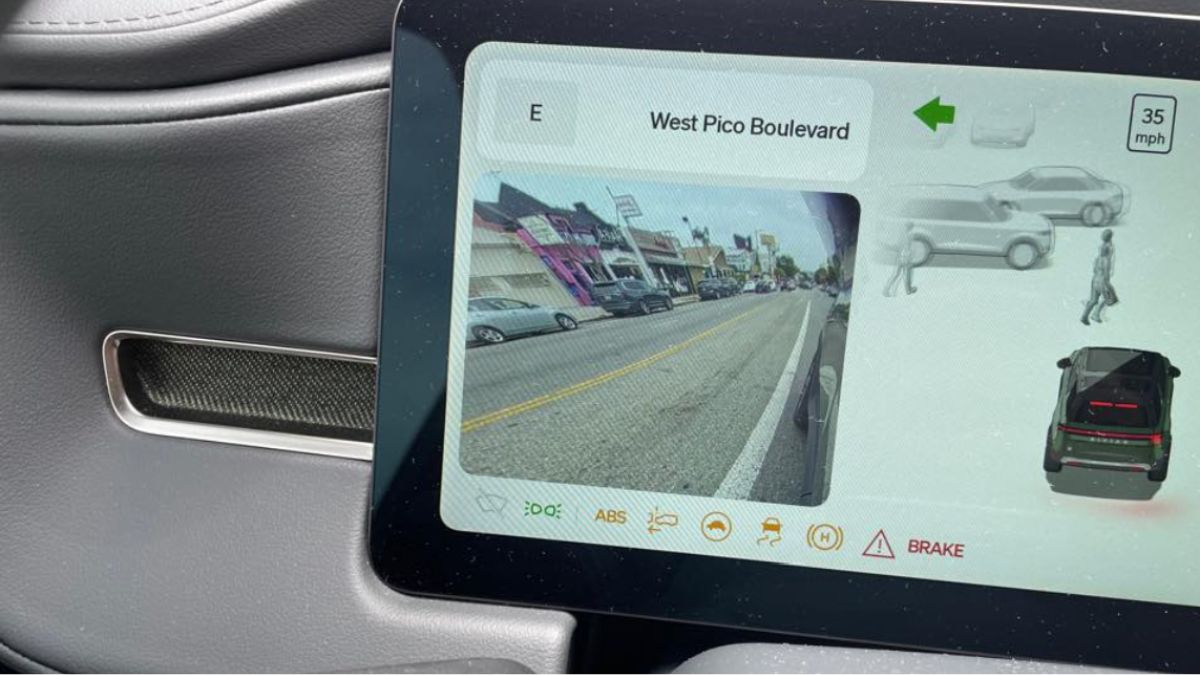
That’s when the conversation really started to grow, with several owners chiming in about similar hiccups they’ve faced. While every EV model can have its occasional glitches, these kinds of shared experiences highlight how important it is to monitor and report unusual issues early.
Kam Kam provided a detailed account of a similar situation with their Gen 2 Rivian:
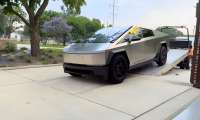
“I'm so sorry to hear. I had a similar situation in my Gen2, however, mine went into turtle mode and turned off completely and reset itself at 60 miles an hour on the freeway. Rivian immediately had it towed because they were afraid it was something they had done a couple of weeks before with the battery module they replaced on a recall, and it was. They had it in the shop for about 2 weeks. During those two weeks, I ended up accepting my order for the Cybertruck and driving the RS to Tesla the same day I got it. For me, things could have ended very badly if I had gotten hit by another vehicle. Good thing you're safe.”
Kam’s story adds another dimension to this issue: the crossover between two different EV manufacturers and the consequences of mechanical faults that can surface in real-world driving. EV buyers are also increasingly switching between brands not because they want to try something new, but because they're trying to avoid recurring issues. Kam's post echoes similar sentiments found in other ownership stories, like the one where a Rivian owner's dogs were put at risk when their R1S went into turtle mode in the Arizona heat.
Then came Arthur Brown with a more procedural angle:
“If you weren’t given an identical loaner, get your car lemon lawed.”
Sara replied: “This is my second major issue. The first one occurred after owning it for 3 days. The AC basically blew up. According to them, lemon law takes 3 issues. This time I’m definitely escalating as far as I can on my own before I need to get legal help, any suggestions?”
When Trust in Brand Begins to Fade
Her experience highlights one of the biggest pain points for EV owners: navigating service centers and legal protections. Lemon laws vary by state, but for many customers, it takes multiple failures before they qualify. By then, trust in the brand is already broken. Sara’s story isn’t rare either. In another recent Torque News report about a Rivian R1T, one owner listed out key shortcomings they noticed even after loving the truck initially, highlighting how first impressions often change after more time behind the wheel.
So the question turns into what happens when Rivian doesn’t deliver the consistent reliability customers are looking for? Some Rivian owners, like Kam, eventually turn to Tesla. Others still on the fence, like Sara, begin asking whether their vehicle qualifies as a lemon. It’s a growing sign that the market is maturing and that customers are no longer willing to tolerate early adopter problems in silence.
A Complicated but Promising EV Future
It’s becoming clearer that the modern EV market isn’t just about picking the right specs or the best tech. It’s about choosing the lesser of two unknowns. Even those who switch to Tesla from another brand sometimes notice how much better other features are. Another owner, for example, realized that the navigation features inside the Tesla were much better than the Rivian. But still, others who once swore off legacy automakers are now finding themselves relieved they chose Rivian over others, because it at least offered a fresh take on what it means to be an EV.
For me though, watching all of this unfold does feel a bit surreal. I grew up believing EVs were the solution to many of the problems that come with gas-powered cars—less maintenance, cleaner energy, and futuristic features. And in many ways, they are. But as more real-world stories like Sara's come to light, it becomes clear that the transition isn’t without its challenges. We’re in a phase where innovation is still meeting the demands of daily life, and that can be messy.
What stands out most to me is how difficult it can be for early adopters when things go wrong. These are often the people most excited to support the shift to electric, yet they’re also the ones facing unexpected obstacles. It doesn’t mean the technology is broken, but it does mean we need to keep listening, learning, and refining as the industry evolves.
Key Takeaways That Matter:
- Mechanical failure in EVs isn’t rare, and it can be dangerous. Sara’s locked rear wheels could have ended in a serious accident. Whether it’s a Tesla or a Rivian, sudden system faults are something owners should be prepared to act on quickly.
- Lemon law processes vary and can be frustratingly slow. Don’t assume your vehicle qualifies after one or two incidents. Keep detailed documentation and push for escalation early if issues are unresolved.
- Switching brands doesn’t guarantee peace of mind. Some Rivian owners move to Tesla, and vice versa, only to find different issues waiting for them. Choose your next vehicle based on more than hype.
- If your EV has been in for service more than once for major problems, consider sharing your story. Others might be experiencing the same issues, and you can find support, or at least a clearer direction, from their responses.
Now We Want to Hear from You
Have you ever had similar issues with your EV? And did it push you to consider getting rid of your vehicle?
Or if you've had a totally opposite experience and have been enjoying a seamless drive, what has the ownership journey been like for you?
Your stories give these conversations a real perspective. Share yours below and let’s keep learning together from every twist and turn of EV ownership.
Aram Krajekian is a young automotive journalist bringing a fresh perspective to his coverage of the evolving automotive landscape. Follow Aram on X and LinkedIn for daily news coverage about cars.
Image Sources: The “RIVIAN Electric Vehicles Discussion” public Facebook group.
Set Torque News as Preferred Source on Google
Follow us today...


Comments
It's not a lemon. This is…
Permalink
It's not a lemon. This is just part of the Rivian ownership experience, that's all.