
Some Rivian owners part ways with their trucks out of frustration while others do so out of faith in what's coming next. In Mike DeMario’s case, which I found in the “RIVIAN Electric Vehicles Discussion,” it was the latter. After clocking over 6,000 miles and spending five months with a 2022 Rivian R1T Quad Motor Long Range, Mike made the surprising decision to sell. But it wasn't because he regretted the purchase, but because he’s betting big on Rivian’s future. What stood out even more than the timing was the detailed breakdown he left behind, listing both the things he loved and the flaws he hopes the next generation will finally fix.
In Mike's words: “6k miles and over 5 months of ownership! Awesome company for the most part and overall the best new car for the money out there. Sold this guy with anticipation for the new models to come out so I can collect one of those. Hoping for better reliability. As an outline to fellow owners, here’s my experience:
2022 Quad Long Range with 27k miles. Overhead dome light assembly failed. No touch response on the driver's side. Replaced assembly. Rear touch screen has no touch response. Replaced faulty wiring loom. The rear taillight bar is constantly strobing when the car is on. Rear tailgate trim broken. Replaced rear taillight assembly, wiring loom, and upper tailgate trim. The wheel bearing or misalignment is like shaking when driving at highway speeds. Axles making clicking noise at low-speed turns with acceleration on turning. Front axles were replaced and shimmed with washers to properly engage motors. Rear axles leaking gear oil, so I replaced the axle seals. Lower trims and guards installed misaligned with 90 percent missing hardware at the dealer. Dealer called to have an altercation and ask how I knew the panels were missing if I wasn’t working on it. (Car was being aligned with 4 new tires per their recommendation after new axles). A half inch misalignment of bumper to fender. Fender to hood being 1/4” off. Typical new gen company fitment. However, that doesn’t excuse the panels popping out and needing disassembly to fix. Dealer declined this due to mileage over 20k.
That’s it for dealer service related issues. Other things I wish I knew going into ownership on the platform: Real range, like all current electric cars with derogation, is REALLY (Miles you can physically drive) 240 miles maybe from a full 355 on the counter. A 4.5’ bed is also worthless for “real work”. Meaning hauling construction materials and actually using the bed. If I'd known, we’d have got the SUV (and likely kept it). I wish the full size spare room could be a flatbed/deeper truck bed. No reason to not have the gear tunnel area fold into the bed or up into the upper gear tunnel area to extend the bed. Utilizing that area could have been done in a better way. Overall. 8.5/10 experience and I’m 100% confident in their future ‘25 plus products that I’ll certainly be back in rivian. Especially the new max packs.”
Mike’s post, although rooted in personal experience, touches on broader conversations happening across the EV truck community. His story mirrors the kind of early ownership realities we’ve seen before—where innovation sometimes outpaces refinement. That balance between groundbreaking tech and day-to-day reliability remains a work in progress for many EV makers. In fact, another owner recently shared how their Rivian R1T conquered 49 states in under a year, showing how impressive the platform can be when it all works right. But for many, the ownership experience lands somewhere in between.
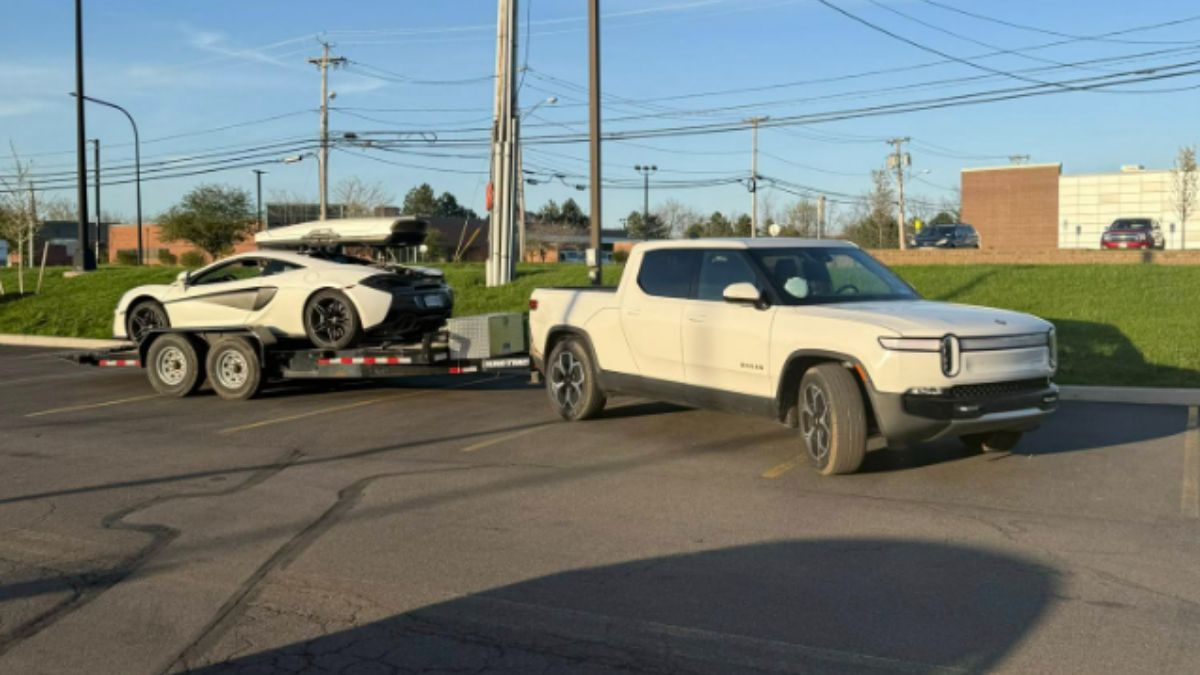
The Good and the Fixable
First, let’s acknowledge what Mike got right: Rivian has in many ways delivered one of the most compelling electric trucks on the market. The R1T is packed with features, offers strong performance, and has a design language that turns heads. Mike calls it the “best new car for the money out there,” which is no small praise.
However, it’s clear that early production quirks still haunt even well-loved trucks. Dome light failures and unresponsive screens are more than just annoying because they signal potential quality control inconsistencies. The axle issues and leaking seals raise longer-term questions about drivetrain durability too. These aren’t just nitpicks, but valid criticisms from someone who wanted the truck to be great and still believes it can be.
The fit-and-finish challenges Mike describes have also been echoed by other owners. We’ve covered stories like a Rivian R1S that went into service and the loaner failing too, showing that while Rivian’s service is responsive, the need for that support may still be more frequent than some buyers expect.
Real-World Range and Truck Bed Regrets
One of Mike’s more surprising revelations comes in the form of utility concerns. His R1T was rated for over 350 miles, but real-world range was closer to 240. While this isn’t unique to Rivian, as all EVs experience range degradation depending on use, it’s a sharp reminder that expectations need to be managed, especially for those coming from gas-powered trucks.
Mike’s bigger frustration was with the 4.5-foot bed. For his needs, which included hauling construction materials, the R1T simply didn’t cut it. He now wishes he had gone with the R1S SUV instead. That’s something prospective buyers should seriously consider. A truck can look rugged and adventurous in press photos, but if it can’t handle day-to-day tasks, that matters.
He also offers a smart design critique: why not allow the gear tunnel or spare tire compartment to fold into the bed, increasing usable depth? It’s a great example of how real users can see opportunities that engineers and designers might overlook.
What Other Owners Are Saying
Not everyone in the thread had the same experience as Mike. Steve Mullen pushed back slightly: “Not sure what you can't fit in the bed. I haul lumber all the time, and you can put a pallet of concrete blocks in the bed without any sagging. Most of us have had little to no problems, so I guess you got a Friday truck.”
Steve’s comment adds an important dimension. The 4.5-foot bed may be limited, but for many, it still gets the job done. The real lesson may be more about matching the truck to the task than assuming one size fits all.
Don Sexstone Jr also shared a contrasting view: “Mike sorry to hear about your problems. I am over 70k with zero issues, and my mileage is spot on. On to the next.” Don’s experience proves that not all R1Ts suffer from the same issues. This highlights how early builds can vary widely. It seems like Rivian nailed it in Don's case.
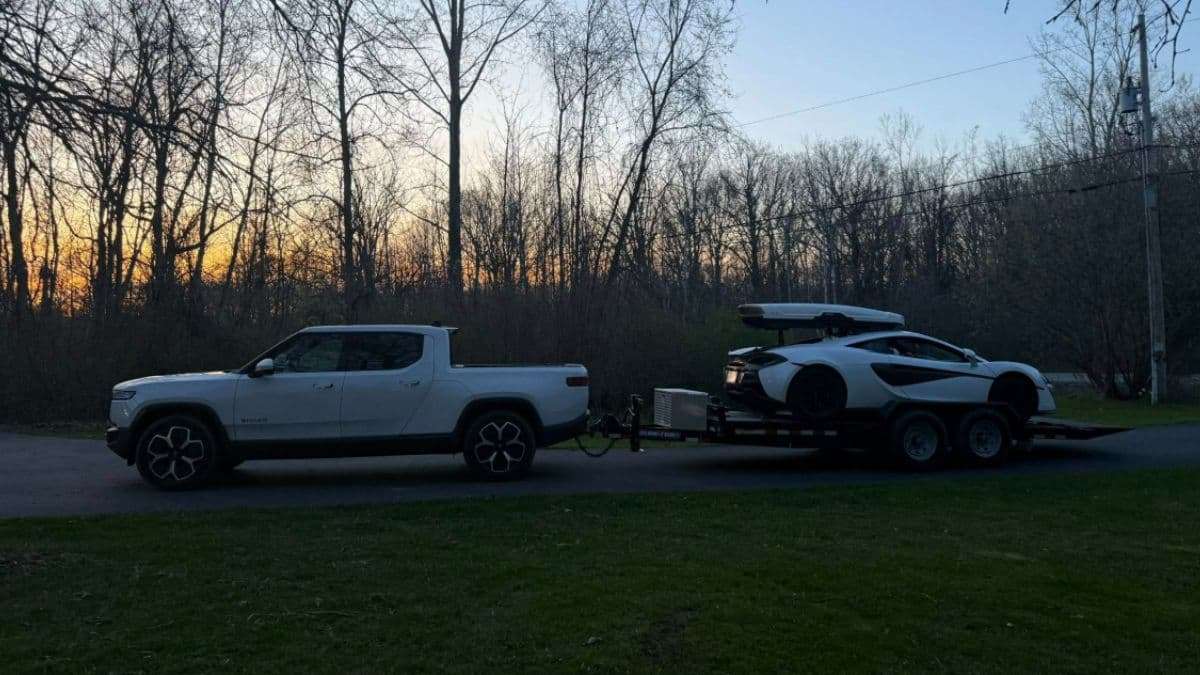
Bryan Riggs chimed in with a smart follow-up: “Was the range you posted post towing? I would expect lower range with towing.” It’s a fair question given how range can plummet under load. But Mike didn’t mention towing, which reinforces that his 240-mile estimate could've likely been from regular driving. These diverse takes underscore how complex EV truck ownership can be.
The Broader Picture
What stands out to me about Mike’s story isn’t just the flaws he mentioned, but the way he handled them. He didn’t write off the brand or blast it out of frustration. He instead acknowledged its strengths, gave honest feedback, and chose to walk away temporarily. That kind of balanced perspective is rare in today’s car culture.
I think it’s important to look at these stories not as reasons to avoid a brand, but as insights that help shape the next generation of vehicles. Just like the owner who chose a Rivian over a Lexus after testing the RZ 550e, people are seeing real value in these platforms even if they aren’t perfect.
When someone sells a vehicle and still plans to buy another one from the same company, that’s not just brand loyalty, but belief. Mike’s confidence in the upcoming Max Pack models says more about Rivian’s trajectory than any marketing ad ever could.
Moral Takeaways for Future Buyers
- Real-world range matters more than advertised numbers. Always plan for 20-30% less than the EPA estimate, especially in electric trucks.
- Match your vehicle to your lifestyle. If you’re doing serious hauling, the R1T bed may be a limitation. Consider the R1S or wait for larger-bed versions.
- Fit and finish still vary. Some owners experience zero issues; others face recurring problems. Keep this in mind if buying used.
- Don’t overlook ownership support. Service experiences vary, but Rivian has shown they’re willing to back their products even when things go wrong. Just ask the owner whose R1S shut down in Arizona heat and nearly endangered his dogs.
Now We Want to Hear From You
Have you had a similar experience with your Rivian, whether it’s a list of small issues or a surprisingly perfect run?
And if you’re on the fence about buying one, what’s the one thing holding you back?
Let us know in the comments below, as your feedback could be the insight someone else needs before taking the plunge.
Aram Krajekian is a young automotive journalist bringing a fresh perspective to his coverage of the evolving automotive landscape. Follow Aram on X and LinkedIn for daily news coverage about cars.
Image Sources: The “RIVIAN Electric Vehicles Discussion” public Facebook group.
Set Torque News as Preferred Source on Google
Follow us today...