
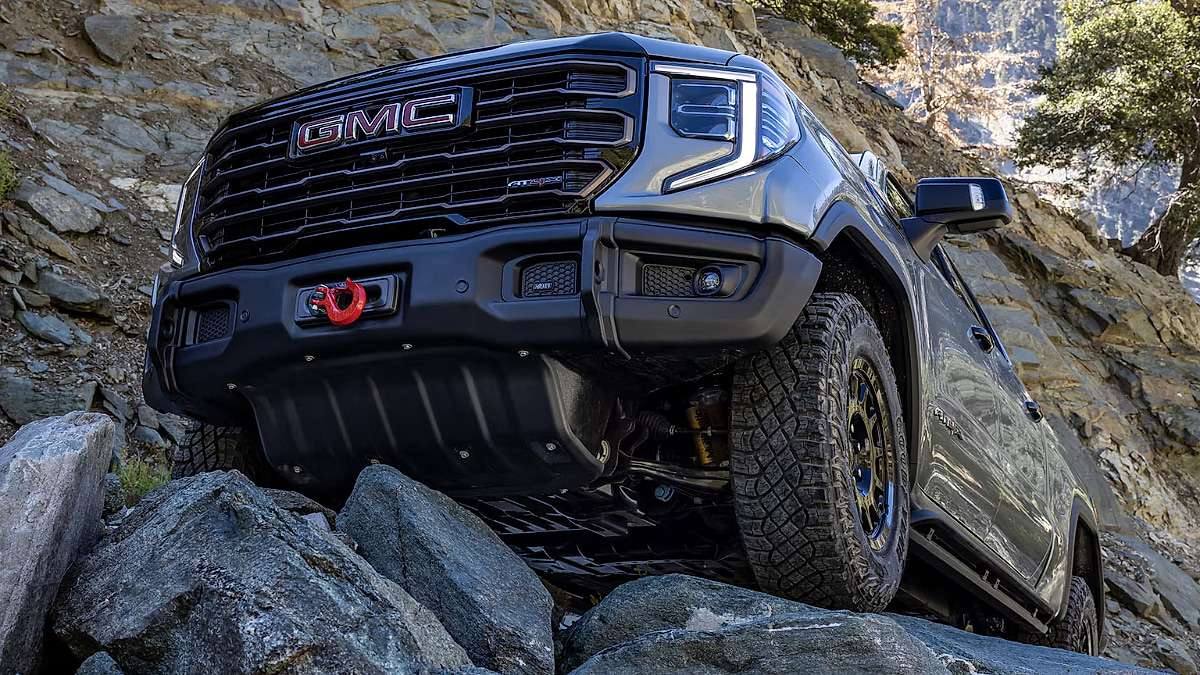

Buying a truck today is starting to feel less like a simple purchase and more like a calculated risk, where avoiding potential problems has become just as important as choosing the right trim or features. That reality became clear after I came across a post in the “GMC AT4 OWNERS” Facebook group, where Dennis Wade Stillwagoner shared how he drove more than eight hours to buy a 2024 GMC Sierra AT4 with the 6.2L V8 after being assured it wasn’t affected by the crankshaft recall, only to later discover during a routine oil change at his local dealership that the truck was in fact part of the recall anyway, leaving him frustrated.
Here's him telling the story: “I drove over 8 hours to pick up my ‘24 AT4 with the 6.2L engine and was told by the dealer that it was not affected by the crankshaft recall. I took it to my local dealership for an oil change and found out it was. It passed but the cap was replaced and I have to use different oil. It was never disclosed at all. I’m thinking of returning the vehicle. Sucks! I specifically searched for one not affected by the recall.”
A Simple Oil Change Raises Bigger Questions
I believe that what has made Dennis' circumstances so captivating is that it reflects an emerging trend of how buyers approach purchasing vehicles. Buyers are no longer simply showing up at dealerships. They're using websites and research tools on their own such as engine codes, production date, and recalling database information to help make informed decisions. Even with this extra effort, in Dennis's case, it was not enough to prevent his problem from occurring.
This is when frustration becomes most apparent. The frustration isn't simply about the recall, but about being able to do absolutely everything "right" as a buyer and then still ending up in the exact same position you were trying to avoid.
Plus, Dennis mentions that his truck “passed” inspection but required a new oil cap and different oil. That detail has become a recurring theme across multiple owner reports as well. GM’s approach often involves updated oil specifications rather than a full mechanical repair, which has led to mixed reactions.
I’ve already seen similar concerns from other owners while reporting on this issue, as some drivers are questioning whether switching to thicker oil actually solves the deeper issue with the 6.2L engine. For some, it feels like a preventative measure. For others, it feels like a temporary patch. And that difference in perception matters because even if the fix works mechanically, it still has to work psychologically for owners to trust it.
Another layer to this story is what happens after the recall is addressed. Passing inspection should, in theory, provide reassurance. But real-world experiences suggest that’s not always the case. In my own reporting, I’ve also come across cases where a 6.2L-powered GM vehicle was left stranded shortly after completing the recall repair, which again raises questions about long-term reliability. When stories like that circulate, it changes how owners interpret a “pass.” Instead of relief, it can create hesitation.
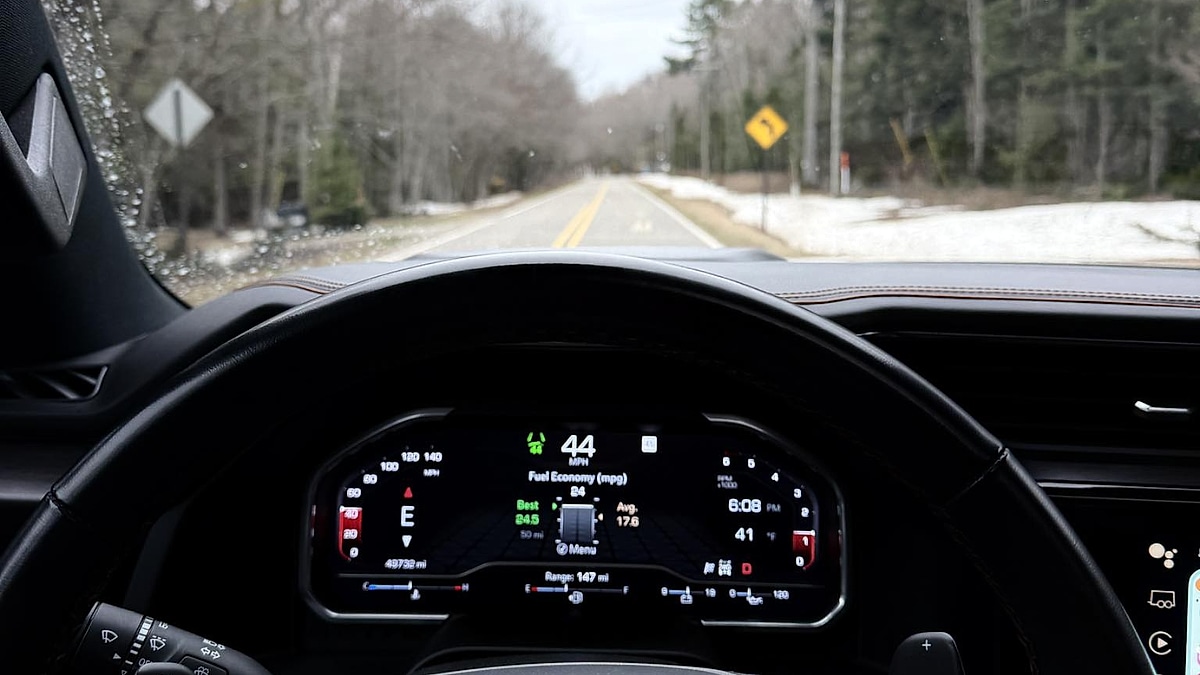
What Other Owners Are Experiencing Right Now
Dennis’ post quickly turned into a discussion, with other owners sharing their own experiences.
Taylor Lodwick said: “Take it back and get a different vehicle. Mine passed the recall also and it still failed. It's been in the shop for 3 months with no word on when I'll receive my new engine. GM also didn't offer a rental. Just because the engine passes, doesn't mean it won't fail.”
That comment highlights a fear that’s becoming more common. Passing the recall doesn’t necessarily mean you’re in the clear.
Mike Swanson added: “The post recall engines still suck. I’ve got a late ‘24 and it drinks oil and makes lots of weird noises. I think eventually the post mid ‘24 will be added to the recall list. At least the one you have gets the extended warranty.”
Now the concern shifts from the present to the future. Even trucks built later in production are being questioned, which complicates buying decisions even more.
Todd Kozey offered a more blunt take: “Don’t ever buy a GM. Lease it only. The powertrain will be wasted by lease end.”
While that might be an extreme view, it reflects how quickly confidence can erode when multiple concerns stack together.
The Conversation Turns Toward Bigger Fixes
As I’ve continued covering these stories, I’ve noticed some owners beginning to wonder if the current approach is enough. In fact, there has already been discussion about whether GM might eventually need to replace entire L87 6.2L engines if confidence in the current fix doesn’t improve.
While this approach is obviously quite extreme, it does illustrate how quickly that same dialogue has progressed from simply an oil change into a discussion as to whether it would be practical for you to replace your entire engine. The fact that we have shifted so far already suggests that many owners do feel uncertain with regard to their vehicles’ performance. In addition, while such alternatives may never occur on a large scale, the mere fact that they’re being discussed at all reflects how much trust plays a role in how these repairs are perceived.
Reliability Concerns vs Real World Safety Outcomes
At the same time, it’s important to recognize that these trucks aren’t defined by a single issue. In fact, there are also stories that highlight the opposite side of ownership.
For example, in one case where a GMC Sierra AT4 protected its driver during a severe accident and likely saved his life, the conversation shifts from reliability to safety engineering. I think that contrast is important. While mechanical concerns can affect confidence, safety performance can reinforce why people choose these trucks in the first place. And for many buyers, both of those factors carry weight.
There’s also a broader shift happening in how long-time truck owners are thinking about brand loyalty. In another discussion I covered, a lifelong GM owner with decades of experience questioned what it would take to keep customers coming back. That kind of reflection goes beyond one engine or one recall. It speaks to how modern ownership experiences are shaping long-term perceptions.
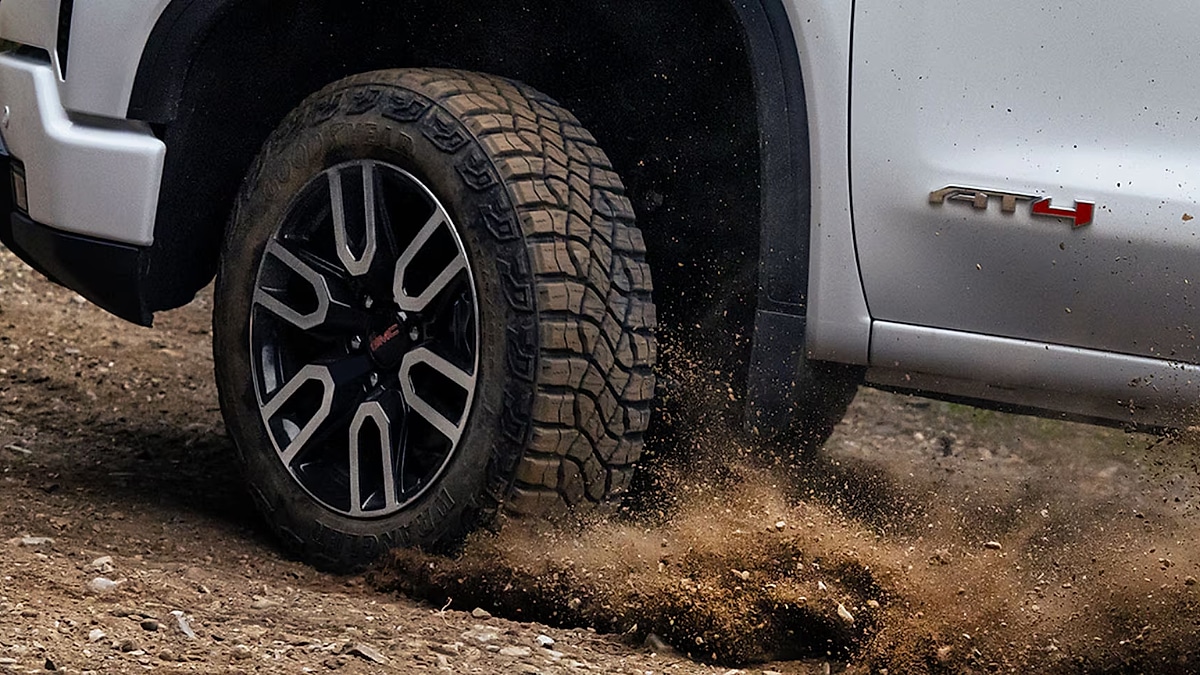
The Dealer Gap That Buyers Don’t Expect
One aspect which is sometimes overlooked when we hear about a story such as this is the transition from manufacturer data and how dealerships communicate with customers. The recall status of a vehicle can rapidly change as manufacturers expand the scope of an existing campaign or the vehicle's Vehicle Identification Number (VIN) is re-classified. However, customers are usually unaware of the complexity behind these transitions. From a buyer's perspective, a simple yes or no answer should be accurate at the moment of sale.
That's why situations similar to that experienced by Dennis seem especially disheartening. Although, in his case, the information was probably not intended to be withheld, there is still the expectation that the dealer will have access to all of the latest information regarding the status of a vehicle they are selling. In this way, when that expectation is not satisfied, a significant gap exists, particularly for someone who traveled many miles just to avoid purchasing into the very same problem.
The New Reality of Buying With Full Information
Another angle worth considering is how situations like this affect long-term ownership beyond the initial purchase. Even if the truck performs well moving forward, the presence of a recall history and the uncertainty around how effective the fix truly is can influence resale value and buyer confidence down the line.
What’s interesting is that this situation doesn’t come from a lack of information, but it comes from having too much of it and not always in a clear or consistent format. Buyers today can access forums, recall databases, service bulletins, and firsthand owner experiences like this article within minutes. But when those sources don’t fully align with what’s being communicated at the dealership, it creates confusion instead of clarity.
Dennis’ experience highlights that shift perfectly. He didn’t make a blind purchase. He did the research, targeted a specific outcome, and still ended up second-guessing the result. That’s a very different kind of buying experience than what truck ownership used to look like even a decade ago.
My Perspective on What This Means
I think what stands out most in Dennis’ story is the level of effort behind his purchase. He researched the engine, verified details with the dealer, and drove eight hours with a clear goal in mind, yet still ended up questioning his decision. That is what makes this situation frustrating because it challenges the idea that doing everything right as a buyer will actually protect you.
To me, that reflects where the market is today. Buyers have more information than ever, but that also means they notice uncertainty more quickly. When expectations are built on research and reassurance, even something small like a change in oil can feel bigger than it should because it raises questions about what else might not match what was promised.
Key Takeaways for Truck Buyers Right Now
- Double-check recall status yourself: Don’t rely solely on dealership confirmation, verify using official tools.
- Understand what the fix involves: A “pass” may include preventative updates rather than major repairs.
- Pay attention to patterns: When multiple owners report similar concerns, it’s worth considering.
- Balance reliability with other strengths: Safety, capability, and comfort still play a major role in ownership satisfaction.
The Conversation Continues With You
Have you ever gone out of your way to avoid a known issue on a vehicle only to run into it anyway?
And if you were in Dennis’ position, would you return the truck or give the recall fix a chance?
I'd love to hear your thoughts in our comments below.
About The Author
Aram Krajekian is a young automotive journalist bringing a fresh and analytical perspective to the evolving automotive landscape by reporting on real-world ownership experiences and providing industry analysis. Based in North Carolina, he covers electric vehicles, trucks, and broader automotive trends with a focus on contributing a balanced evaluation. His reporting cuts through brand bias to provide readers with grounded insight into how vehicles perform for everyday drivers beyond marketing narratives.
Aram can be reached on X and LinkedIn for ongoing automotive coverage.
Image Credits
The “GMC AT4 OWNERS” Facebook group and GMC’s gallery.
Set Torque News as Preferred Source on Google
Follow us today...






Comments
Thank you for covering these…
Permalink
Thank you for covering these defective vehicles that manufacturers keep supplying to loyal customers that seem to be too stupid to stop buying them, seems like most people just want to bury their head in the sand and believe that’s never gonna happen to them the way these dealerships and manufacturers of these defective vehicles treat loyal customers is criminal