
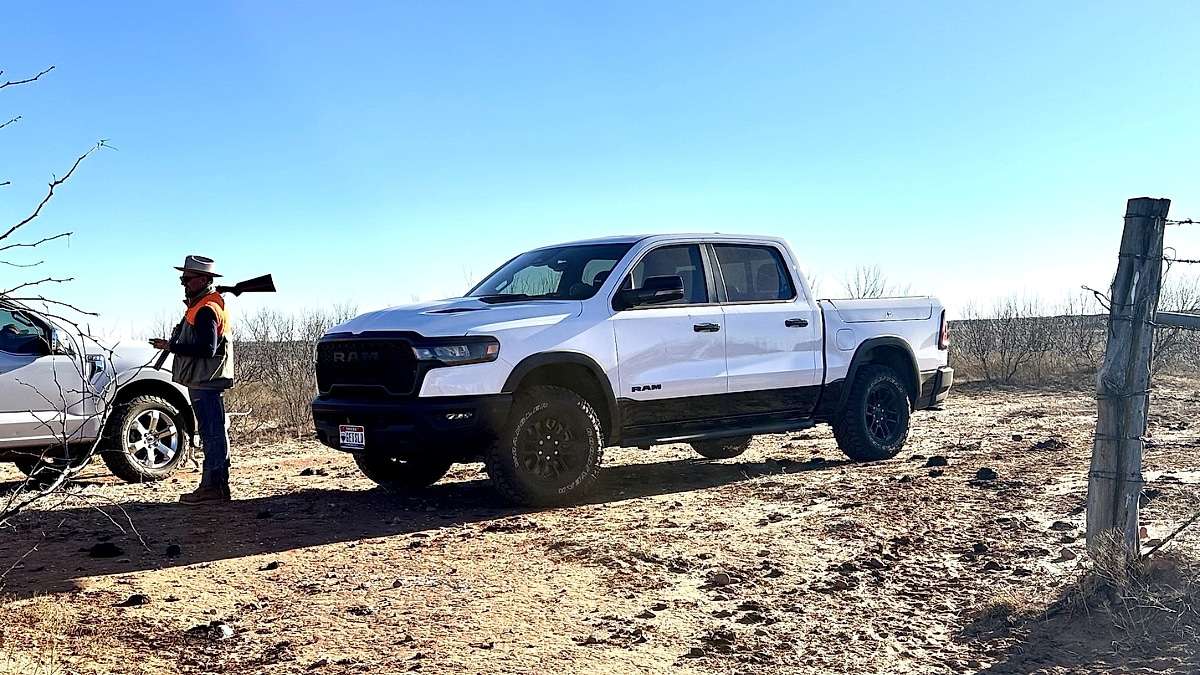

It's a different kind of weight brought into a conversation when an individual who has lived with the same truck for over a decade brings an opinion versus someone that is still in week number one of owning the same truck. At the end of ten years, as well as many miles, the owner knows how a particular truck performs, has knowledge of how that truck feels while on the road, how the truck will respond to common day-to-day tasks, and ultimately what really does matter after the initial excitement of purchasing the truck wears off.
That's why this Ram transition story caught my attention today. In the "Hurricane 3.0 TT Rams" Facebook group, I found a post by David Kraft who took a different approach to sharing information regarding his experience testing the new truck. He drove his old truck, a 2014 Ram 1500 with a 5.7L Hemi, for ten years and all those miles before stepping into the new 2026 Ram 1500 Rebel with the Hurricane engine. The things that he learned were far from being simply upgraded or downgraded features of a vehicle, as they represented a complete change in behavior of the truck in areas that would never be realized until actual ownership occurred.
Here's how David put it: “So, I have been driving a 2014 5.7L Ram 1500 Longhorn Edition for the last 10 years. It was a great truck. I just bought a 2026 Ram 1500 Rebel with the Hurricane engine. I struggled with the thought of not having the 5.7L, but I have to say that I am not disappointed in this engine. It is quiet and strong. I do have two issues with the truck that I would like to see if it is common or is it specific to my truck.
#1. The gas mileage is terrible. My old truck would make about 19-20 MPG at 70 MPH. The new truck is getting 15 at the same speed.
#2. The new truck is less stable on the highway. In my old truck, you could not tell the difference between 70 MPH and 90 MPH. But in the new truck, it gets real loose above 80 MPH. Even at slower speed, I can feel the wind blowing the truck around.
I know that I have gone from a city truck to more of an off-road truck. I know my new truck is lifted two inches. I know that the old truck had highway tires and the new truck has All Terrain Tires. All of these things affect both of these issues. But am I alone? Are there any suggestions for improvement? Thanks in advance!”
Strong Power, But a Different Kind of Driving Experience
I believe that the most apparent separation is that David made clear distinctions between the engine itself and the remainder of the truck. He is not criticizing the Hurricane for lack of horsepower. Rather, he described it as "quiet" and "strong," consistent with many reports by early adopters.
The problem here is that this engine produces performance in a manner entirely different than the 5.7L HEMI. The "smooth", "refined" feel of the turbocharged torque curve does not equate to the type of relaxed highway cruise experience that many longtime Ram owners are accustomed to. This distinction becomes much more significant when considering the truck with which the engine was paired.
Instead of keeping the highway-focused setup of the Longhorn, the Rebel brings a completely different personality with a factory lift, softer suspension tuning, and more aggressive all-terrain tires. All of these changes work together to create what David describes as a “looser” feeling at higher speeds. Increased ride height raises the center of gravity, while all-terrain tires introduce more sidewall flex and rolling resistance. Add in the extra wind resistance from a taller stance, and the difference becomes noticeable once you’re cruising above 70 mph. This isn’t necessarily a flaw, but a tradeoff. But it’s a tradeoff that isn’t always obvious until you live with it daily.
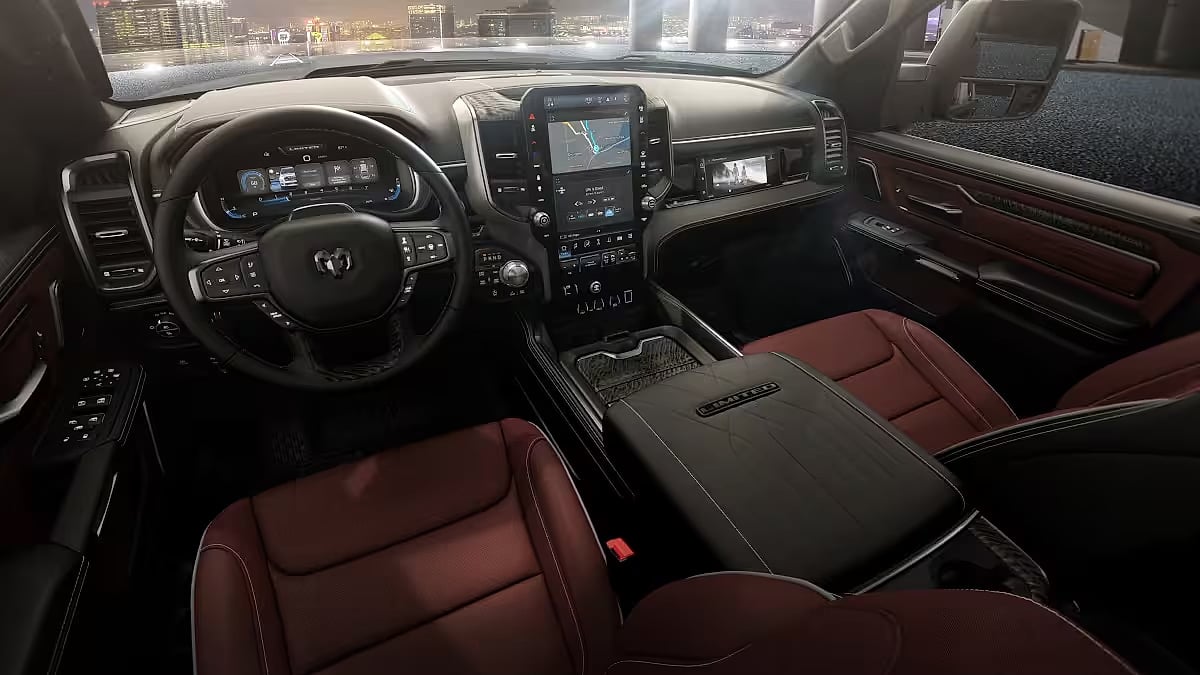
What Other Owners Are Saying
Dan DeMaio offered one of the more technical explanations in response:
“The tires and the gear ratio is at 3.92. The old ratio was probably lower numerically so therefore, spinning the engine in a more economical torque range, the rebel has 3.92 gears for off road and towing hence the bad gas mileage.”
That explanation actually makes a lot of sense. A 3.92 gear ratio keeps the engine at higher RPMs at highway speeds, which improves responsiveness and towing capability but comes at the cost of fuel efficiency. Pair that with heavier tires and increased rolling resistance, and the MPG drop David is seeing starts to look much more predictable.
Dave Lancaster added another perspective based on his own experience transitioning to the Hurricane engine:
“I went from a 2011 Laramie 5.7 to a 2025 Bighorn 3.0- both crew cabs. No comment on the highway handling since it’s not a lifted Rebel. The 2011 averaged 19 MPG on the interstate and the 2025 averages just under 23 on the interstate, but that’s in the summer. When it’s down in the 30’s and 20’s it only gets around 20 MPG on the interstate. Still better than the ‘11, but only slightly. Cold weather definitely affects the mileage.”
This adds an important layer to the conversation. Not every Hurricane-powered Ram is struggling with fuel economy, but conditions like temperature, driving habits, and vehicle setup can significantly change the results.
Chris Hollister then raises the question many potential buyers are likely thinking:
“I’ve been considering a Hurricane but hearing these MPGs is really giving me pause. Why is the mileage so abysmal? The 2.7 EcoBoost I currently have has plenty of power and I’m averaging 24.4 MPG. Does the mileage get substantially better after break in? It would be interesting to hear from owners with a few more miles.”
And that question creates a natural transition into the bigger discussion around efficiency.
Why MPG Can Vary So Much With the Hurricane Engine
I think what makes this topic confusing is that the Hurricane engine isn’t inherently inefficient. In fact, in some cases, it can deliver impressive results. In one detailed breakdown I reported on, some owners are achieving better-than-expected fuel economy, as some real-world reports of Hurricane-powered Ram 1500 trucks are reaching over 20 MPG despite skepticism.
That means things like vehicle setup play a major role in this equation. Gear ratios, tire type and size, overall vehicle weight and ride height, and even how the truck is being driven on a daily basis can affect MPG.
Even environmental factors matter like Dave mentioned earlier. Cold air is denser, which means the engine requires more fuel to maintain the correct air-fuel ratio. At the same time, denser air increases aerodynamic drag while colder temperatures thicken fluids and extend warm-up times. All of these variables stack together which lead to noticeable drops in efficiency during colder months. So while the engine itself is capable, the real-world outcome depends heavily on how the truck is configured and used.
David’s experience isn’t happening in isolation, and I think that’s what makes it more meaningful than just a single owner’s complaint. When you start looking at how other drivers are reacting to these newer Ram trucks, a pattern begins to form that isn’t always obvious at first glance.
Not Every Owner Is Fully Sold After Leaving the HEMI
Some drivers are finding that the transition away from the HEMI isn’t as straightforward as they expected. I reported on a case where a 2025 Ram 1500 Rebel owner expressed regret after switching from a HEMI due to major concerns with the new truck’s overall experience, and what stands out in stories like that is how the disappointment usually isn’t tied to just one issue.
Instead, it tends to come from a collection of smaller changes that add up over time, whether that’s how the truck feels at speed, how it delivers power, or how it behaves in everyday driving. That’s very similar to what David is describing here, where the engine itself isn’t the problem, but the overall experience feels different than expected.
Early Ownership Concerns Still Exist
There’s also another side to the conversation that has less to do with driving feel and more to do with early ownership confidence. For example, we've seen at Torque News how a 2026 Ram 1500 returned to the dealer with just 510 miles due to an eTorque system issue, and it highlights how even brand-new trucks can run into unexpected problems.
I think that is important because when there are consumers who will be making a transition to a brand-new engine design (in addition to other changes), any initial or earlier reliability issues could add an additional layer of uncertainty to that process. While the issue does not imply that the design will ultimately not prove reliable, it would likely affect consumers' perceptions about their ownership experience for some time after purchase.
At the same time, the story isn’t one-sided. There are also drivers who have fully embraced the Hurricane engine and prefer it over what they had before. In fact, I talked about one owner who switched from a Toyota Tundra to a Ram 1500 with the 3.0 Hurricane engine shared that they wouldn’t go back, which shows that for the right driver and the right use case, the new setup can feel like a clear upgrade. That contrast is really the key takeaway here. The Hurricane engine itself isn’t universally better or worse. It just behaves differently depending on how the truck is configured and what the owner expects from it.
My Broader Perspective on the Hurricane Engine Tradeoffs
I believe one of the key things this story illustrates is that we have never seen as many specialized truck options as we do now. We are no longer simply deciding which engine we want, as we are determining a full truck package that will be the best fit for how we truly use our truck.
The Rebel with its off-road suspension, larger off-road capable tires, and gear reduction will most certainly perform differently than the Longhorn designed for the open road, regardless of having the exact same engine. A large amount of buyer frustration may come from thinking the new truck will improve every area over previous models, when in fact the new model improves some aspects but compromises others.
This does not mean that the Hurricane engine represents a step back. If anything, it indicates the base platform can offer great potential. However, it also emphasizes the importance of the buyer being much more discerning on how each and every trim and setup option will impact a driver's day-to-day driving experience.
Key Takeaways for Ram Buyers Considering the Hurricane Engine
- Configuration Matters More Than the Engine Alone: Trim level, gearing, and tires can dramatically change both MPG and driving feel.
- Off-Road Capability Comes With Tradeoffs: Increased ride height and all-terrain tires can reduce highway stability and efficiency.
- Fuel Economy Isn’t One-Size-Fits-All: Some owners are seeing strong MPG while others are not. It all depends on conditions and setup.
- Expect a Different Driving Character: The Hurricane engine delivers power differently than the HEMI, which may take time to adjust to.
Join the Conversation
If you’ve made the switch from a HEMI to the Hurricane engine, has your experience matched what David described? Or has it been completely different?
And if you’re considering a Ram 1500 Rebel, would you prioritize off-road capability even if it meant sacrificing some MPG and highway comfort?
Don't hesitate to share your thoughts in our comments below.
About The Author
Aram Krajekian is a young automotive journalist bringing a fresh and analytical perspective to the evolving automotive landscape by reporting on real-world ownership experiences and providing industry analysis. Based in North Carolina, he covers electric vehicles, trucks, and broader automotive trends with a focus on contributing a balanced evaluation. His reporting cuts through brand bias to provide readers with grounded insight into how vehicles perform for everyday drivers beyond marketing narratives.
Aram can be reached on X and LinkedIn for ongoing automotive coverage.
Image sources: The “Hurricane 3.0 TT Rams” Facebook group and Ram’s gallery, respectively.
Set Torque News as Preferred Source on Google
Follow us today...







Comments
I had a 2021 Ram Bighorn…
Permalink
I had a 2021 Ram Bighorn that I got in October 2024 then my Dad bought a 2025 Ram limited he died in March so I just recently ended up where I can see the difference. But I am wondering if they are good for pulling trailers haven't texted that yet. The limited feels more like its made for everyday driving where my Bighorn with the hemi felt more like a truck for pulling trailers and using as a work truck.
It's common to adjust tire…
Permalink
It's common to adjust tire pressure for specific off road conditions. The same type of adjustment can make a difference for highway travel . While me experience isn't in driving a truck, my car tracks better at 80mph with the tires at 36psi than at 38psi. Seems miniscule to hear, but a big change in use.