

For decades, buying a new half-ton truck usually meant expecting incremental improvements. Maybe a little more power, slightly better fuel economy, and a few new tech features layered on top of a familiar formula. But as modern trucks shift toward turbocharged engines, heavier electrical loads, and increasingly complex software systems, the ownership experience has become far less predictable. That is especially true for buyers coming from proven, older powertrains.
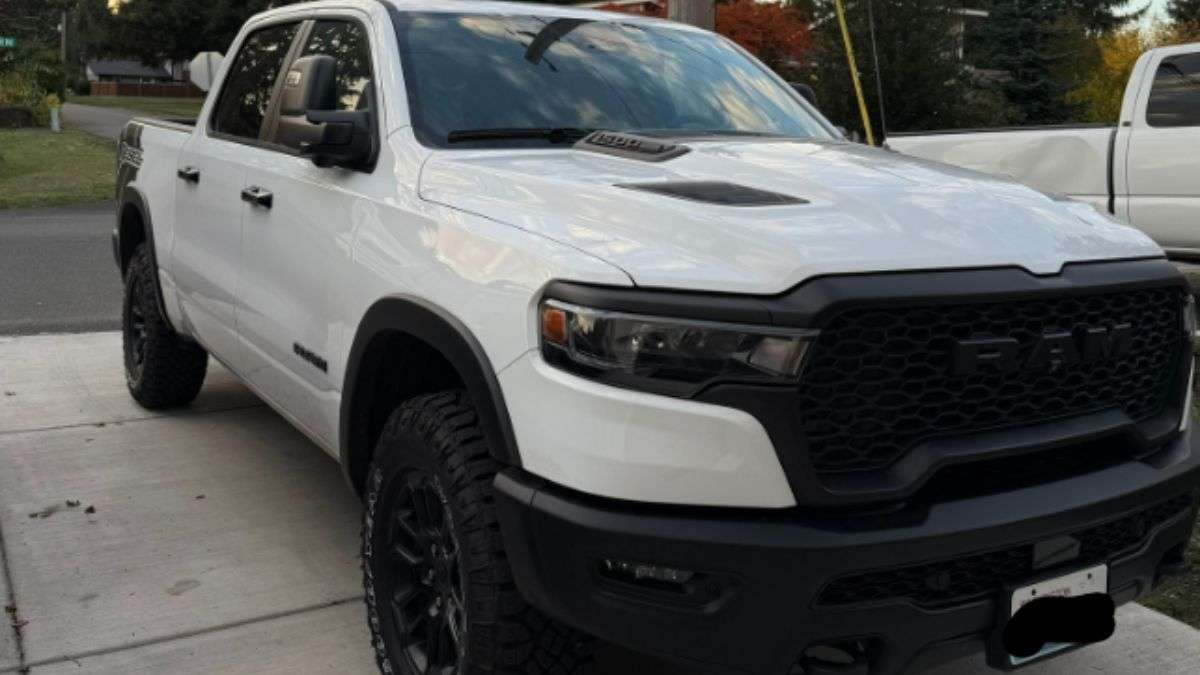
That uncertainty is exactly what drove a wave of conversation after I came across a post in the “Hurricane 3.0 TT Rams” Facebook group from Cody Jonathon. After nine months with his 2025 Ram 1500 Rebel, Cody says the truck has delivered worse fuel economy than the Hemi-powered Ram it replaced and has been plagued by electrical issues serious enough to sour the entire ownership experience.
As Cody put it, “I have a 2025 Ram 1500 Rebel. This thing is terrible. I’m getting 11.6 MPG average over 9 months mostly driving in town, but my Hemi would get at least 14. It has massive electrical issues, and it has destroyed 4 batteries. The center display is glitchy and slow. I wish I never got rid of my Hemi.”
When Real-World MPG Misses Expectations
Fuel economy is often one of the first metrics owners track closely, especially when switching from a naturally aspirated V8 to a newer turbocharged setup. On paper, the Hurricane 3.0-liter twin-turbo inline-six promises efficiency gains over the outgoing Hemi, particularly in city driving where downsizing and boost are supposed to shine.
Cody’s reported 11.6 mpg average over nine months of mostly in-town driving cuts directly against those expectations. The comparison stings even more when he notes that his previous Hemi-powered Ram consistently returned at least 14 mpg under similar conditions. While driving style, traffic, climate, and vehicle configuration all play a role, it's a gap that naturally raises eyebrows.
It also mirrors frustration expressed by other Ram owners who expected progress but instead found themselves questioning whether the new drivetrain actually fits their real-world use, especially when city driving dominates their daily routine.
Electrical Problems Can Outweigh Any MPG Debate
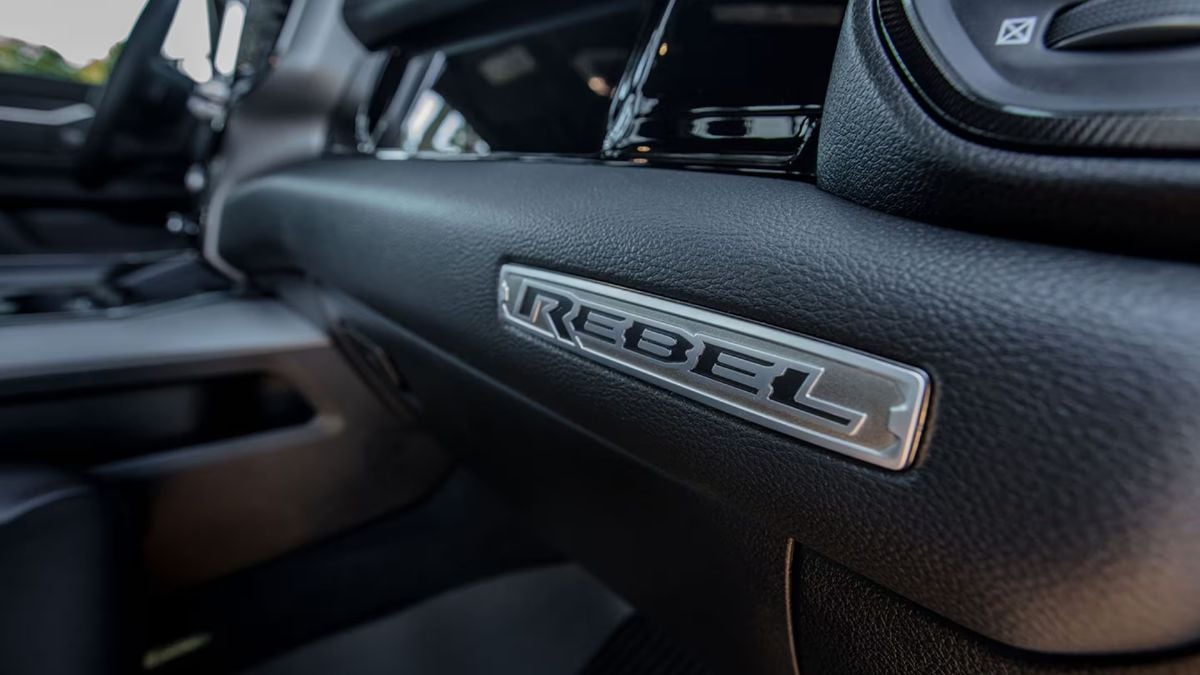
If disappointing fuel economy were the only issue, Cody’s experience might be chalked up to personal driving conditions or calibration quirks. But the electrical problems he describes elevate this story well beyond an MPG complaint. Four destroyed batteries in nine months is not a minor inconvenience. It points to deeper issues with electrical management, parasitic drain, or software-related faults that can leave owners feeling stranded and frustrated.
Modern trucks place enormous demands on their electrical systems. Large center displays, advanced driver-assistance systems, constant connectivity, and background software processes all draw power even when the truck is parked. When something goes wrong, the result can be repeated battery failures that dealerships struggle to definitively diagnose.
Cody also points to a glitchy, slow center display, which matters more than many people realize. Today’s infotainment screens are not just for music and navigation. They often serve as the control center for vehicle settings, climate systems, and even drivetrain modes. When that interface lags or malfunctions, it affects daily usability in ways older trucks simply did not.
Not Every New Ram Owner Is Having the Same Experience
One reason stories like Cody’s generate so much discussion is that they exist alongside very different ownership experiences. Some Ram owners report being happy overall, even after early dealership visits. In fact, others say they absolutely love their 2025 Ram 1500 Bighorn despite multiple trips to address transmission concerns, suggesting that tolerance for early issues varies widely depending on expectations and outcomes.
There are also owners who are thrilled with how their newer Rams perform in specific use cases. For example, some drivers say they are beyond happy with the MPG their 2025 Ram 1500 RHO achieved during a recent 500-mile road trip, highlighting how driving environment can dramatically change the ownership narrative.
That contrast is important. It shows that while some owners are dealing with real frustrations, others are seeing the benefits Ram promised. The challenge for buyers is figuring out which experience they are more likely to have.
Community Reactions Show the Divide Clearly
The comments under Cody’s post reflect just how split the community can be.
Keith Snell asked for more context, writing, “How many miles and what's the temp there. My 3.0 does 21 MPG all day but will go down to 18 if it's cooler out. Mine has 15,000 miles.”
Keith’s comment highlights an important variable. Temperature, mileage, and break-in period can all influence fuel economy, and some owners report meaningful improvements as miles accumulate.
Chris Ross took a more cautious stance, saying, “Hence why I’m holding onto my ‘17 Hemi. There are too many horror stories with these new trucks.”
That sentiment echoes a growing hesitation among longtime truck owners who see newer powertrains as unproven compared to engines with long track records.
Aubrey Theall zoomed out even further, adding, “Buying any new model/engine/transmission in the first couple years of production is always an iffy idea.”
It’s a reminder that early adopters often bear the brunt of teething issues, especially when manufacturers roll out major mechanical and technological changes at the same time.
A Pattern That Feels Familiar to Loyal Owners
Cody’s frustration also fits into a broader pattern we have seen with long-time brand loyalists. In some cases, early reliability problems push owners to question whether sticking with the same manufacturer still makes sense. We’ve seen similar breaking points before, including stories where owners said their 2025 Ram 1500 might be their last Mopar after a lifetime of loyalty due to early failures.
In other situations, accumulated frustration leads buyers to walk away from one brand entirely. There are examples where nearly two decades of loyalty ended when owners decided to try something different, such as those who gave up 18 years of GM loyalty to move into a 2025 Ram 1500 RHO after reaching their own breaking point.
These stories matter because they show how quickly enthusiasm can flip when expectations are not met early in ownership.
That's why I think Cody’s experience highlights a growing disconnect between promised efficiency gains and real-world ownership for some buyers. Turbocharged engines and advanced electronics can deliver impressive results in the right conditions, but they also introduce complexity that older trucks simply did not have. When that complexity results in repeated battery failures and usability issues, even modest fuel economy improvements would struggle to justify the tradeoff.
At the same time, it’s important to acknowledge that not every owner is seeing these problems. The variation itself is the story. Modern trucks are no longer one-size-fits-all experiences, and buyers may need to be more honest about how they drive, how long they plan to keep a vehicle, and how comfortable they are being early adopters.
Key Takeaways for Truck Buyers
• Real-world MPG: Advertised efficiency does not always translate to city driving, especially for heavier, performance-oriented trims.
• Electrical complexity: Modern trucks rely heavily on software and electronics, which can create new failure points.
• Early adoption risk: Buying into a new engine or platform early can come with unforeseen issues.
• Owner expectations: Satisfaction often depends on how closely real-world use matches the truck’s strengths.
• Proven powertrains: Older engines like the Hemi still earn loyalty by delivering predictable results.
Your Turn to Share
Have you experienced worse fuel economy or unexpected electrical problems after switching to a newer truck platform?
And if you’ve owned both a Hemi-powered Ram and a newer Hurricane-powered model, how do the two compare in your day-to-day driving?
Don't hesitate to share your thoughts in the comments below.
Aram Krajekian is a young automotive journalist bringing a fresh perspective to his coverage of the evolving automotive landscape. Follow Aram on X and LinkedIn for daily news coverage about cars.
Image Sources: The “Hurricane 3.0 TT Rams” public Facebook group and Ram’s gallery, respectively.
Set Torque News as Preferred Source on Google
Follow us today...




Comments
If you see the trend in…
Permalink
If you see the trend in articles from the author. He owns every vehicle apperently. Praises gm while also owning every model and also owns other manufacturer models while discrediting such as this truck. Yet posts a article everyday! (Ai written).
Heres the low down. I owned a gmc canyon at4 (american made, aussie designed, by paper the best product they make) brand new. I took it in for warranty 4 times in 3 years. The transmission started to hard shift down after 2 years. Motor tick after the first winter. Not to mention the infamous gm issue, interior plastic peices werent even slapped to together since its creation and started to fall apart and creek after 3 years. Horrible.
Traded it for a ram 1500 warlock with the 3.0. Loved it since. Yes it gets better fuel mileage rates then the canyon with heaps more power. The guage works fine. I have had a faulty ac seal that was not set properly from the factory that was taken care of when i purchased it. The truck doesnt have all the bells and whistles as a rebel or new atf but the price cant be beat.
So it leads me to think that this author whom owns everything and writes dailly praising government motors while discrediting everything else is a bot or a biase liar. Or both!
Hey there Mr Truth. Quick…
Permalink
In reply to If you see the trend in… by Mr truth (not verified)
Hey there Mr Truth.
Quick clarification first. These aren’t my personal vehicles and the articles are based on real owner posts from public groups and forums, and my job is to report those experiences and add context, not promote or tear down any brand. I’ve covered positive and negative stories across GM, Ram, Ford, Tesla, and others. (You can find the link to the actual story in the first paragraph by the way!)
Your Canyon AT4 experience versus your Ram Warlock ownership actually proves the point. Different owners have very different outcomes. Sharing both sides helps people make better-informed decisions. Appreciate you adding your real-world experience to the conversation.
People will buy a new truck…
Permalink
People will buy a new truck with bigger tires than their old truck, with a higher ratio rear end, and then drive it differently and expect to get the stated gas mileage. This driver was only getting 14 miles per gallon with his hemi, which is 5-8 miles less than what a hemi will get when driven sensibly. What was he expecting?
TRD JON was raving about his…
Permalink
TRD JON was raving about his fuel economy too until he realized the computer was not anywhere near accurate.
But whether its a truck or something else, if it's a turbo and you need boost, you will burn fuel in the process. They are thirsty little engines.
Hey Squeaky that’s a fair…
Permalink
In reply to TRD JON was raving about his… by Squeaky Wheel (not verified)
Hey Squeaky that’s a fair point. A lot of owners do report great MPG at first until they hand-calculate it and realize the onboard computer is optimistic. And you’re absolutely right about turbos. Once you’re into boost, fuel consumption climbs quickly, especially in heavier trucks. On paper they look efficient, but real-world driving tells a different story depending on how and where you drive. That difference between advertised efficiency and lived experience is exactly why owner feedback matters.
2026 Laramie , love it,…
Permalink
2026 Laramie , love it, smoother than my Hemi and way more powerful.
Was going for a Silverado but engine and tranny failures scared me away , Ford same tranny and lockup problems, so my Prius is the best car I ever owned reliable wise, Tundra Bad engines.
SO I got the Ram, them adding the 10 year / 100,000 mile warranty sealed the deal!
OK I got a display recall today , will see what happens
I bought a 2025 ram lonestar…
Permalink
I bought a 2025 ram lonestar and it has been the most disappointing vehicle I have ever purchased. From week 1 of ownership to now 1 year mark. It has been to dealership 11 times for electrical issues and still unresolved.