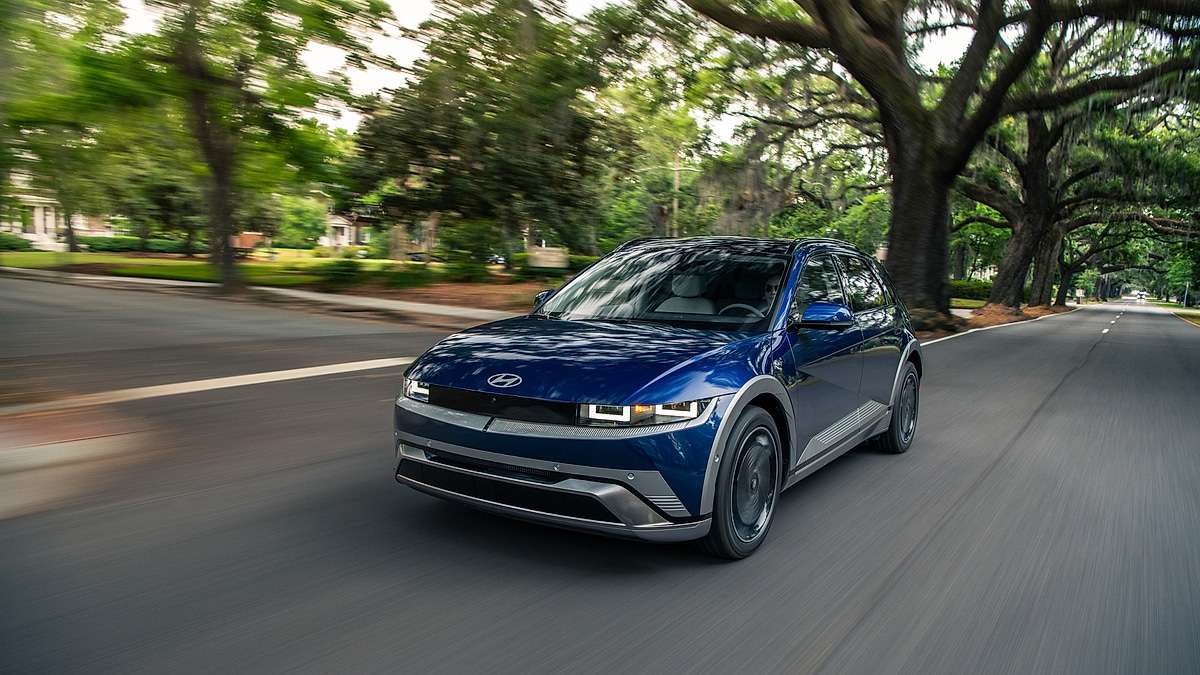

Used Hyundai Ioniq 5 SE models have dropped below $20,000 on dealer lots nationwide, a price that would have seemed impossible when the vehicle debuted in 2022. That collapse is the visible result of a broader financing crisis that has left nearly one in three American trade-in customers owing an average of $7,200 more than their vehicles are worth. The market is splitting into buyers who purchased at peak prices between 2021 and 2023, and those entering now. Both groups are responding to the same policy shock from opposite directions. One side is trapped in debt, and the other is shopping at clearance prices.
The root cause lies in two pressures that reshaped the market. The COVID-era semiconductor shortage drove new car prices to record highs, pushing buyers into longer loans that now routinely extend past seven years. Then the One Big Beautiful Bill, passed in July 2025, ended the $7,500 federal EV tax credit after September 30, removing the incentive that had subsidized new EV leases and supported residual values. Buyers who took out loans at inflated sticker prices are now watching depreciation and restocked inventories erase their equity, leaving balances that dwarf the cars' current worth. Those vehicles are now arriving on dealer lots at prices that seemed fictional during the shortage years, suppressing trade-in values further.
Seven-year loans collide with three-year depreciation
New data from the first quarter of 2026 shows that nearly one in three Americans trading in a vehicle carried negative equity. Cox Automotive reported that the auto loan default rate rose to an annualized 3.79% in March, up from 3.36% in February, the highest since early 2010. The firm also noted that negative equity hit an all-time high for the third consecutive month, and loans exceeding 72 months remained near record levels. Among underwater borrowers in early 2026, more than 42% signed 84-month notes, locking themselves into payment schedules that stretch past seven years. Negative-equity buyers financed an average of nearly $56,000 in the first quarter, roughly $12,000 above the typical amount, which drove their average monthly payment to a record $932. The Consumer Financial Protection Bureau adds a sharper warning: borrowers who roll existing negative equity into new loans are twice as likely to face repossession within two years.
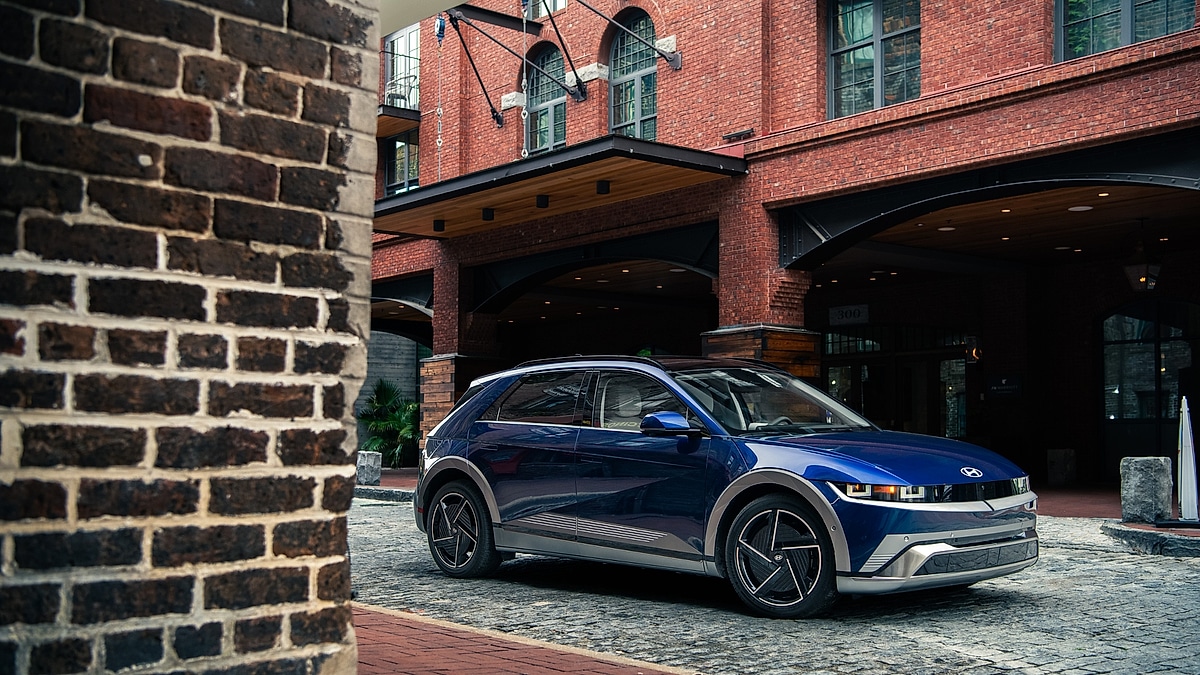
Longer loans lower the monthly payment but extend the window during which the borrower owes more than the vehicle is worth. In a market where used values fall faster than principal balances, an 84-month loan guarantees years of negative equity. Buyers who purchased new EVs at the top are learning their cars depreciated rapidly while their loan balances barely moved, creating a gap that payments cannot close. The result is a growing class of owners who cannot trade in without bringing thousands of dollars in cash, a situation leading some to beat negative equity on a car loan through refinancing or payment restructuring. For many, the only option is to keep driving the vehicle until the loan matures or the market recovers, whichever comes first. For those who must sell, private-party listings are the last resort, though depressed wholesale values mean even direct sales rarely cover the balance.
Off-lease EVs are rewriting the used-car value equation
For buyers entering the market today, returning leases have created a buyer's market in segments inaccessible two years ago, a shift buyers are calling the Great EV Price Meltdown of 2026. Leases on roughly 300,000 two- and three-year-old EVs expired in 2026, with another 600,000 due in 2027 and nearly 660,000 in 2028. Those vehicles are returning at just 45% of their original value, well below the 60% rate the industry expected. Cars.com listings show 2023 Ioniq 5 SE models listed below $20,000, while higher-trim SEL variants sit near $23,000.

New 2026 Ioniq 5 models start at roughly $31,000 for the base SE and climb past $37,000 for the SEL, so used examples sell at 35% to 50% below new prices. Volkswagen's ID.4 Pro S has seen comparable drops, with three-year-old examples showing 33,000 miles now listed under $23,000 despite originally stickered at roughly $52,000.
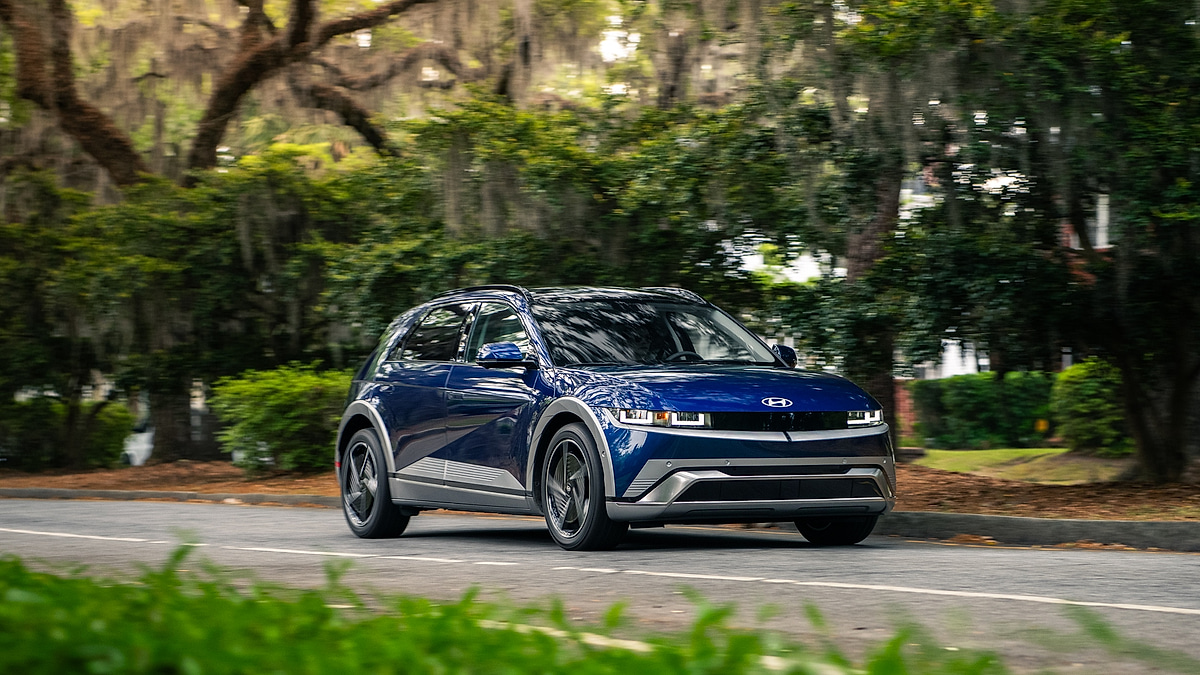
For buyers with home charging, a used EV with a factory battery warranty is one of the lowest cost-per-mile options available. Hyundai recently extended ICCU coverage to 15 years or 180,000 miles for affected Ioniq models, with battery and powertrain warranties transferring to second owners at 10 years or 100,000 miles. The dividing line between buyers who benefit and those who cannot is charging access, not purchase price. Buyers depending on public chargers or street parking face a different calculation, where savings evaporate into inconvenience. The 2026 car market is producing two narratives: a debt trap for buyers who financed at the peak, and an entry point for patient shoppers willing to buy used and charge overnight. Which narrative a buyer experiences depends on when they entered the market and whether they have a garage.
About The Author
Noah Washington is an automotive journalist based in Atlanta, Georgia, covering sports cars, luxury vehicles, and performance culture. His reporting focuses on explaining the engineering, design philosophy, and real-world ownership experience behind modern vehicles.
Noah has been immersed in the automotive world since his early teens, attending industry events and following the enthusiast communities that shape how cars are built and driven today. His work blends industry insight with enthusiastic storytelling, helping readers understand not just what a car is, but why it matters.
Noah is also a member of the Southeast Automotive Media Association (SAMA), a professional organization for automotive journalists and industry media in the Southeast.
His coverage regularly explores sports cars, luxury vehicles, and performance-driven segments of the automotive industry, including the evolving culture surrounding Formula Drift and enthusiast builds.
Read more of Noah's work on his author profile page.
You can also follow Noah here:
Set Torque News as Preferred Source on Google
Follow us today...