
Heated seats are one of those modern conveniences that fade into the background when they work and instantly command attention when they do not.
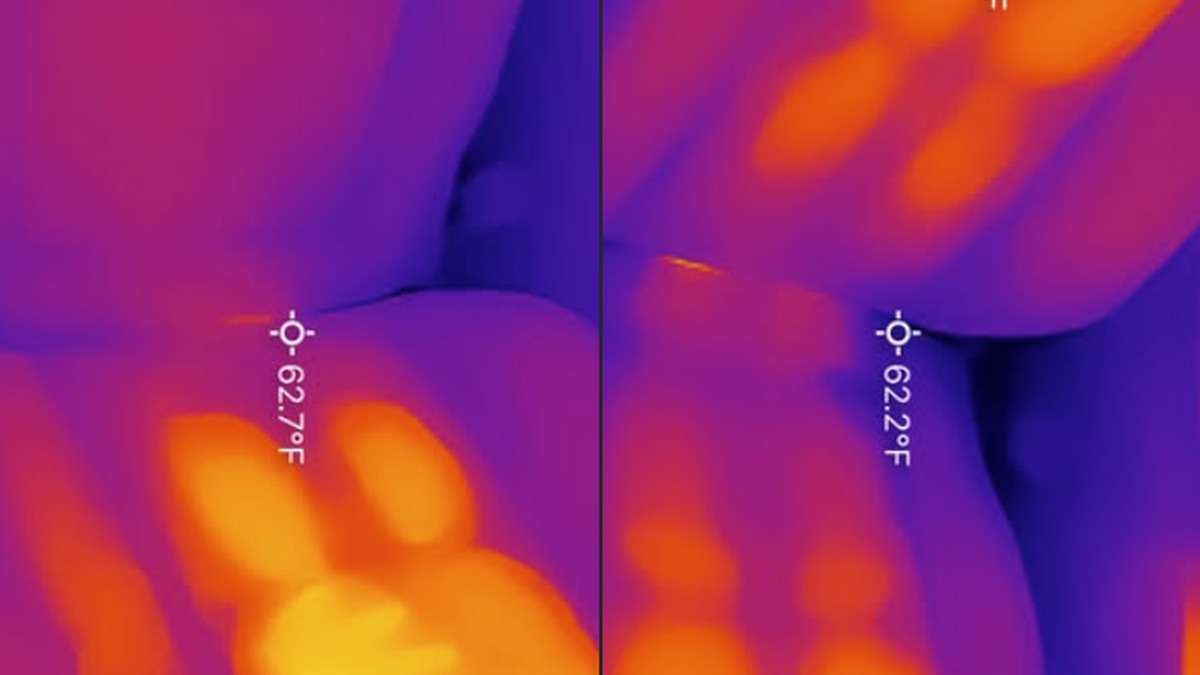
That was the case for a fifth-generation Toyota Prius owner who turned to thermal imaging after noticing that his driver’s seat felt suspiciously underwhelming compared to the passenger side. What he found was not subjective discomfort, but a measurable disparity that suggests a genuine hardware fault rather than imagination or winter paranoia.
Using a thermal camera, the owner captured side-by-side images of the seat bottoms. The passenger seat glowed evenly, reaching close to 67°F, while the driver’s seat stalled around 56°F. In a system designed to provide symmetrical comfort, that is not a rounding error. It is the difference between “working” and “barely noticeable,” and it immediately raised the question of whether something had failed beneath the upholstery.
“Looks like my seat bottom is not heating on my driver's side. Is there a common issue wth this that I should check before I take it on and have to deal with the dealership? One pic is of the driver's side, the other is the passenger side.”
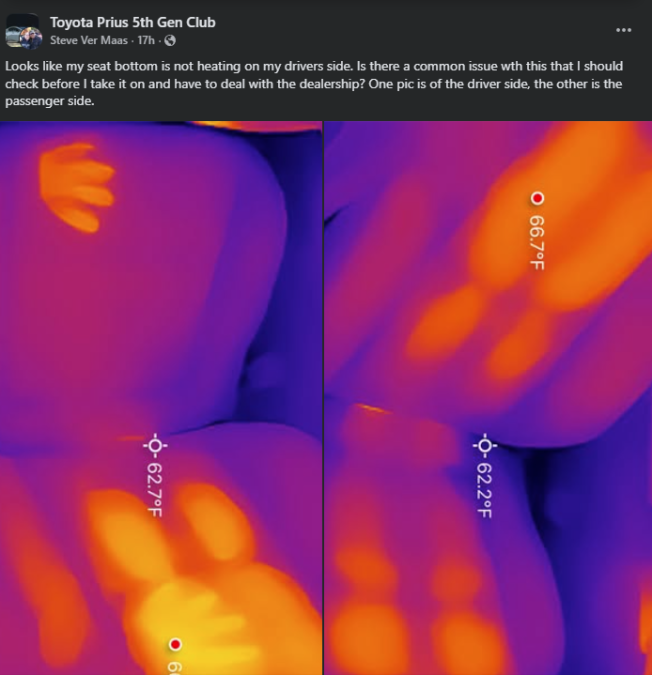
What makes the post compelling is its methodical approach. Rather than relying on feel alone, the owner brought data. Thermal imaging removes ambiguity. It shows not only that the driver’s seat is cooler, but that the heat distribution itself appears uneven or absent in areas where it should be most concentrated. That strongly points to a heating element that is either partially failed or not being powered correctly.
Toyota Prius: Aerodynamics & Hybrid Drivetrain
- The Prius prioritizes aerodynamic efficiency through its low nose, tapered roofline, and smooth underbody, improving fuel economy while slightly compromising rearward visibility.
- Hybrid power delivery is tuned for predictability and smoothness, favoring steady progress in daily driving rather than strong acceleration or sporty response.
- Interior layout emphasizes simplicity and space efficiency, with a minimalist dashboard design that reduces clutter but requires acclimation to centrally positioned displays.
- Ride quality is optimized for urban and suburban use, absorbing minor imperfections well while allowing more road and tire noise at sustained highway speeds.
Community responses reflected a mix of reassurance and practicality. Several owners emphasized that heated seats are relatively simple systems, consisting of resistive heating elements, wiring, and a control module. There is not much software wizardry involved. If one side works and the other does not, something physical is usually wrong. A loose connector under the seat, a pinched wire, or a defective heating mat are all plausible culprits.
Others urged the simplest solution of all: warranty service. On a vehicle as new as a fifth-generation Prius, this is exactly the sort of issue that should be addressed without debate. Heated seats are not an experimental feature or an edge-case luxury. They are mature, well-understood technologies, and a measurable temperature shortfall is difficult to dismiss when presented clearly.
The thermal images of the Prius also help counter a common dealership response: “unable to replicate.” Feel-based complaints often die there. A service advisor sits in the car, flips the switch, waits a minute, and shrugs. A thermal photo showing a double-digit temperature difference between seats makes that outcome far less likely. It reframes the issue from comfort preference to functional defect.
It is also worth noting what this is not. There is no evidence of user error, incorrect settings, or environmental factors. Both seats were presumably tested under the same conditions, with the same climate settings, at the same time. The passenger seat behaves as expected. The driver’s seat does not. That isolation strengthens the case considerably.
For owners hesitant to visit a dealer, the advice to check under-seat connections is reasonable, especially if the vehicle has seen seat movement or recent work. But given the temperatures involved, the odds favor a failing heating element rather than a simple unplugged connector. Heating mats can degrade, develop breaks, or fail unevenly, leading to exactly the sort of lukewarm behavior shown here.
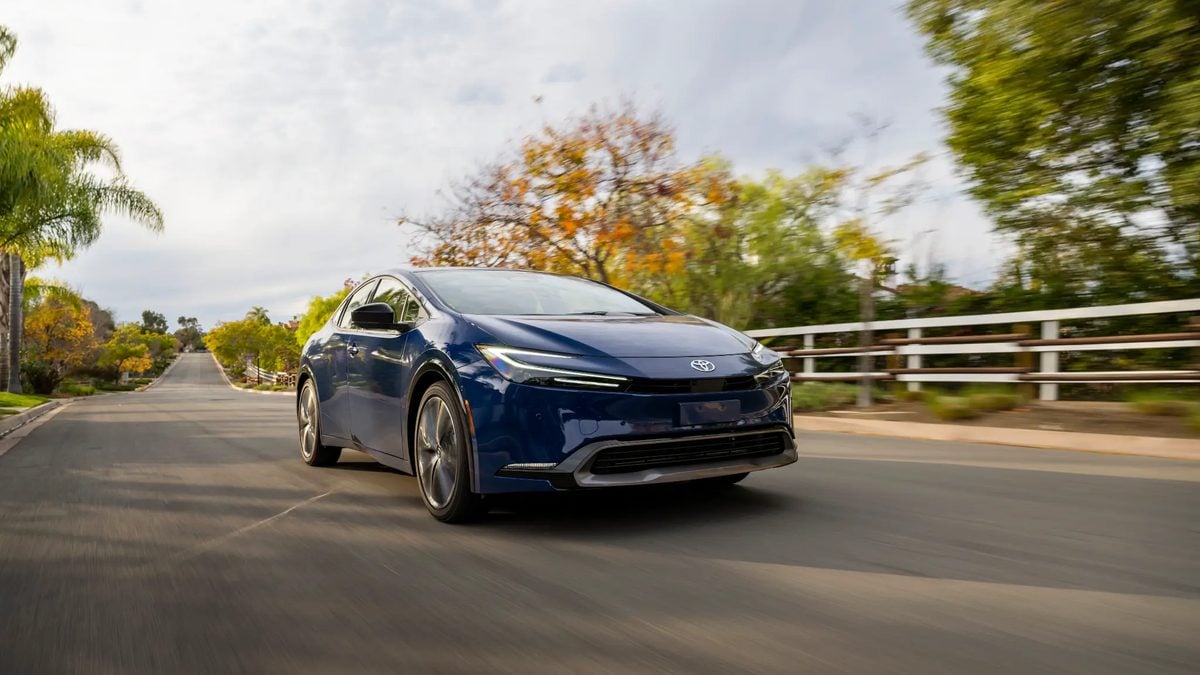
The broader takeaway is that modern cars generate more data than ever, and owners are increasingly capable of using it. A thermal camera may not be standard garage equipment, but it is becoming accessible, and it turns vague complaints into clear evidence. In this case, it transforms “my seat doesn’t feel warm” into “my seat is 11 degrees colder than it should be.”
For a car that prides itself on thoughtful engineering and everyday livability, that matters. The Prius does not need excuses made for it, and it does not benefit from dismissing small flaws. Sometimes a heated seat is just a heated seat. And when one of them is not heating properly, the right answer is not debate, but repair.
Image Sources: Toyota Media Center
Noah Washington is an automotive journalist based in Atlanta, Georgia. He enjoys covering the latest news in the automotive industry and conducting reviews on the latest cars. He has been in the automotive industry since 15 years old and has been featured in prominent automotive news sites. You can reach him on X and LinkedIn for tips and to follow his automotive coverage.
Set Torque News as Preferred Source on Google
Follow us today...