
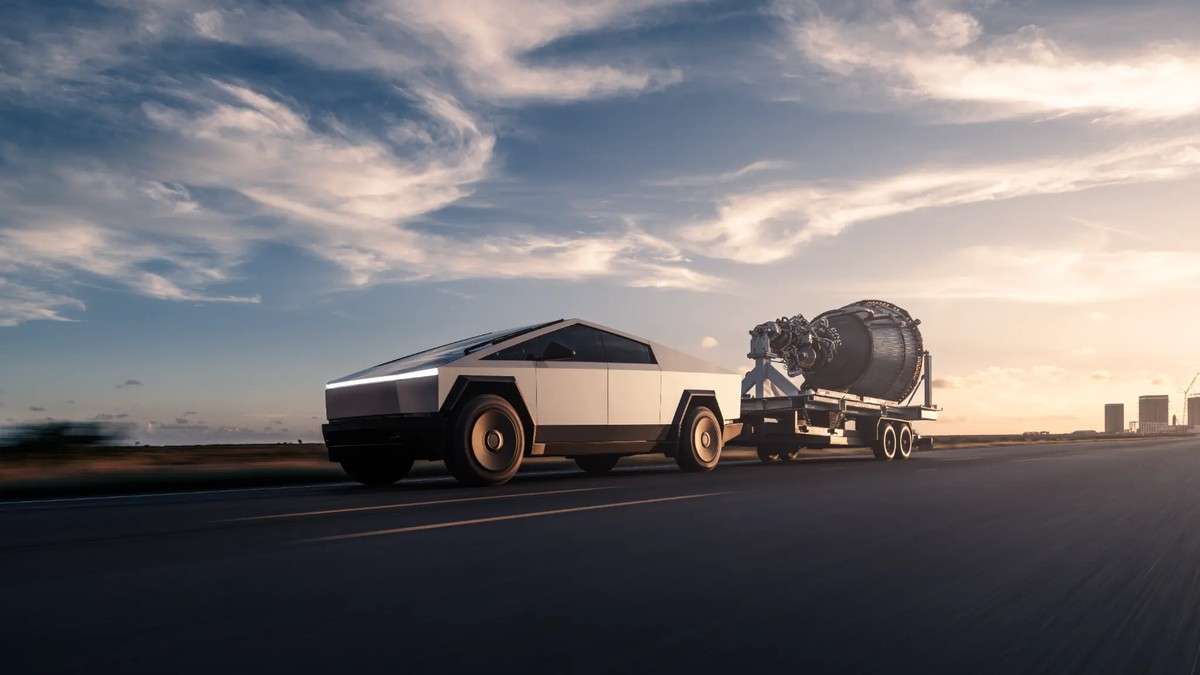

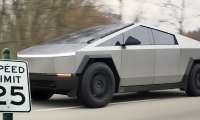
Modern electric vehicles have a habit of being utterly uneventful right up until the moment they are not. That tension sits at the heart of a recent post in the Cybertruck Owners Only group, where a Tesla owner described a sudden cascade of warnings that appeared without warning after more than a year of trouble-free ownership. The vehicle had been sitting quietly in the driveway for three days, untouched and apparently healthy, when it abruptly decided otherwise.
“Has anyone else experienced this?
My wife has had her Tesla Cybertruck for over a year and a half without a single issue, and then yesterday, out of nowhere, it threw 6 major faults and had to be towed to Tesla for service. The car hadn’t been driven in three days and was just sitting in our driveway.
I don’t want to jump to worst-case conclusions, but I have to say the service so far has been excellent. They towed it immediately and provided a rental while they investigated. Thank God this happened in our driveway and not during a family trip or while she was alone with our kids.”
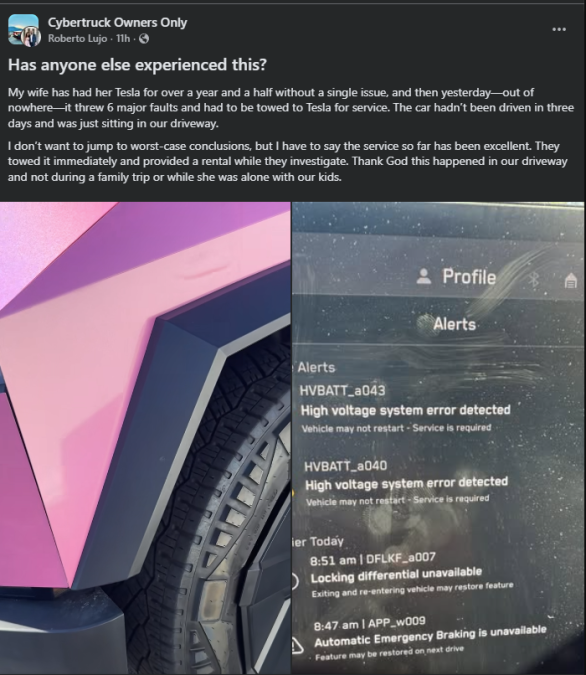
According to the owner, the car threw six major faults almost simultaneously, all pointing toward serious systems rather than minor glitches. High-voltage battery errors warned that the vehicle might not restart. Driver assistance features dropped offline. Even the locking differential reported itself as unavailable. This was not a single sensor hiccup or a momentary software tantrum. It was a full dashboard of red flags appearing all at once, the kind of event that instantly turns confidence into concern.
Tesla Cybertruck: Exterior Materials & Steering Response, and Cargo Security
- The flat glass and sharp roof angles influence how rain, debris, and glare behave in real use, placing more importance on wiper coverage and camera cleanliness than on traditional body contouring.
- Weight distribution and battery mass contribute to strong straight-line stability, but also increase braking demands, making brake tuning and regenerative calibration especially noticeable in everyday driving.
- Cabin storage is spread across unconventional areas, including deep under-seat compartments and lockable exterior spaces, changing how small items are organized compared with typical pickups.
- The vehicle’s height and beltline affect driver eye position, improving forward road scanning while making curb placement and tight parking more dependent on camera systems.
What makes the story compelling is not panic, but perspective. The owner was careful not to jump to conclusions, noting that Tesla service responded immediately, arranged a tow, and provided a rental car while diagnostics were underway. There is real relief in the fact that the failure occurred at home rather than during a road trip or in a vulnerable situation with family aboard. Reliability is not just about how often something breaks, but when and how it does.
The fault codes for the Cybertruck itself paint a familiar picture to anyone who has followed Tesla ownership closely. Multiple high-voltage system alerts often suggest a common root cause rather than multiple independent failures. When core systems like braking assist and driveline controls shut down together, it usually means the car is protecting itself rather than actively failing. Modern EVs are conservative in this way, preferring to immobilize rather than risk operating with uncertain data.
Comments from other owners reinforce that interpretation. One immediately suggested a high-voltage battery replacement based on personal experience. Another pointed toward the air conditioning or coolant pumps, while a third mentioned the Cybertrucks' complex thermal management system, including the Octovalve, which plays a central role in regulating battery and drivetrain temperatures. None of these possibilities is trivial, but all are known quantities within Tesla’s engineering ecosystem.
What stands out is how quietly these issues can surface. Unlike internal combustion cars, which often telegraph problems through noise, vibration, or gradual drivability changes, EVs can appear perfectly fine until a threshold is crossed. A sensor reading drifts, a valve sticks, or a pump fails to respond, and the software reacts instantly. To the driver, it feels sudden. To the car, it is simply executing protocol.
This incident also highlights an underappreciated aspect of EV ownership: the dependency on manufacturer support. When something goes wrong at the high-voltage level, there is no roadside workaround, no temporary limp-home fix. The vehicle either operates normally or not at all. In that context, fast towing and a replacement vehicle are not perks but necessities, and the owner’s positive remarks about service matter as much as the fault itself.
None of this suggests a pattern or a crisis, but it does underscore the reality of owning highly integrated machines. As electric vehicles grow more complex, their failures tend to be rarer but more absolute. The upside is long stretches of quiet, low-maintenance driving. The tradeoff is that when something does go wrong, it arrives all at once and demands expert attention.
For now, this story remains unresolved, a vehicle in service and an owner waiting for answers. But it serves as a useful reminder that reliability is not the absence of failure, but the system’s response when failure occurs. In this case, the technology did what it was designed to do, the service network responded quickly, and the problem surfaced in the safest possible place. That may not be comforting in the moment, but it is how modern automotive risk is increasingly managed.
Image Sources: Tesla Media Center
Noah Washington is an automotive journalist based in Atlanta, Georgia. He enjoys covering the latest news in the automotive industry and conducting reviews on the latest cars. He has been in the automotive industry since 15 years old and has been featured in prominent automotive news sites. You can reach him on X and LinkedIn for tips and to follow his automotive coverage.
Set Torque News as Preferred Source on Google
Follow us today...



Comments
That's just part of the…
Permalink
That's just part of the cybertruck ownership experience, that's all. You'll get used to it after a little while.