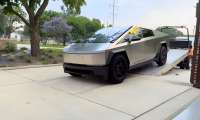

Innovation tends to reveal its sharp edges not on the test track, but in everyday use. The Tesla Cybertruck, with its unapologetically unconventional design, is no exception. As owners grow familiar with its strengths, they are also discovering moments where novelty intersects with human behavior in ways that deserve sober attention. One such moment surfaced recently in a Facebook discussion among Cybertruck owners, where enthusiasm for the truck was paired with a candid warning about door operation and real-world family use.
Matt Carper, a top contributor in the Cybertruck Owners Only group, described an incident that had nothing to do with software or powertrains, but everything to do with ergonomics. While his sons were entering and exiting the truck, one child reached for the front door button just as another was closing the rear door. The result was a painful reminder that new interfaces can introduce unfamiliar risks. Carper made clear that he loves the truck, but his message was direct: the placement of the button can create a situation where timing and hand position matter more than people expect.
“I love my truck, but this is dangerous. My son was going to open the front door when my other son was closing the rear door. Thumb got slammed. Bad location for that button.”

Other owners quickly expanded the discussion beyond the initial injury. John Mc raised a concern that goes to the heart of vehicle design under stress, noting that emergency access matters most when things go wrong. His comment focused on ensuring children know how to use the emergency release, an element that exists precisely because Tesla relies on electronic door latches rather than traditional mechanical linkages.
Tesla Cybertruck: The Design Process
- The Cybertruck’s stainless steel exterior replaces traditional painted body panels, reducing concerns about minor scratches while introducing challenges around panel alignment, fingerprint visibility, and repair complexity compared with conventional pickups.
- Its sharply angled bodywork prioritizes manufacturing simplicity and rigidity over aerodynamic subtlety, contributing to a distinctive on-road presence but also affecting wind noise and efficiency at highway speeds.
- The truck’s steer-by-wire system allows for an unusually tight turning circle for its size, though the steering feel differs noticeably from hydraulic or conventional electric setups, especially at low speeds.
- Interior design emphasizes minimalism, with most vehicle functions routed through a central touchscreen, which streamlines the dashboard but can complicate quick access to frequently used controls while driving.
That distinction prompted a broader debate. Jack Hentschel pointed out that most vehicles, even those with electric assists, retain a mechanical connection that operates intuitively. Tesla’s approach, while intentional and engineered, requires a level of user education that cannot be assumed, particularly with passengers unfamiliar with the vehicle. Others, like Robert Silvers, countered that the solution is straightforward if drivers take the time to explain the emergency release and make its location second nature.
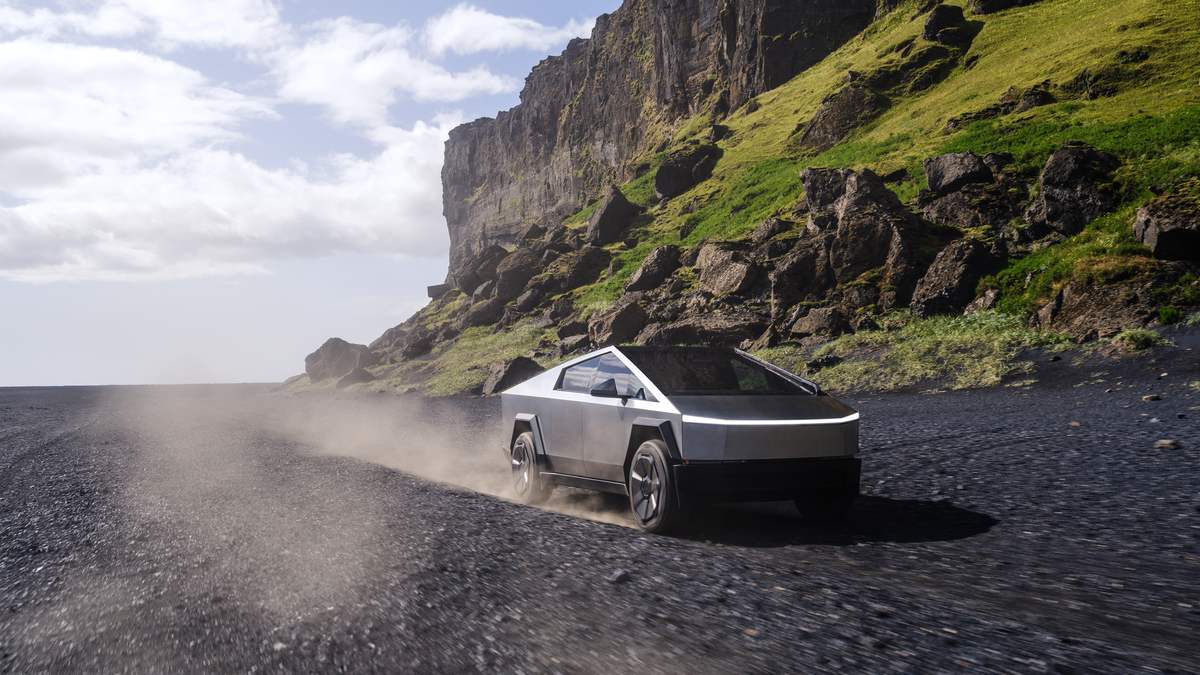
Notably, the conversation remained grounded rather than alarmist. Jessica Nguyen Shields framed the incident as a cautionary tale not unique to one brand. Fingers caught in door jambs have been a risk since the earliest automobiles. Her adaptation was behavioral rather than critical, choosing to rely on interior handles and developing habits that carried over even when switching vehicles. It is a reminder that drivers often meet new design philosophies halfway, adjusting their own routines in response.
Riley Bowers added that Carper’s experience was not isolated, having seen similar incidents on his own truck when passengers reached for the front door button while the rear door was moving. The pattern suggests that the issue is less about misuse and more about unfamiliar choreography. When doors behave differently than expected, people revert to instinct, and instinct does not always align with new design logic.
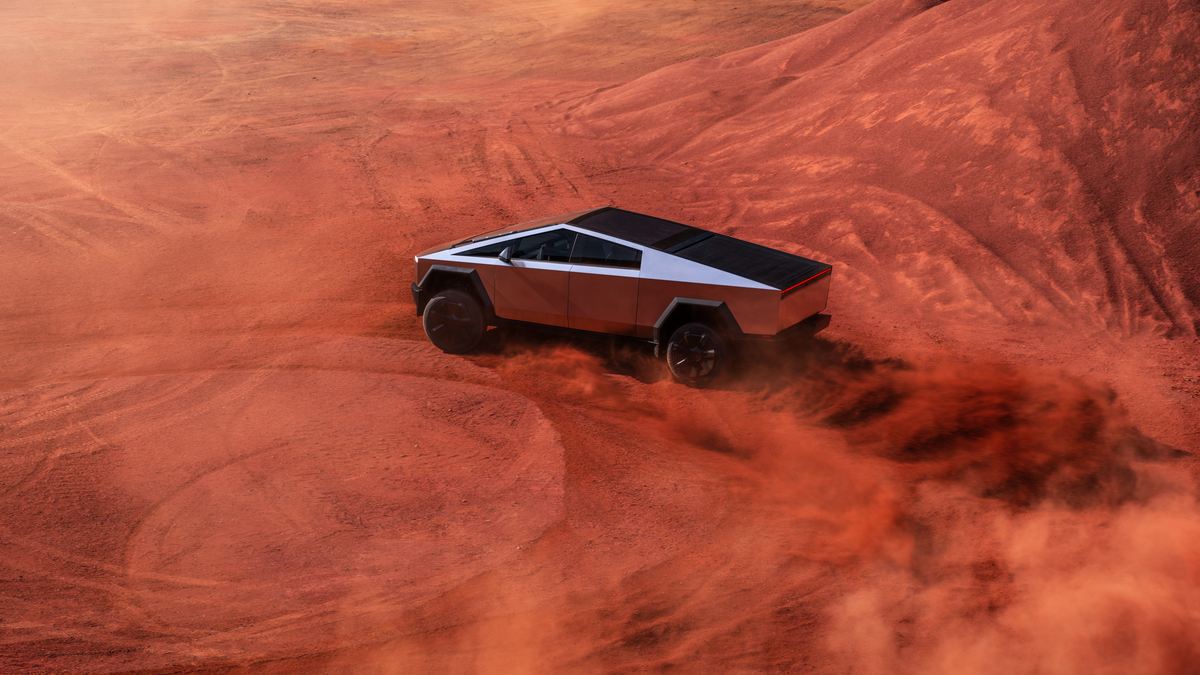
What emerges from this discussion is not an indictment of the Cybertruck, but a familiar chapter in automotive progress. Every leap forward, from automatic transmissions to keyless ignitions, has required a period of adjustment where manufacturers, owners, and passengers learn together. The Cybertruck’s doors are part of a broader philosophy that favors electronic control and clean design, but that philosophy places a premium on awareness and communication.
The Facebook thread serves a valuable role. It highlights how owner communities function as early warning systems and informal educators. By sharing experiences openly, they help define best practices that do not appear in glossy brochures. The Cybertruck continues to push boundaries, and stories like this underline an old truth of the car world: progress works best when innovation is matched by attention, patience, and the willingness to adapt how we interact with the machine.
Image Sources: Tesla Media Center
Noah Washington is an automotive journalist based in Atlanta, Georgia. He enjoys covering the latest news in the automotive industry and conducting reviews on the latest cars. He has been in the automotive industry since 15 years old and has been featured in prominent automotive news sites. You can reach him on X and LinkedIn for tips and to follow his automotive coverage.
Set Torque News as Preferred Source on Google
Follow us today...