
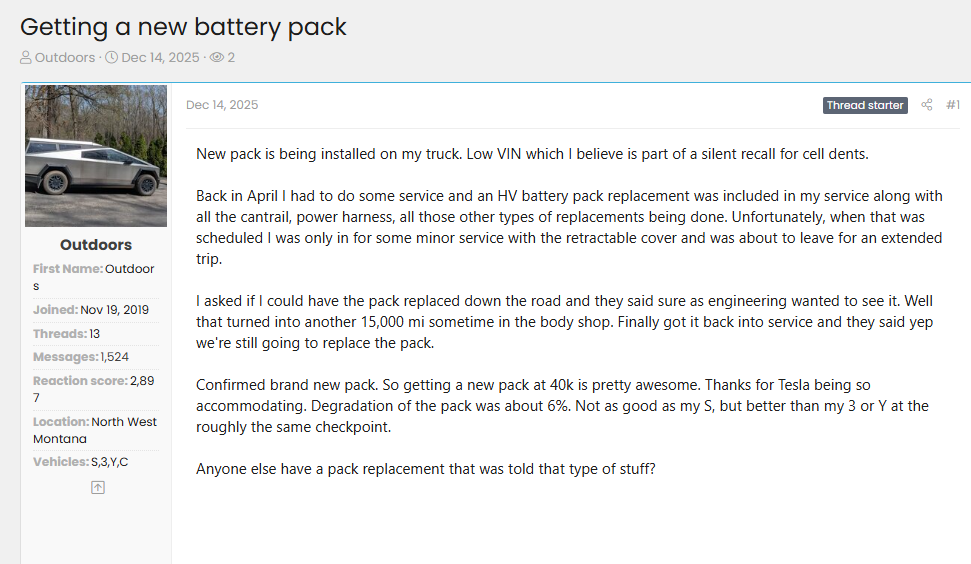
The most interesting ownership stories are rarely the loud ones. They do not begin with warning lights or roadside breakdowns, but with a quiet service note, a casual mention from a technician, or an engineering request that sounds optional until it is not. That is the tone of a recent forum post from a Tesla owner in northwest Montana, who reported receiving a brand-new high-voltage battery pack at roughly 40,000 miles, not as the result of a failure, but as part of what appears to be a low-key corrective action tied to early-production hardware.
The owner, posting under the name “Outdoors,” describes a low-VIN vehicle that Tesla engineers flagged for battery pack replacement due to concerns about cell dents. The issue did not initially ground the vehicle. Back in April, the truck was in for unrelated service involving a retractable cover, and the battery pack replacement was bundled into a longer list of potential work that also included cantrail and power harness components. With an extended trip looming, the owner asked to defer the pack replacement. Tesla agreed, noting that engineering still wanted to inspect and eventually replace it.
“New pack is being installed on my truck. Low VIN, which I believe is part of a silent recall for cell dents.
Back in April, I had to do some service, and an HV battery pack replacement was included in my service along with all the cantrail, power harness, and all those other types of replacements being done. Unfortunately, when that was scheduled, I was only in for some minor service with the retractable cover and was about to leave for an extended trip.
I asked if I could have the pack replaced down the road, and they said sure as engineering wanted to see it. Well, that turned into another 15,000 mi sometime in the body shop. Finally got it back into service, and they said yep we're still going to replace the pack.
Confirmed brand new pack. So getting a new pack at 40k is pretty awesome. Thanks to Tesla for being so accommodating. Degradation of the pack was about 6%. Not as good as my S, but better than my 3 or Y at roughly the same checkpoint.
Advertising
Does anyone else have a pack replacement that was told that type of stuff?”
What followed is a reminder that real-world service timelines do not always match ideal ones. That deferred replacement stretched into another 15,000 miles of use, punctuated by time in and out of the body shop. When the vehicle finally returned for service, Tesla confirmed the decision had not changed. The pack would still be replaced. This time, it happened. The owner confirmed the installation of a brand-new battery pack, not a remanufactured unit, at roughly the 40,000-mile mark.
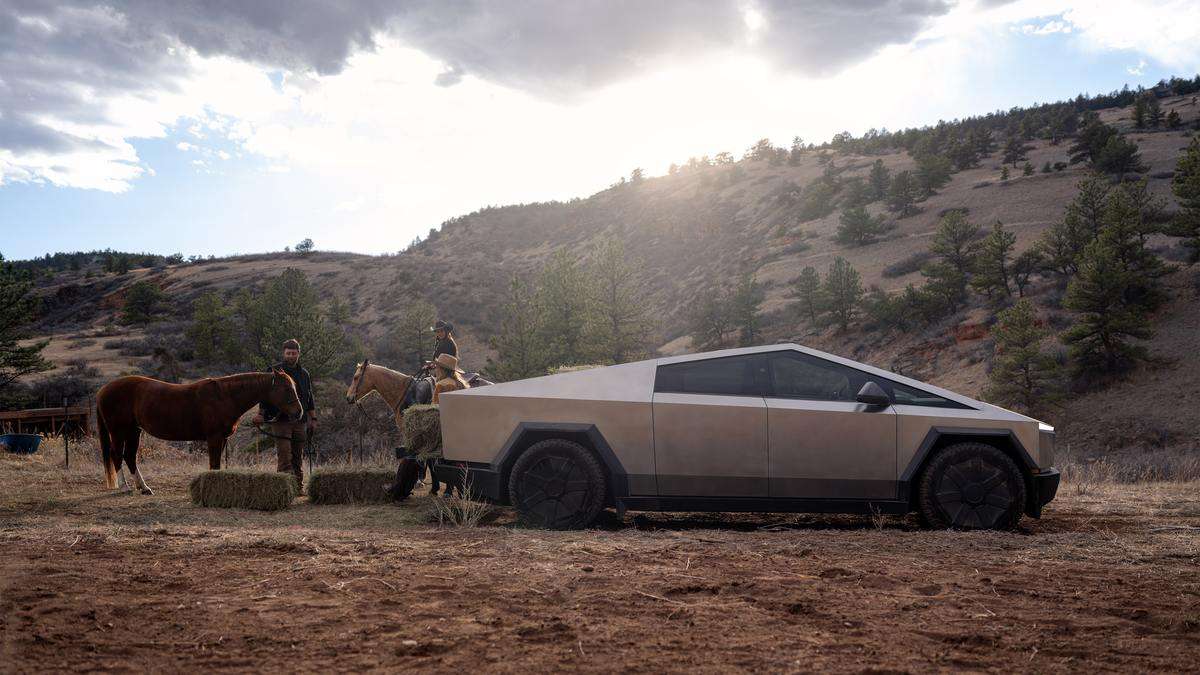
Tesla Cybertruck: Electric Utility
- The Cybertruck’s stainless steel exterior removes paint from the equation, changing long-term considerations around durability, appearance, and repair.
- Electric torque delivery allows the truck to move heavy mass smoothly from a standstill, reinforcing its capability in hauling and towing scenarios.
- Rear-wheel steering improves low-speed maneuverability, though the truck’s width and sharp geometry still demand careful placement in tight spaces.
- The interior emphasizes openness and simplicity, using a minimal layout and expansive windshield to create a driving environment that feels unlike traditional pickups.
From an ownership standpoint, it is difficult to frame that outcome as anything but positive. The original pack reportedly showed about six percent degradation, a figure the owner notes is better than what they observed at a similar mileage in a Model 3 or Model Y, though not quite as strong as their Model S. Those comparisons matter because they come from the same driver, across multiple vehicles, under broadly similar expectations. In that context, the replacement was not driven by performance complaints, but by Tesla’s internal standards for long-term durability.
What makes this story notable is not the replacement itself, but the manner in which it occurred. There was no recall notice, no public campaign, and no sense of urgency communicated to the owner beyond “we still want to do this.” It fits a familiar Tesla pattern: address potential issues quietly, case by case, often before they manifest as customer-facing problems. For some owners, that approach feels reassuring. For others, it can feel opaque. In this case, the result was a new pack installed without drama.
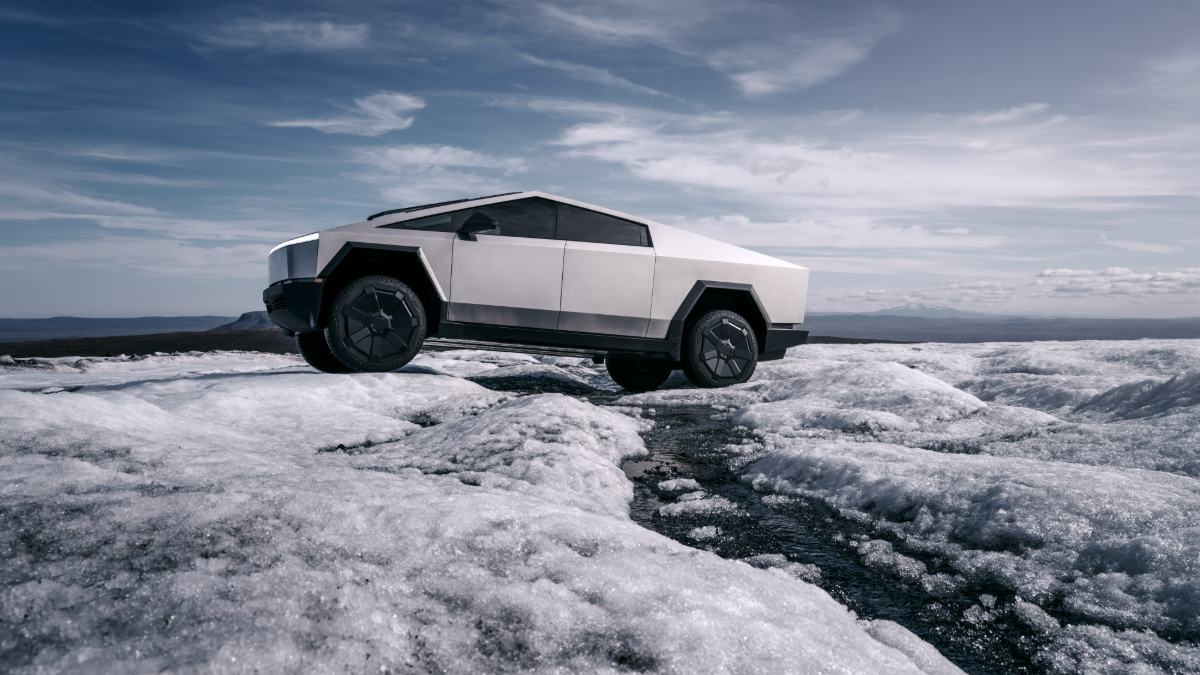
It also highlights how battery replacement, once the most feared outcome in EV ownership, is increasingly treated as a service event rather than a catastrophe. The owner’s reaction is telling. “Getting a new pack at 40k is pretty awesome,” they wrote, thanking Tesla for being accommodating. That sentiment would have been unthinkable a decade ago, when battery longevity was the central anxiety surrounding electric vehicles. Today, at least for some owners, it has become part of the long-term maintenance narrative rather than its end.
There is a broader implication here for how EVs and Tesla’s age. Silent fixes, engineering-driven replacements, and proactive component swaps suggest that manufacturers are still learning from early production runs, especially on new platforms. Low VIN vehicles often carry the burden of that learning curve. The upside is that attentive manufacturers can use real-world data to intervene early, improving the fleet over time. The downside is that not every owner will experience the process as smoothly or transparently.
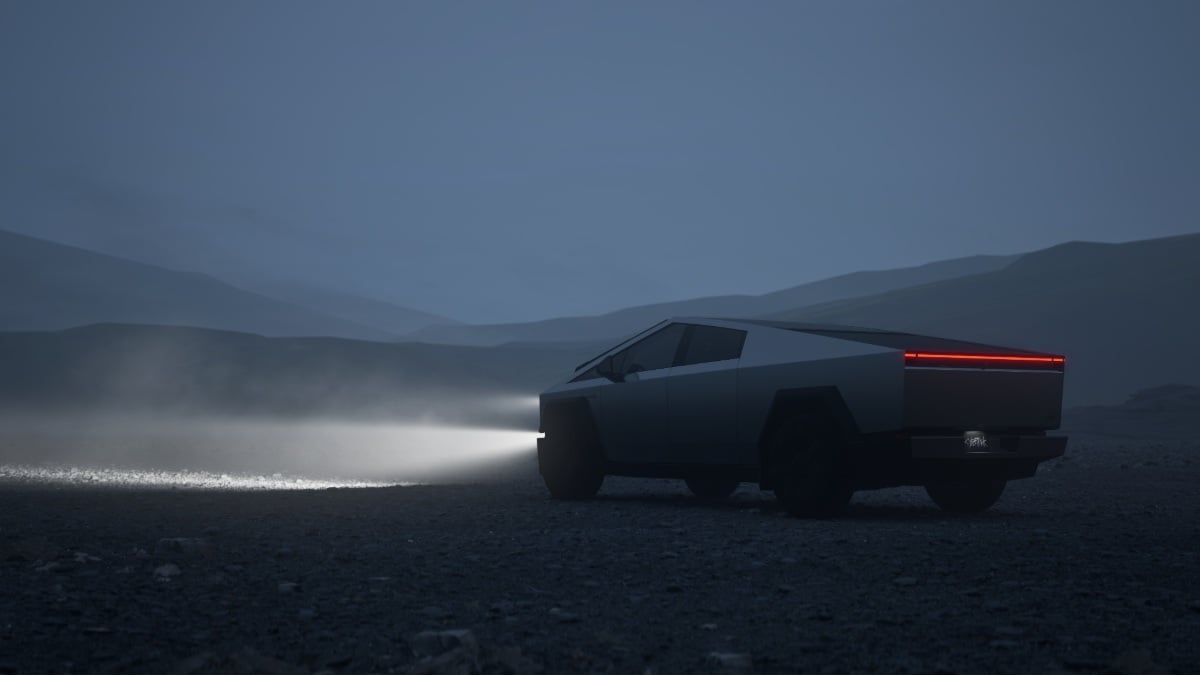
The owner closes by asking whether others have had similar experiences, hinting at a shared but loosely documented pattern. That question lingers because it speaks to where EV ownership is headed. As vehicles become more software-defined and component-dense, the line between defect, improvement, and precaution continues to blur. In this case, the outcome was a better-than-expected one. A quietly replaced battery, modest degradation, and a truck returned to service without incident. Sometimes the most revealing stories are the ones that unfold without drama, leaving behind not a warning, but a data point.
Image Sources: Tesla Media Center
Noah Washington is an automotive journalist based in Atlanta, Georgia. He enjoys covering the latest news in the automotive industry and conducting reviews on the latest cars. He has been in the automotive industry since 15 years old and has been featured in prominent automotive news sites. You can reach him on X and LinkedIn for tips and to follow his automotive coverage.
Set Torque News as Preferred Source on Google
Follow us today...