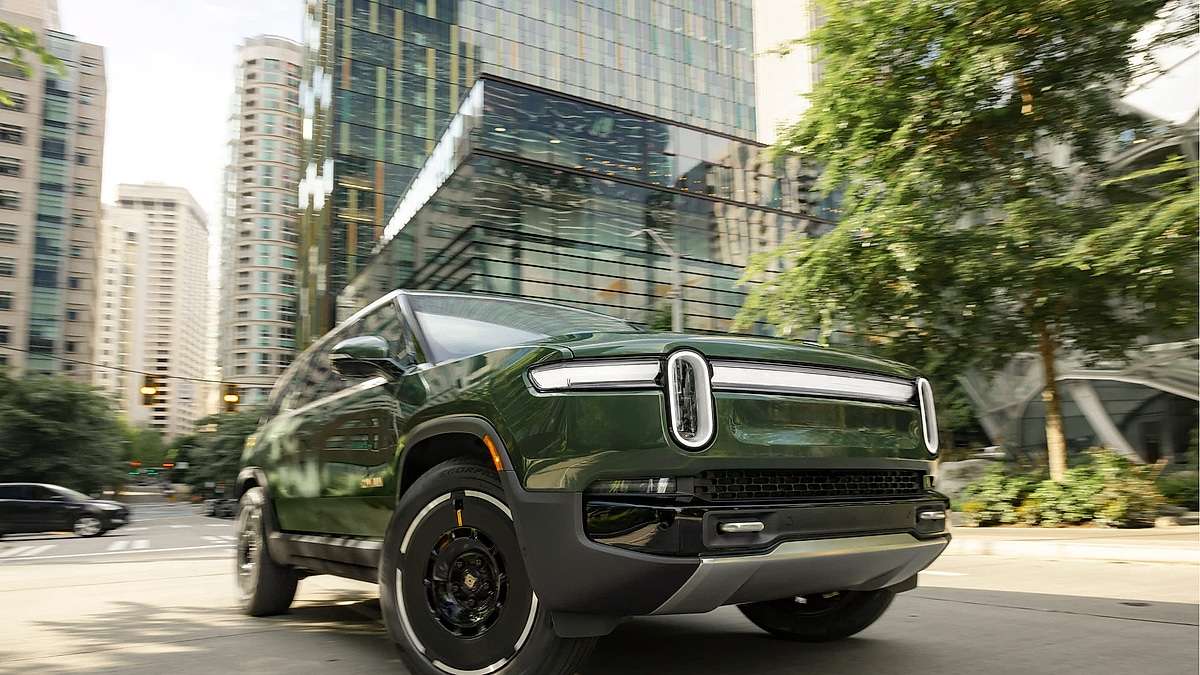

WelderAcademic6334 was cruising down the freeway in his 2026 R1S, kids in the back, sun shining, traffic moving at a healthy 65-70 mph. UHF, Rivian's "Hands Free" highway assist, was engaged. Everything was fine. Then the overpass came.
"The visualizer thought the shadow of the overpass was a car located sideways in the lane," he wrote. "Abruptly flashed a red steering wheel to take over and hard hit the brakes itself. Probably dropped 20mph before I was able to quickly push the gas (to avoid being hit from behind) and take over."
Absolutely nothing on the road. Just a shadow.
This is the state of "autonomous driving" in 2026. A 50-per-month subscription feature that mistakes shade for solid objects and tries to kill you with sudden braking on the interstate. And here's the kicker: WelderAcademic6334 loves his Rivian. "Trust me," he wrote. "I'm sad to make this conclusion because I absolutely love the car."
That's the tragedy here. Rivian built something special with the R1S, then strapped a half-baked computer vision system to it and started charging rent. Many owners have noted that Rivian filled a void in the electric SUV market that other manufacturers simply could not match.
The comments section did not disappoint. Pork_Chompk delivered the line of the day: "Thank you, that'll be 50/month." SDNewcomer1234 piled on: "It's so dumb. They clearly need more people feeding data into their autonomy algorithm rather than fewer. This sounds like a decision made by the same person who decided RAN should offer the most expensive electricity on the planet."
The dirty secret? You're paying whether you subscribe or not. galactica_pegasus explained: "They still train on your driving even if you don't pay. Basically, the system is always recording what its sensors see and what it would have done if UHF were active, compared to what you actually did. You could never pay for Autonomy+ and never use UHF, and you're still training the model."
So you're either paying 50/month to be a beta tester, or you're paying 0 to be an unpaid beta tester. Rivian gets the data either way. It's a strange business model. Some drivers have found that 7 cents per mile in a Rivian R1S is possible with smart charging strategies.
The Tesla veterans in the thread nodded knowingly. "I was an early member of the Tesla FSD beta program in my old Model 3," one wrote. "Phantom braking events like you described plagued that software for well over a year." Another added the obvious: "This was Tesla software a few years ago. Exact same thing. It took the better part of a year to get rid of, but I doubt it takes Rivian that long to 'learn' what those shadows are versus solid objects. You are a beta tester, for sure."
The problem isn't that Rivian is struggling with edge cases. Every autonomy program struggles with edge cases. The problem is they're charging full price for a feature that clearly isn't ready, then using their customers as unpaid training data. At least Tesla's FSD beta was labeled as beta. Recent reports show that Rivian’s free highway assist uses the same AI model as their more expensive paid tiers.
Rivian R1S: Flagship Adventure SUV
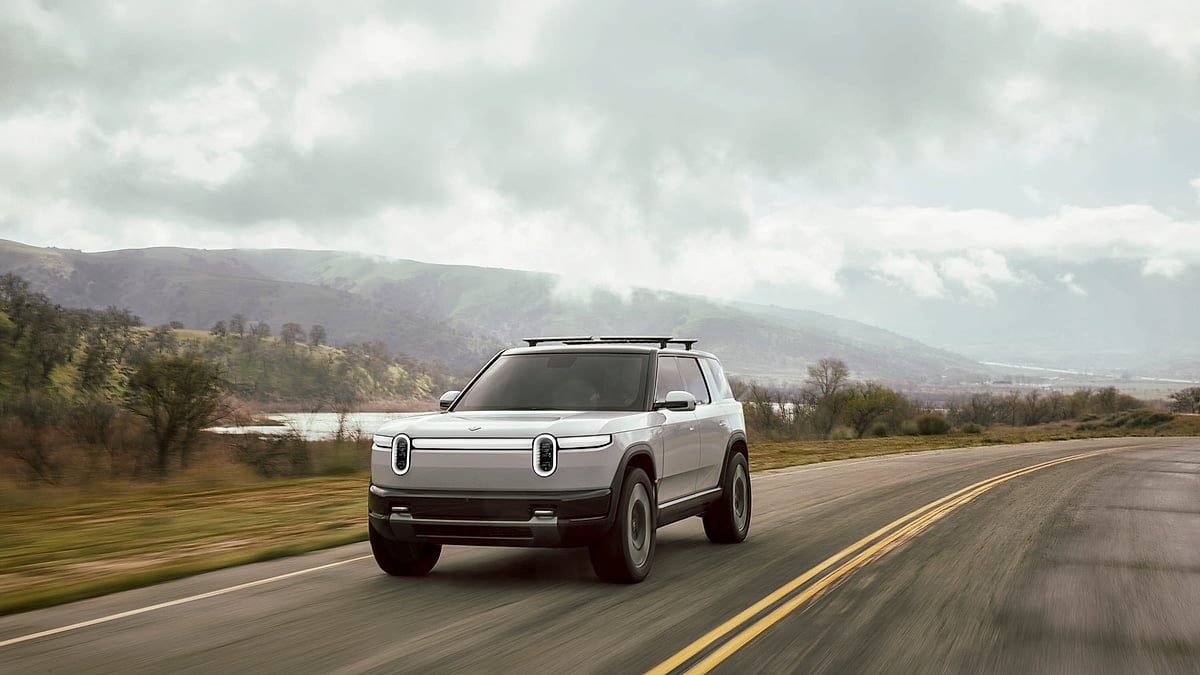
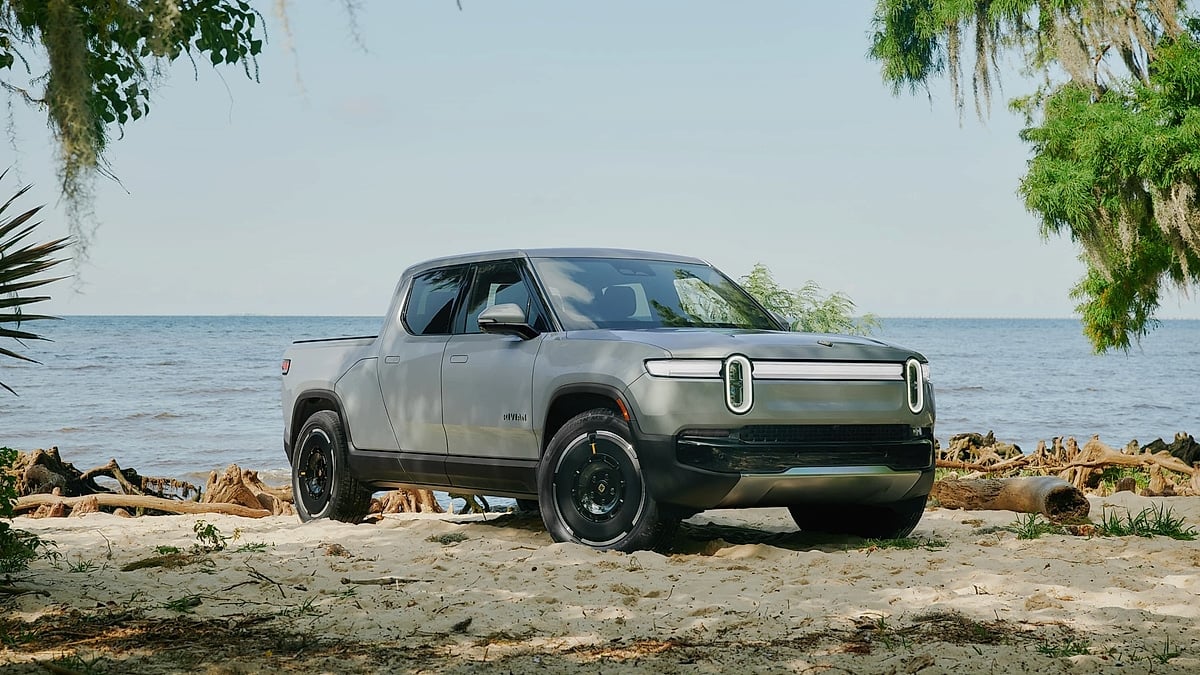
The R1S is Rivian’s full-size electric SUV, designed to combine luxury with serious off-road capability. For 2026, the lineup has been updated with new motor configurations and a shift to the North American Charging Standard (NACS) for native access to the Tesla Supercharger network.
- The SUV offers four drivetrain options, ranging from a 533 hp Dual-Motor to a new 1025 hp Quad-Motor setup. The Quad-Motor variant utilizes independent wheel control to achieve 0 to 60 mph in under three seconds.
- It features an adjustable air suspension system providing up to 15 inches of ground clearance and over 3 feet of water fording depth. New "Rad" tuner modes allow drivers to customize parameters for specific terrains like sand or steep climbs.
- The cabin seats seven passengers across three rows and includes a 10 cubic-foot front trunk. The "Rivian Autonomy Platform" uses 11 cameras and five radars to power advanced driver assistance, while the Gear Guard system monitors the vehicle's exterior via integrated cameras.
Ghotinchips offered the sober comparison: "Honestly, Comma.ai is so far ahead. Gen 1 R1T with the lateral harness vs our Gen 2 R1S with UHF. It's stressful in Gen 2. I much prefer my R1T+Comma."
Comma.ai. A startup run by a guy who tweets too much. Beating Rivian's in-house autonomy stack. For a fraction of the price.
The defenders showed up, of course. Someone pointed out that their Kia's lane centering works fine. Another noted that newer Rivians with lidar will be "a major step up." But that's cold comfort to the guy who just had his truck panic-brake on the freeway because it saw its own shadow. Even with these issues, the Rivian R2 feels smaller than the R1S while maintaining the brand's signature interior space.
WelderAcademic6334's conclusion cuts to the heart of it: "Can't see how this is approved by regulators for mass public use in this state. Clearly a beta product that needs troubleshooting in a closed course."
He's right. This stuff belongs on test tracks, not public highways with families in the back seat. But here we are, in the era of "move fast and break things" applied to three-ton vehicles traveling at 70 mph.
The question isn't whether Rivian will fix the shadow problem. They will. Eventually. The question is how many near-misses, or worse, happen between now and then, and why we're paying subscription fees to find out.
About The Author
Noah Washington is an automotive journalist based in Atlanta, Georgia, covering sports cars, luxury vehicles, and performance culture. His reporting focuses on explaining the engineering, design philosophy, and real-world ownership experience behind modern vehicles.
Noah has been immersed in the automotive world since his early teens, attending industry events and following the enthusiast communities that shape how cars are built and driven today. His work blends industry insight with enthusiastic storytelling, helping readers understand not just what a car is, but why it matters.
Noah is also a member of the Southeast Automotive Media Association (SAMA), a professional organization for automotive journalists and industry media in the Southeast.
His coverage regularly explores sports cars, luxury vehicles, and performance-driven segments of the automotive industry, including the evolving culture surrounding Formula Drift and enthusiast builds.
Read more of Noah's work on his author profile page.
You can also follow Noah here:
Set Torque News as Preferred Source on Google
Follow us today...