
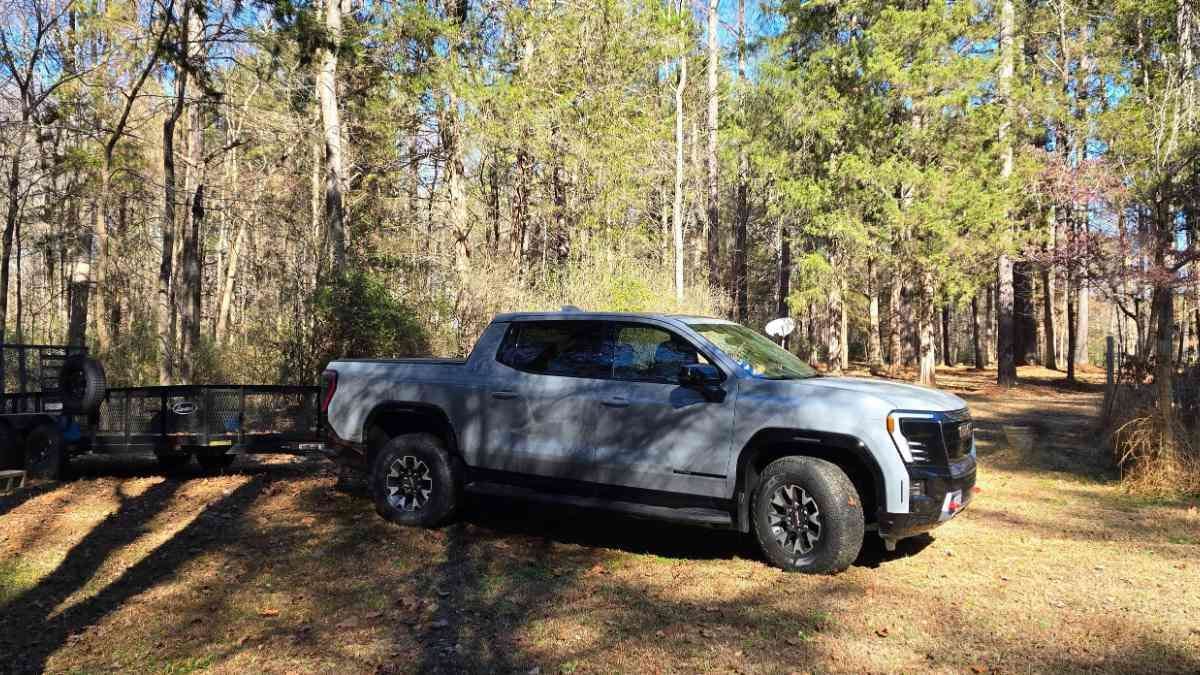

The modern electric pickup has taken on the same cultural weight that heavy iron once carried in earlier decades. It represents ambition, technology, and a belief that any truck worthy of the name should tow, haul, and get its boots dirty. Yet when theory meets reality, especially with a trailer hooked to the back, the numbers can swing in ways that even seasoned truck owners do not expect.
That is what one GMC Sierra EV driver discovered during his first tow, and his report reads like a road test conducted in the wild, with all the honesty you expect when someone is using their truck for work rather than demonstration.
“I towed for the first time today. I pulled my double axel 16' Leonard utility trailer. I had about six hundred pounds of salt and drywall, one way. I started with an 80% charge with a 355-mile range (Max battery). As soon as I switched into trailer mode, it dropped to 205.
I drove a total of 18 miles round-trip. While it was connected to the trailer, it shows I used 25 miles of range, 7 over the actual 18 that I drove. After unplugging and getting out of trailer mode, I was left with 314. So it's estimating I used 41 miles of range for 18 miles of towing.
If my estimations are right, if I wanted to go to my other place, 170 miles away, I would use about 387 of the estimated 355 at an 80% charge. (170/18)*41. I'd probably have to pay for a full charge at least twice and then one partial for the round trip.
That said, my math could be off. I know others are getting a better range with their Max battery as well.
Advertising
Looks good towing though. Towing was pretty smooth. I didn't like how I had my trailer on the hill. It was making sliding under the hitch awkward with the electric motor and that heavy rear sinking into the dirt. Trying to inch back was a little sketchy, but it was fine.
I'll have to see what a full road trip looks like. Right now, I'm thinking I need to plan for a charge every hundred miles. Not ideal since I've only been able to get a max of 180kw at superchargers I've been to.”
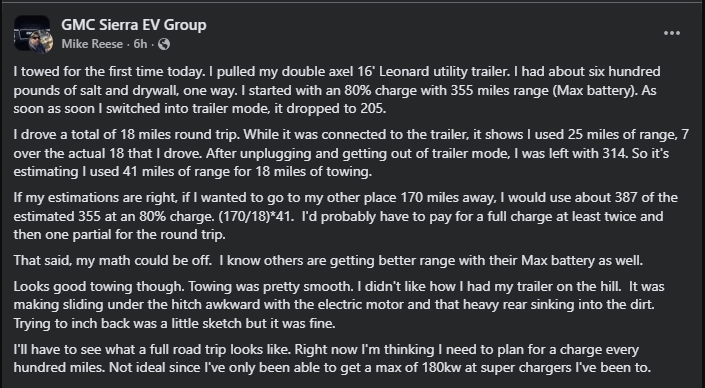
Trailer Mode is designed to prepare the truck for the realities of added weight and drag, and the Sierra EV responded aggressively by cutting its estimated range before the trip even began. To anyone accustomed to gas or diesel pickups, the sudden drop from 355 miles to 205 can feel like the truck has decided to rewrite its capabilities mid-sentence. Other owners in the same group, such as Arthur Fox, reminded the driver that the displayed range is an estimate and not a guarantee. Fox advised planning ahead once the remaining miles fall near 100, noting that road charging can vary widely in speed and availability. His comments reflected a seasoned understanding of how weather and auxiliary load influence energy use.
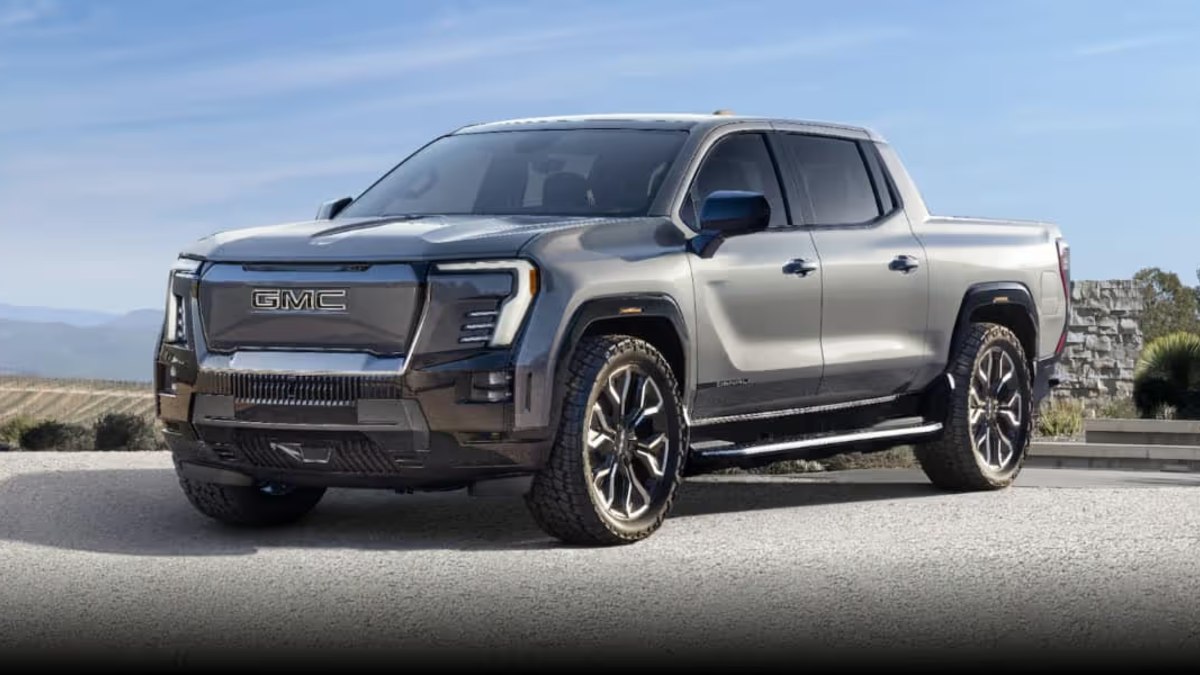
The encouraging counterpoint came from owners with thousands of towing miles under their belts. One of them, Seth Schmautz, emphasized that the truck’s State of Charge is more reliable than miles remaining when planning long trips. According to him, a 170-mile drive with the Sierra EV should be possible without a mid-trip charge if the driver moderates speed and keeps an eye on the right metrics. His view reinforced an important idea. Electric range is a dynamic number shaped by terrain, driving style, trailer profile, and temperature, and it is the most conservative estimates that tend to produce trouble-free travel.
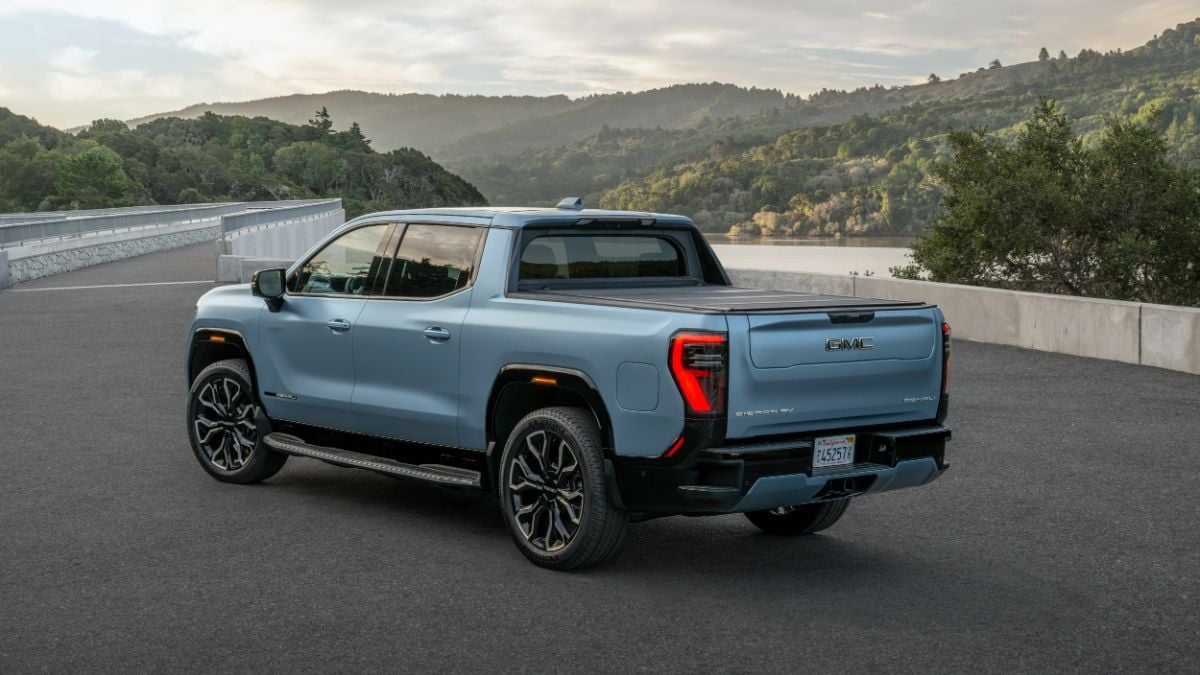
Speed became another thread in the discussion. Joshua Bukoffsky asked how fast the truck was traveling, suggesting that a full charge could yield at least 250 miles at 70 miles per hour or below with a fairly clean utility trailer. Aerodynamic drag remains the great equalizer, whether the powertrain burns gasoline or uses electrons. The faster the tow vehicle moves, the more energy it must spend pushing the trailer through the air. A moderate trailer with a balanced load can tow quite efficiently if the driver resists the urge to cruise near highway limits.
What stood out most from the report was not the range estimate but the experience of maneuvering on uneven ground. The electric motor’s immediacy can make delicate corrections more challenging, especially when the rear wheels settle into soft soil. Traditional combustion trucks idle in a deliberate way that allows small adjustments while hitching. Electric pickups deliver torque the moment the pedal moves. This characteristic is neither good nor bad, only different, and it requires drivers to adapt their technique when positioning a trailer on a slope or soft surface.
The broader lesson here is that towing with an electric pickup blends capability with careful planning. The Sierra EV handled the weight smoothly, according to the owner, and several commenters praised its stability and pulling character. The variable is not the truck’s strength but the infrastructure surrounding it, along with the fine print of physics that every tow rig obeys. Long towing trips demand an understanding of how fast chargers are spaced, how consistently they deliver the advertised power, and how conditions affect consumption mile by mile.
For the moment, the owner concluded that planning for a charge every hundred miles would be safest until he gathers more data. That is a conservative approach born from a first encounter with real-world towing and the natural desire to avoid surprises when a trailer is hitched up. As more Sierra EV owners share their experience and refine their methods, the numbers will become predictable. What remains constant is the satisfaction of testing a truck under genuine working conditions and learning its temperament the way drivers always have.
Image Sources: GMC Media Center
Noah Washington is an automotive journalist based in Atlanta, Georgia. He enjoys covering the latest news in the automotive industry and conducting reviews on the latest cars. He has been in the automotive industry since 15 years old and has been featured in prominent automotive news sites. You can reach him on X and LinkedIn for tips and to follow his automotive coverage.
Set Torque News as Preferred Source on Google
Follow us today...




Comments
you got to be where about…
Permalink
you got to be where about them trying to force cars that nobody wants on society realize GM is shuttering their electric vehicle plant and Detroit just because the results are not satisfactory compared to gas and Diesel
things you need to know about EV cars
first of all your garage charger is a stage 1 and within a 24-hour period may or may not fully charge your vehicle cleaning upon how many kilowatts of batteries it has big trucks like that have at least 130 KW small little cars battery systems there is so much involved almost like a college degree or having to have a Bible study with the church of electric vehicles just to be able to understand all of what happens
charging at a retail public charging port can cost as much as the gas prices out of their greed and excuse saying that they have to pay for the extreme amount of money it takes to build these charging stations.
as a driver in the North Carolina area I have discovered the need to download nine or more apps probably up to 20 different apps then upon where you go from Circle K to rivian to evgo electrify America charge point EV connect or just some of the apps that you got to download if you want any attempts to get a discount on the charging rates
one good charging entity is electrified America they tend to be more expensive but they allow you to upload money to a digital debit card as low as $10 increments there is no holding on your account and that's another nightmare you have to deal with...
these charging stations are currently being sued for not openly displaying what they're holding amount is that's when they hold between 5 to 75 dollars off your credit card or checking account to make sure that they get paid for what you charge while the average charging price is between $15 and $30 they don't tell you this and every time that you link up there could even be a session fee from one to five dollars if you don't have the app and join one of their club memberships so every time that you charge your car you could be getting held $50 like at the Circle K that won't clear until the next Bank business day so if you're charging during the weekend and you've charged six times there's going to be a $300 hold possible through a holiday and if you don't have at least $50 you can't charge your car if you want to be able to charge for free you have to use the stage 2 charger which is called a j7 something in which there's also three different styles of plugs there is a chad and a Tesla and a CCS plug that you will have to find out which one you use and filter the apps to find locations where heard these compatible plugs are or you can go on Amazon to spend about $200 for a one-way conversion adapter meaning it only converts from ccs to Tesla you have to buy separate one and convert from Tesla to ccs in order to be able to use the different markets it's basically like iPhone Android and then Chad plugs would be like the Nokia's if you compare things to phone charger plugs
so now you have the anxiety of range doing all this math you lose range up to 40 miles just to put the heater on in the winter to put the air conditioner on in the summer and some of these cars try to compensate by heating the steering wheels and giving you heated seats but good luck to the people in the back seat because there's no combustible engine heat radiating from the hood there's just this little electric motor sitting in the front hood or in the back if you have a Tesla and it's a neat concept it's a utopic concept you could do commuting in these cars and it's nice to be able to have these locations direct link to solar panels nearby or something clean energy but it's not practical and you need to really beware about rental car companies that are acquiring these cars this Thanksgiving 2025 so many people were at the charging stations not understanding the type of car they have or the style plug that they have or where to find it running out of mileage range only to find out they have to sit there for 2 hours at random times at night which is the safety issue and it's just very uppity upper class type of mentality that low-key discriminates against lower income people if you don't have the holding fee to recharge the car in the first place however it is pretty cool not having to do oil changes only have to worry about tires windshield wipers washer fluid and that's pretty cool to not have to worry about a transmission going out but you do have to worry about the electric motors burning out if you drive them at high speeds for long distances something they don't tell you about and if you keep charging your car on fast chargers you'll wear the battery out quicker you'll go from 300 to 250 mi range in some cars nobody wants to buy used battery no more than anybody wants to buy used battery car hope this helps y'all
Charging every 100 miles is…
Permalink
Charging every 100 miles is fine, as long as no one's in a hurry. But that's not going to sell any vehicles, is it?
Gasoline trucks lose half…
Permalink
Gasoline trucks lose half their actual range when towing as well but when you start from 600 miles and it drops to 300 miles and it refills in 5 minutes almost anywhere its not so painful.
What did he expect? EV…
Permalink
What did he expect? EV pickup trucks have been tested throughly for towing and it's always the same. Your range generally gets cut in half. That's the fact "Jack"!
I drive an F-150 Lightning…
Permalink
I drive an F-150 Lightning. I am able to get the truck to move steadily at 0.1 mph. That makes it much easier to make complex maneuvers. Try to get a gas/diesel anything to move consistently at anything below the converter stall. E-vehicles can also be set to creep.
I totally agree with this…
Permalink
I totally agree with this article. BUT, I think it should also include that pulling trailers with ICE engines also have a negative impact on gas mileage. My truck gets 20 MPG without the trailer. When I pull my boat or my camper, I average 8 to 10 MPG.
Saying this to establish that yes, due to the fact there are not as many EV chargers as there are gas stations, you definitely have to plan. Also, people need to understand that EV vehicles have the same characteristics as ICE vehicles. Don't be scared to buy one. You get used to it very quickly.
Yeah that is why I use a…
Permalink
In reply to I totally agree with this… by Randy (not verified)
Yeah that is why I use a diesel to haul anything. I still get 18 mpg towing a 26ft Dutchman trailer but I would also get 25-26mpg due to its tuning just driving 60mph in that same area.
I told you Liberals were…
Permalink
I told you Liberals were lying with their green agenda.
There will never be nationwide infrastructure for EVs.
Ask them about the child slavery involved in mining Cobalt.
They never tell you about that.
Aging wheels on YouTube did…
Permalink
Aging wheels on YouTube did a great video on this. It's All about the wind resistance, EVs dgaf about the weight as long as you rely on regin for stopping.
It's physics, towing with an…
Permalink
It's physics, towing with an EV truck is not going override the physic of horsepower vs energy needed.
Using the Google built-in…
Permalink
Using the Google built-in mapping feature to plan out your trip can be very valuable. It allows you to plan your stops based on your projected needs for food, rest rooms and breaks. It gives suggestions on how much to charge at each stop and updates as you travel and over or under charge at the stops as you progress. Saves time and relieves the driver from worrying over where to stop and how much to charge the battery.
That's why u don't by EV…
Permalink
That's why u don't by EV They not for anything but for going from one place to another without any trailers or load. GOLF cart is better and cheaper
Is that not why someone buys…
Permalink
In reply to That's why u don't by EV… by Joe Ginser (not verified)
Is that not why someone buys a car? To get from one place to another?
I wrote the review. It lacks…
Permalink
I wrote the review. It lacks some context. The reason I said I would have to charge every hundred miles is because of the lack of fast chargers on the last half of my 170 trip. I could probably get to my other place charging just once or not charging at all but then I would have an issue getting back to the first supercharger conveniently.