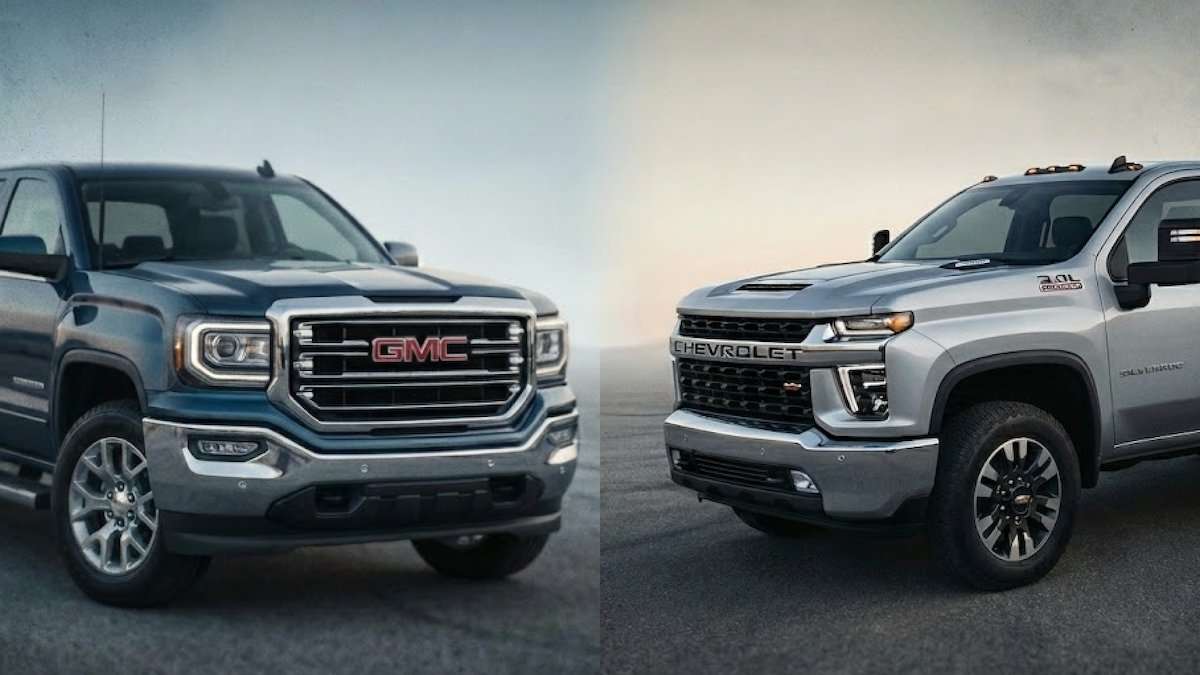

Key Takeaways:
- The Trade-Off: Why fleeing the 6.2L V8 "bearing nightmare" might land you in a different kind of maintenance trap.
- Dipstick Duty: GM says burning oil is "normal," but master technicians warn that ignoring it is a fatal mistake.
You traded the 6.2L V8 to avoid disaster, but the 3.0L Duramax has a dark secret: it might be drinking oil faster than you think, and GM says it's perfectly normal.
In my last report, I suggested the 3.0L diesel as a reliable alternative to the troubled 6.2L V8. But a growing number of Chevrolet and GMC Duramax owners are reporting alarming oil consumption. Is this normal diesel operation, or the next big GM defect?
Last week, I exposed the chaos surrounding General Motors' 6.2L V8 (L87) engine, a debacle involving spun bearings, stop-sale orders, and a controversial "thicker oil" fix that many owners view as a temporary patch on a $75,000 truck.
In that report, my concluding advice, shared by many automotive experts, was blunt: If you need a Silverado or Sierra right now, skip the 6.2L gas engine and opt for the 3.0L Duramax inline-six diesel. It offers stellar torque, incredible fuel economy, and, theoretically, better durability.
Thousands of buyers have done just that, fleeing the uncertainty of the gasoline V8 for the perceived safety of the diesel. But the grass might not be entirely green on the other side.
As I documented earlier, a new, quieter anxiety is spreading through Silverado and Sierra truck forums. It’s not about catastrophic, immediate engine seizures like the V8. Instead, it’s the slow, steady disappearance of engine oil in the 3.0L Duramax, leaving owners wondering if they've traded a ticking time bomb for a slow leak.
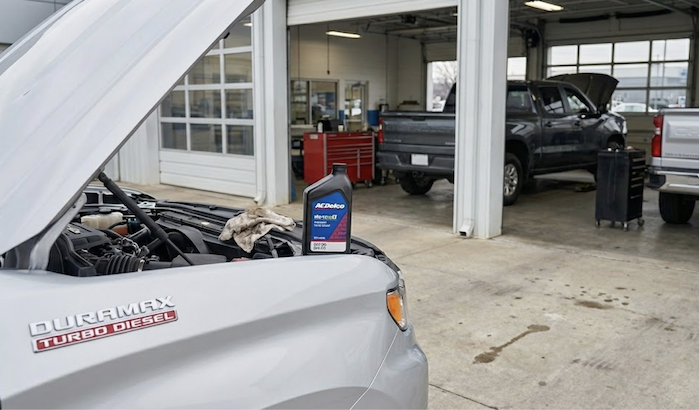
The "Disappearing Quart" Mystery
If you’ve driven modern gasoline trucks for the last decade, you likely operate on a "set it and forget it" mentality regarding oil. You change it when the dashboard tells you to. But new 3.0L Duramax converts are finding out the hard way that this mentality doesn't apply here.
In a recent report, I highlighted the story of an owner who switched from the V8 to the diesel, only to regret it immediately. In "I Just Went From a 2024 Chevy Silverado 5.3L to a 2025 3.0L Duramax, and Now I Wish I Had Stayed With the 5.3L," the owner details how the driving characteristics and maintenance realities of the diesel, specifically the unexpected consumption and lack of high-end punch, left them wishing for their old gas engine back.
"I traded my '24 6.2L because the recall terrified me," writes one member on the DuramaxDiesels forum. "Now I have a '25 LZ0 Duramax with 4,500 miles on it, and the low oil light just came on. It was down almost a quart and a half. My dealer says this is ‘normal break-in.’ On a modern engine? Really?"
GM Redefines "Normal"
The friction point here isn't necessarily that the engines are failing; it's the massive gap between buyer expectations and GM’s engineering standards.
When owners take their thirsty Duramax trucks to the dealer, they often face a frustrating reality check. GM’s acceptable tolerance for oil consumption on these diesel engines is shockingly high compared to what the average consumer expects.
While GM does not publish a hard "miles per quart" standard for the public across all models, service departments often reference guidelines stating that consuming up to one quart of oil per 100 gallons of fuel used is considered an acceptable operating range for heavy-duty usage.
Let's do the math.
If your Duramax averages 24 mpg, you burn 100 gallons of fuel in 2,400 miles. GM is essentially saying that adding a quart of oil every 2,400 miles is not a defect requiring warranty repair.
Wait, There's More
This issue is further complicated by the inconsistent performance owners are seeing in the real world. While some are achieving the promised efficiency gains, others are struggling to meet EPA estimates, which only adds to the frustration over high oil consumption.
As noted in another of my reports, an owner says, "I Got the 2025 Chevy Silverado ZR2 3.0L Baby Max, I'm Not Sure How You Are All Getting These Big MPG Numbers," some owners are seeing highway mileage in the low 20s rather than the advertised 30s, making the "efficiency trade-off" even harder to swallow.
I spoke with two separate master diesel technicians (who requested anonymity to protect their jobs at GM dealerships) to understand the mechanics of the 3.0L consumption debate.
"Comparing the 6.2L gas issue to the 3.0L diesel issue is apples and oranges," said one technician based in the Midwest. The 6.2L has a metallurgical failure. It's catastrophic. We've seen brand-new Yukons fail around 30,000 miles. In the case I reported, an owner says, “I Bought My 2022 GMC Yukon Denali New, and 31K Miles In It’s at the Dealer Waiting For a New Engine, Thank Goodness For a Warranty.”
The 3.0L consumption, by contrast, is usually related to the PCV system design and turbo seal blow-by. It's not a death sentence, but it is a maintenance headache."
The Verdict:
In my previous report, I called the 3.0L Duramax the "safer bet." I stand by that, but with a significant adjustment to the fine print.
The 6.2L V8's current bearing issue is a roll of the dice that can leave you stranded. The 3.0L Duramax's issue is a maintenance requirement that demands vigilance.
If you buy the 3.0L Duramax, you must adopt an "old school" maintenance mentality:
- Check the dipstick every 1,000 miles: Do not rely on the dashboard light.
- Carry spare oil: Keep a quart of the correct AC Delco dexosD 0W-20 in the truck.
- Document everything: If your truck is consuming more than a quart every 2,000 miles, force the dealer to document it.
In The End
The 3.0L Duramax is a brilliant engine when it runs right. But as the stories from owner forums highlight, it is not a low-maintenance appliance. If you aren't willing to actively monitor your engine's health, GM’s current half-ton truck lineup demands you pick your poison: the potential sudden death of the 6.2L V8, or the high-maintenance thirst of the 3.0L diesel.
NEXT UP: The "Grass Isn't Greener"
Think switching brands will save you from engine headaches? Think again. While GM owners battle oil consumption, Ford F-150 owners are fighting their own war with the 5.0L V8.
In this report, I cover the story of a 2019 F-150 owner who says his truck is an "underpowered, oil-burning" nightmare that has left him owing more than the truck is worth. Before you trade your Silverado for a Blue Oval, read why the 10-speed transmission and "oil thirsty" Coyote V8 might just be a different kind of trap.
With over 30 years of industry experience, Denis Flierl brings an insider’s perspective to Torque News, where he has been a Senior Reporter since 2012. Before picking up the pen, Denis consulted for the automotive industry's biggest brands and honed his skills as a test driver. He cuts through the noise to deliver the latest auto news, compelling owner stories, and the expert analysis necessary to navigate today's automotive landscape.
Have a tip or question? Follow me on X @DenisFlierl and @WorldsCoolestRides, or connect with me on Facebook, Instagram, and LinkedIn.
Photo credit: Denis Flierl
Set Torque News as Preferred Source on Google
Follow us today...