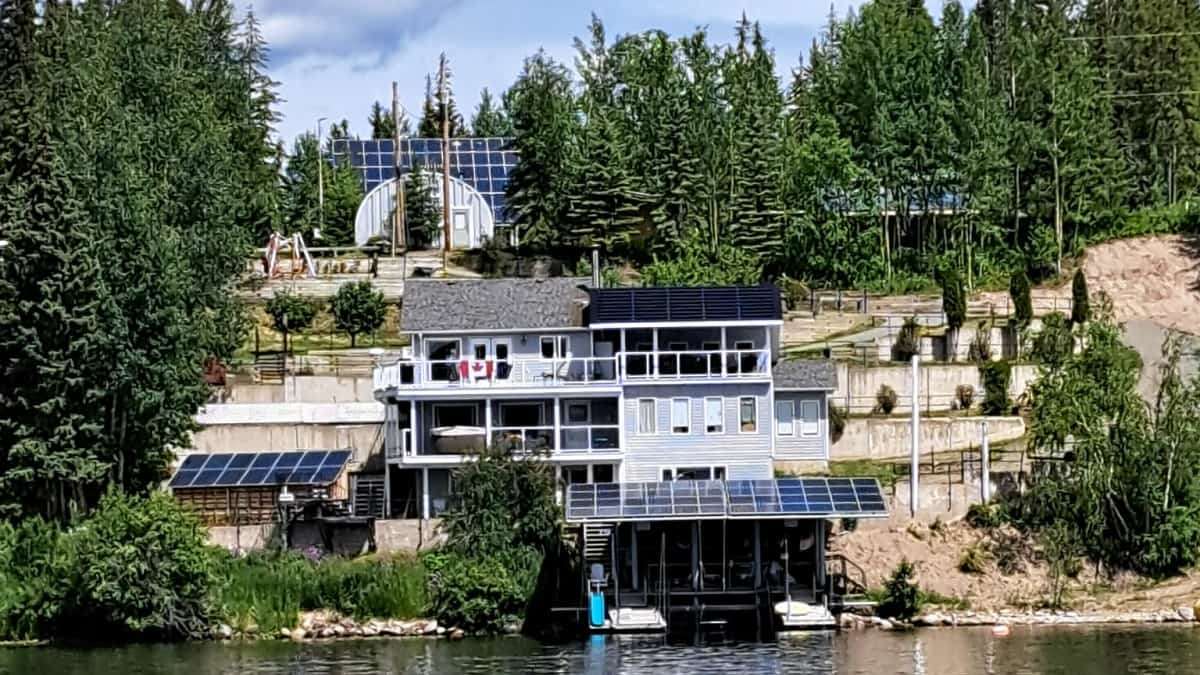

Solar integrated EV charging is a practical way to fuel a vehicle with clean and inexpensive energy. The process depends on having the right charger, enough sunlight, and a realistic understanding of how much power solar panels can deliver. Although full charging from empty takes longer when using sunshine alone, many drivers can cover their daily miles entirely from home generated energy, which creates a satisfying loop of independence and sustainability.
Comments about producing your own electricity to charge EVs can be seen across social media car communities. Here’s a recent comment from the Facebook GMC Sierra EV Group, where Sam Jackson the OP showed pictures of his EV solar charging setup and posted:
“I wonder how many people are charging their trucks for free?”
Kevan Kobasiuk responded with:
“It's better than free. I have 18kW on the shop and a time-of-day meter. I get a 1 for 1 kWh credit for power that I put on the grid, and when I use the power from 11pm to 7am BC Hydro gives me my power back and pays me $0.05 per KWh. With 2 EVs and an 85-mile commute round trip, I make around $120 a month.”
Ryan Nobrega added:
“This is the way! Netzero house here. My solar system was paid off after 5 years. Now we have nothing but $0 bills for heat, cool, electric for as long as I stay here!”
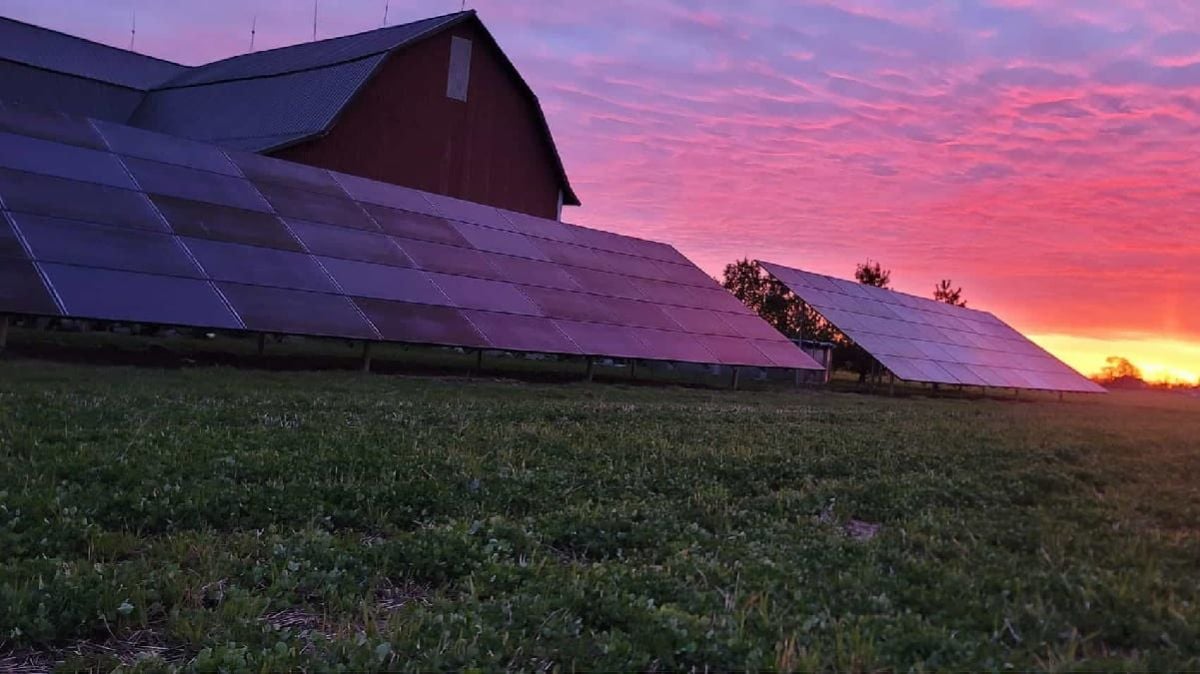
Understanding Solar Integrated EV Charging
The first thing to understand is that charging an electric vehicle with solar power requires a home charger that can work with renewable energy. Many prospective EV owners already have solar panels or are considering them, which makes this type of setup especially appealing. A solar compatible charger acts as the bridge between your home generated energy and your vehicle.
How Solar Compatible Chargers Work
A charger designed for solar integration does not physically connect to the solar panels. Instead, it uses a sensor that measures how much power your solar system is producing in real time. The charger then matches the energy that is coming from the panels with the energy it sends to the car. Some models, such as the evios one unit, include a pure green mode that only uses power created by the panels. This mode is ideal for drivers who want to charge slowly and as cheaply as possible using clean energy.
Minimum Power Requirements for Charging
Electric vehicles need a minimum amount of continuous power before they will accept a charge. In most cases this threshold is about 1.6 kilowatts. If the solar panels are producing less than that, the vehicle will not begin charging. When sunlight is weak or inconsistent, the charger allows you to switch to different modes so you can draw power from the grid instead of relying only on the sun.
Using Backup Charging Modes
On cloudy days or in places with unreliable sunlight, the charger can switch to a setting that pulls power from whichever source is fastest, often the mains. A boost setting on the unit or in the app can override solar only charging whenever you need a quicker fill. These options ensure you are never stuck waiting if the sun is not cooperating.
How Long Solar Charging Takes
Charging time depends heavily on the size of the solar array, the size of the vehicle battery, and the weather. For example, a home with a four-kilowatt solar array charging a car with a forty five kilowatt hour battery would need close to twelve hours of direct sunlight to go from empty to full. Most locations do not get that many hours of perfect sun, so a full solar charge usually takes a couple of days. Daily driving, however, can often be supported entirely by solar energy because the battery only needs to be topped up, not filled from empty.
One to One Solar Reimbursement
“One to one” solar reimbursement is a policy where your utility company gives you full credit for every kilowatt hour your panels send back to the grid, which lets your daytime excess power offset what you use at night. It creates a fair and predictable system, although its availability varies widely from state to state. Some states offer strong one to one programs, while others have reduced or eliminated them. This inconsistency often traces back to pressure from fossil fuel interests that work with state legislatures to limit the growth of rooftop solar. To minimize the threat to fossil fuel consumption, these groups use the bogus argument that one to one solar reimbursement programs enable customers to avoid paying their share of grid costs, which leads to policies that reduce credit rates. Homeowners who want solar friendly policies usually need to follow their state’s legislative decisions closely because the rules can change fast.
The GMC Sierra EV
The GMC Sierra EV is one of the newest electric trucks on the road, officially launching its first edition in early 2024 with retail trims following in 2025. It stands out because it blends familiar full size truck capability with modern electric performance, giving drivers strong towing power, a smooth ride, and impressive acceleration. The truck shines through features like a large battery pack, long driving range, generous storage space, and the MultiPro Midgate that expands cargo room in a way few EVs offer. It feels like a traditional GMC truck that just happens to run on clean, quiet electricity, which makes it an appealing step into the electric world for drivers who want capability without giving up the comfort and utility they already know.
What Do You Think?
Do you think home solar charging will become common for EV owners, or do you see it staying niche for a while?
If your utility offered one to one solar reimbursement, would that change your opinion about installing rooftop solar?
Chris Johnston is the author of SAE’s comprehensive book on electric vehicles, "The Arrival of The Electric Car." His coverage on Torque News focuses on electric vehicles. Chris has decades of product management experience in telematics, mobile computing, and wireless communications. Chris has a B.S. in electrical engineering from Purdue University and an MBA. He lives in Seattle. When not working, Chris enjoys restoring classic wooden boats, open water swimming, cycling and flying (as a private pilot). You can connect with Chris on LinkedIn and follow his work on X at ChrisJohnstonEV.
Photo credit: Lewis Army (with permission) and Kevan Kobasiuk (with permission)
Set Torque News as Preferred Source on Google
Follow us today...