
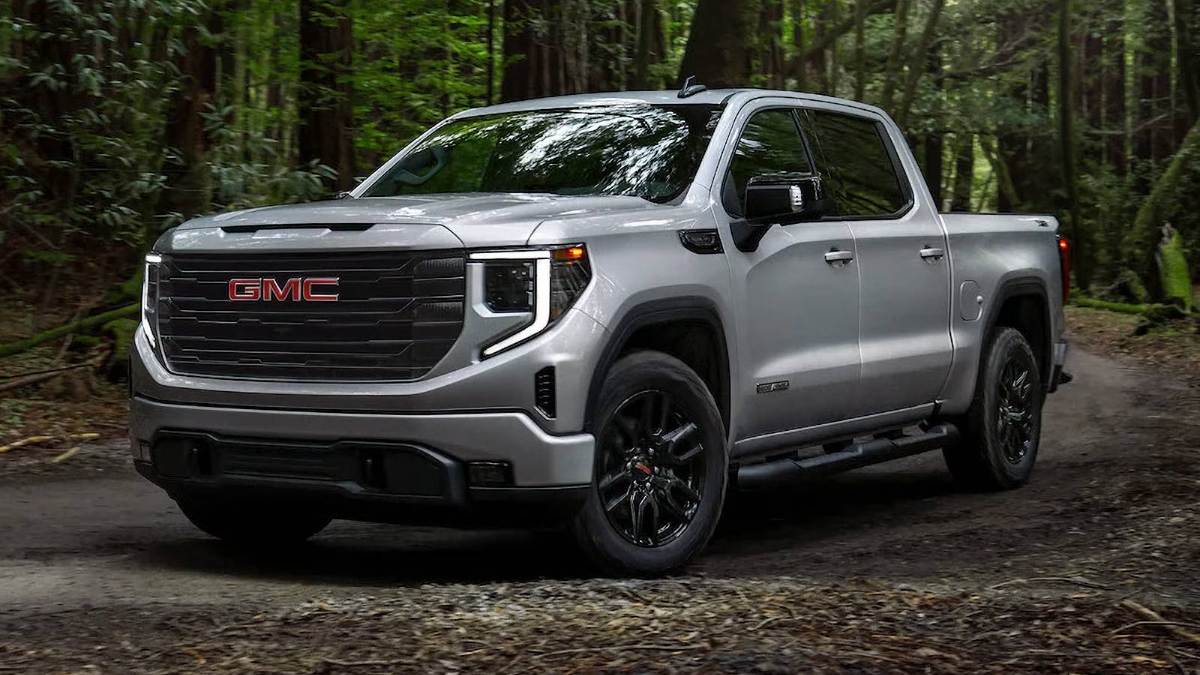
Few scenarios are as devastating as discovering that the vehicle you've been driving for months is actually stolen property, complete with falsified identification documents and tampered VIN numbers. This nightmare became reality for one GMC Sierra Denali owner who thought he had purchased his dream truck from a legitimate dealership, only to discover seven months later that he had unknowingly become part of an elaborate vehicle fraud scheme with connections to organized crime.
The owner, known as Important-Fee3482 on Reddit, shared his shocking discovery with the GMC Sierra community, revealing how a routine title issue escalated into a criminal investigation involving stolen vehicles, VIN cloning, and potential criminal connections.
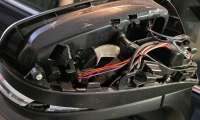
“Well, Illinois denied my title, and the dealership needed to inspect it and find out why. So they came and picked it up, and the sheriff also had to inspect it, and when he typed the VIN number in, two popped up, one in Texas, mine, and mine was the stolen one. All of the VIN tags and decals have been put back on by someone else, not the manufacturer, and I also never had nav/OnStar, and they opened up the head unit, and the entire module is gone. The truck was stolen back in November 24 and was sold to me in February 25.”
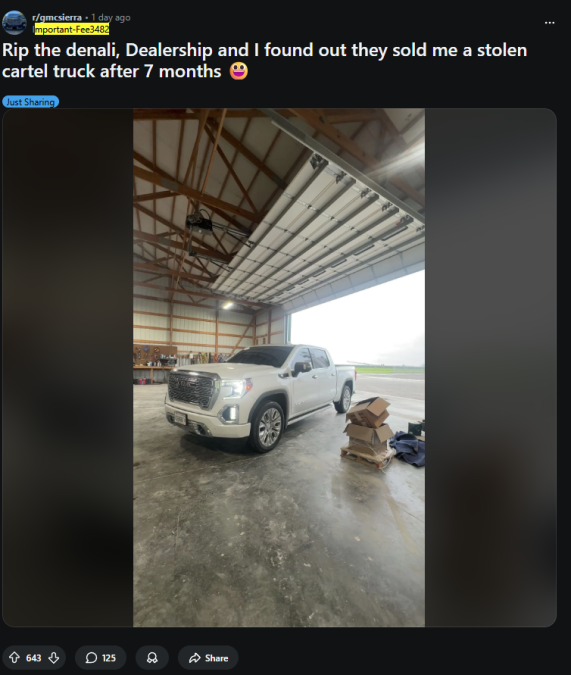
The timeline revealed in this case is particularly troubling. The truck was stolen in November 2024 and sold to an unsuspecting buyer just three months later in February 2025, suggesting a well-organized operation capable of quickly processing stolen vehicles through fraudulent channels. The discovery that all VIN tags and decals had been professionally replaced, along with the removal of the OnStar module, indicates sophisticated knowledge of automotive security systems and identification methods.
The Mechanics of VIN Cloning
The practice of VIN cloning represents one of the most insidious forms of automotive fraud, combining identity theft with sophisticated technical knowledge to create seemingly legitimate vehicles from stolen property. AnonymooseRedditor's explanation of the process reveals how criminals exploit gaps in the vehicle identification system to create false legitimacy for stolen vehicles.
"Re Vinning" is a thing... dealer didn't do the due diligence when they bought it. Usually, they find a VIN of the same model in another state or province. Sometimes that other vehicle is written off. Etc.
This process typically involves criminals identifying legitimate vehicles of the same make, model, year, and color as their stolen inventory, then harvesting or replicating the VIN information to create false documentation.
The practice has become increasingly sophisticated, with criminals able to produce convincing replicas of manufacturer VIN plates, door stickers, and other identification markers that can fool casual inspection. The interstate nature of these operations makes detection particularly challenging, as law enforcement agencies in different jurisdictions may not immediately recognize patterns of fraudulent activity.
The comment about dealers failing to perform adequate due diligence highlights a critical weakness in the automotive sales chain. While individual consumers might lack the resources to thoroughly investigate a vehicle's history, licensed dealers have access to professional databases and verification systems that should identify suspicious vehicles before they reach the sales lot. The failure to use these resources effectively creates opportunities for criminals to legitimize stolen property through established business channels.
Industry Response and Accountability
The reaction from the automotive community to this case reveals both sympathy for the victim and concern about the broader implications for vehicle security. jhead04's question about how dealers acquire stolen vehicles touches on fundamental issues of accountability within the automotive sales industry.
How did the dealer come into possession of a stolen truck AND title?
Dealers often acquire inventory through auctions, trade-ins, and wholesale purchases, creating multiple opportunities for stolen vehicles to enter the legitimate marketplace. The sophistication of modern VIN cloning operations means that even experienced dealers may struggle to identify fraudulent vehicles without comprehensive verification procedures.
The follow-up response acknowledging the sketchy nature of these operations while expressing sympathy for the victim reflects the community's understanding that individual buyers are often the ultimate victims of systemic failures in vehicle verification processes.
I don't doubt you, but from a layman's perspective, that sounds sketchy and prone to failure at some point. Sorry about your trouble, OP. I hope they go out of their way to make it right for you.
This perspective captures the frustration many consumers feel when confronted with the reality of automotive fraud. The expectation that legitimate businesses should protect customers from such schemes is reasonable, yet the complexity of modern vehicle distribution networks creates numerous opportunities for criminal exploitation.
Dealer Due Diligence Failures
- Licensed dealers have access to professional databases and verification systems that should identify suspicious vehicles before sale.
- Vehicle auctions represent potential entry points for stolen vehicles into the legitimate marketplace without adequate screening.
- Dealers may accept fraudulent titles and documentation without sufficient verification of authenticity and chain of custody.
- Current verification systems may not effectively cross-reference VIN information across multiple jurisdictions or identify sophisticated cloning operations.
Resolution and Industry Implications
The resolution of this particular case demonstrates both the potential for victim compensation and the broader challenges facing the automotive industry in addressing vehicle fraud. The dealership's offer to refund the purchase price represents an acknowledgment of responsibility, though the victim's decision not to return to that dealer reflects lasting damage to trust and reputation.
So, as an update: Dealership will give me everything back I paid, unless I decide to get another truck from that dealer, then they would put all of that towards the new truck, but I will not be going back to them. The truck won't be crushed or scraped because it'd be a total loss to insurance, that's what they told me. Currently waiting on the investigator for next steps.
The fact that the vehicle will not be destroyed but instead handled as an insurance total loss raises questions about how recovered stolen vehicles are processed and whether adequate measures exist to prevent their re-entry into fraudulent schemes. The ongoing investigation suggests that this case may be part of a larger criminal enterprise requiring a coordinated law enforcement response.
The broader implications of this case extend beyond individual victim compensation to encompass systemic issues within the automotive industry. The ease with which sophisticated criminals can exploit gaps in verification systems and dealer due diligence processes suggests that current safeguards are inadequate to protect consumers from increasingly sophisticated fraud schemes.
The connection to organized crime, as suggested by the reference to "cartel truck," indicates that vehicle theft and fraud operations may be part of larger criminal enterprises with substantial resources and sophisticated operational capabilities. This reality requires coordinated responses from law enforcement, industry organizations, and regulatory agencies to develop more effective prevention and detection systems.
For consumers, this case serves as a sobering reminder of the importance of thorough vehicle history research and the limitations of relying solely on dealer representations about vehicle legitimacy. While individual buyers cannot be expected to detect sophisticated VIN cloning operations, awareness of these risks can inform purchasing decisions and encourage more careful documentation of vehicle history and dealer credentials.
The current system's reliance on dealer due diligence and voluntary compliance with verification procedures appears insufficient to address the scale and sophistication of modern vehicle fraud operations. More robust mandatory verification requirements, enhanced database sharing between jurisdictions, and stronger penalties for dealers who fail to adequately verify vehicle legitimacy may be necessary to restore consumer confidence in the automotive marketplace.
As this case continues to unfold through the criminal justice system, it will likely provide additional insights into the scope and methods of organized vehicle fraud operations. The victim's willingness to share his experience publicly serves an important function in educating other consumers about these risks and potentially helping law enforcement identify patterns that could lead to broader criminal prosecutions. The automotive community's supportive response demonstrates the value of information sharing in combating fraud, even as it highlights the vulnerability of individual consumers to sophisticated criminal schemes that exploit weaknesses in established business practices. The ongoing evolution of automotive fraud schemes requires constant vigilance from both industry participants and consumers to prevent criminals from exploiting the trust and complexity inherent in vehicle transactions.
Have you ever encountered suspicious circumstances when purchasing a vehicle from a dealer? What steps do you think the automotive industry should take to better protect consumers from VIN cloning and stolen vehicle fraud? Share your thoughts on improving vehicle verification processes in the comments below.
Image Sources: GMC Media Center
Noah Washington is an automotive journalist based in Atlanta, Georgia. He enjoys covering the latest news in the automotive industry and conducting reviews on the latest cars. He has been in the automotive industry since 15 years old and has been featured in prominent automotive news sites. You can reach him on X and LinkedIn for tips and to follow his automotive coverage.
Set Torque News as Preferred Source on Google
Follow us today...