
Six days. That’s all it took for things to go sideways.
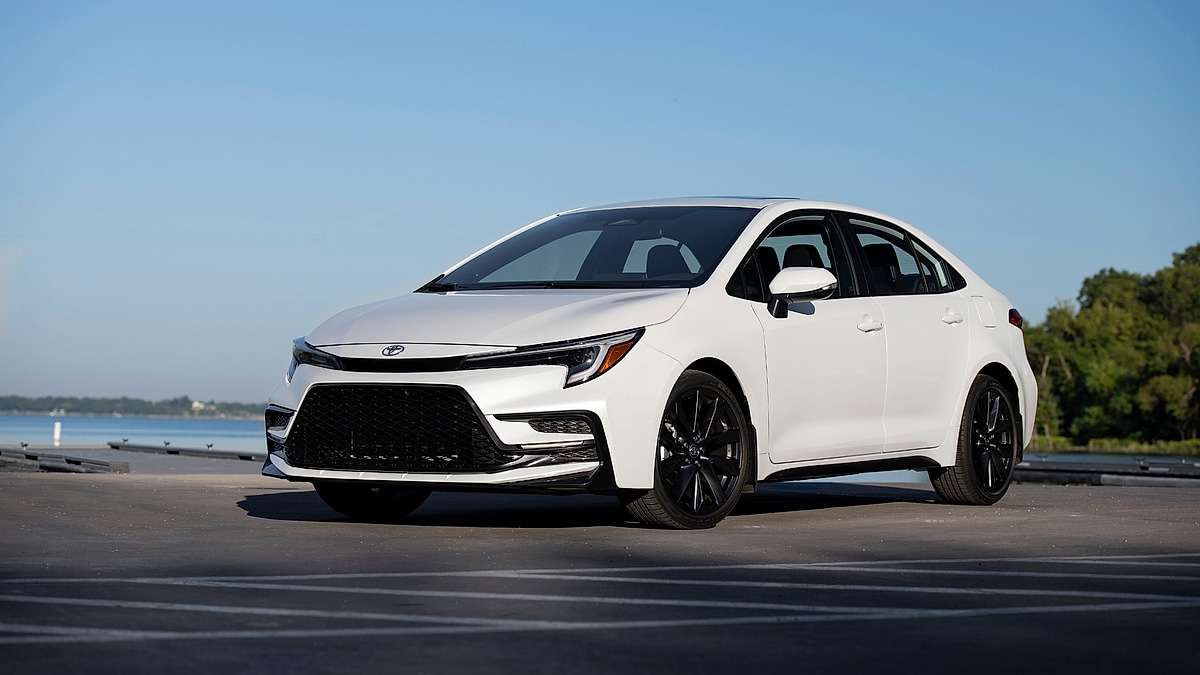
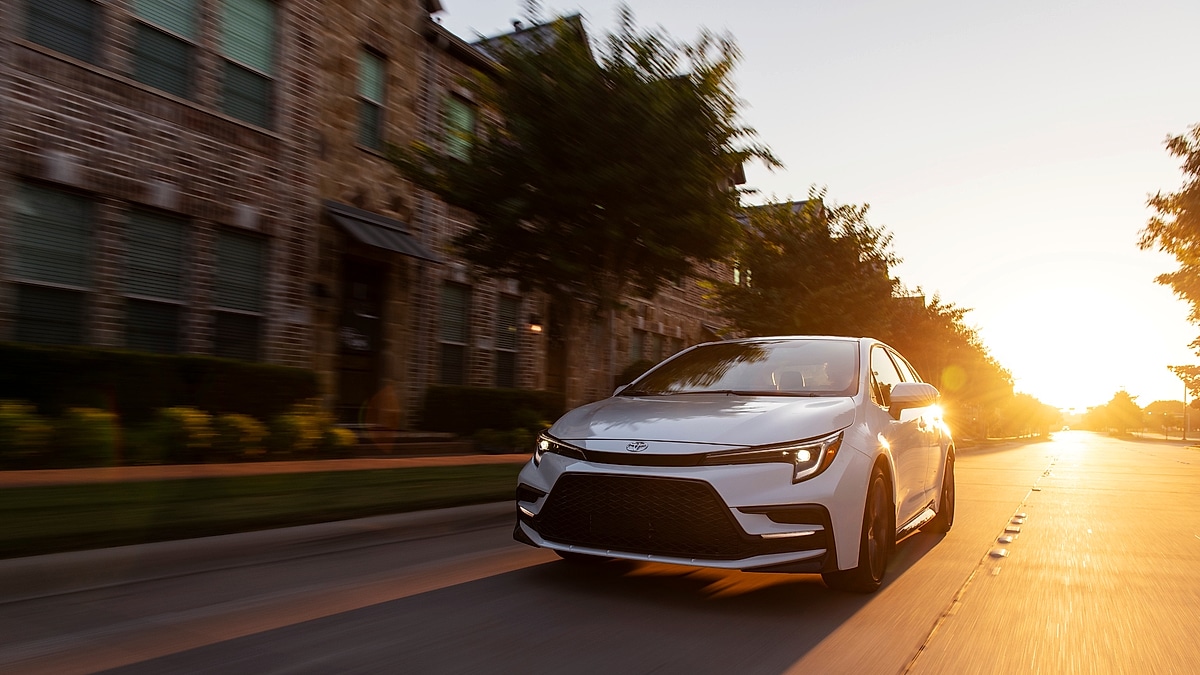
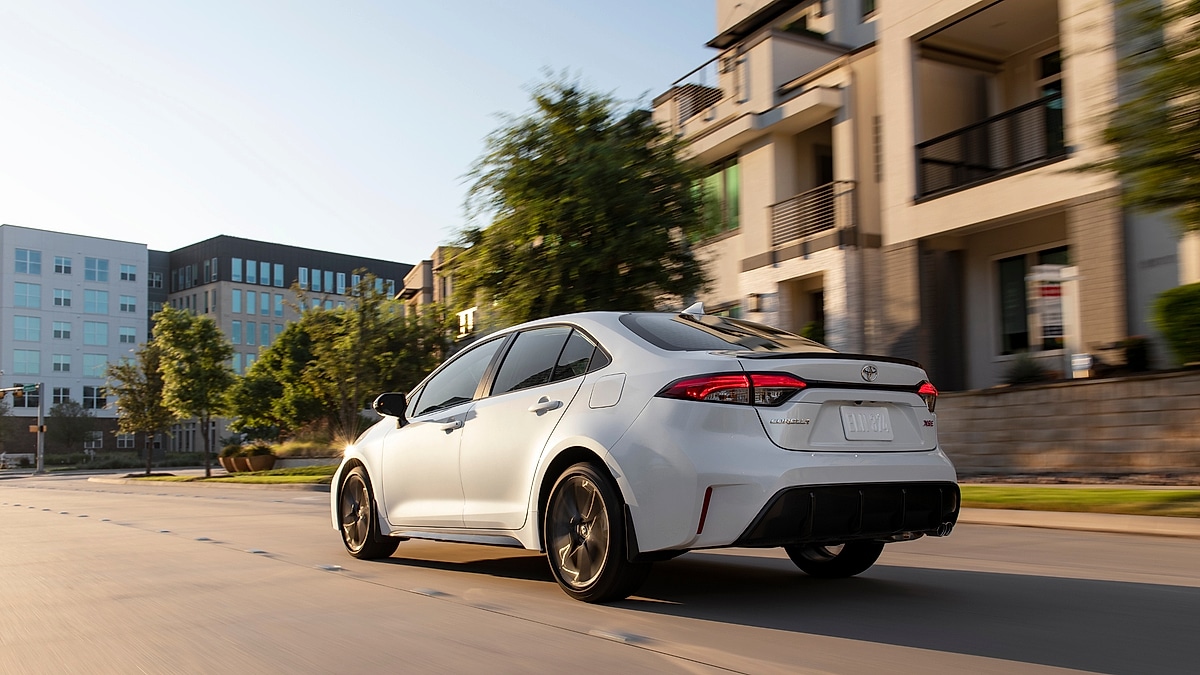
On April 22, a 2023 Toyota Corolla Hybrid with 77,000 miles lost its transmission completely, less than a week after a routine drain-and-fill at a Toyota dealership. The car isn’t even two years old yet.
The owner, posting on Reddit as dreamedaway, now has a $7,100 repair quote in hand. What’s the sticking point? Coverage: the car still falls within Toyota’s 8-year/100,000-mile hybrid component warranty, but the dealership says this failure doesn’t qualify.
That leaves a narrow and uncomfortable timeline: a standard dealer service, a new whirring noise three days later, and a major failure three days after that, with no agreement yet on whether the repair is warranty, goodwill, dealer responsibility, or owner responsibility.
I had a transmission fluid drain and fill done on it on April 16th. On April 19th, it started making a whirring noise whenever I pressed on the accelerator. Then on April 22nd, the car suffered a catastrophic failure,” the owner wrote. “Fast forward to now, apparently I’m looking at a transmission rebuild, quoted to me at $7.1k.
He says the dealer told him the correct fluid was used, Toyota Corporate has a case open, and the dealer says the repair may not fall under the hybrid warranty.
Why This Failure Raises Hard Questions
The sequence of events is hard to ignore. The Corolla Hybrid was reportedly driving normally before the service. Three days later, the owner says it developed a whirring noise under acceleration. Three days after that, it lost speed and displayed multiple warnings. That does not prove the drain-and-fill caused the failure, but it does make the service visit the first place any serious investigation should look.
The owner says the invoice lists Toyota e-Transaxle Fluid TE, and the dealer told him the master technician used the correct fluid. That matters, but it does not answer every question. The actual fluid in the unit, the amount added, the final fill level, and any leak after service would still need to be verified.
Dreamedaway, the original poster, confirms the dealership's claim that the correct fluid, "08886-81986 A5 E-TAF, TE," was used. This part number corresponds to Toyota's e-Transaxle Fluid TE, specifically designed for newer hybrid transaxles. The assurance from the service manager that the "master tech used the right fluid" is a standard corporate response, but it often masks deeper issues that require a more granular investigation.
Fluid Type, Fill Level, and the Warranty Question
The critical detail emerges from Reddit user CheckTurn1, who states, "I think 2023 was a transition year for the Corolla hybrid with some requiring the Toyota ATF WS (World Standard) fluid and the later 5th Gen models going to Toyota e-Transaxle Fluid TE. If your Corolla was supposed to use WS and they put the newer (thinner) TE fluid in it, that's what likely caused the failure." This observation is far more than speculation; it shows a known industry challenge with fluid evolution and model year transitions. Using the wrong viscosity or additive package, even if both are "Toyota fluids," can lead to insufficient lubrication, overheating, and rapid wear of internal components in an eCVT. The eCVT is not a traditional transmission; it integrates electric motors and planetary gears, making fluid properties paramount for cooling and lubrication.
The dealership's assertion that the problem isn't covered under the hybrid warranty is particularly galling. The eCVT is arguably the most critical component of a Toyota Camry hybrid's powertrain, integrating the electric motors and planetary gearset. To classify its failure as outside the hybrid warranty, which typically covers major hybrid components like the battery, inverter, and transaxle, is a semantic dodge designed to protect the dealership or manufacturer from liability. This kind of warranty interpretation is precisely what erodes consumer trust.
The Role of Dealership Procedure
Reddit user TocyBlox, who claims extensive DIY experience, offers another plausible explanation: "They probably didn’t fill it correctly." This isn't a minor detail. An underfilled eCVT will suffer from inadequate lubrication and cooling, leading to rapid wear and overheating. An overfilled eCVT can cause foaming of the fluid, reducing its lubricating properties and potentially leading to seal damage. The fact that Dreamaway's car was performing perfectly before the service, then developed a whirring noise, and finally failed, points strongly to an immediate post-service issue, whether it's the wrong fluid, incorrect fill level, or even a foreign object introduced during the process.
The "master tech" claiming no wrongdoing is predictable. What is needed is a forensic analysis of the failed transaxle, including fluid samples, to determine the exact cause. Without this, Toyota's corporate response will likely remain an exercise in deflection, leaving the owner holding a $7,100 bill for a problem that materialized directly after a dealership visit. The burden of proof should not solely rest on the owner in such a clear-cut timeline of events.
This 2023 Corolla Hybrid's transmission failure, occurring just days after a dealership fluid change, is not merely unfortunate; it is a clear indication of either a critical error in service procedure or a fundamental misunderstanding of fluid specifications for a transitional model year. Toyota Corporate and the dealership must investigate this incident thoroughly, going beyond superficial assurances, to determine if the incorrect fluid was used, if the fill level was wrong, or if another service-related issue precipitated this failure. The owner should not be financially responsible for a catastrophic failure that occurred directly following a dealership-performed service on a vehicle still covered by its extended hybrid warranty.
Images Provided by Toyota Media Center
About The Author
Noah Washington is an automotive journalist based in Atlanta, Georgia, covering sports cars, luxury vehicles, and performance culture. His reporting focuses on explaining the engineering, design philosophy, and real-world ownership experience behind modern vehicles.
Noah has been immersed in the automotive world since his early teens, attending industry events and following the enthusiast communities that shape how cars are built and driven today. His work blends industry insight with enthusiastic storytelling, helping readers understand not just what a car is, but why it matters.
Noah is also a member of the Southeast Automotive Media Association (SAMA), a professional organization for automotive journalists and industry media in the Southeast.
His coverage regularly explores sports cars, luxury vehicles, and performance-driven segments of the automotive industry, including the evolving culture surrounding Formula Drift and enthusiast builds.
Read more of Noah's work on his author profile page.
You can also follow Noah here:
Set Torque News as Preferred Source on Google
Follow us today...