
As a technology analyst who spends decades dissecting the intersection of emerging silicon, artificial intelligence, and industrial design, I frequently apply my professional frameworks to my personal hardware and automotive decisions. I live in Bend, Oregon, where the harsh winters and mountainous terrain demand uncompromising vehicle capability. My wife, Mary, and I also transport six dogs - Fable, Winston, Raven, Finn, Dolly, and Adonis - which means interior volume and robust safety systems are non-negotiable.
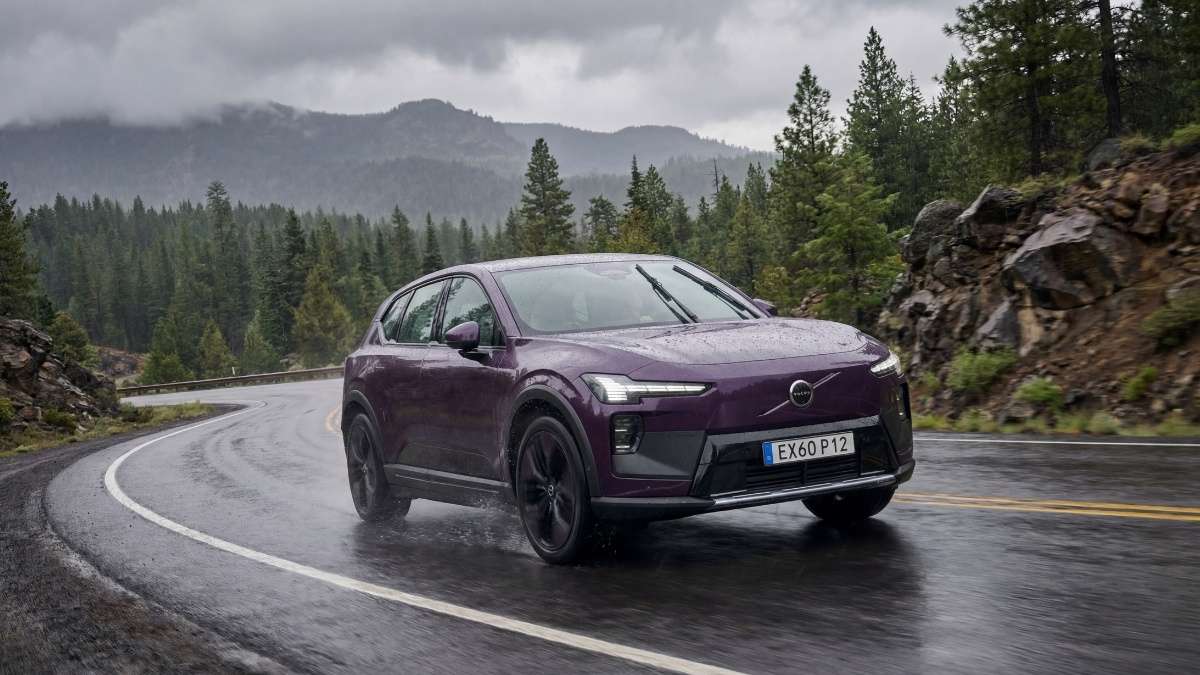
Earlier this year, I had an order placed for a Volvo XC60 plug-in hybrid (PHEV). The XC60 PHEV has been an undeniably successful bridge vehicle for the market, but after carefully reviewing the trajectory of the industry, I canceled my order. I realized that buying a PHEV right now is akin to investing heavily in late-stage legacy infrastructure just as a revolutionary new architecture hits the market. I decided to change my order and wait for the upcoming Volvo EX60, specifically the top-tier P12 all-wheel-drive configuration.
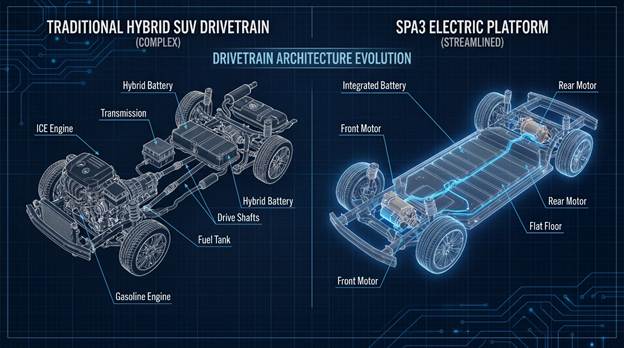
The rationale behind this pivot lies in the foundational engineering of the vehicle. The outgoing XC60 is built on an older, multi-powertrain platform. While versatile, it forces engineers to compromise, making room for a combustion engine, an electric motor, an exhaust system, and a fuel tank all within the same chassis. The Volvo SPA platform family has evolved significantly, and the new EX60 will utilize the highly anticipated SPA3 architecture. This is a dedicated, clean-sheet electric vehicle platform. By removing the physical constraints of internal combustion, SPA3 utilizes megacasting techniques that integrate the battery pack directly into the vehicle's structural floor. This creates a lighter, vastly more rigid chassis while dramatically expanding interior cabin space. For anyone analyzing the market, skipping the transitional plug-in hybrids to wait for a pure SPA3 vehicle represents a massive generational leap in structural and operational efficiency.
The 800-Volt Generational Leap Explained
When I build custom high-performance PCs—a hobby I indulge in a couple of times a quarter—managing power delivery and thermal output is the critical limiting factor for system performance. The exact same principle applies to electric vehicles, which is why the EX60’s move to an 800-volt (800V) electrical architecture is the most compelling reason to wait.
Most current EVs, including Volvo's own EX30, operate on a 400-volt system. According to an extensive overview of Volvo's 2026 electric car lineup, the brand is aggressively expanding its zero-emission offerings, but introducing an 800V system to a volume seller like the EX60 is a genuine game-changer. The physics are straightforward: Power is the product of voltage and current (P = V x I). To deliver more power to the battery for ultra-fast charging, a 400-volt system requires massive amounts of current. High current generates tremendous heat, necessitating heavy liquid-cooled cables and thick copper wiring harnesses throughout the vehicle.
By doubling the voltage to 800V, the EX60 can deliver the same amount of power using half the current. A detailed breakdown by DriveElectric regarding EV architectures highlights that this voltage doubling drastically reduces resistive thermal losses. For the buyer, this means the vehicle uses thinner, lighter internal wiring, improving overall vehicle efficiency and range. More importantly, it allows the vehicle to accept charge rates up to 350 kW at compatible DC fast charging stations. Under optimal conditions, an 800V system can recharge a battery from 10% to 80% in under 20 minutes. It virtually eliminates the traditional charging bottleneck, allowing the EX60 to operate on long-distance road trips with the fluidity of a gas-powered vehicle.
Comparing the EX60 Lineup and Identifying the Ideal Buyer
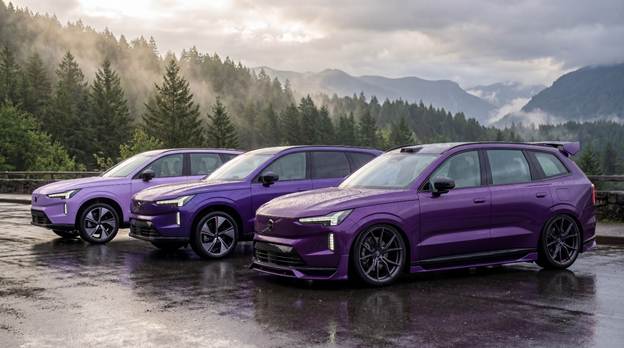
When the EX60 eventually hits the market, Volvo will likely structure the trims to address distinct segments of the premium SUV market, similar to what we have seen outlined in early previews by Edmunds. Understanding these tiers is crucial for determining which model fits your specific use case.
The entry-level Core model, expected to feature a Single Motor Rear-Wheel Drive setup, targets the suburban commuter and the efficiency maximizer. This buyer wants the safety and minimalist luxury of a Volvo without paying for performance they will never use. It is ideal for drivers in temperate regions where all-wheel drive is a luxury rather than a necessity. The Core model will likely offer the best value-to-range ratio in the lineup.
The mid-tier Plus trim with Dual Motor All-Wheel Drive will be the volume seller. This configuration is aimed at modern families who require all-weather confidence and a robust suite of technology features. It balances a respectable power output with the necessary traction for heavy rain or moderate snow, making it the practical, everyday workhorse of the EX60 family.
Then there is the flagship: the P12. This top-tier trim is aimed squarely at early adopters, technology enthusiasts, and demanding drivers who require uncompromising performance. With the largest battery pack and highest-output motors, the P12 is for the buyer who needs extreme dynamic capability, maximum towing capacity for recreational gear, and the absolute quickest acceleration the platform can muster. For my environment in Bend—navigating steep, icy mountain passes while hauling a cabin full of dogs—the P12 is not an extravagance; it is the definitive tool for the job.
Understanding Why the P12 Version is Lagging
While the standard EX60 trims are expected to roll out smoothly, the P12 configuration is lagging behind the others. From a strategic manufacturing standpoint, this makes perfect sense. Launching the volume-selling Core and Plus models first allows Volvo to quickly recoup development costs while standardizing its supply chain for the most common components.
However, the delay of the P12 is fundamentally tied to complex software validation and specialized hardware integration. Pushing the boundaries of the SPA3 platform's flexible engineering requires ensuring that the chassis can handle extreme kinetic forces safely. The high-output electric motors in the P12 necessitate bespoke thermal management algorithms to prevent the 800V battery from degrading under sustained high loads.
Crucially, managing this immense power requires flawless, real-time software execution. While the tech industry is currently obsessed with "agentic AI," it is vital to understand that agentic AI is entirely the wrong application for execution-layer vehicle dynamics like traction control and torque vectoring. You do not want a probabilistic AI "agent" deciding how to manage wheel slip on a patch of black ice. Those safety-critical functions require deterministic, hard-coded software loops that react in milliseconds with absolute predictability. Fine-tuning these robust, real-time execution layers to safely corral the massive torque of the P12 takes exhaustive testing, which directly accounts for its extended timeline.
Why the P12 is Worth the Wait
Despite the delay, holding out for the P12 is the right strategic move for buyers who demand longevity and peak performance from their technology investments. Settling for a plug-in hybrid today means accepting the ongoing maintenance liabilities of an internal combustion engine—oil changes, spark plugs, complex exhaust systems—paired with an electrical system that will soon feel antiquated.
The EX60 P12 will offer instantaneous, seamless torque delivery that a PHEV simply cannot match. Because the SPA3 platform integrates the battery as a stressed structural member, the chassis rigidity will provide superior towing stability and sharper handling. When you combine that physical rigidity with an 800V electrical backbone that drastically cuts charging times, the P12 ceases to be just another SUV; it becomes a definitive benchmark for where the automotive industry is heading for the next decade.
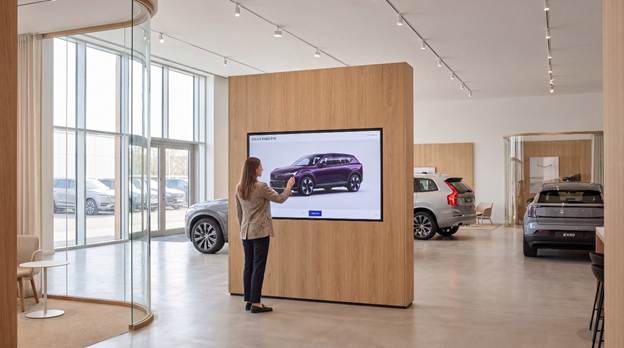
Strategic Ordering and Delivery Expectations
Navigating the rollout of a highly anticipated, delayed flagship trim requires patience and a proactive strategy. The standard versions of the EX60 are available now, still positioning them for a 2026 delivery window. Because of the specialized engineering required, I estimate that the U.S. configuration for the EX60 P12 will not become available to order until late 2026.
If you want to secure a P12 quickly, the best process is to establish a relationship with a high-volume Volvo dealership immediately. Automakers allocate highly sought-after performance trims based on dealership sales volume. Provide your sales representative with written confirmation of your intent to purchase the specific P12 configuration. Request to be placed on their internal waitlist so they can execute your formal deposit the very moment the factory opens the order banks.
Once your order is successfully accepted by the factory, prepare for a wait time of approximately 6 to 9 months. Factoring in complex global logistics, specialized quality assurance checks, and international shipping, an order placed in late-2026 will likely translate to taking delivery in early 2027.
Wrapping Up:
The shift toward dedicated, high-voltage electric architectures is the most significant automotive evolution in a century. Volvo’s transition to the SPA3 platform ensures that the forthcoming EX60 will shed the heavy, compromised packaging of legacy plug-in hybrids to deliver a lighter, more spacious, and fundamentally superior vehicle. By incorporating an 800-volt system, the EX60 resolves the final hurdles of EV ownership through vastly improved efficiency and ultra-fast charging speeds. While the standard trims will capably serve the mass market, the P12 variant stands apart as the definitive choice for enthusiasts and demanding drivers. The complex software and hardware validation required for the P12’s torque management and thermal systems dictate its delayed release, but its uncompromising performance makes it a generational leap in automotive engineering. For discerning buyers willing to navigate the waitlists and exercise strategic patience, the Volvo EX60 P12 will undoubtedly prove to be worth the wait (and I’m waiting).
Disclosure: Images rendered by Artlist.io
Rob Enderle is a technology analyst at Torque News who covers automotive technology and battery developments. You can learn more about Rob on Wikipedia and follow his articles on TechNewsWord, TGDaily, and TechSpective.
Set Torque News as Preferred Source on Google
Follow us today...