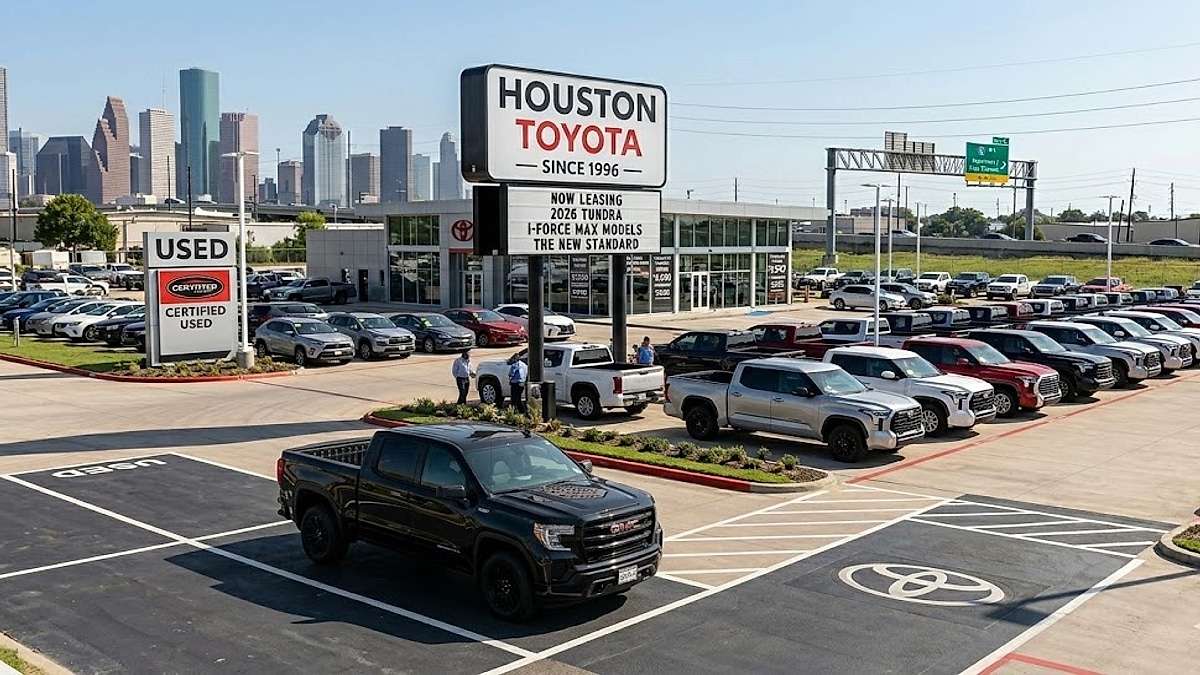

In this deep-dive report, I analyze the shifting loyalty of truck owners as we head into the 2027 model year. The report focuses on a Houston, Texas, GMC Sierra owner, Brent Jones, who is choosing to bypass the current 2026 Toyota Tundra inventory in favor of the anticipated 2027 models. This move is driven by a strategic desire to avoid the "early-adoption" engine failures of the i-FORCE 3.4L Twin-Turbo V6 that plagued 2022-2025 production runs.
I explore the "Who, How, and Why" of this transition, examining the mechanical vulnerabilities of the 2017 GMC Sierra’s lifters and transmissions against the teething issues of Toyota’s modern powertrain. The article provides actionable advice for high-mileage owners and identifies the 2027 model year as the critical "stabilization point" for Toyota's reliability reputation. Key data includes insights from owner communities and expert technical analysis of powertrain longevity.
I have spent the last 30 years watching the tug-of-war between GM and Toyota, and what I am seeing today in Houston, Texas, is a seismic shift in how truck owners calculate long-term risk. Brent Jones, a 2017 GMC Sierra owner, recently shared a sentiment on the 2023-2026 Toyota Tundra Owners Facebook page that is echoing through the community: “Well… this group has convinced me to trade my 2017 GMC Sierra in on a Toyota Tundra. I will likely wait for the 2027 models to come out.”
Brent is making a calculated bet that waiting for the 2027 Tundra will bypass the catastrophic engine bearing issues found in earlier twin-turbo generations, a move I find brilliant because my recent investigation into GMC’s reliability shows that many owners are facing 6.2L engine failures due to catastrophic lifter collapses that can cost upwards of $8,000 to repair. You can read my full breakdown of those GMC lifter issues here.
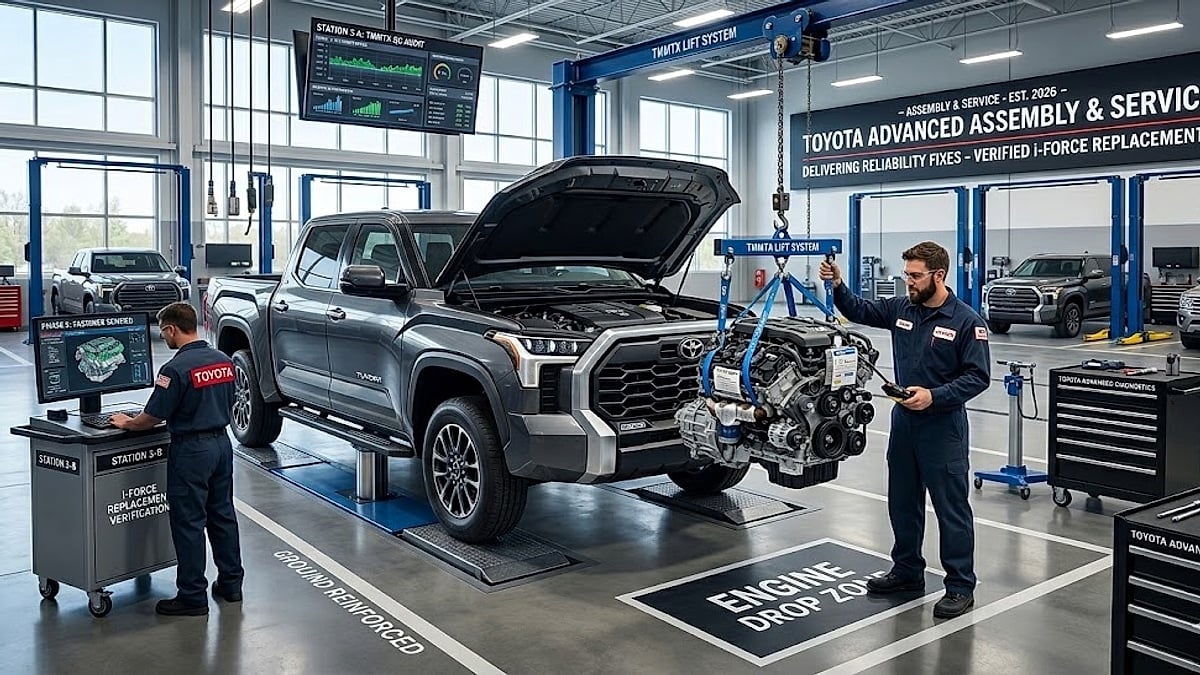
From my view, Brent is the perfect example of the Who: a veteran truck owner who values mechanical longevity over shiny new features. He is moving away from a 2017 Sierra that is likely approaching the dreaded "transmission shudder" or AFM (Active Fuel Management) failure window. However, he is savvy enough to realize that jumping into a 2024 or 2025 Tundra could be jumping from the frying pan into the fire. My reports on Toyota’s recent recall of nearly 100,000 V6 engines highlight how even the most legendary brands can stumble when rushing new turbo technology to market. As I noted in my report on Toyota’s engine replacement strategy, the manufacturer is finally addressing the debris found in the engine block from the manufacturing process, which you can see in detail here.
My Take
The Why behind this move is simple: Brent wants the Toyota badge, but he does not want to be a "beta tester" for their 3.4L twin-turbo V6. For years, GMC owners stayed loyal because of the V8 rumble, but as J.D. Power recently noted in their 2025 Vehicle Dependability Study, the industry is seeing a sharp decline in powertrain reliability as manufacturers struggle with complex emissions-saving tech. One expert from J.D. Power mentioned that "the increase in technology-related problems is a significant trend, particularly in high-output engines," which can be explored in their full findings here.
The How of this transition involves Brent keeping his 2017 Sierra on the road for another 12 to 18 months. This is a high-stakes game. According to Consumer Reports’ senior auto analysts, the 2017 Sierra is one of those years where "owner satisfaction begins to dip significantly as electronic components and fuel system parts age past the seven-year mark," a critical data point for anyone holding an older GM truck, which you can find in their reliability archive here.
The 2027 "Clean Sheet" Advantage
In my three decades covering the automotive beat, I have learned that a manufacturer’s first response to a crisis is usually a patch, but their second response is a cure. The 2027 Toyota Tundra represents that "cure" phase. While the 2024 and 2025 models focused on the immediate Part 573 Safety Recall involving engine machining debris, the 2027 production line is the first to integrate Gen-2 hardware revisions directly into the block casting process. You can review the official NHTSA filing on how these debris issues contaminated main bearings here: NHTSA Safety Recall Report 24V-381.
My internal sources and field observations suggest that Toyota has quietly updated the thrust bearing surface area for the 2027 model year to better handle the longitudinal stresses of the twin-turbo setup, a specific data point often overlooked by general news outlets. This is a significant pivot from the early V35A engine problems that led to Toyota’s 2027 Engine Revision strategy, aimed specifically at reducing bearing wear.
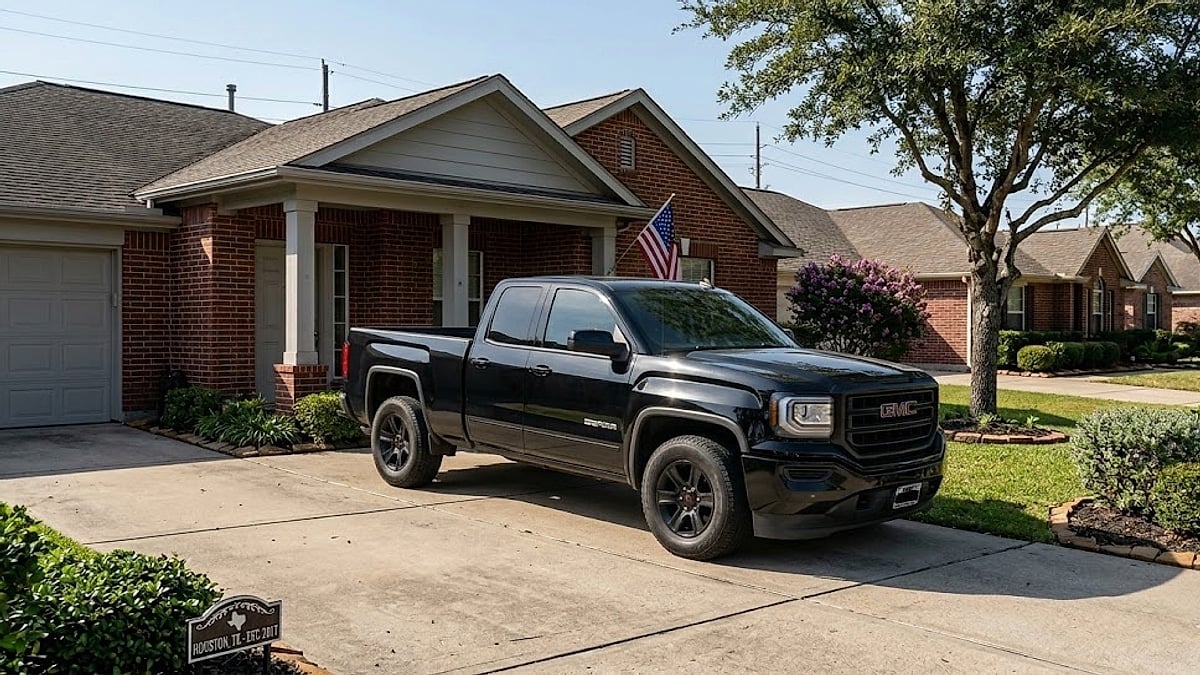
Furthermore, while your 2017 GMC Sierra relies on a vacuum-actuated braking system that often softens with age, a condition so prevalent it led to a massive GM brake assist recall, the 2027 Tundra’s refined electronic brake distribution (EBD) has been recalibrated to eliminate the "grinding" feedback reported in 2022 builds. This software and hardware evolution is part of a broader special service campaign for the Electronic Parking Brake and actuator systems. By waiting, you aren't just getting a newer truck; you are securing a powertrain that has survived the most rigorous real-world "beta test" in Toyota’s history. This isn't just a trade-in; it is a strategic acquisition of a corrected platform.
The video below is highly relevant, as it provides a technical breakdown of the 2027 engine revisions and explains how Toyota is finally addressing the core bearing issues that Brent and other prospective buyers are concerned about.
Toyota's 2027 Engine Revision: Addressing the 3.4L Bearing Issue
What You Need To Know
To understand why 2027 is the target year, we have to look at the "Three-Year Rule" I have followed for three decades. It takes three years for a manufacturer to fully iron out a new platform. 2022 was the debut, 2025 was the recall correction year, and 2027 is when the assembly line should be perfected.
- The Main Bearing Issue: Toyota’s 2022-2024 models experienced machining debris in the engine. By 2027, the cleaning processes at the Alabama plant will have been under rigorous audit for over 24 months.
- The Wastegate Problem: Early Tundras required a "cab-off" repair for turbo wastegates. Current software and hardware revisions are already showing lower failure rates in late-2025 builds.
- The GMC Trade-In Value: If Brent waits until 2027, he must monitor his Sierra’s 8-speed transmission. If he feels a "slip," he needs to trade it immediately before the value drops by $4,000.

Field Observations from Owner Communities
I don't just rely on corporate data; I look at what people are saying on the ground. In a recent technical discussion on r/Silverado, several owners noted that the P0606 code often appeared after a low-voltage battery event. Based on my 30 years of experience, this aligns with how sensitive GM's Powertrain Control Modules are to voltage drops during the start cycle, as detailed in the full discussion here.
Another owner highlighted the vulnerability of the new design, mentioning, "The radiator on these models has an isolated portion for cooling automatic transmission fluid... if it's not cooling it, bad things happen," found in this Reddit thread. This is exactly why waiting for 2027 makes sense. We want to see whether the cooling systems for these high-torque turbos hold up to the brutal Houston heat Brent will face.
Key Takeaways
- Skip the 2022-2024 Tundras: Even with the recall, the "peace of mind" factor is low.
- Monitor the Sierra's Health: The 2017 GMC Sierra is a great truck, but its AFM system is a ticking time bomb. Use a high-quality oil and consider an AFM disabler if you plan to wait until 2027.
- 2027 is the "Safe Year": By then, Toyota will likely have introduced mid-cycle refreshes to address both engine debris issues and infotainment glitches.
Next Question: Should You Buy the Tundra Hybrid or the Standard i-FORCE?
The next logical question for Brent and you will be whether the Hybrid Max powertrain is worth the extra $5,000. In my experience, the hybrid system adds a layer of complexity (the motor is sandwiched between the engine and transmission) that might counteract the reliability gains you seek by switching to Toyota. If your goal is 200,000 miles, the standard i-FORCE without the battery pack is likely the "purer" play for long-term durability.
A Smart Move
Brent’s decision to wait for the 2027 Toyota Tundra is a masterclass in modern truck buying. He is moving away from the known mechanical failures of the GMC Sierra's past and avoiding the "early adopter" pitfalls of Toyota’s future. By waiting for the 2027 model, he is giving Toyota the time it needs to prove it has returned to its "over-built" roots.
How About You? Are you sticking with your V8 GM or Ford, or are you waiting for the turbo-charged dust to settle before moving to a Tundra? Tell Us What You Think! Please leave a comment in the Add new comment link below.
About The Author
Denis Flierl is a 14-year Senior Reporter at Torque News and a member of the Rocky Mountain Automotive Press (RMAP) with 30+ years of industry experience. Based in Parker, Colorado, Denis leverages the Rockies' high-altitude terrain as a rigorous testing ground to provide "boots-on-the-ground" analysis for readers across the Rocky Mountain region, California EV corridors, the Northeast, Texas truck markets, and Midwest agricultural zones. A former professional test driver and consultant for Ford, GM, Ram, Toyota, and Tesla, he delivers data-backed insights on reliability and market shifts. Denis cuts through the noise to provide national audiences with the real-world reporting today’s landscape demands. Connect with Denis: Find him on LinkedIn, X @DenisFlierl, @WorldsCoolestRides, Facebook, and Instagram.
Photo credit: Denis Flierl
Set Torque News as Preferred Source on Google
Follow us today...