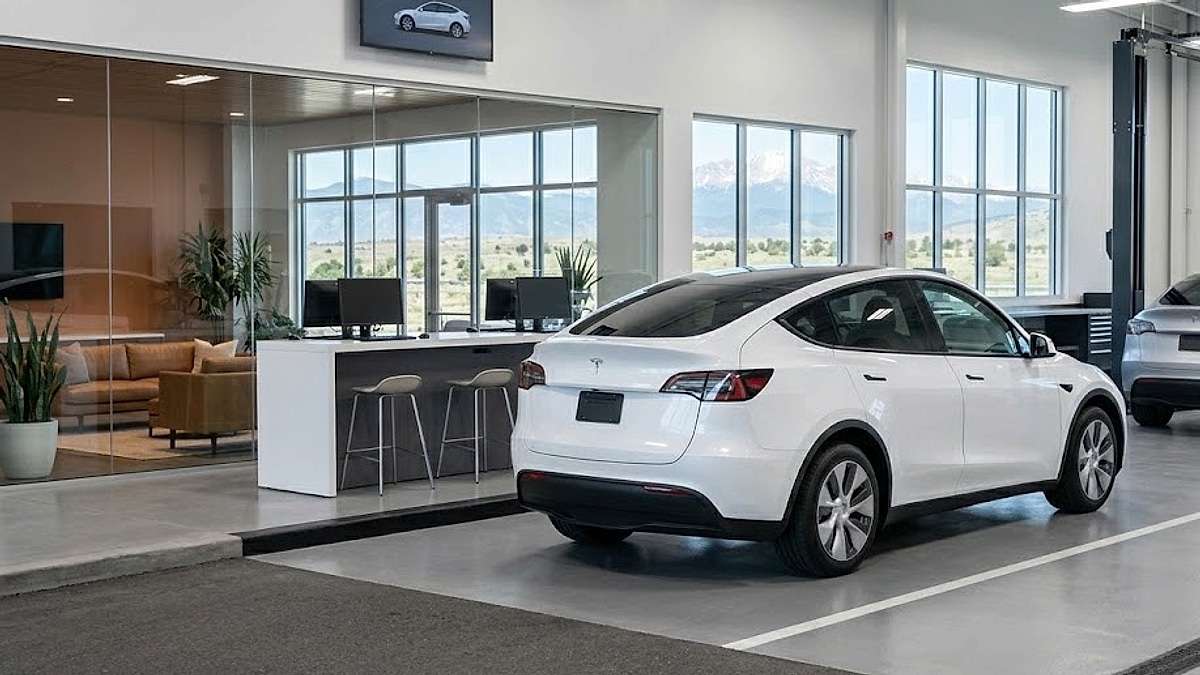

The National Highway Traffic Safety Administration (NHTSA) database has quietly been populated with hundreds of component complaints about loud, low-speed creaking and popping, and structural popping, coming from the front suspension of the Tesla Model Y.
While regional service managers routinely default to dismissing these noises as benign Noise, Vibration, and Harshness issues to protect warranty metrics, an internal pivot is underway via localized engineering channels as Tesla Model Y front suspension structural assemblies experience accelerated component failure, prompting factory service networks to transition from automated owner denials to targeted component-replacement protocols amid quiet internal updates.
Analysis of newly tracked field data confirms that the structural aluminum upper control arm mount castings and rubber-to-metal-bonded compliance bushings are failing prematurely under the continuous, unyielding kinetic strain of the vehicle's 4,419-pound EV curb weight, driven by the sustained lateral and longitudinal loads of the heavy skateboard battery pack.
I uncover the mechanical architecture behind this engineering oversight in my investigative report, which offers field-tested diagnostics and step-by-step navigation protocols to bypass service center gatekeepers before factory warranties expire.
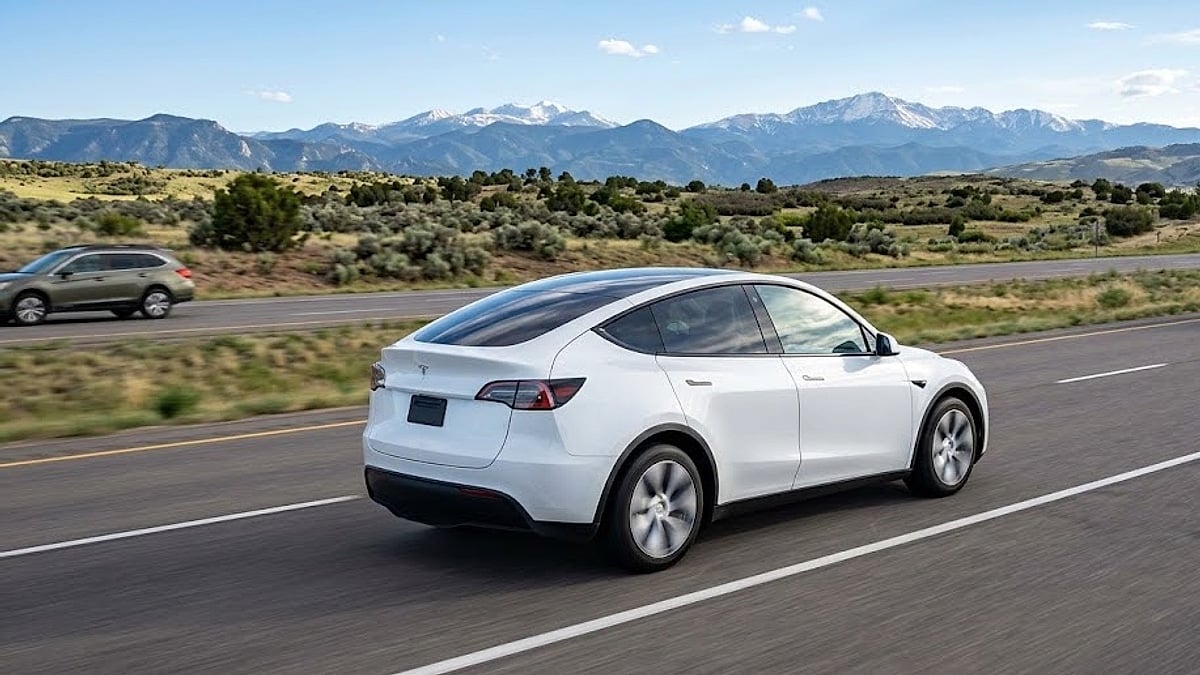
This engineering vulnerability is exacerbated by the vehicle's aggressive damping calibration, engineered to deliver sporty handling over standard pavement, which transmits high-frequency road shock directly past the damper into the upper chassis mounts rather than isolating the energy, accelerating the failure of the rubber-to-metal bonded joints and culminating in the low-speed popping, metal-on-metal clicking, and steering-lock creaks currently plaguing thousands of high-mileage drivers across North America.
An aggravated Model Y owner recently shared their frustration online regarding this exact front-end issue. "Every time I back out of my driveway or turn the wheel at low speeds, my front suspension sounds like an old rusted box spring, but the service center told me it’s just within spec cosmetic noise," the driver posted on a dedicated Tesla Model 3 and Model Y Owners Club Facebook page.
The High-Altitude Analysis
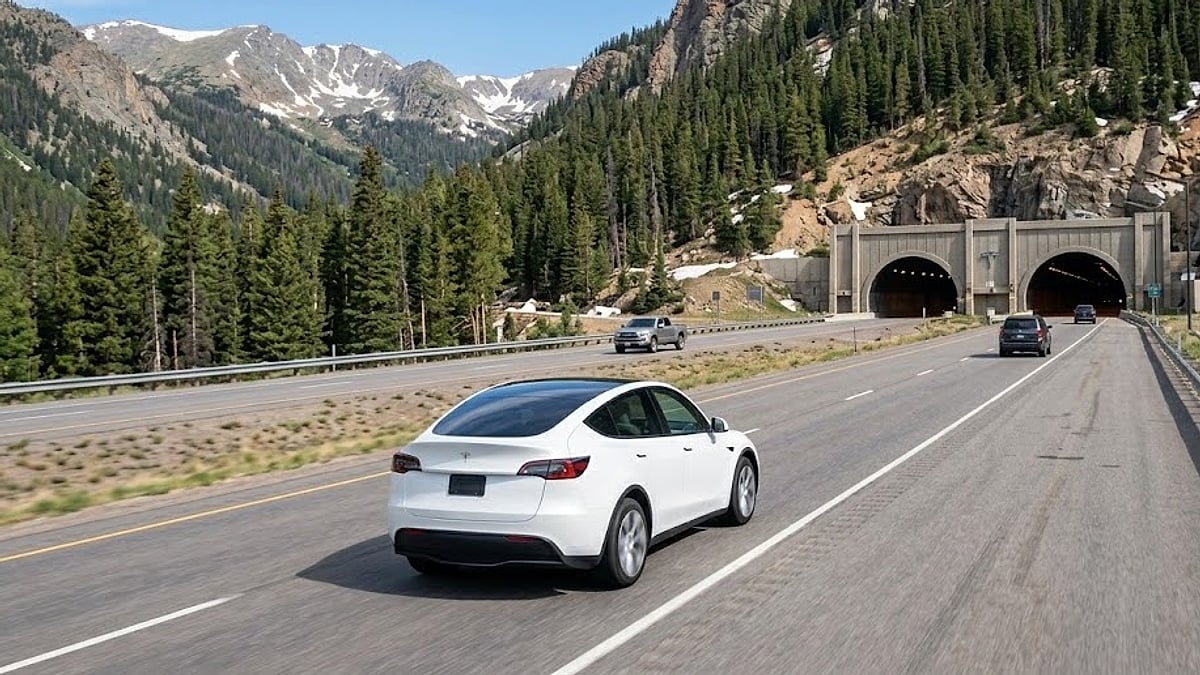
When I pilot a heavy electric crossover through the severe, high-altitude washboards of Vail Pass or up the continuous incline toward the Eisenhower Tunnel here in Colorado, the laws of physics catch up with manufacturing shortcuts real quick. I have spent 30 years tracking how heavy vehicles interact with road architecture, and the sheer mass of an EV battery pack demands suspension components engineered for commercial-grade durability.
Instead, the Model Y uses a suspension layout heavily adapted from the lighter Model 3 platform, placing a massive structural burden on the upper control arm mounts as the continuous weight distribution of the floor-mounted lithium-ion battery pack exerts immense downward force, forcing the aluminum control arms to contend with severe leverage limits during everyday cornering.
The automotive component analysts at Go-Parts documented this ongoing struggle in their comprehensive technical suspension breakdown; according to the Go-Parts Tesla Model 3 & Model Y Front Control Arm Guide, water intrusion, combined with heavy structural loads, routinely causes these front upper control arm joints to corrode and fail prematurely.
This mechanical degradation aligns with what I observed during my decades evaluating premium fleet platforms, where unladen mass limits are consistently exceeded by design choices that prioritize cabin space over durable chassis gusseting, leaving the structural casting unable to dissipate the repetitive lateral energy spike that occurs when a 4,400-pound machine changes direction quickly on uneven pavement.
My Take
Tesla plays a dangerous game of operational triage by relying heavily on over-the-air updates to fix consumer complaints while ignoring fundamental mechanical component fatigue, a systemic engineering oversight meant to outride the basic warranty period that mirrors how continuous turbo wastegate play historically caused catastrophic engine-bearing oil starvation in high-stress V6 platforms.
If you own one of these vehicles, you have to realize that the silent electric powertrain masks a lot of underlying chassis violence. My tracking of long-term reliability trends reveals that EV owners are burning through suspension links at nearly double the rate of conventional gas-powered vehicles, as noted in my earlier reporting on the hidden long-term operational expenses of Tesla Model Y ownership.
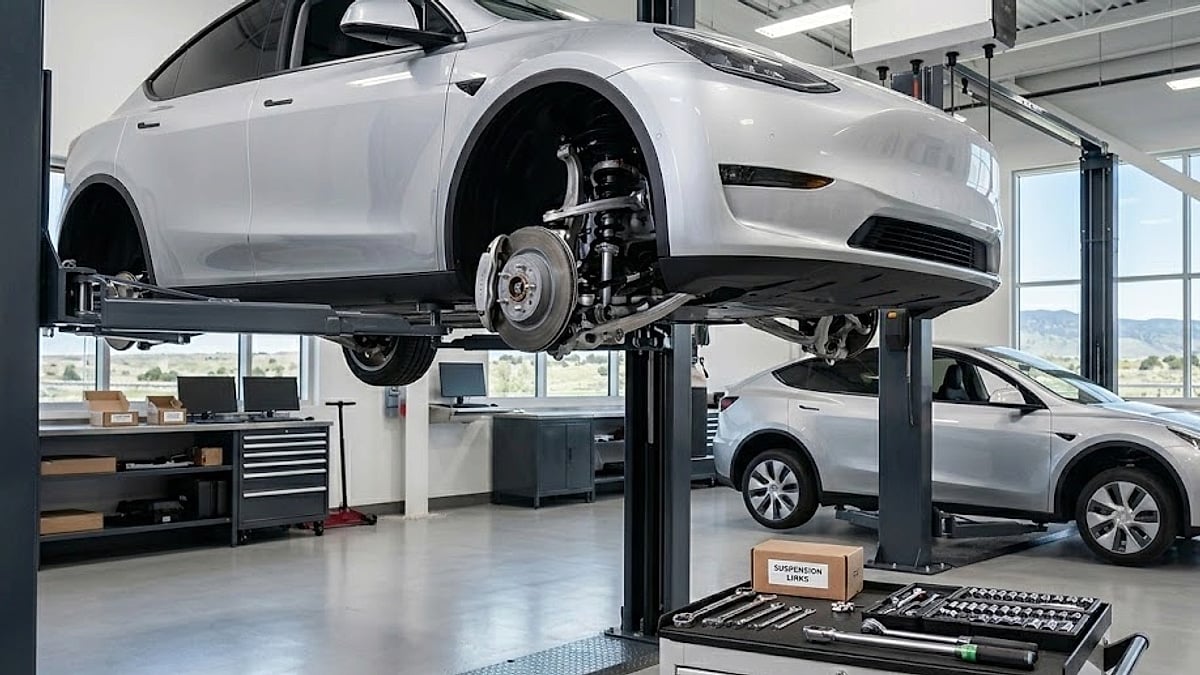
This accelerated suspension failure is driven by the heavy regenerative braking curve, which instantly shifts the vehicle's massive weight forward onto the front nose assembly the moment the driver lifts off the accelerator, forcing the front upper links into continuous tension that alternates rapidly between extreme load and sudden rebound.
Deciphering The Structural Bushing Load Matrix
Tesla’s high-durometer rubber compliance bushings, pressed into aluminum sleeves for steering precision, fail to dampen road vibrations and instead transmit mechanical shock waves directly through the control arm into the thin-walled aluminum shock towers.
While earlier iterations suffered from ball joint seal failures, causing severe creaking under high loads, as documented in the NHTSA Technical Service Bulletin Repository, current failures stem from stiff factory dampers that resist impact forces during pothole strikes or gutter transitions.
This energy shifts upward along the load axis, shearing the rubber-to-metal bond within the bushing sleeve and creating micro-tears that expand during subsequent steering maneuvers.
Once these micro-tears sever the inner bond, the control arm gains unconstrained play, manifesting as low-speed clicking or popping, a destructive sequence accelerated by regional road de-icing chemicals seeping into the sheared boundaries and degrading the inner metallic sleeve.
Field Observations from Owner Communities
The technical reality of this component failure is echoed clearly across major enthusiast networks where high-mileage drivers compare real-world service notes. In a recent technical discussion on r/TeslaModelY, an owner documented the precise progression of the front-end noise, noting that the cracking sound became unbearable during low-speed maneuvers; you can read the full discussion in this Reddit thread.
Another owner highlighted the vulnerability of the factory diagnostic path, noting that technicians often attempt to patch the issue temporarily rather than replacing the underlying hardware, as found in this community discussion. From my three decades of experience evaluating automotive design defects, these field notes confirm that the issue is a systemic architectural bottleneck rather than an isolated batch error.
Your Technical Suspension Action Plan
If your Model Y is approaching the end of its factory bumper-to-bumper warranty, you must take immediate steps to assess the condition of your front suspension. Do not wait for the service center to identify the issue during a routine tire rotation; you must proactively diagnose the system through targeted mechanical stress testing.
- Turn the vehicle on and find a flat, concrete surface, such as an enclosed parking garage, where ambient chassis sounds are easily amplified.
- Shift the vehicle into reverse, back up slowly while turning the steering wheel to full lock, and listen for a distinct, metallic snap or click from behind the front wheels.
- Drive forward at roughly five to ten miles per hour over a standard speed bump or transition gutter at an angle, paying close attention to any hollow popping noises from the front shock tower area.
- Safely lift the vehicle's front nose until the front wheels are completely off the ground to relieve tension on the suspension links.
- Grasp the front tire firmly at the twelve o'clock and six o'clock positions, then shake it aggressively back and forth to check for any visible play or clicking within the upper ball joint and inner bushing mounts.
If you document any physical play or audible popping during these tests, capture clear video evidence on your phone with the microphone positioned close to the inner wheel well. When submitting a service request via the official mobile application, bypass generic descriptions like "suspension noise" and instead request a physical inspection of the upper control arm mounts.
Next Question: What happens if you choose to ignore the low-speed popping sound and continue driving your vehicle through severe mountain terrain over the next year? If left unchecked, micro-tearing in the elastomer compliance bushings will eventually lead to the complete separation of the inner sleeve from the control arm housing. This excessive clearance causes rapid, uneven tire wear along the inner shoulder and introduces significant toe change during high-speed braking maneuvers, severely compromising vehicle stability control.
Key Takeaways
- Identify early structural degradation by monitoring low-speed turning maneuvers on flat concrete surfaces.
- Bypass generic service center denials by providing direct video documentation of component play.
- Leverage technical service bulletins to demand complete component replacements instead of temporary lubrication patches.
- Protect long-term vehicle resale value by addressing suspension casting fatigue before the factory warranty expires.
Future Mechanical Variables
The continuous growth of vehicle mass across the global EV segment will continue to challenge traditional suspension metallurgy limits for the foreseeable future.
How About You? Have you noticed any unusual clunking or popping noises coming from the front end of your crossover lately when navigating tight parking spaces or negotiating driveways? Tell us what you think about this engineering issue, and please share your experiences in the comments below.
What’s Next: In my next report, I will pivot directly from the forensic root causes of suspension breakdown over to the consumer advocacy side of the equation. Our upcoming piece, "How Tesla Model Y Owners Can Identify Front Suspension Clunks And Secure Warranty Repairs," will serve as the definitive handbook for navigating the service department layout. I will provide the exact technical scripts and TSB references you need to secure a factory-authorized component replacement at no out-of-pocket cost.
Come back tomorrow, or check my Torque News Home Page for more of my informative automotive news articles.
About The Author
Denis Flierl is a 14-year Senior Reporter at Torque News and a member of the Rocky Mountain Automotive Press (RMAP) with 30+ years of industry experience. Explore his full investigative reporting archives and technical guides at DenisFlierl.com. Based in Parker, Colorado, Denis leverages the Rockies' high-altitude terrain as a rigorous testing ground to provide "boots-on-the-ground" analysis for readers across the Rocky Mountain region, California EV corridors, the Northeast, Texas truck markets, and Midwest agricultural zones. A former professional test driver and consultant for Ford, GM, Ram, Toyota, and Tesla, he delivers data-backed insights on reliability and market shifts. Denis cuts through the noise to provide national audiences with the real-world reporting today’s landscape demands. Connect with Denis: Find him on LinkedIn, X @DenisFlierl, @WorldsCoolestRides, Facebook, and Instagram.
Photo credit: Denis Flierl
Set Torque News as Preferred Source on Google
Follow us today...