
What happens when a "bulletproof" Toyota Tacoma engine shatters into pieces just 3,000 miles past the warranty?
Imagine this: you have meticulously maintained your dream truck, paying it off years ahead of schedule, only to have the engine shatter into pieces just a few thousand miles out of warranty. As a Senior Reporter for Torque News, I have seen many mechanical failures, but few are as heartbreaking as a young owner losing faith in a brand they worked so hard to represent.
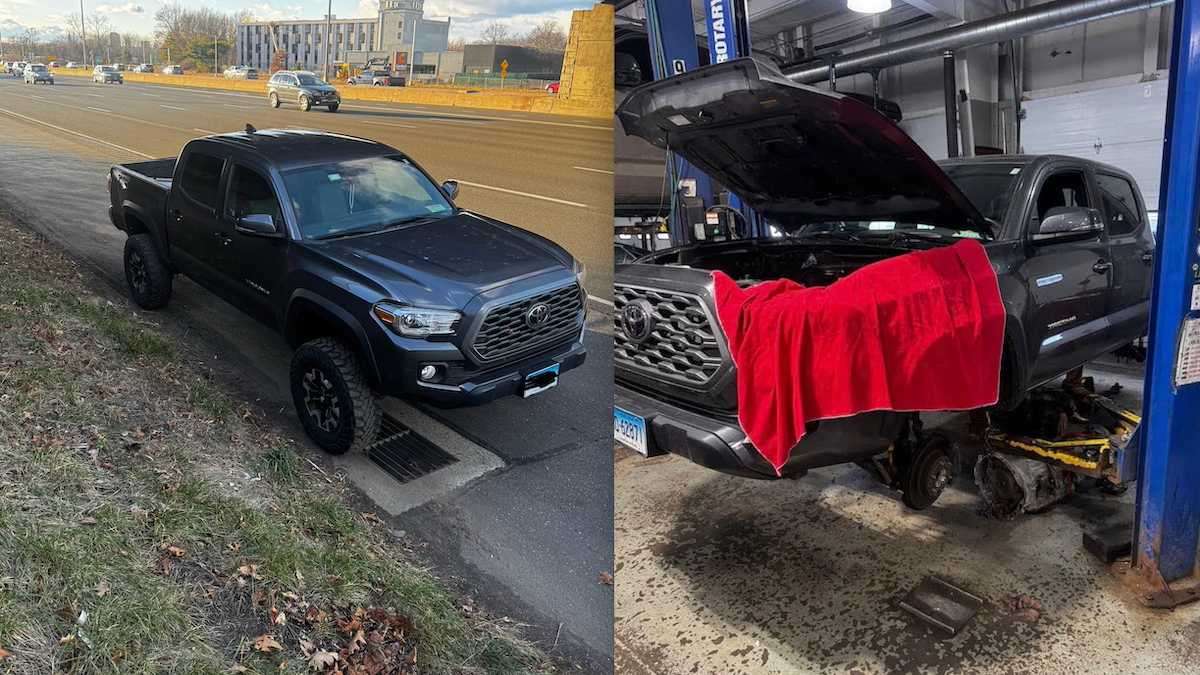
Ali Tabarssi, a dedicated Toyota enthusiast, recently shared the conclusion of his grueling journey with a blown Tacoma engine on the Taco Nation Facebook group. His story highlights a catastrophic oil pump failure and the difficult financial decisions that follow when a "bulletproof" reputation meets a real-world disaster.
Tabarssi begins his update with a sense of somber closure: “Final update on my blown-engine Tacoma journey. Well, here we are at the end of a tough road.”
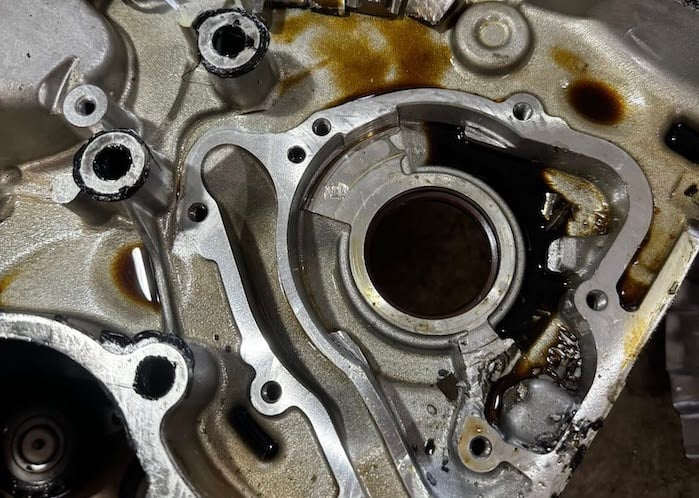
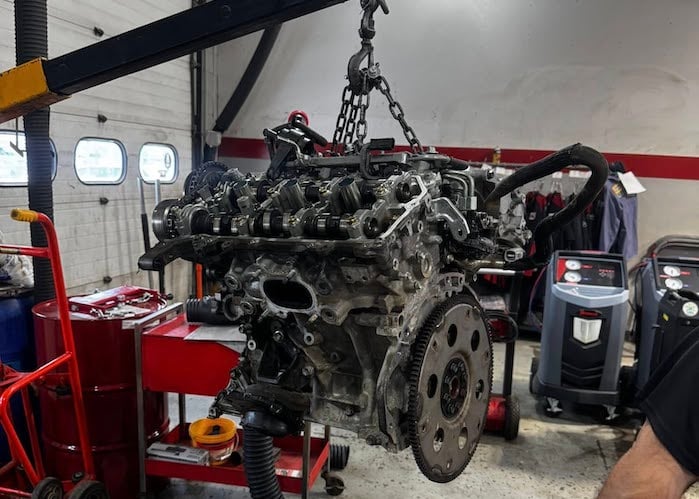
The technical reality of the failure was jarring. When the dealership performed the powertrain autopsy, the internal damage was extensive. “When Toyota tore down the engine, I saw it all laid bare," Tabarssi noted. "The gears and the oil pump were in pieces, literally split in half and shattered. Toyota corporate could not determine why this happened, only that the oil pump failed catastrophically, causing the engine to seize. There was no negligence on my part; the oil was fine, and my maintenance was by the book. It was just one of those freak one-in-a-million failures that hit you out of nowhere. And it honestly breaks my heart a little because I always trusted this truck and this brand.”
This situation mirrors a growing trend of late-model Toyota trucks facing unexpected internal crises. In my previous report, I detailed that Ali's incident is particularly stinging because the Tacoma is marketed on the premise of 300,000-mile reliability.
For Ali, the connection to the vehicle was more than just transportation; it was a symbol of his transition into adulthood and his work ethic. “To give a bit more personal context: I bought this brand new truck when I was 18 years old, worked incredibly hard to pay it off two years early, and always believed in the rock-solid reputation of the Tacoma. This truck was supposed to be one of the best, and I never imagined that down the road I’d be facing a scenario where I’d have to pay $7,000 out of pocket with such low miles.”
From my perspective, the technical specifics Ali mentions regarding the timing cover are the "smoking gun" in this investigation. When a technician applies excessive RTV (Room Temperature Vulcanizing) sealant during a timing cover leak repair, the surplus material can squeeze into the engine's internals, eventually breaking off and clogging the oil pickup screen. This restriction starves the oil pump, leading exactly to the kind of catastrophic "shattering" Ali witnessed. Other owners in the Taco Nation thread are echoing similar concerns, pointing out that "excessive sealant" is a known issue that often goes unaddressed until the engine seizes.
The timeline Ali provides strongly suggests a correlation between the previous repair and the ultimate failure. “One thing I noticed during this whole process was that when they took off the timing cover, there was a lot of sealant visible," he explained. "I had the timing cover done at around 54,000 miles, and from the beginning, I tried to tell them they might have put too much sealant on. I suspected that the excess sealant could have clogged the oil pump over time. It seemed strange that the oil pump would fail less than 9,000 miles after that timing cover reseal. The service manager told me it was unlikely the sealant caused it because of the mileage gap, but I still have my doubts. I am also concerned why they would clean the oil screen? I’d love to hear what you guys think about that too.”
Reliability concerns are not limited to the Tacoma, as the entire Toyota truck lineup is currently under the microscope. For instance, I recently covered how the 2024 Toyota Tundra engine failures have owners worried, showing that even the newest designs are not immune to significant powertrain issues. When a manufacturer cleans an oil screen during a failure analysis without documenting the debris found, it often signals they are trying to obscure the link between a previous sloppy repair and a current warranty claim.
Adding to the community's frustration, another member of the Facebook thread, Mark S., noted that his dealership also dismissed his concerns about sealant after a similar leak repair. This pattern suggests that "human error" during standard dealership-level maintenance procedures might pose a greater threat to Tacoma longevity than the factory engineering itself.
The financial resolution of these cases often leaves owners in a "no-win" situation. Ali had to decide between a massive repair bill for an engine he no longer trusted or walking away with a significant loss. “In the end, Toyota stuck to their offer to cover half the $14,000 repair. But I decided to sell the truck to Toyota as-is for $20,000 and take the loss. It was a tough call, and it’s going to take me a while to feel confident about what to buy next, maybe a new-gen Tacoma, maybe a Tundra, maybe something else entirely. I never thought I’d be second-guessing a Toyota, but here I am.”
The current climate for Toyota truck owners is one of cautious observation. As I discussed in my report on why the Toyota Tacoma remains the best midsize truck despite its flaws, the brand's loyal fan base is its greatest asset, but expensive out-of-warranty failures are testing that loyalty. When a "one-in-a-million" failure happens to you, the statistics provided by corporate mean very little compared to the empty spot in your driveway and the hole in your bank account.
The role of dealership personnel can make or break these experiences. While the corporate response felt cold to Ali, a local representative stepped up to provide the guidance he needed. “I want to give a huge thank you to Harvey from Westerly Toyota in Rhode Island," Ali shared. "He saw my first post, reached out to me directly, and helped me through this entire ordeal. I never expected that kind of personal support, and without him, I probably would have ended up spending a lot more and feeling even more lost. Harvey, you made a tough situation a bit easier, and I’m truly grateful for your time and guidance. It’s been a ride; just not the one I expected.”
The Question Remains
As we look at the broader landscape, the question remains: Is the legendary Toyota reliability fading? I have extensively analyzed how Toyota's quality control is facing new challenges in the modern era, and Ali’s story is a textbook example of how a small assembly or repair error can lead to a total loss of consumer confidence.
Ultimately, Ali’s journey serves as a warning to other owners to be hyper-vigilant after any major service, especially those involving the timing cover or oil system. If you see excess sealant or notice any change in oil pressure, do not let the dealership dismiss your concerns. The cost of being wrong is simply too high, as evidenced by a young man who did everything right and still ended up $7,000 short and without his truck.
Next Up: The Tacoma isn't the only Toyota facing scrutiny over its longevity; the hybrid models are also showing signs of unexpected wear. Check out my latest report: The Truth About Toyota's New Hybrid Battery Life Expectations to see if the gas-electric models are a safer bet for the long haul.
Click the red link below to write your comment and join the community in sharing experiences.
With over 30 years of industry experience, Denis Flierl brings an insider’s perspective to Torque News, where he has been a Senior Reporter since 2012. Before picking up the pen, Denis consulted for the automotive industry's biggest brands and honed his skills as a test driver. He cuts through the noise to deliver the latest auto news, compelling owner stories, and the expert analysis necessary to navigate today's changing automotive market.
Have a tip or question? Follow me on X @DenisFlierl and @WorldsCoolestRides, or connect with me on Facebook, Instagram, and LinkedIn.
Photo credit: Denis Flierl via Ali Tabarssi
Set Torque News as Preferred Source on Google
Follow us today...