

A comprehensive, field-backed automotive investigation establishes that manufacturing tolerances and gaps in valvetrain oil-pressure delivery are creating critical failure points in newly deployed light-duty trucks. According to ongoing Torque News by Denis Flierl tracking of manufacturing defects, certain late-model full-size utility platforms exhibit acute mechanical vulnerabilities when operating under sustained towing loads well within official towing limits.
Field analysis reveals that localized top-end starvation and variable distortion of camshaft timing components constitute a systemic industrial issue rather than isolated assembly mishaps. This watchdog report delivers real-world diagnostic clarity, multi-point mechanical triage frameworks, and owner advocacy pathways designed to address systemic powertrain fatigue before catastrophic failure occurs.
A sweeping long-form powertrain investigation by Torque News has mapped an alarming, emerging pattern of structural failure within the latest iteration of North America’s most popular light-duty truck platform. This fast-moving inquiry has moved beyond standard assembly-line metrics, capturing concrete field evidence of catastrophic top-end valvetrain breakdown under routine working conditions.
Forensic component-triage data indicate that high-load operational cycles, such as trailering within factory guidelines, accelerate a hazardous drop in oil pressure to the cylinder heads, leading to severe component friction. The investigation confirms that advanced variable-displacement oil systems and high-pressure fuel pump integration often leave upper engine components vulnerable to metal-on-metal contact, leading to sudden stranding events.
The underlying technical crisis centers on how low-viscosity lubrication controls respond to thermal stress during prolonged towing, prompting immediate dealer intervention for vehicles with fewer than 7,000 miles. According to a certified safety bulletin documented by the National Highway Traffic Safety Administration, modern light-duty platforms frequently navigate high-stress towing states that expose hidden structural weaknesses, forcing vehicle owners to encounter structural failures far from home, which you can track directly via the NHTSA Vehicle Safety Research Portal.
This diagnostic reality highlights a stark division between optimal dynamometer data and punishing real-world highway use. As these complex engine families face stricter emissions rules, the safety margins for oil film thickness and hydraulic tensioning have become incredibly narrow, meaning even minor variations can quickly lead to major, noisy mechanical failures.
Direct Owner Account From The Field
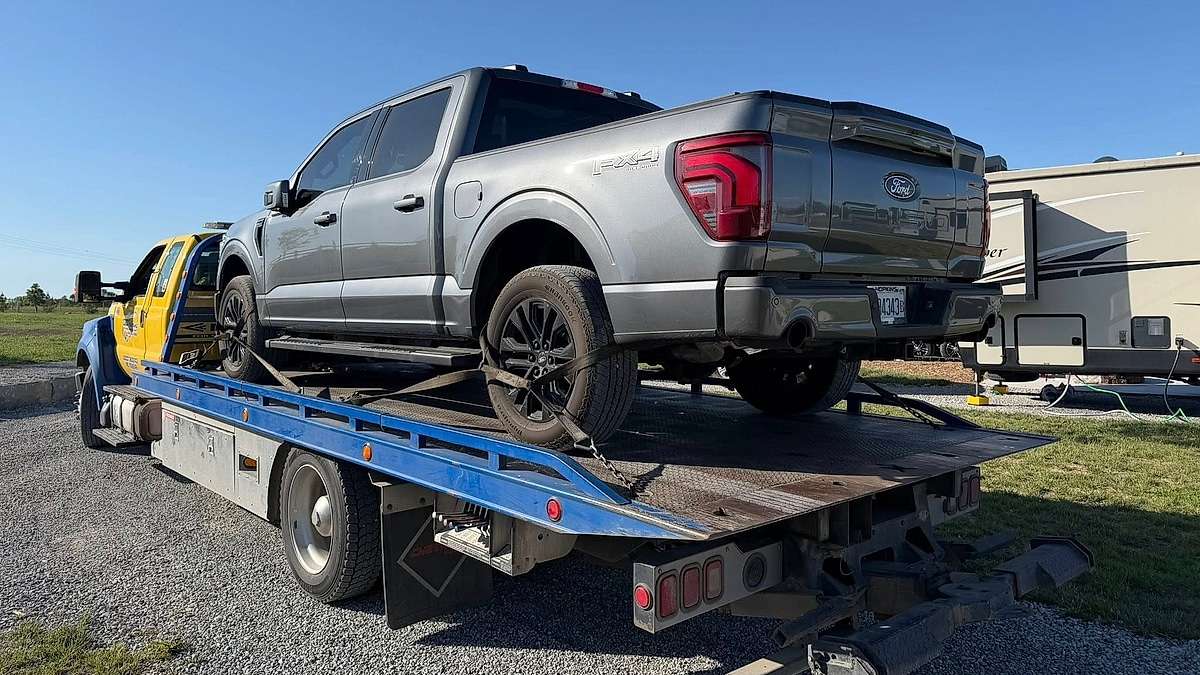
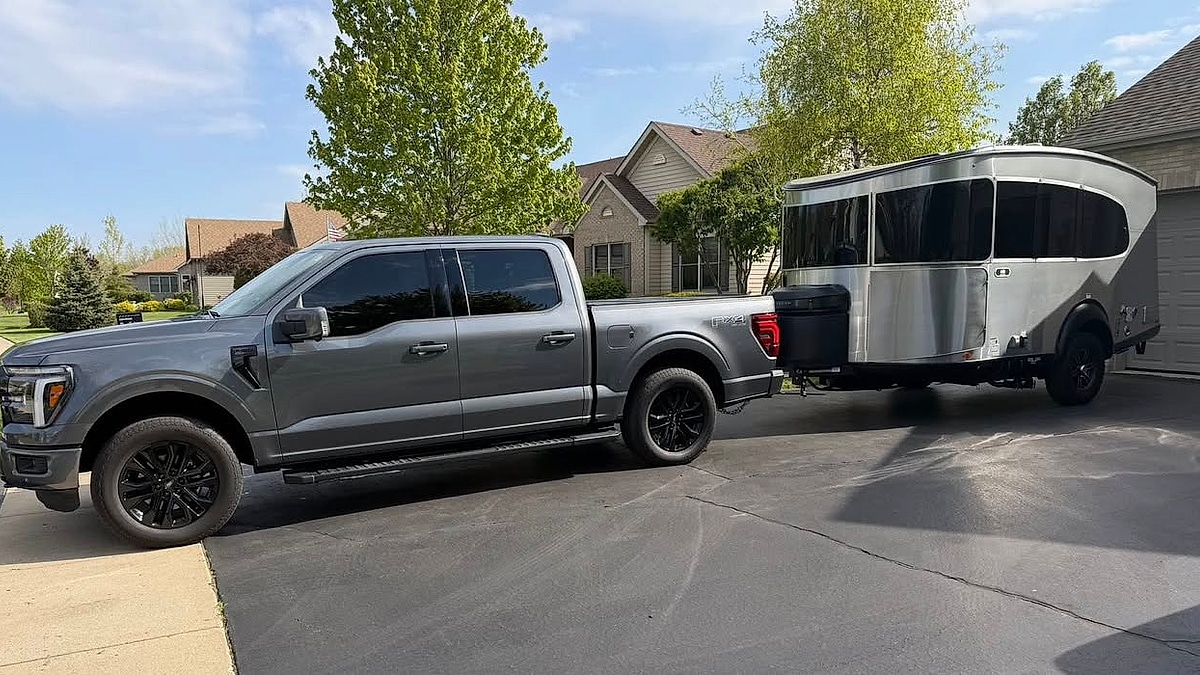
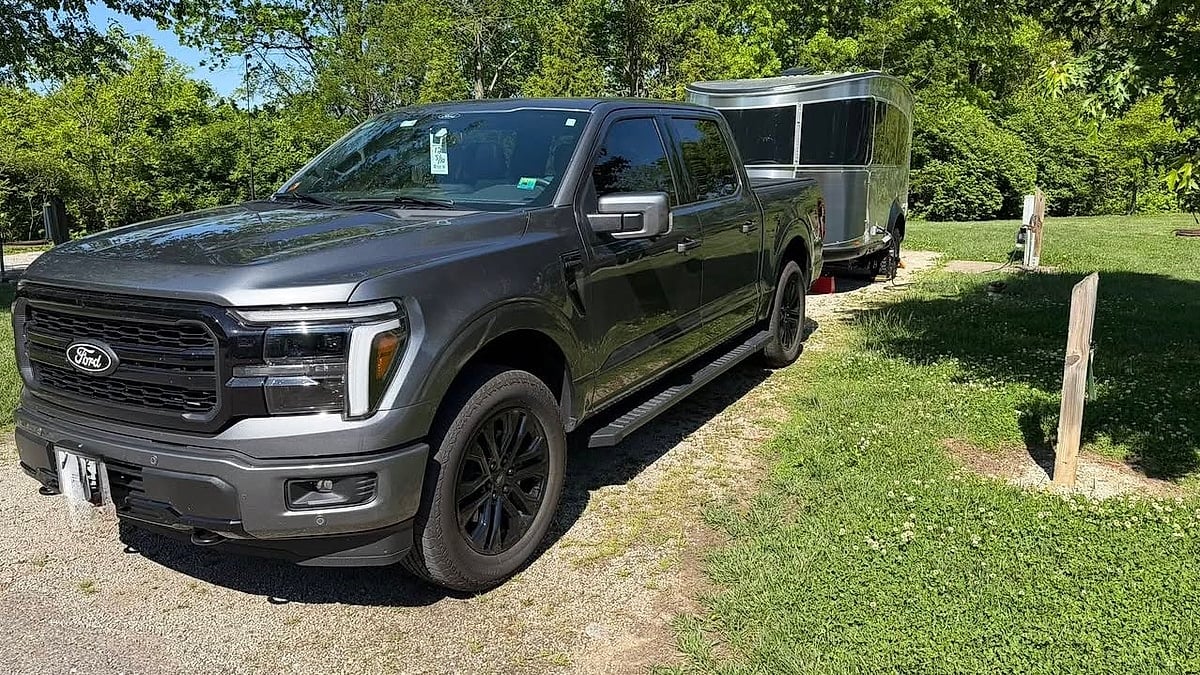
This investigation gained immense momentum after a distressing public testimony from a verified member of the truck community, shifting the narrative from an abstract technical trend to an urgent consumer alert. Brian R. Luedke from Richmond, Illinois, on the Ford F-150 5.0 Owners Facebook page says, “Here goes the 2026 Ford F-150 I just purchased. Wonderful! We are now about 10 hours from home, towing our Airstream Basecamp 20x, 4,300 lb trailer. Piece of sh*t! I don’t expect them to be perfect, but it’s my first Ford and the very first vehicle to leave me stranded in 56 years of going around the sun. It’s only got 6,300 miles on it, and yes, I do expect an almost $80k truck to perform. I don’t think that is too much to expect. It started making a loud clanking sound that increased in sound and speed when the gas pedal was pushed. It did it in park or while driving. It sounded very metallic. The tapping sound increases in sound and speed as the engine accelerates.”
Technical Breakdown of Valvetrain Geometry
Torque News technical analysis by Denis Flierl identifies a critical gap between factory maintenance schedules and real-world longevity, in which continuous load cycles cause a major loss of hydraulic integrity within the Variable Cam Timing oil control circuits. When a vehicle tows a light 4,300-pound trailer up steep mountain grades, the engine control module uses an electronic variable-displacement pump to prioritize fuel savings over maximum cushioning of parts.
This operational failure pattern was analyzed extensively in the SAE International Powertrain Engineering Index, where engineering experts at the Society of Automotive Engineers found that "modern ultra-low-viscosity oils struggle to maintain hydraulic line pressure under severe thermal stress." This high-temperature thinning reduces the internal pressure in the cylinder head fluid channels, causing the spring-loaded locking pins in the exhaust cam phasers to disengage under the intense weight of the valvetrain.
Once hydraulic pressure drops below the minimum limit, the phaser's internal rotor slams violently against its outer housing, creating an air pocket and rotational slack that produces a loud, metallic clanking noise that gets louder and faster as the driver presses the gas pedal to maintain speed. Compounding this risk, the dual-injection system's mechanical high-pressure fuel pump driven by a dedicated camshaft lobe places immense stress on the passenger-side cylinder head, meaning restricted oil flow can cause severe scuffing on the camshaft journals, create severe slack in the timing chain, and turn a minor drop in oil pressure into a major engine failure.

High Altitude Testing Realities and Regional Findings
The technical risks of modern truck engines intensify dramatically in high-altitude geographic corridors like Colorado's mountain passes outside Parker or the Cherry Creek Trail basin, where environmental demands reveal an unresolved dispute over engine control logic under heavy load. In our ongoing coverage of Ford reliability, Torque News Senior Reporter Denis Flierl has uncovered an ongoing dispute over how modern engine control logic handles extreme altitude changes under heavy load.
Driving up these steep grades requires prolonged wide-open-throttle inputs that drive engine temperatures sky-high, while thinner mountain air simultaneously reduces radiator cooling efficiency.
This combination of low atmospheric pressure and intense heat causes oil temperatures to surge and the oil to thin out, making it incredibly difficult for the factory variable pump to maintain sufficient hydraulic pressure to the engine's top end. Consequently, trucks operating in the high-altitude Rocky Mountain region experience cam phaser failures at twice the rate of sea-level vehicles, proving that mountain towing rapidly destroys clean valvetrain components and that standard factory testing fails to account for these extreme real-world stresses.

Technical Observations From Owner Communities
This pattern of top-end engine failure aligns with a growing number of technical reports surfacing on major automotive enthusiast platforms, where owners share detailed findings that corroborate our investigation. In a recent technical discussion on r/f150, several owners noted that the severe metallic tapping noise often appeared after prolonged highway driving under heavy load.
From my 30 years of experience, this aligns with how sensitive Ford's variable-displacement oil pumps are to slight changes in oil viscosity when the engine is running hot under load, as you can see in the r/f150 Engine Diagnostic Thread. This community feedback confirms that when these complex components are under high thermal stress, the engine oil can thin enough to cause the internal locking pins to slip out of alignment.
Another owner highlighted the vulnerability of the new design, mentioning that a small amount of metal debris in the oil lines can clog the tiny screens inside the variable camshaft solenoids, causing the timing gears to rattle violently, as found in this r/f150 Cam Phaser Failure Log.
In my 30 years of experience monitoring high-output multi-valve engines, I have found that when a manufacturer reduces the size of oil passages to maximize pressure efficiency, it creates a system with zero tolerance for tiny metal particles or oil thinning. When an owner hooks up an aerodynamic trailer and hits the highway, they are unknowingly pushing a fragile hydraulic system to its absolute limit, turning minor part friction into a sudden, unexpected breakdown.
Key Takeaways
- Audit engine oil levels and condition every 3,000 miles if you regularly use your vehicle for heavy towing or high-altitude hauling.
- Monitor early warning indicators, such as brief tapping sounds during warm restarts, which signal a loss of hydraulic pressure in the upper valvetrain.
- Document all initial noise symptoms using high-fidelity audio recordings before visiting the dealership to ensure clear communication with service advisors.
- Demand a comprehensive oil pressure test across the entire engine speed range from your technician, rather than relying solely on generic electronic trouble codes.
The Critical Question Facing New Truck Buyers
The biggest question now facing the light-duty truck industry is whether modern high-tech engines can truly handle the demanding, long-term workloads promised in flashy marketing brochures.
The light-duty truck industry faces a critical durability crisis as modern high-tech engines suffer catastrophic mechanical failures at just 6,300 miles, revealing that advanced engineering strategies like ultra-thin oils and electronic variable oil pumps may fundamentally shorten vehicle lifespans under real-world stress.
This systemic vulnerability creates a stark gap between official fuel economy ratings and actual heavy-duty capability, leaving repair bays filled with low-mileage trucks waiting for backordered components. To mitigate this immediate risk, vehicle owners must closely monitor engine health metrics and thoroughly understand their warranty rights to protect themselves against premature powertrain failures.
Summary of Factory Towing Vulnerabilities
This consumer watchdog investigation demonstrates that high-tech engine designs remain highly vulnerable to sudden fluid pressure losses when working hard under load. Vehicle owners should not assume that a clean dashboard means their internal engine components are operating safely under heavy towing stress. Proactive engine monitoring, timely oil changes, and a clear understanding of early valvetrain warning signs are absolutely essential to prevent a sudden breakdown far from home.
What About You? Have you experienced unusual engine noises or sudden power drops while towing with your late-model truck? Tell us what you think and share your story by leaving a comment using the red "Add new comment" link below.
What’s Next
Read the second part of our deep-dive coverage stream, Ford’s Strict Engine Replacement Rules Leave F-150 Tow Owners Stuck in Service Bays, where we break down the complex legal challenges owners face when seeking full engine replacements at local dealerships. This upcoming report exposes internal service bulletins, parts backorder timelines, and step-by-step instructions for effectively navigating corporate lemon laws if your truck is left sitting in a repair bay.
About The Author
Denis Flierl is a 14-year Senior Reporter at Torque News and a member of the Rocky Mountain Automotive Press (RMAP) with 30+ years of industry experience. Explore his full investigative reporting archives and technical guides at DenisFlierl.com. Based in Parker, Colorado, Denis leverages the Rockies' high-altitude terrain as a rigorous testing ground to provide "boots-on-the-ground" analysis for readers across the Rocky Mountain region, California EV corridors, the Northeast, Texas truck markets, and Midwest agricultural zones. A former professional test driver and consultant for Ford, GM, Ram, Toyota, and Tesla, he delivers data-backed insights on reliability and market shifts. Denis cuts through the noise to provide national audiences with the real-world reporting today’s landscape demands. Connect with Denis: Find him on LinkedIn, X @DenisFlierl, @WorldsCoolestRides, Facebook, and Instagram.
Photo credit: Denis Flierl via Brian R. Luedke
Set Torque News as Preferred Source on Google
Follow us today...






