
This report serves as the practical consumer-advocacy companion to our technical investigation, "Silverado 5.3L Lifter Failure Analysis: How DFM Cycle Stalling Causes Catastrophic Top-End Collapse at 70,000 Miles," in which we decoded the metallurgical and hydraulic "root causes" behind the current reliability recession. While that analysis focused on the why of mechanical collapse, this action plan focuses on the how specifically, how you can protect your investment in an era where manufacturing standards are increasingly volatile.
The Consumer Advocate’s Lens: Beyond the Marketing Gloss
In my 30 years of consulting for major brands, I have seen the gap between "marketing reliability" and "field reality" widen to a canyon. As a third-generation Colorado native, I’ve watched trucks struggle specifically with the high-altitude thermal cycles of the Rockies, an environment that exposes drivetrain weaknesses faster than almost anywhere else in the country. Whether you are climbing the Floyd Hill bottleneck or hauling a trailer over Vail Pass, the stress on your 2026 Silverado, F-150, or Tundra is amplified.
If you are currently driving one of the "Big Four," you are not just an owner; you are an involuntary field tester for high-pressure die-casting and complex cylinder deactivation systems. The following steps constitute your insurance against a $10,000 out-of-warranty repair bill.
Step 1: Implementing the "Rocky Mountain" Maintenance Protocol
The standard manufacturer oil-life monitor is designed for the "ideal" consumer, not the heavy-duty reality of Colorado truck life.
- The 5,000-Mile Hard Limit: Regardless of what your dashboard says, you must change your oil every 5,000 miles to prevent varnish buildup that can lead to DFM lifter stick.
- Transmission Thermal Management: The 10-speed units in the F-150 and Silverado are prone to fluid aeration. If you are towing in high-density areas like Parker or Castle Rock, consider an auxiliary transmission cooler if your trim didn't include the "Max Trailering" package.
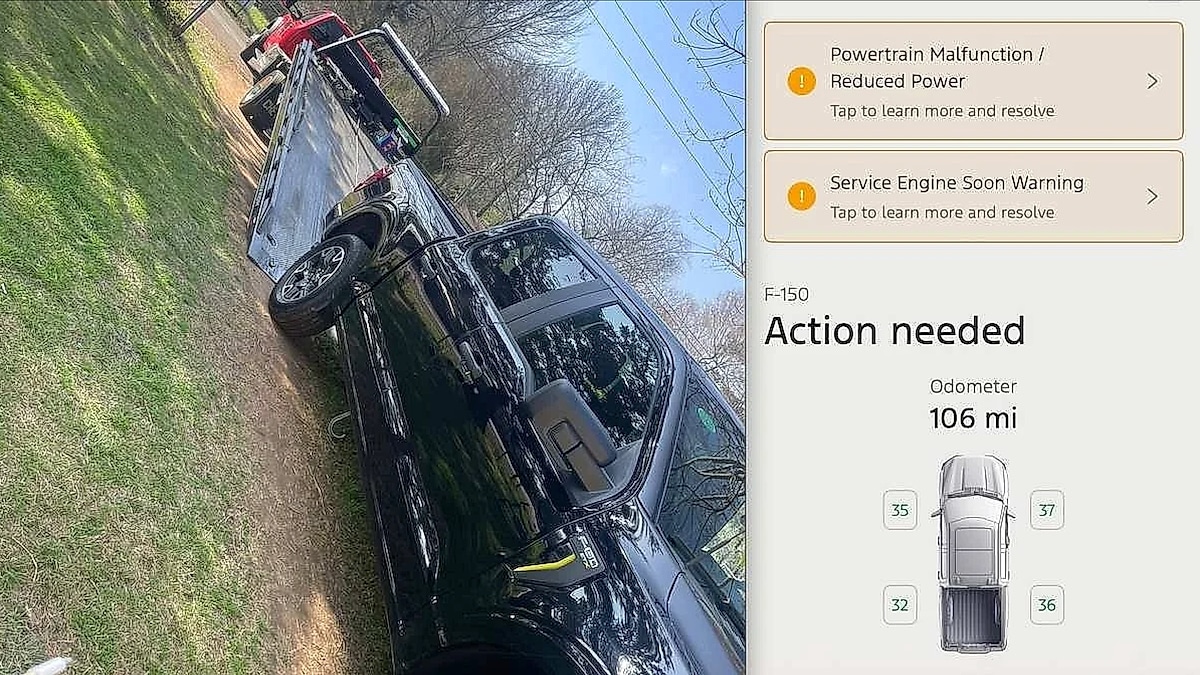
As I documented in my previous reports, we’ve seen 2026 F-150 10-speed transmission failures, proving that factory-fill fluids and early-life break-in cycles are the most dangerous times for your truck. You cannot trust the "Lifetime Fluid" claim; in the technical world, "lifetime" often just means "until the warranty expires." This aligns with my recent findings, where I detailed how a 2026 Ford F-150 10-speed transmission failed at just 106 miles, a clear indicator of "infant mortality" in modern drivetrain production.
Step 2: Leveraging the Defense in Dealership Disputes
When your truck begins to shudder or "hunt" for gears, a common symptom of the GM 10-speed transmission defects, the dealership's first response is often "could not reproduce" or a simple software flash.
- Document the Shudder: Use your phone to record tachometer fluctuations during steady-state cruising.
- Cite Official Defect Data: Mention specific technical bulletins or recognized reports. For instance, CarPro has highlighted Toyota’s engine recalls involving machining debris, and legal experts at Lemon Law Help have verified that these 10-speed issues often involve internal hardware non-conformity that software cannot fix.
- Demand a Fluid Analysis: If the dealer refuses a teardown, ask for a fluid sample analysis. Suspended metal shavings are the "smoking gun" for the machining debris issues seen in the Tundra twin-turbo V6 engine failures.
Step 3: Navigating the 2026 Warranty Minefield
Not all warranties are created equal. In 2026, the best information for consumers is recognizing the difference between an "Inclusionary" and "Exclusionary" policy.
- Exclusionary is Mandatory: You want a policy that covers everything except a small list of wear items.
- The "Seals and Gaskets" Clause: Ensure your policy covers seals and gaskets even if they aren't the primary cause of failure. This is often how claims for Silverado lifter failures are denied.
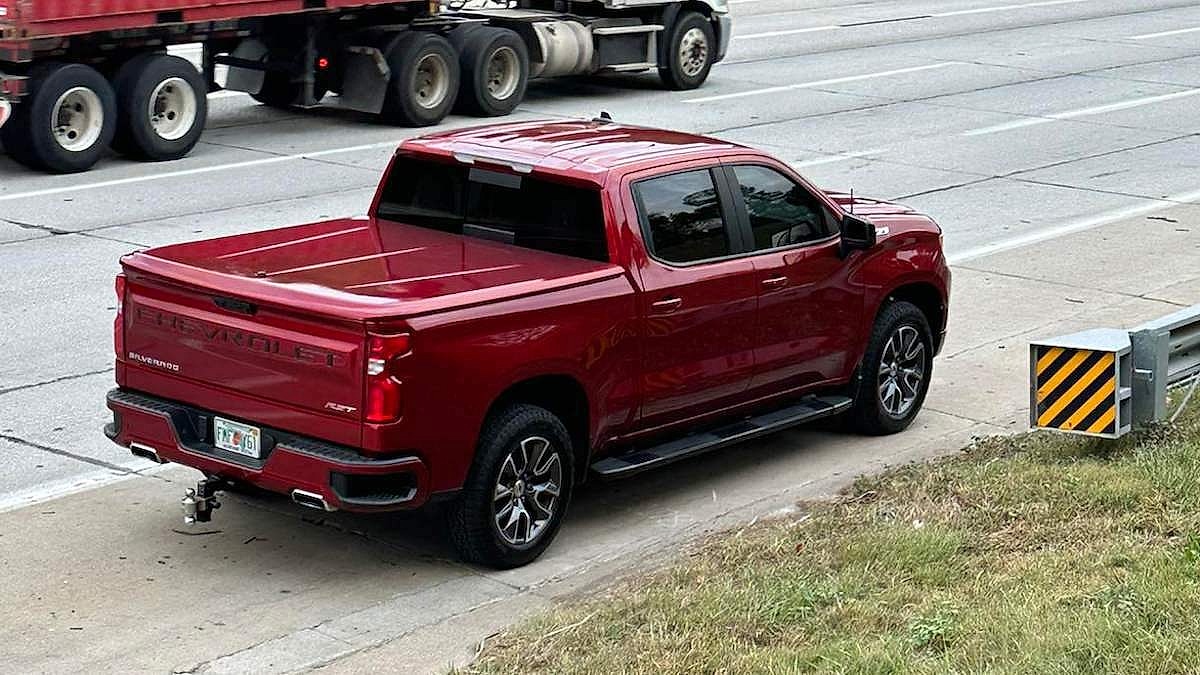
In my ongoing investigation into GM's reliability, I recently covered a case in which a 2024 Chevy Silverado 1500 owner called their truck 'garbage' after a complete engine shutdown at 30k miles. This case proves that even relatively low-mileage vehicles are not immune to catastrophic part failure, making the right warranty selection your most critical "Next Step."
Strategic Comparisons: What Owners are Reporting
My investigative feed is filled with warnings across all major platforms. You should review my deep dives into why Silverado owners are calling their trucks 'garbage' after being stranded at 30,000 miles, or why the 2026 Tundra’s engine failure at 10,000 miles has shaken the foundation of Toyota’s reliability reputation.
Community Field Observation: "Get the truck you like the best, buy a good extended warranty, keep up with your service religiously, cross your fingers, and most of all enjoy!" Jeff Sickle, Texas owner.
Jeff’s advice is the ultimate "Action Plan." It acknowledges the reality that modern manufacturing has a high "Infant Mortality" rate across all brands.
Key Takeaways for Proactive Protection
- Perform a forensic fluid analysis at 10,000 miles to detect early-stage metallurgical wear.
- Reject any service advice that suggests a 10,000+ mile oil change interval for Colorado driving.
- Secure an independent, exclusionary extended warranty before your factory 36,000-mile bumper-to-bumper coverage expires.
- Monitor the "Community Perspectives" on Reddit and Facebook to identify if your specific VIN batch is part of a known defect run.
- Follow my latest reports for the best information for Silverado, Ram, F-150, and Tundra truck owners.
The Solution for Your Wallet
I offer content that offers a solution, not just a complaint. The solution to the 2026 reliability crisis is aggressive prevention. By treating your truck like a high-performance machine that requires forensic-level maintenance, you bypass the "built-in obsolescence" that is currently plaguing the industry.
Tell Us What You Think: Have you had to fight a dealership for a powertrain repair recently? Leave a comment below and let us know which brand let you down or which one stepped up to the plate.
About The Author
Denis Flierl is a 14-year Senior Reporter at Torque News and a member of the Rocky Mountain Automotive Press (RMAP) with 30+ years of industry experience. Explore his full investigative reporting archives and technical guides at DenisFlierl.com. Based in Parker, Colorado, Denis leverages the Rockies' high-altitude terrain as a rigorous testing ground to provide "boots-on-the-ground" analysis for readers across the Rocky Mountain region, California EV corridors, the Northeast, Texas truck markets, and Midwest agricultural zones. A former professional test driver and consultant for Ford, GM, Ram, Toyota, and Tesla, he delivers data-backed insights on reliability and market shifts. Denis cuts through the noise to provide national audiences with the real-world reporting today’s landscape demands. Connect with Denis: Find him on LinkedIn, X @DenisFlierl, @WorldsCoolestRides, Facebook, and Instagram.
Photo credit: Denis Flierl
Set Torque News as Preferred Source on Google
Follow us today...