
The 25,000-Mile Tundra Truth
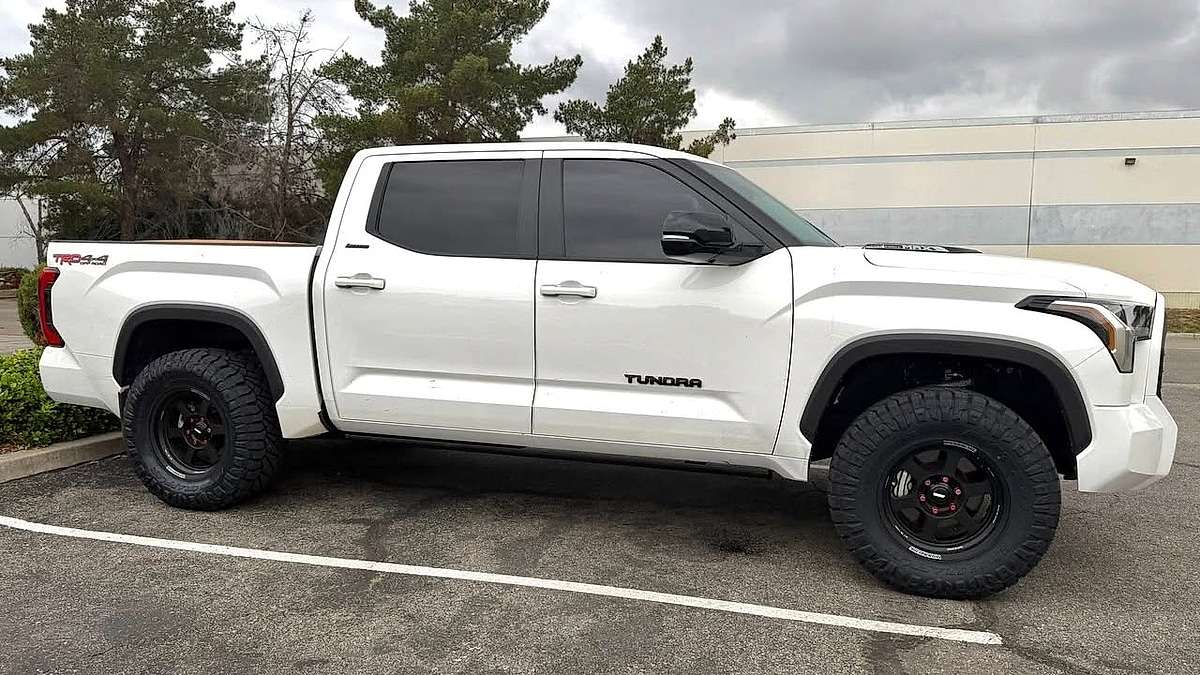
After 30 years of covering the automotive beat, I have learned that the real story of a truck isn't told in a glossy brochure or a 15-minute test drive. It is told in the driveway of an owner like Alex Guyenne. His 2024 Toyota Tundra Limited Hybrid with the TRD Off-Road package recently hit the 25,000-mile mark, a critical milestone for the third-generation Tundra. While the headlines have been dominated by catastrophic engine recalls and "swarf" debris, Alex’s report offers a refreshing, albeit slightly "cracked," perspective.
His only mechanical or interior failure was a broken plastic seat shield. This report investigates why this specific plastic part is becoming a universal headache for owners and how Alex is now spending $8,500 to transform his "mall crawler" into a legitimate off-road camping rig. We analyze the technical specs of his new FOX Elite suspension build and why his 25K-mile reliability win is a massive signal for the Tundra's long-term outlook.
From my view as a senior reporter, 25,000 miles is the "truth zone" for any new vehicle. It is the point where the honeymoon phase ends and the real-world durability of a platform begins to show its teeth. For Alex Guyenne, an owner out of Anaheim, California, his nearly two-year journey with a stock 2024 Toyota Tundra Limited Hybrid has been remarkably smooth, save for one nagging issue that I have seen pop up more than a few times lately.
Alex shared his experience on the Toyota Tundra Owners group Facebook page, stating:
“Almost 2 years with my stock 2024 Toyota Tundra Limited w/ TRD Off Road Package (hybrid), 25,000 miles, and the only real issue was the plastic on the driver seat broke because I’m a fatty…I’ve decided to turn my mall crawler into a nicer mall crawler. Seeing everyone and their lifted trucks, beefy tires, and smiles per gallon…I was getting jealous.”
I have been closely tracking this specific seat trim issue, and it is part of a pattern of problems with new Tundras, with owners raising red flags about interior material quality. In fact, a recent report highlights that the plastic siding on the driver's seat appears to have a design flaw that often cracks repeatedly, even after a dealership replacement.
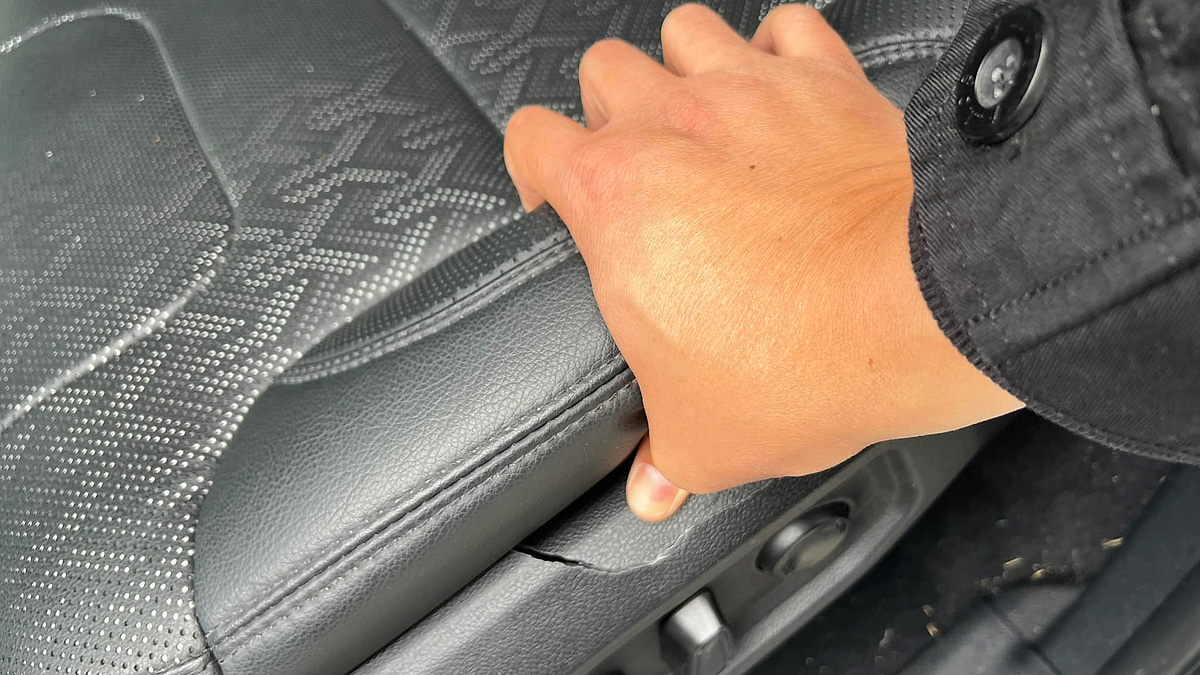
My take is that while Alex blames his own weight, the data suggests otherwise. This is a technical failure of the seat shield assembly. Even the National Highway Traffic Safety Administration (NHTSA) has acknowledged this, noting in a Technical Service Bulletin that certain 2022-2023 Tundra and Tundra Hybrid vehicles exhibit a loose or broken front seat cushion shield due to usage stress. You can read the official manufacturer communication and the NHTSA T-SB-0007-24 details.
The 25K Milestone
To understand the significance of this report, we have to look at the Who, How, and Why of Alex’s situation.
- Who: Alex is a typical "High-Utility" owner. He isn't just commuting; he is prepping for camping trips and dealing with the stop-and-go stress of Southern California traffic.
- How: How did the truck hold up? Aside from the seat plastic, the i-FORCE MAX hybrid powertrain has been flawless. This is vital because many owners are terrified of the transition to the twin-turbo V6.
- Why: Why the $8,500 investment now? Alex admitted to "smiles per gallon" envy. He is moving from a "pavement princess" setup to a high-performance overland build because the truck has earned his trust over 25,000 miles.
I’ve seen many Tundra owners reach this same crossroads. When the engine proves it won't quit, the "mod bug" bites hard. In my 30 years of experience, I’ve noticed that Toyota owners are more likely to invest heavily in aftermarket parts because they expect the base vehicle to last 200,000 miles. As I noted in a previous analysis of Tundra engine longevity, the transition from the old-school V8 to the high-tech twin-turbo V6 has been anything but smooth for some, yet many 2024 models are finally showing the stability fans expected.
What You Need To Know
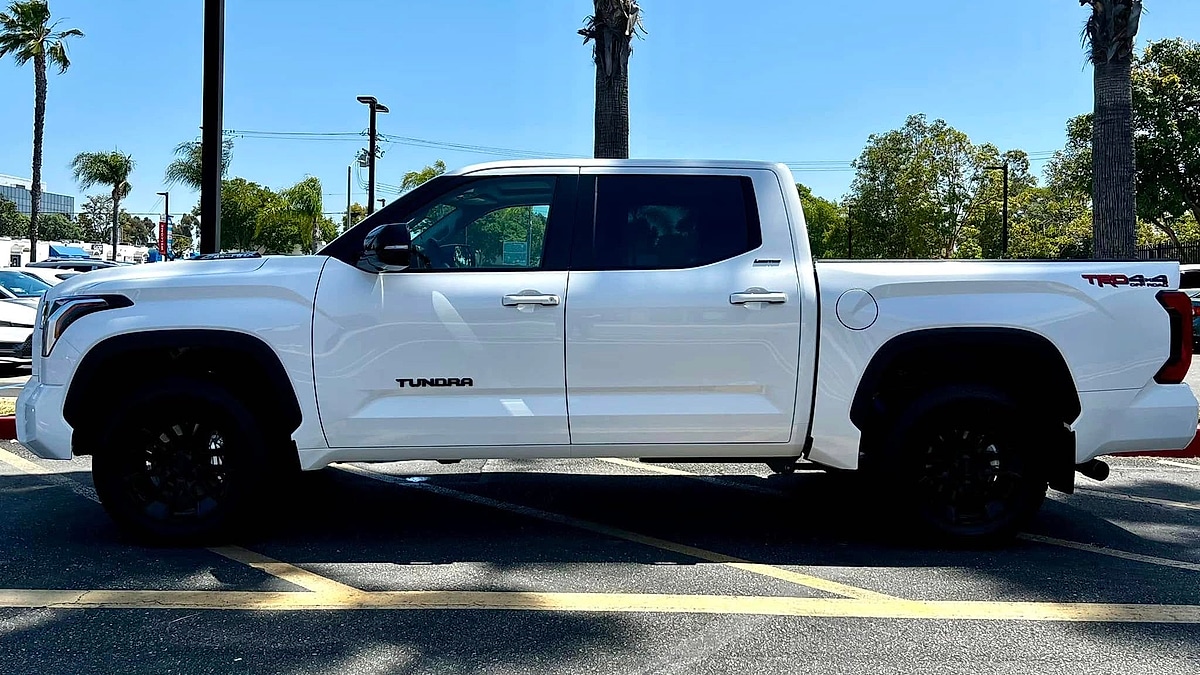
If you are sitting in a 2024 or 2025 Tundra, or considering buying one, here is my investigator's breakdown of what Alex’s experience actually means for the market.
- The Seat Plastic is a Design Flaw, Not a "Fatty" Issue: Don't let the dealer tell you that you are entering the truck incorrectly. The plastic shield lacks sufficient structural support for the seat foam compression.
- The Hybrid Battery Reliability: At 25,000 miles, the hybrid system in the 2024 Limited is proving robust. We are not seeing the early-cycle cell failures that plagued some other brands in their first two years.
- Information on the Build: Alex didn't just go for a cheap spacer lift. He chose the FOX Performance Elite Series Suspension with Camburg UCAs. This is a "pro-level" move. The +0 offset on 18x9 TE37 XT wheels is the "golden ratio" for the Tundra, providing a wider stance without destroying the wheel bearings.
- Resale Value Impact: A Tundra with a documented "no-issue" 25K-mile engine report is currently gold on the used market.
Expert reviewers at Kelley Blue Book have also noted that while the Tundra's styling and performance are top-tier, quality remains the weakest link for some owners. You can see how Alex's experience compares to the broader consumer sentiment in the KBB Tundra Review.
Field Observations from Owner Communities
I spend a lot of time "in the trenches" on Reddit and enthusiast forums to see what owners are saying when they think nobody is looking. The seat issue is a massive point of contention.
In a recent technical discussion on r/ToyotaTundra, one owner lamented the fragile nature of the interior, stating, "The newer Toyotas are using extremely brittle interior plastic. Until the part number changes, these will keep breaking. I just had to change my entire get-in and get-out procedure to avoid this happening." You can read that full discussion here on Reddit.
Another owner echoed Alex's experience but with a more frustrated tone, noting, "It’s an issue with the seat design. Unless you're a small person, it's impossible to get out without putting pressure on the top of that piece. If the padding wasn't paper-thin, it wouldn't be an issue," which was found in this Reddit thread.
My Take: From Pavement Princess to Camping Rig
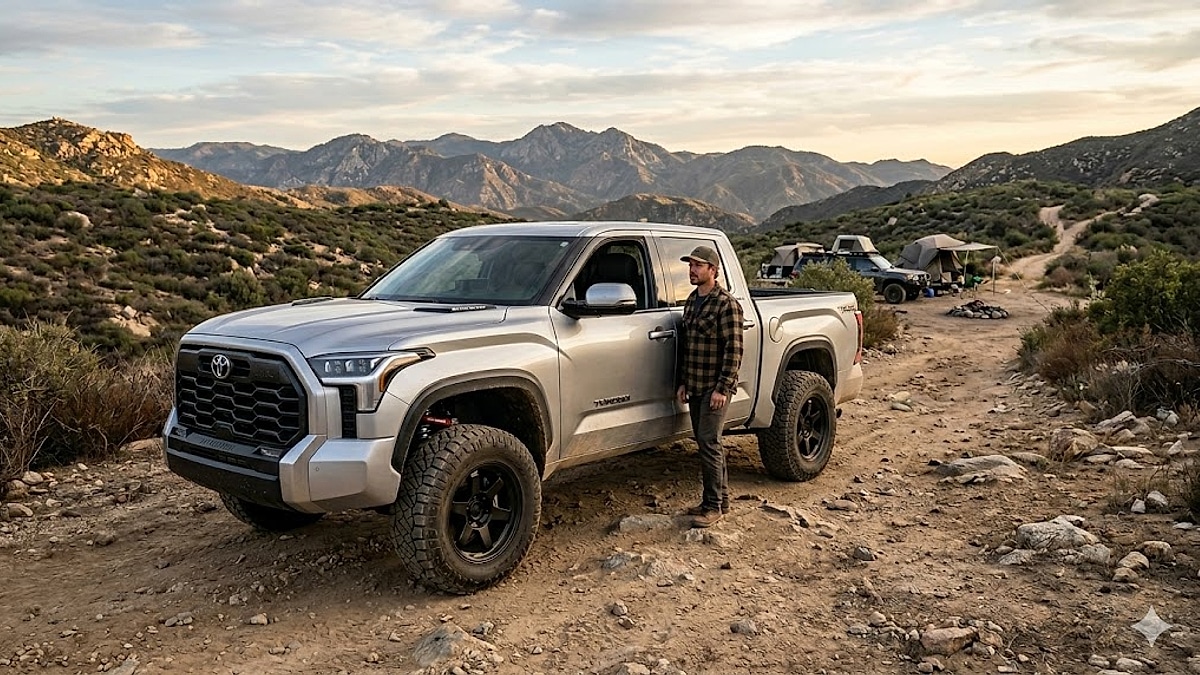
Alex's decision to drop nearly $9,000 on his truck tells me one thing: the Tundra Hybrid is a keeper. You don't put Nitto Ridge Grapplers (35/12.5/18) and OME Rear Springs on a truck you plan to trade in next month.
I’ve talked to thousands of truck owners over the decades. The ones who are happy are the ones who stop worrying about the "what ifs" and start building the truck for their lifestyle. Alex is taking his Tundra camping next week to see how it handles life off the pavement. Hopefully, the FOX Elite series will transform the "jittery" feel of the stock TRD Off-Road suspension into a cloud-like ride over washboard roads.
Key Takeaways for My Readers
- Document Everything: If your seat plastic cracks, take it to the dealer immediately and reference T-SB-0007-24.
- The Hybrid Advantage: The extra torque from the hybrid system is essential when you move up to 35-inch tires. It helps compensate for the added rotational mass that usually "kills" the power on standard V6 engines.
- Suspension Matters: If you are going to mod, do it like Alex. Avoid "puck" lifts. Go for full coilover replacements, like the FOX Elite series, to maintain the truck's safety and geometry.
- Reliability is Trending Up: While the 2022 models had major teething issues, the 2024 models, like Alex's, seem to mark a turning point for Toyota's quality control.
A Win for the Tundra Faithful
Alex Guyenne’s 25,000-mile report is the kind of news Tundra fans have been waiting for. It proves that the core of the truck, the engine, the transmission, and the hybrid system, is capable of handling daily abuse and heavy modifications without breaking a sweat. Yes, the interior plastics might feel "cheap" or break under pressure, but in the grand scheme of truck ownership, I’d rather replace a plastic seat shield than a short-block engine. Alex is proving that the 2024 Tundra is ready to move past its "mall crawler" reputation and back into the wild where it belongs.
How About You? Have you experienced the "broken seat" issue in your new Tundra, or has your truck been as reliable as Alex's? Are you planning a major off-road build soon? Please leave a comment in the red “Add new comment” link below.
About The Author
Denis Flierl is a 14-year Senior Reporter at Torque News and a member of the Rocky Mountain Automotive Press (RMAP) with 30+ years of industry experience. Based in Parker, Colorado, Denis leverages the Rockies' high-altitude terrain as a rigorous testing ground to provide "boots-on-the-ground" analysis for readers across the Rocky Mountain region, California EV corridors, the Northeast, Texas truck markets, and Midwest agricultural zones. A former professional test driver and consultant for Ford, GM, Ram, Toyota, and Tesla, he delivers data-backed insights on reliability and market shifts. Denis cuts through the noise to provide national audiences with the real-world reporting today’s landscape demands. Connect with Denis: Find him on LinkedIn, X @DenisFlierl, @WorldsCoolestRides, Facebook, and Instagram.
Photo credit: Denis Flierl via Alex Guyenne
Set Torque News as Preferred Source on Google
Follow us today...