
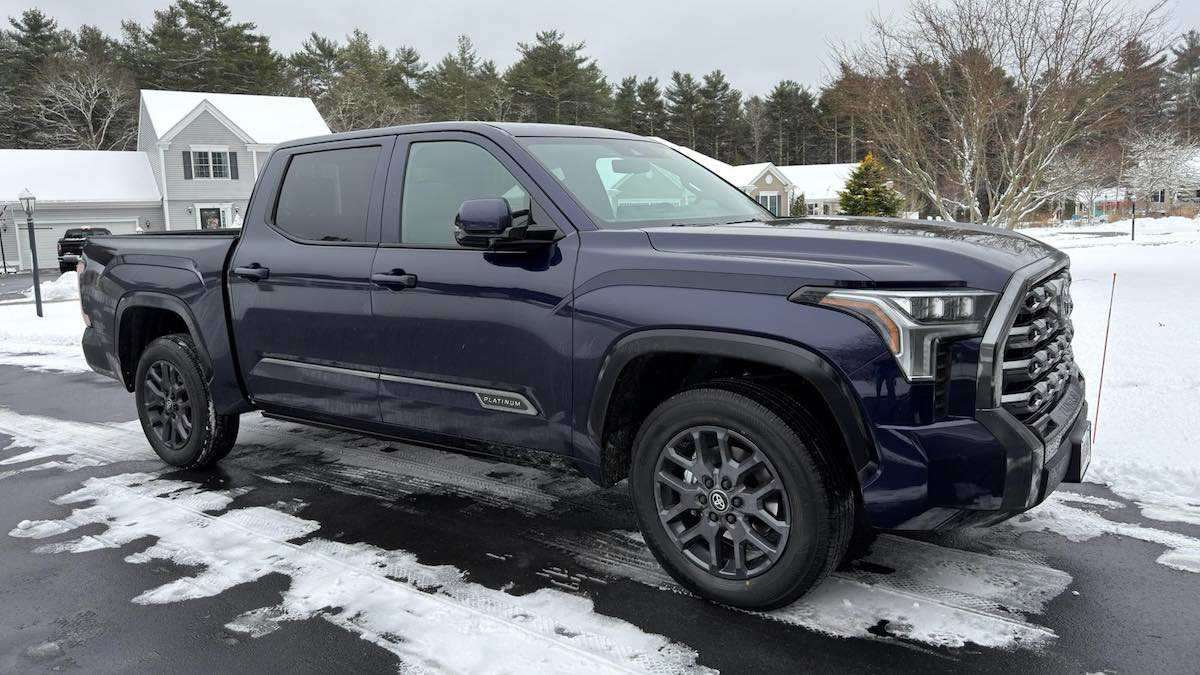

He traded his dream Ford F-150 for a new Toyota Tundra, but a sudden engine recall has him wondering if he just made the biggest mistake of his life.
Imagine finally pulling the trigger on that shiny 2026 Toyota Tundra after years of eyeing the Japanese brand's legendary reliability, only to realize the "bulletproof" reputation might have a massive crack in it. You traded in your high-end Ford F-150 King Ranch for what you thought was a safer bet, but as you scroll through owner forums, you are suddenly met with a tidal wave of warnings about catastrophic engine failures and massive recalls.
Jack Ward on the 2023-2026 Toyota Tundra Owners Facebook page says,
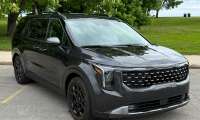
“I just traded my 2021 Ford F-150 King Ranch for this 2026 Toyota Tundra this week. I’m a first-time owner of a Toyota vehicle. I love it so far, but after reading the comments, I’m told that there is a Toyota Tundra engine recall. I should have done more research. Now I’m worried I made a mistake.”
In the comments, Scott Mcgowan offers a blunt reality check, suggesting the timing of the trade might have been a gamble given the current climate of engine uncertainty surrounding the new platform.
“It doesn’t seem like a good idea to have made the trade right now. Did you check whether your new Tundra has a recall for the new engine?”
The 2026 Toyota Tundra Engine Recall Crisis:
As someone who has spent over 30 years in the automotive industry, I have seen brands rise and fall on the strength of their powertrains. I have been tracking the Toyota Tundra i-FORCE MAX engine reliability saga since this third-generation truck first hit the pavement in 2022. For decades, the Tundra was the "gold standard" for 200,000-mile longevity, but the transition from the old-school V8 to the high-tech twin-turbo V6 has been anything but smooth.
When I hear about a first-time Toyota owner like Jack trading in a proven 2021 Ford F-150 King Ranch, my heart sinks just a bit. Not because the Tundra is a bad truck, it’s actually a marvel of engineering, but because the timing of such a move requires a deep understanding of the Toyota Tundra V6 engine manufacturing defect that has haunted the production lines in Huntsville, Alabama.
The Swarf Problem: What You Need To Know
The core issue that triggered the initial massive recall involves "swarf," tiny metal machining debris left inside the engine block during manufacturing. This debris can migrate into the oiling system, get trapped in the main bearings, and eventually lead to the engine seizing up at highway speeds. This isn't just a minor leak; it’s a catastrophic Toyota Tundra engine failure that leaves drivers without power steering or brakes in the middle of traffic.
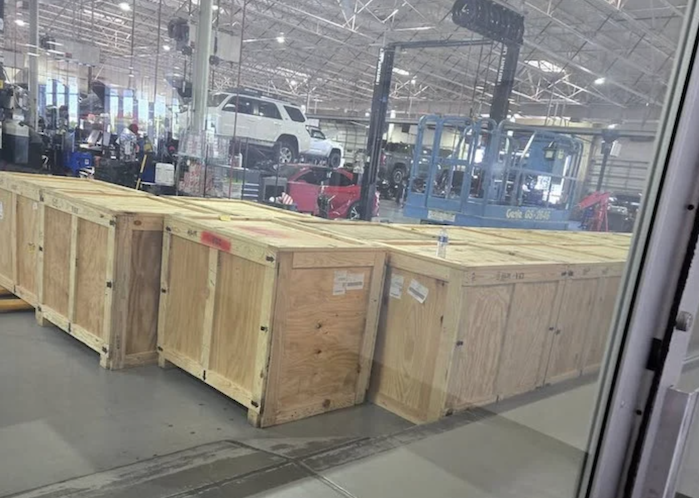
I recently covered the logistics of this nightmare in my report: I'm at the Toyota Dealer Getting My 2025 Tundra Oil Changed, and I See Dozens of Crates With New Engines Waiting, They Can't Swap Them Out Fast Enough. Seeing those crates of engines piled up at dealerships is a sobering reminder of the scale Toyota is dealing with.
Is the 2026 Tundra Safe?
Toyota has maintained that the debris issue was corrected in production by early 2024. However, as a senior reporter, I have to look at the data coming from the front lines. We are seeing reports of 2025 and even early 2026 models experiencing similar "spun bearing" symptoms. Whether this is still leftover debris or a deeper design flaw in the twin-turbo 3.4-liter V6 crankshaft bearings remains a hot topic of debate among master technicians.
For those who think the newer years are completely out of the woods, you need to read my analysis: Toyota Tundra Owner Says, “24K and I’m Getting a New Engine, No Issues With Toyota, They Loaned Me a 2025 TRD, and I’ll Get Mine Back in 3 Months”. This story highlights that even the "flagship" trims aren't immune to these growing pains.
The "Grey Area"
The most frustrating part for owners like Jack is the "grey area." If your truck hasn't failed yet, and your VIN isn't officially on the recall list, you are essentially driving a ticking time bomb while watching your resale value take a hit. I’ve spoken with owners who are seeing their Toyota Tundra trade-in values depreciate more quickly because buyers are scared of the V6 engine.
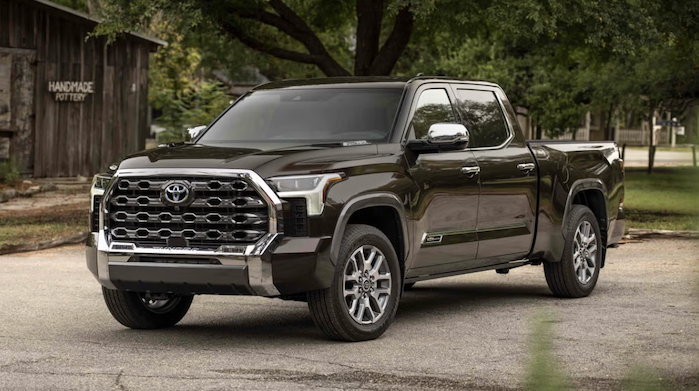
If you are currently in a Tundra and start hearing a rhythmic ticking or a faint metal-on-metal rubbing sound, do not wait. Over the past 30 years, I’ve learned that the "wait and see" approach usually ends with a tow truck and a very long wait for a replacement engine. The backlog is real, and some owners are waiting months for their trucks to be returned.
I detailed the frustration of the repair process in another report: My Toyota Tundra Suddenly Lost Power, and I Need a New Engine. I've Been to the Dealer Countless Times Now. The reality is that a short-block replacement involves a massive amount of labor, sometimes even requiring the removal of the entire cab from the frame.
Key Takeaways for Tundra Owners
- Check Your VIN Often: Don't rely on a letter in the mail. Check the NHTSA and Toyota Owners website monthly for updates.
- Oil Analysis is Your Friend: Use a service like Blackstone Labs to check for high metal content in your oil. It can give you a heads-up before the engine seizes.
- Maintain the Paperwork: If you have any engine hesitation or odd noises, get them documented by the dealer immediately. This builds your case for a buyback if things go south.
- Early Oil Changes: Forget the 10,000-mile interval. I recommend changing your oil every 5,000 miles to keep the oiling system as clean as possible.
What Tundra Owners Are Saying
The Reddit community has been vocal about their experiences. Here is a look at the sentiment from the ground:
"The only reason for the recall is so they don't get sued when the truck stalls and gets smoked by a semi on the interstate. They only need to guarantee the powertrain for 5 years." Reddit User 04limited
"I'm very hesitant to buy a Tundra with no proof that Toyota actually fixed the issue. Ford and GM both have engine options with proven longevity." Reddit User TerminalChaos
"Recalls are one thing Toyota really does right... But I'm seeing drive shaft, lug nuts, and now this. fuck toyota for this, and I'm saying this with two Toyotas in my drive." Reddit User RadoRocks
Conclusion
The 2026 Toyota Tundra is a fantastic truck on paper, offering power and technology that far exceed the old 5.7L V8. However, for a first-time owner coming from a Ford King Ranch, the anxiety of a potential engine failure is a heavy burden to carry. Toyota's reputation was built on trust, and while they are stepping up to replace engines, the "fix" is a logistical marathon that leaves many owners stranded. My advice is to stay hyper-vigilant with maintenance and keep a close eye on your engine's health.
What Would You Do? If you were in Jack’s shoes, would you keep the Tundra and trust the warranty, or would you trade it back for a domestic V8 before the value drops even further? Click the red link below to write your comment and join the community in sharing experiences.
Next Up: Think the engine is the only thing to worry about? I just finished a report on the real-world fuel economy of the new platform, and it’s not what the sticker promised. Check out: I've Had My 2025 Toyota Tundra SR5 Off Road Package For About 2 Months, and I'm NOT Loving the 230 Mile Range On a Full Tank.
With over 30 years of industry experience, Denis Flierl brings an insider’s perspective to Torque News, where he has been a Senior Reporter since 2012. Before picking up the pen, Denis consulted for the automotive industry's biggest brands and honed his skills as a test driver. He cuts through the noise to deliver the latest auto news, compelling owner stories, and the expert analysis necessary to navigate today's changing automotive market.
Have a tip or question? Follow me on X @DenisFlierl and @WorldsCoolestRides, or connect with me on Facebook, Instagram, and LinkedIn.
Photo credit: Denis Flierl
Set Torque News as Preferred Source on Google
Follow us today...



Comments
You should only have to swap…
Permalink
You should only have to swap motors every five to seven years. Toyota makes a fairly OK motor.
It's a great truck, no doubt…
Permalink
It's a great truck, no doubt about it. But you will be swapping the motor before 50k miles, that's all.