
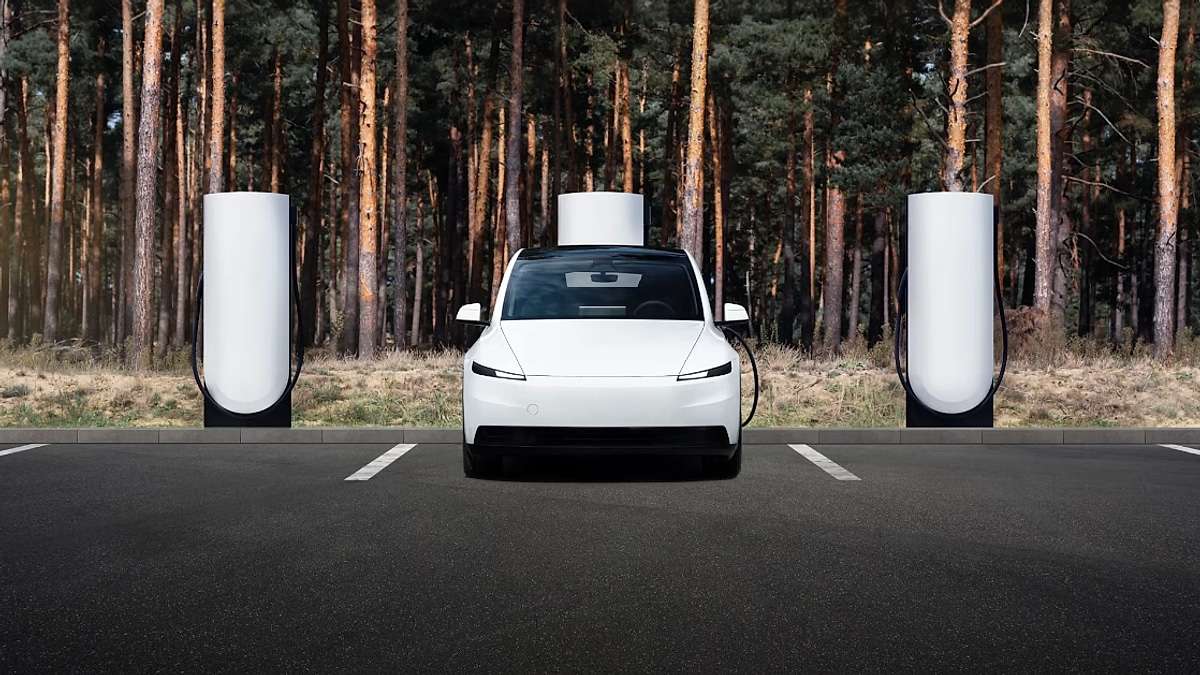

Key Points
- Tesla Charging has officially acknowledged that hidden fees and confusing hardware requirements have long been a serious problem for businesses that want to install EV charging infrastructure, and it is now fixing this with two concrete tools.
- The Supercharger for Business program now features a public pricing system and a financial return on investment calculator that allows any business to enter its specific address and see real projected numbers before signing anything.
- Tesla's three stated goals from this announcement are accelerating private investment, establishing industry clarity on pricing, and reaching true charging ubiquity, which means chargers in hotels, grocery stores, and office parks everywhere.
If you have been following Torque News for any length of time, you already know that the question of where to charge your electric vehicle, and how much it is actually going to cost, is one of the most tangled problems in the entire EV ecosystem. We have covered everything from how EV road trips have gone from miserable to enjoyable in recent years to the hard lessons that come with taking a new Tesla Model Y on its first long trip. But today, something happened that goes much deeper than range anxiety or charging stop etiquette. Tesla Charging just dropped a bombshell, and it is aimed squarely at the business community that has been standing on the sidelines of the EV revolution because nobody would give them a straight answer on the numbers.
Tesla Charging posted the following on X just moments ago: "We launched Supercharger for Business in 2025 to help companies get charging right. We found simplicity and transparency to be a problem in this industry. We're now sharing pricing and a financial calculator to help make informed decisions. The goal is to accelerate investments, clarity and charging ubiquity."
Tesla just made an update wrote in the comments section that this is just for the United States right now. "Just US for now, but pricing & calculator coming soon for countries we operate in," Tesla Charging commented under its post.
That is a remarkable statement from a company that has spent more than a decade building the gold standard of charging infrastructure. Tesla is essentially looking the industry in the eye and saying, yes, we know this is broken, and here is what we are doing about it. Let us break down exactly what that means for you, whether you are a business owner, a daily EV driver, or simply someone who wants to understand where the charging landscape is headed.
Why Charging Transparency Has Been a Pressing Problem for Businesses Considering Supercharger Installation
Here is the problem that nobody talks about loudly enough. When a hotel owner, a shopping center developer, or a corporate office manager sits down to evaluate whether to install EV chargers on their property, they run into a wall almost immediately. There are no clear price lists. Hardware costs vary wildly depending on who you talk to. Software fees are buried in contracts. The return on investment calculation is essentially a guess, because the data to run it has not been publicly available. What does it actually cost to put four Supercharger stalls in a parking lot? How long will it take to break even? How many cars are actually going to use those stalls per day?
These are not exotic questions. They are the exact questions that any sensible business owner asks before writing a six figure check. A minimum four stall V3 installation under the Supercharger for Business program runs over $160,000 before installation costs are even factored in. That is real money for any business, and without clear projections, most companies have simply said no. The result is a charging network that has grown more slowly than it should have on the commercial side, because the financial case was too murky to make confidently.
We have seen this play out in real driver stories too. Readers at Torque News know that charging a non-Tesla EV at a Supercharger can be intimidating and confusing the first time around, and that same confusion has been magnified ten times over for businesses trying to get into the game as hosts rather than just drivers. The solution to this pressing problem is now here, and it comes in the form of two specific tools.
The First Tool: Tesla Now Shares Its Pricing Openly So You Know Exactly What You Are Paying For
The first tool is the new transparent pricing system. This sounds simple, but it represents a fundamental shift in how Tesla approaches the commercial side of its charging business. For the first time, Tesla is publishing the actual costs of its hardware and software packages in a place where business owners can review them without having to call a sales representative, sign an NDA, or sit through a pitch meeting.
Think about what that means in practice. You are the owner of a regional grocery chain. You have been thinking about adding chargers to your parking lots for two years. Every time you looked into it, you hit a paywall of complexity. Now you can go to Tesla's Supercharger for Business page, look at the actual line items, and have a real conversation with your CFO based on real numbers. That is a completely different starting point than the one that existed before this announcement.
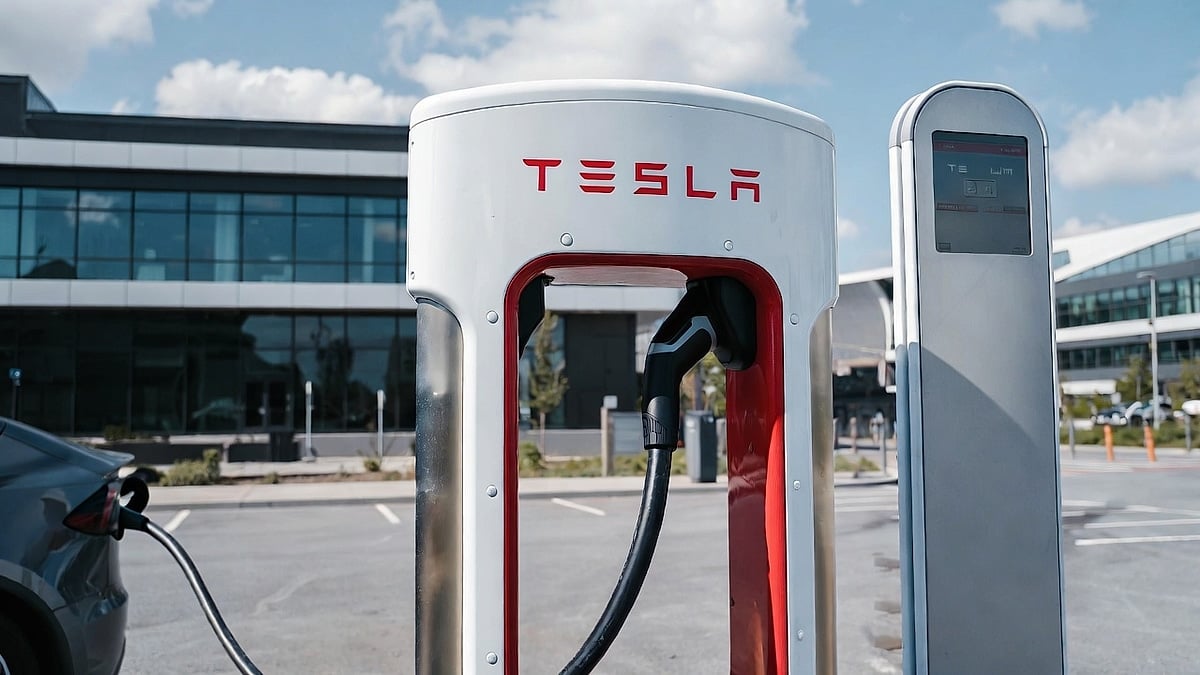
The program offers turnkey charging infrastructure to commercial hosts, including hardware, software, commissioning, and 24 hour network operations, with the V4 Supercharger cabinet delivering up to 500 kW for passenger vehicles. And critically, third party companies can not only purchase and install white labeled Superchargers at their business, but can also get access to a full service package including pricing controls, service, and over the air software updates, with the chargers visible in Tesla EV navigation.
That last point matters more than most people realize. When your business is featured on Tesla's in car navigation, every Tesla driver using trip planner in your area can be automatically routed to your location. Superchargers account for 99 percent of fast charging by Tesla drivers in North America. That is not a minor footnote. That is a marketing channel with massive reach built directly into the pricing of the hardware you are already buying.
The Second Tool: A Financial Calculator That Removes the Guesswork From Your Return on Investment
The second tool is where things get genuinely exciting from a business perspective. Tesla has launched a financial calculator within the Supercharger for Business portal at tesla.com/supercharger-for-business/get. You type in your specific installation address, and the calculator estimates your return on investment based on local traffic patterns, projected usage, and the actual cost of the hardware.
This is the kind of tool that can change a no into a yes in a single board meeting. A restaurant owner who has been told "it depends" every time they asked about EV charger ROI can now walk into the room with a real number. A hotel chain that serves business travelers, many of whom drive EVs, can finally model whether charging is a profit center or a cost center for their specific properties.
From a technical standpoint, this is a serious piece of work. The calculator does not just spit out a generic payback period. It looks at your location and factors in the real variables. Tesla reports over 10 sessions per stall per day at U.S. Supercharger sites, with 2.3 times higher utilization than third party chargers in Europe. When a calculator can plug real utilization data into a location specific model, the output becomes something a business can actually act on. That is the kind of transparency the industry has been missing.
We covered Elon Musk's earlier comments on Tesla's Supercharger profitability targets when the network was first opening to non Tesla vehicles. The math has always worked. Now Tesla is finally giving business owners the tools to see that math for themselves. And as we noted when covering more and more companies adopting the Tesla charging standard, the momentum behind Tesla's infrastructure ecosystem is impossible to ignore.
The Three Infrastructure Goals Tesla Is Chasing With This Announcement
Now let us talk about where this is all going, because Tesla did not just drop two tools and call it a day. The announcement points to three explicit goals, and understanding them tells you a lot about Tesla's broader strategy for the next three to five years.
The first goal is accelerating investments. Tesla does not want to be the only company building Supercharger stations. They want private capital to flow into the network from hotel companies, retail chains, apartment developers, and office park owners. By publishing transparent pricing and a working ROI calculator, they are essentially handing the investment case to anyone willing to look at it. As the initial cohort of partners validates the economics of hosting Superchargers, analysts expect a wave of similar announcements, particularly from regional business networks looking to attract high value EV customers. The program is proving itself already, with partner deployments appearing across multiple states.
The second goal is clarity. This one is pointed directly at the rest of the charging industry, and it reads almost like a challenge. If Tesla can make its pricing and hardware costs completely visible, what excuse does anyone else have for keeping theirs hidden? Tesla's global network surpassed 75,000 stalls and delivered 6.7 terawatt hours of energy in 2025, which Tesla says exceeded the combined output of all other fast chargers outside China. That kind of market position gives Tesla real leverage to set a transparency standard that competitors will have to match, or explain why they will not.
The third goal is what Tesla calls charging ubiquity. This is the big picture ambition. The idea is simple. Chargers should be everywhere. Not just along major highways. Not just at destination resorts. Everywhere. The grocery store where you do your weekly shopping. The office building where you park from Monday through Friday. The neighborhood hotel where your out of town guests stay. The minimum number of charging stalls at a site is four, and after placing an order, a Tesla Design Engineer will be available to guide the customer through the process, with the installed Superchargers available to all EVs including non Tesla vehicles.
Electrek, which has long covered the Supercharger network in detail, has documented how the expansion of Tesla's NACS standard has allowed brands from BMW to Mercedes to access the network, making ubiquity increasingly realistic across all EV brands, not just Tesla.
What This Means for Everyday EV Drivers and Business Owners Right Now
If you are an EV driver today, this news improves your life quietly and consistently over time. Every new business that installs Supercharger stalls because the ROI calculator finally made sense to their CFO is another location where you can stop and charge. We have written before about real world Supercharger reliability being rated "super reliable" by drivers doing long distance runs, and the network only gets better as more stalls come online through this business partnership model.
If you are a business owner, this is your signal to take a serious look. Go to the calculator. Put in your address. Run the numbers. Tesla guarantees 97 percent uptime, and for a typical eight post site, estimates more than 80 customer visits per day. Those are not just drivers plugging in. Those are people on your property, in your store, at your hotel, spending money while their car charges. That foot traffic value alone changes the equation for many businesses.
And if you have been following the story of how businesses are using Tesla vehicles and charging infrastructure to cut costs and improve operations, then you already understand that the financial logic of electric mobility is not theoretical. It is playing out in real businesses right now, and the tools Tesla just released make that logic even easier to access.
The Moral of This Story for Every Business and Every Driver
Here is something worth sitting with. For years, the charging industry operated on the assumption that complexity was acceptable, that business owners would figure it out, that if you wanted to participate in the EV revolution, you would find a way through the fog. Tesla just said that assumption was wrong, and acted on it.
That is a lesson that goes well beyond charging stations. The businesses and individuals who build trust by being transparent about what things cost, how long things take, and what the real return on a decision looks like, are the ones that accelerate progress. Hidden fees and murky projections are not just inconvenient. They are barriers that slow down good things from happening. Whether you are a business owner presenting a proposal, a salesperson quoting a customer, or simply a person making a decision that affects others, clarity is a form of respect. Tesla just demonstrated that publicly.
The history of Tesla's Supercharger network going from six stations in California to a global network that delivered more energy in 2025 than every other fast charger outside China combined is a story about what happens when you commit to infrastructure and keep improving. The two new business tools announced today are just the latest chapter. And if the three goals of investment acceleration, pricing clarity, and charging ubiquity actually land the way Tesla intends, the next chapter could be the most important one yet.
We will be watching the charging maps at Torque News closely. If you want to explore the calculator for yourself or look at the pricing details, head directly to tesla.com/supercharger-for-business/get and put in your address.
Have you ever been a business owner who looked into installing EV chargers and walked away because the costs and returns were too confusing to evaluate? And if you are an EV driver, do you think transparent pricing from Tesla will actually push more businesses in your area to install Supercharger stalls, and how would that change your daily driving experience? Tell us about your personal experience in the comments section below.
About The Author
Armen Hareyan is the founder and Editor-in-Chief of Torque News and an automotive journalist with over 15 years of experience writing car reviews and industry news. Now based in the Charlotte region (Indian Land, SC, he founded Torque News in 2010, which since then has been publishing expert news and analysis about the automotive industry. He can be reached at Torque News on X, Linkedin, Facebook, and Youtube. Armen holds three Masters Degrees, including an MBA, and has become one of the known voices in the industry, specializing in the landscape of electric vehicles and real-world stories of actual car owners. Armen focuses on providing readers with transparent, data-backed analysis bridging the gap of complex engineering and car buyer practicality. Armen frequently participates in automotive events throughout the United States, national and local car reveals and personally test-drives new vehicles every week. Armen has also been published as an automotive expert in publications like the Transit Tomorrow, discussing how will autonomous vehicles reshape the supply chain, and emerging technologies in vehicle maintenance.
Set Torque News as Preferred Source on Google
Follow us today...







Comments
They can out high speed DC…
Permalink
They can out high speed DC chargers, not "Super Chargers." Let's say they are $500,000 installed. And they use me to finance for 6 years at 0% with $0 down.
That puts their payment at roughly $7,000 a month for 6 years.
If they charge market rates, they can make $0.20 Kwh. Or $16 to $20 per car filling from 10 to 100%. That takes 30 minutes to 1.5 hours for most cars.
$15 a car into $7,000 a month is 480 cars a month or 16 a day. 4 pumps so that is 4 per day per pump to break even. Touch numbers. Feel free to adjust accordingly. Thanks Tesla!
10 cents per kWh is a lot…
Permalink
10 cents per kWh is a lot higher than the 2 cents / kWh I've seen on previous Tesla term sheets.