
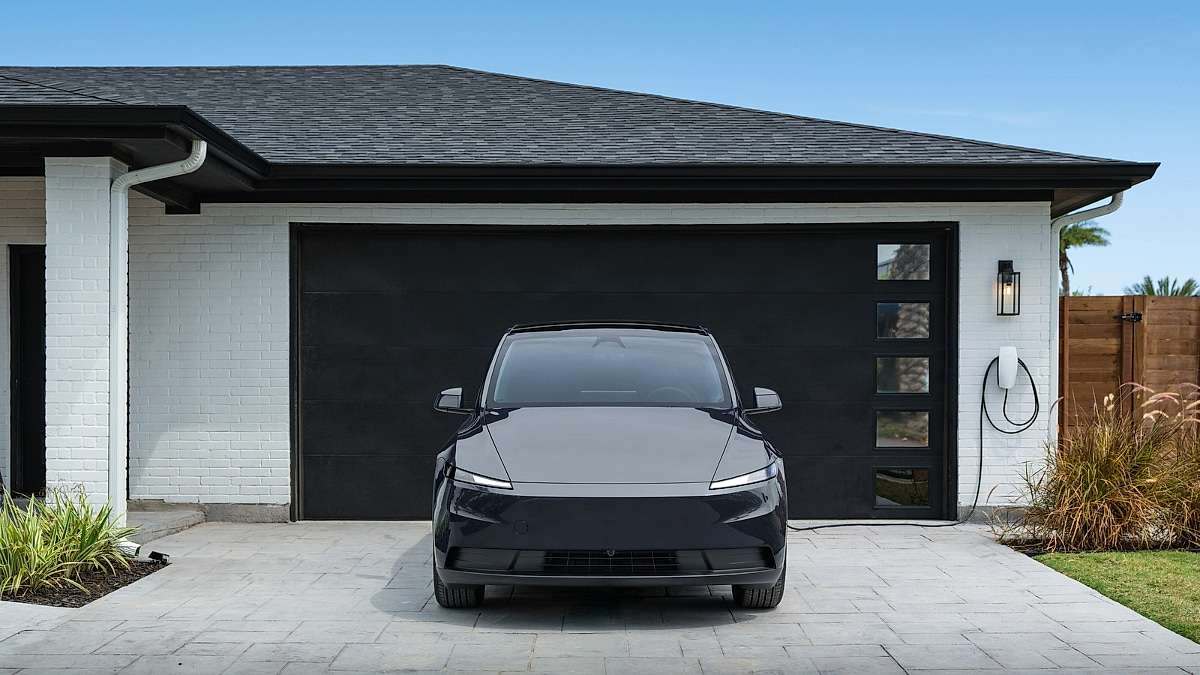

There's a major paradigm shift happening in regard to how vehicle owners use technology in today's vehicles, but unlike things like increased horsepower or styling, it has to do with the increase of technology. In addition to providing features that were previously considered an option for some owners, they're now creating how many owners view their automobiles as a part of their daily routine. The most clear example of this is found within Tesla's assistance system for drivers, where the difference between standard Autopilot and Full Self-Driving can completely change how a car feels to live with.
A recent post from Facebook user Taylor Janney highlighted that shift clearly: “Dropping from Full Self-Driving to just Autosteer is rough, but there’s no way I’m paying $100/month for it. Honestly, Autopilot sucks and I’m fully convinced they downgrade it on purpose to push people into upgrading to FSD.”
That single reaction opens the door to a much bigger conversation about expectations, value, and whether Tesla’s software tiers are influencing how drivers judge their own vehicles.
The Gap Between Expectation and Experience Feels Bigger Than It Is
The interest in Taylor's reaction comes from what that frustration stands for. In most cases, Autopilot did not drastically improve. So to many people, it was acceptable to have some form of lane keep assist or traffic aware cruise control for highway use. However, once a driver gets used to using Full Self-Driving, their expectations get elevated to include other advanced features that they now see as a "minimum" requirement in order to drive safely.
I've seen this same behavior in many of the different Tesla owner forums, where drivers would say Autopilot works fine until they get an opportunity to experience full self-driving capabilities, at which point Autopilot seems limited. This does not mean Autopilot had features removed, but rather it shows how rapidly a person's expectations can change based on new technology being added to their day-to-day experiences.
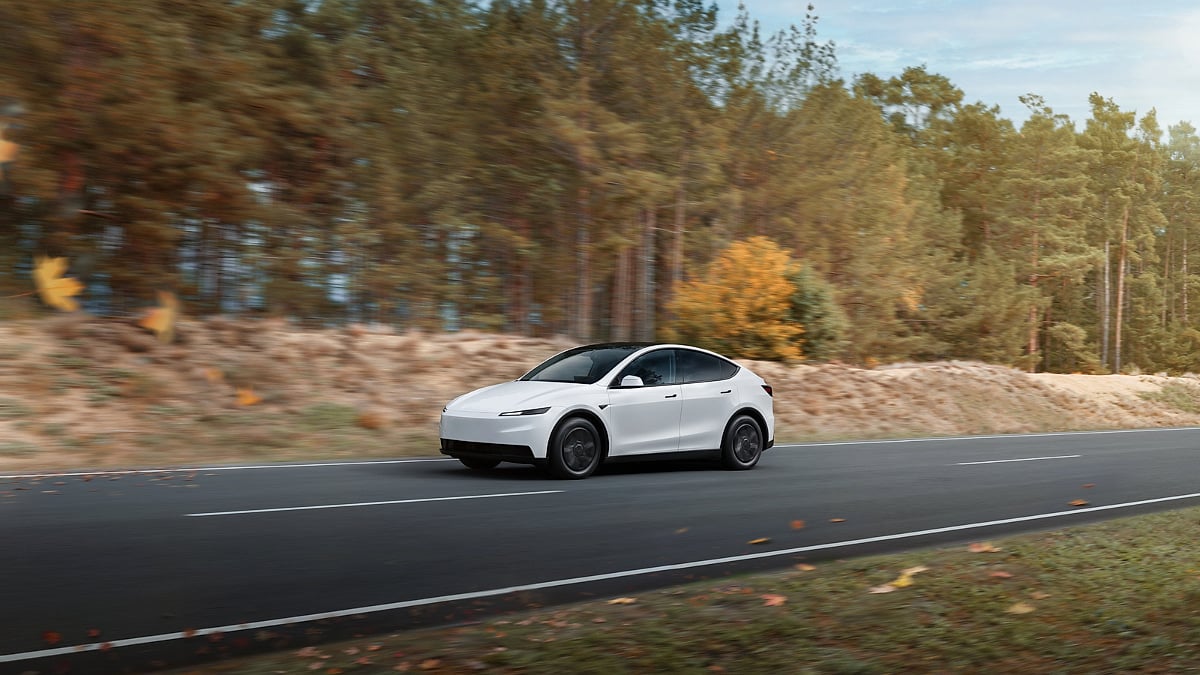
What Full Self-Driving Actually Adds to the Experience
To comprehend how such a large of a feeling exists relative to the actual difference that the technology provides, we need to examine what Full Self-Driving (FSD) can do. While most Level 2 semi-autonomous systems are limited to assisting on highways by providing steering and acceleration/deceleration in response to speed limits or stop-and-go traffic conditions, FSD is capable of assisting with city driving, navigating through intersections, reacting to stoplights, and making lane changes while completely disengaging from driver inputs.
In fact, I’ve covered situations where Tesla’s software played a role in critical moments, like when a 2026 Tesla Model Y kept driving after its driver suffered a severe heart attack and safely navigated onward with FSD engaged. That kind of capability highlights why some drivers see real value in the system beyond convenience.
At the same time, it’s not without flaws. In another instance, I looked into a case where a new 2025 Tesla Model 3’s FSD backed into a truck while parking in a driveway, raising questions about reliability in low-speed scenarios. These mixed outcomes are part of what makes the FSD conversation so nuanced.
Is Autopilot Being Held Back or Is FSD Just That Much Better?
One of the most common theories among owners is that Tesla intentionally limits Autopilot to make FSD more appealing. While that perception exists, there’s little concrete evidence to suggest Autopilot has been deliberately reduced in capability.
What’s more likely is that FSD has simply evolved much faster. As Tesla continues to develop its neural network-based driving system with ongoing software updates, the gap between the two experiences becomes more noticeable. When you go from a system that actively navigates complex environments back to one that primarily assists on highways, it naturally feels like a step backward. That doesn’t mean Autopilot is ineffective, but the comparison has changed.
The $100 Subscription Question Isn’t Just About Money
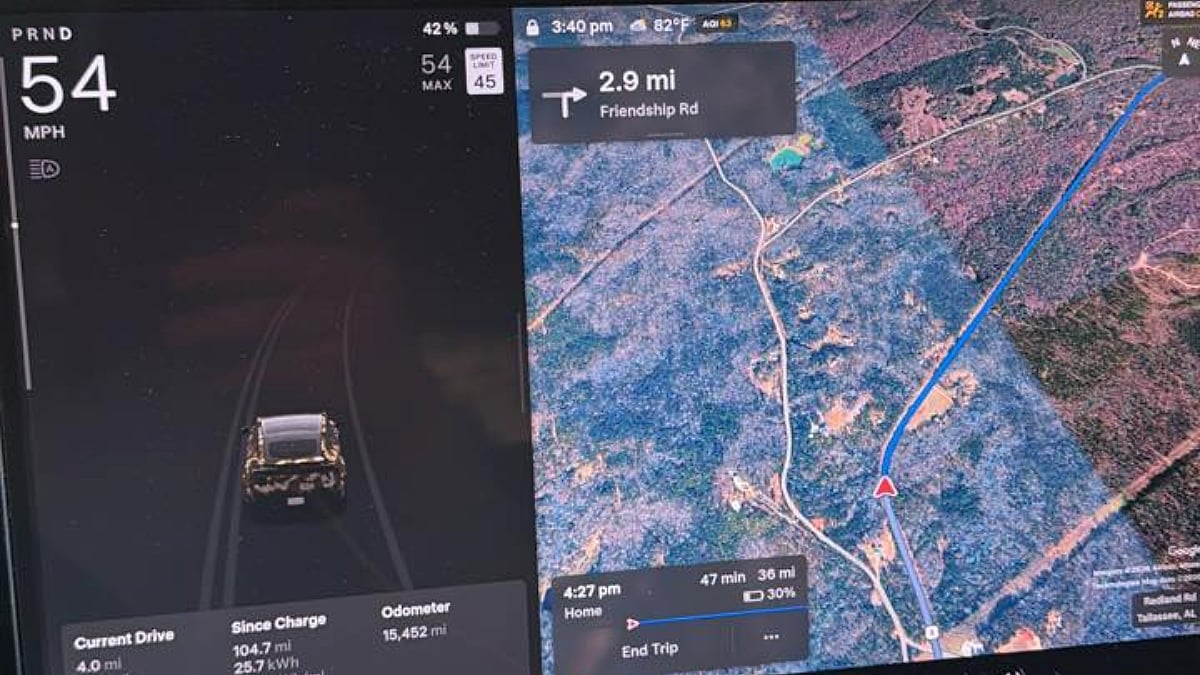
The monthly fee for Full Self-Driving has been one of the central issues in this discussion. At $100 per month, consumers have to make a decision about whether they will be able to afford the ongoing expense of something that adds convenience and capability to their vehicle.
Some people clearly think that the added features and capabilities justify the continued costs. People who spend considerable time traveling like daily commuters, those who travel into the city often, etc. appear to find more value in the service. Conversely, other people who enjoy driving themselves do not view FSD as having enough additional value to justify the additional fees.
In many ways, Tesla's model represents a fundamental difference in how vehicles are purchased versus being used. As opposed to paying for a feature only once, the consumer has now made a decision to purchase a subscription to an experience. This is becoming a trend throughout much of the automotive industry, but Tesla has arguably taken this concept farther than most.
Safety, Fatigue, and the Bigger Role of Driver Assistance
One of the most compelling reasons to enable FSD technology beyond just added convenience is its potential to affect road safety as well as reduce driver fatigue. Many long-distance drivers have reported feeling less stressed due to the fact that while they are still in control of the vehicle, they do not need to constantly monitor and react to such routine driving tasks like keeping their vehicle at a consistent speed, remaining within their designated lane, and controlling traffic flow. This can also be true for both highways and long distances or in congested stop-and-go city traffic conditions.
Some discussions have even pointed toward broader safety implications, including ongoing debate over whether Tesla’s Full Self-Driving may be far safer than human drivers as the NHTSA continues a new safety investigation. While conclusions are still evolving, it shows how seriously these systems are being evaluated.
Different Drivers, Different Value Propositions
Not every Tesla owner approaches this the same way. For some, Full Self-Driving is a defining feature of the vehicle.
Heng Ye put it simply: “FSD was the main reason for me to choose Tesla.”
That perspective highlights how software is becoming a deciding factor in vehicle purchases. For these drivers, FSD isn’t an add-on, it’s part of the core experience.
Others focus more on performance differences between systems.
Jimmy Bagwell shared: “I 100% agree. Autopilot phantom breaks like crazy, whereas FSD doesn’t at all. Very suspicious.”
His comment reflects a concern that shows up often in discussions, particularly around phantom braking. Whether it’s perception or real-world difference, it shapes how drivers trust each system.
Then there are drivers who take a more balanced view.
Joseph Spaventa explained: “As many miles as I travel, I’ve found FSD being worth every penny. In 6 months, after 27k miles on my ‘26 MY, 91% of those miles have been FSD. If you feel like there’s no value in it for you, then don’t purchase it. Nothing wrong with that as it’s super fun driving the car anyway.”
That perspective brings the conversation back to individual use. For high-mileage drivers, the value proposition looks very different than it does for someone who drives occasionally.
Ownership Today Is Starting to Feel Like a Software Experience
What stands out to me is how much this conversation reflects a broader shift in the automotive world. Cars are no longer just machines; they’re evolving into software-driven platforms that can change over time.
I’ve explored similar themes in other ownership experiences, including one owner’s explanation for why the Tesla Cybertruck became the most enjoyable vehicle they’ve owned thanks largely to its software-driven experience. So it's clear that kind of feedback reinforces how much software is shaping modern ownership. This shift also means that expectations are constantly moving. What feels advanced today can quickly become the baseline tomorrow.
I believe the most fascinating aspect of this case study is how quickly an individual's perceptions of technology can shift after having experienced a significantly higher level of technology. In this instance, there was no indication that Autopilot had become less effective but rather that FSD simply provided a new standard with which all other systems would be measured by. Once a new benchmark has been set, it becomes increasingly difficult to revert to previous levels of performance.
In addition, while I do not believe that whether or not FSD is "worth" its price will be easy to determine, how an owner utilizes his/her vehicle will have a large impact on determining if this additional feature is beneficial. Ultimately, this presents a larger issue than just Tesla. We appear to be at a point in time when software will define the overall ownership experience of a vehicle just as much as the physical attributes of the vehicle itself. Consequently, that’s going to keep reshaping how people think about car value in the years ahead.
Key Takeaways for Drivers
- Experiencing advanced features changes perception: Once drivers use Full Self-Driving, returning to Autopilot can feel more limiting even if nothing actually changed.
- Value depends heavily on usage: High-mileage and city drivers are more likely to benefit from FSD than those with simpler driving routines.
- Safety discussions are still evolving: Ongoing studies and real-world cases continue to shape how these systems are evaluated.
- Software is becoming central to ownership: Features delivered through updates and subscriptions are redefining what drivers expect from their vehicles.
- Not every driver needs the same level of assistance: Choosing between Autopilot and FSD comes down to personal preference and driving habits.
What Are Your Thoughts?
Have you ever tried Full Self-Driving and then gone back to Autopilot? Did it change how you felt about your Tesla?
And if you were deciding today, would you pay $100 a month for FSD, or stick with Autopilot and enjoy driving the car yourself?
I'd love to hear your additions to the conversation in our comments below.
About The Author
Aram Krajekian is a young automotive journalist bringing a fresh and analytical perspective to the evolving automotive landscape by reporting on real-world ownership experiences and providing industry analysis. Based in North Carolina, he covers electric vehicles, trucks, and broader automotive trends with a focus on contributing a balanced evaluation. His reporting cuts through brand bias to provide readers with grounded insight into how vehicles perform for everyday drivers beyond marketing narratives.
Aram can be reached on X and LinkedIn for ongoing automotive coverage.
Image sources: The "Tesla Model Y 2025-2026+ Juniper” Facebook group and Tesla’s gallery.
Set Torque News as Preferred Source on Google
Follow us today...






