
For years, Tesla has chased the idea of an affordable electric car that could bring the masses into the EV world. The word itself is slippery though. To one shopper, it means a payment that fits a monthly budget; to another, it might mean a car that feels worth the stretch. Every new Tesla price move reignites the same question: when the number starts with a three, is that actually affordable for most families?
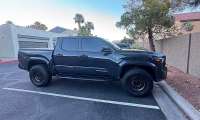
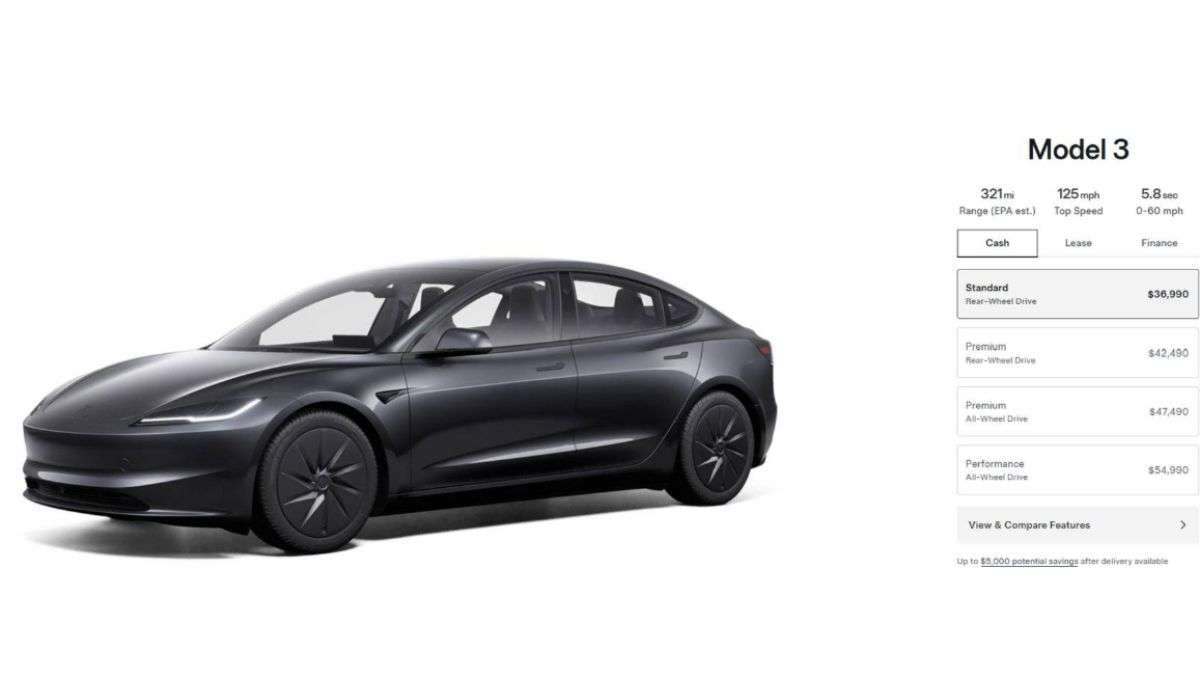
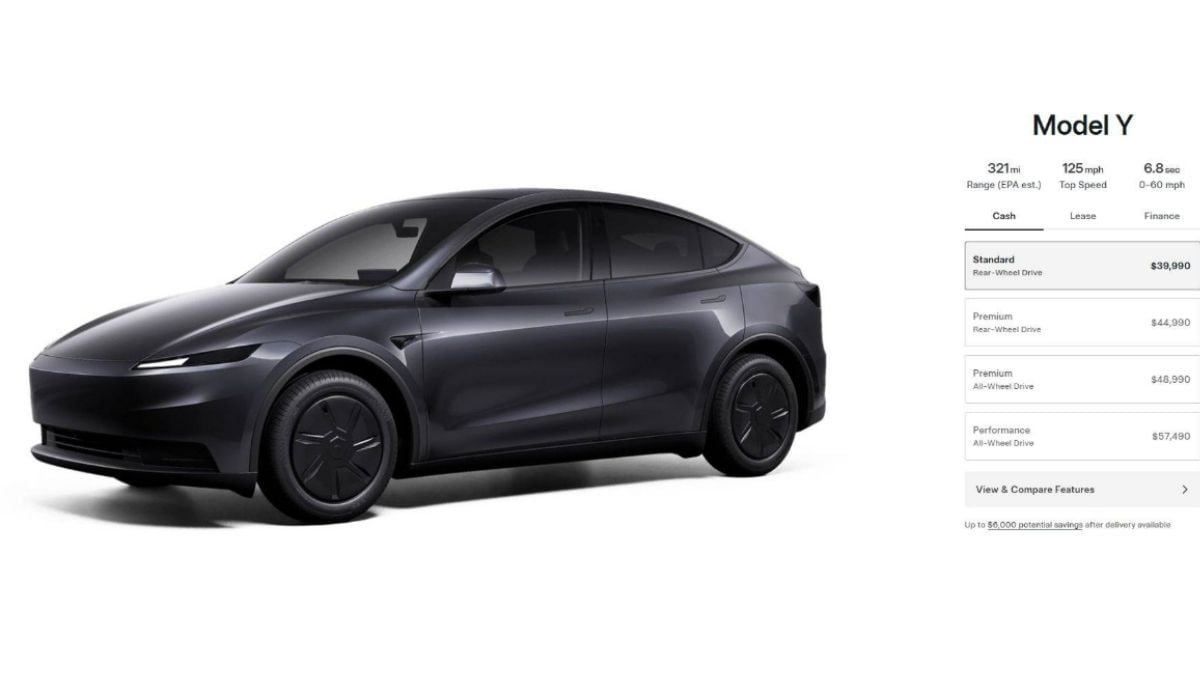
That question came to life recently when I came across a post by Josh Thayer in the “Apex Automotor” group on Facebook. Josh was reacting to Tesla’s announcement of new “affordable” trims for the Model 3 and Model Y, priced at $36,990 and $39,990 respectively. In his post, he questioned whether these prices truly make these vehicles accessible to a broader range of buyers and expressed skepticism that such reductions would meaningfully expand Tesla’s reach into the mainstream market. Here’s how he put it:
“Tesla released their ‘affordable’ Model 3 and Model Y today. Model 3: $36,990. Model Y: $39,990. Is this ‘affordable’ option really going to get people to jump into this new entry-level EV? I don't think so... not cheap enough.”
Pricing Meets Perception
That reaction captures a common crossroads for shoppers. The price is lower than what it used to be, but the out‑the‑door reality is still heavy once you add destination fees, taxes, interest, and insurance. At the same time, there is a reason why many owners are comfortable paying near‑premium money for a compact EV. Long‑term drivers do keep highlighting why the Model Y remains a strong daily driver after miles of mixed use. Value, for them, is not just the sticker; it is charging convenience, software, and low routine maintenance.
Tesla’s new entry points sit in a crowded lane. Buyers cross‑shop compact EV sedans and crossovers such as the Hyundai Ioniq 6 and Chevrolet Equinox EV, but Tesla’s advantage is still the ecosystem. The Supercharger network, the app experience, and frequent software updates create an ownership rhythm that competitors are still chasing. Yet the question remains simple: do these new numbers unlock a new wave of first‑time EV buyers? Or do they mainly give existing Tesla intenders one more reason to finally pull the trigger?
What The Community Thinks
Other commenters quickly shared their perspectives, revealing just how divided buyers remain when it comes to what “affordable” really means in today’s car market.
Manny Vee went straight to the heart of affordability: “Needs to be in the 20’s for it to be affordable.”
This is the benchmark many shoppers quietly hold. When the base price starts with a two, the conversation changes. Until then, budget‑focused buyers often drift to used EVs or efficient gas models where financing and insurance feel less intimidating.
Joe Lobdell offered a macro view: “People, if you think this is too expensive, you are wildly out of touch with the new car market (as I'd expect for proper enthusiasts, we don't typically shop for new cars and remember a time when a fully loaded new Accord was 15k). The average price for a new vehicle in 2025 is $48k and some change. People are buying these, and those people outnumber enthusiasts by several orders of magnitude. I also don't buy new cars, but saying this is out of line or not cheap enough means you are out of touch with the market and the general public's vehicle purchasing trends.”
He is right about the drift in the market. With transaction prices hovering around the high‑forties, a sub‑forty‑thousand EV can look reasonable on paper, especially when fuel and routine maintenance costs tilt in an EV’s favor over time.
Corey Lee raised a different concern: “Being in MULTIPLE Teslas, the build quality on the expensive ones is bad enough to make me not even want to be near the ‘affordable’ model.”
The perception of quality is powerful. Many owners praise the driving experience and tech, yet panel gaps, squeaks, and trim inconsistencies can sour a first impression. Safety and software can win headlines, especially when drivers describe real‑world FSD interventions that stop crashes. But Fit and finish, however, live where shoppers touch the car every day.
Why This Matters Beyond the Sticker
The new prices are a signal. Tesla is trying to widen the funnel without undercutting the brand. Pricing near the high thirties keeps margins healthier than a true budget car while letting Tesla claim an “affordable” entry. It also sets an anchor that makes higher trims feel like natural step‑ups once a buyer is in the configurator. From a shopper’s view, the calculus is broader than MSRP. Loan rates, insurance premiums on higher‑performance EVs, and the cost of home charging installation all shape the final decision. It's all part of a psychological dimension.
Another piece of this puzzle is the booming used EV market. Many buyers who find new Tesla prices steep are turning to certified or private‑party Model 3s and Model Ys that have already taken their depreciation hit. These vehicles often sell in the mid‑twenties, placing them much closer to what shoppers like Manny Vee call truly affordable.
The used market also brings the advantage of access to higher‑trim models with features such as long‑range batteries or premium interiors at a fraction of their original cost. While warranty coverage may be shorter, the overall value proposition feels more aligned with mainstream expectations of affordability. This shift has created a second life for early‑generation Teslas, proving that accessibility doesn’t always have to start on the factory floor.
From First Drive to Final Decision
That bridge between old and new ownership highlights how first impressions still shape the EV journey. Plenty of shoppers also say they are not EV people right up until they try one. First impressions matter, and that is why stories of skeptics who changed their minds after test drives continue to circulate in owner groups. If Tesla wants these new trims to land, test‑drive conversion will do as much work as the price tag.
So from my perspective, I see two truths living side by side. The first is that Tesla still offers a compelling ownership package built on charging access, software, and a driving feel that hooks people fast. The second is that affordability is not solved by a lower MSRP alone. The buyers who feel squeezed by rates and insurance will not be swayed by a few thousand dollars on the window sticker. The buyers already leaning toward Tesla will see this as a nudge and not a revolution. In other words, this move helps on the margins, but it doesn't really shift the market.
Key takeaways
- Price matters, but so does the package. A lower number draws attention; charging access, software updates, and low routine maintenance keep people in the ecosystem.
- Market context shapes perception. When average new‑car prices sit near the high‑forties, a high‑thirty Tesla can look reasonable even if it still feels out of reach to many households.
- Quality impressions can sway decisions. Concerns about fit and finish remain a hurdle for first‑time buyers who care about materials as much as software.
- Experience converts skeptics. Short test drives and owner testimonials often move the needle more than spec sheets.
Are Teslas Affordable In Your Opinion?
Do these new entry prices make the Model 3 or Model Y feel within reach for you? Or do the monthly realities still push you toward other used cars or hybrids?
And if you’ve driven a Tesla recently, what surprised you most in a good or bad way? Was it the ride quality, software, charging, or something else?
Let us know what you think in the comments below.
Aram Krajekian is a young automotive journalist bringing a fresh perspective to his coverage of the evolving automotive landscape. Follow Aram on X and LinkedIn for daily news coverage about cars.
Image Sources: The “Apex Automotor” public Facebook group.
Set Torque News as Preferred Source on Google
Follow us today...