
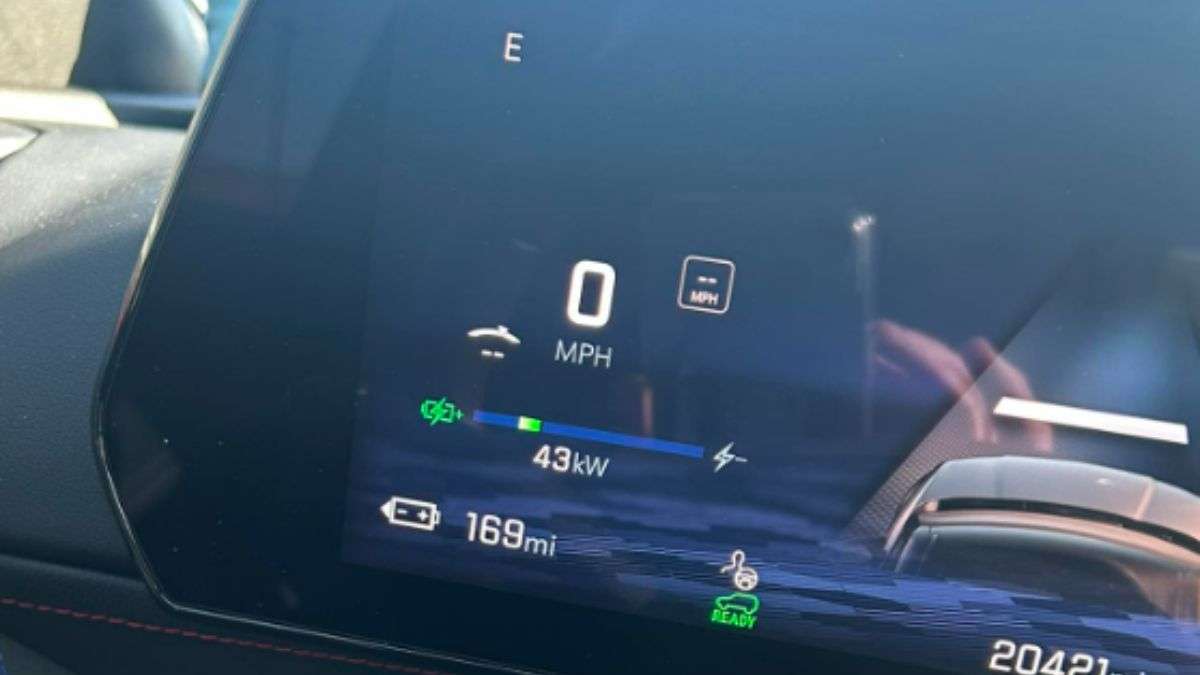

Fast charging is often marketed as one of the great conveniences of EV ownership. Pull in low on range, plug in, and within minutes the battery should be refilling at a pace that makes long trips feel manageable. But as more drivers rack up real miles and rely on public fast chargers more often, there is a growing gap between expectations and what sometimes happens in the real world. That disconnect is what pushed Chris Anders to speak up in the Chevy Blazer EV Group on Facebook after a frustrating charging stop. Chris shared that after arriving at a Tesla Supercharger with his Chevy Blazer EV already preconditioned, the charging screen never climbed beyond 43 kW, a figure far below what most drivers expect from DC fast charging. His disappointment was not just about one slow session, but about how it fit into a broader ownership experience.
“I’m at a Tesla Supercharger and only getting 43 KW… The vehicle was pre-conditioned before charging. This vehicle sucks. There are too many issues to count. I am happy for the folks who have had no issues, and I feel your pain for the ones who have.”
That short quote captures a lot in just a few sentences. There is frustration, disappointment, and even empathy. Chris is clearly unhappy with his experience, yet he also acknowledges that not every Blazer EV owner feels the same way. That balance makes his post resonate, because it reflects a reality many EV owners are starting to recognize: one person’s smooth ownership story can exist alongside another person’s repeated headaches.
A Charging Session That Sparked a Bigger Conversation
Chris’s experience immediately drew attention because Tesla Superchargers are often seen as the gold standard of fast charging in North America. Even with adapters and expanded access, many drivers still expect reliable speeds once they plug in. Seeing only 43 kW after proper preconditioning feels like a letdown, especially when the stop was planned around the promise of fast charging.
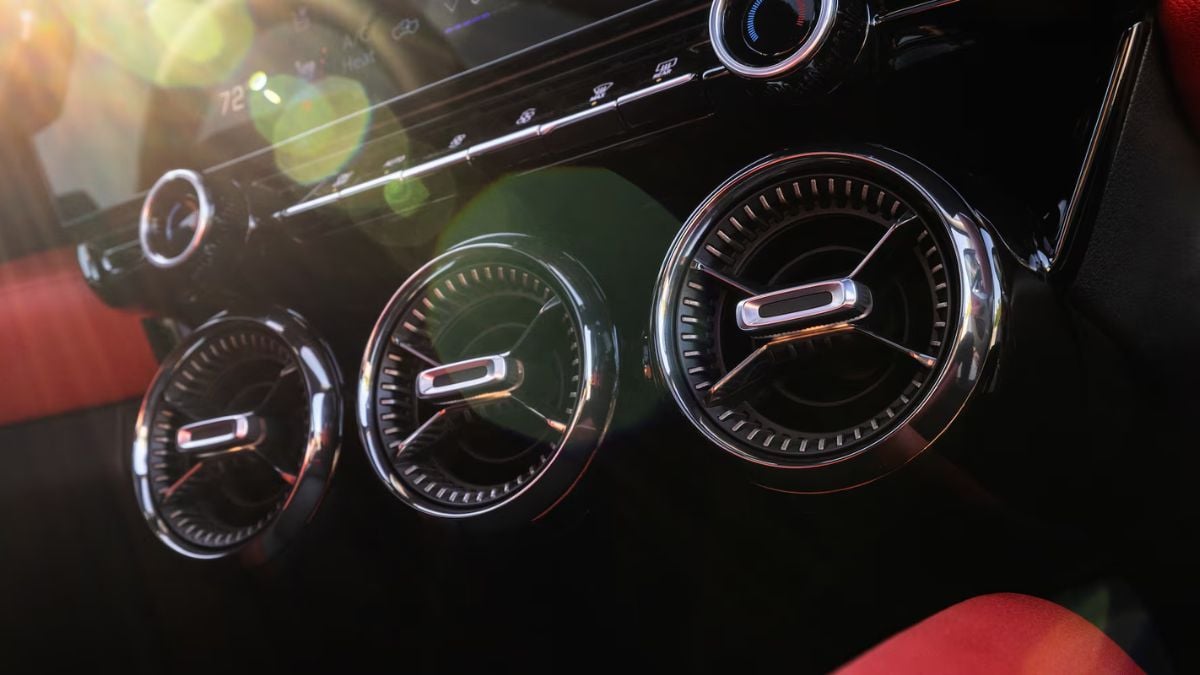
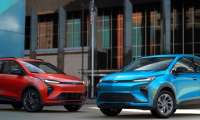
What makes stories like this compelling is that they are not isolated to one brand or one charging network. They sit at the intersection of vehicle software, battery behavior, charger availability, and real-world conditions. The Chevy Blazer EV has been praised by some owners for its design and performance, as one owner highlights how he loves the Blazer EV’s design and how people are shocked when told it makes 600 horsepower, which shows that positive experiences do exist within the same ownership community.
Community Reactions Show the Divide
The comments under Chris’s post quickly revealed how divided Blazer EV ownership experiences can be. Some echoed his frustration while others offered context or a more measured perspective.
Justin Gilles commented, “Let’s just say I don’t hate it, but I’m also glad I got a lease.”
That single line says a lot. Leasing can feel like a safety net for drivers who enjoy parts of the vehicle but remain unsure about long-term reliability or resale value. It reflects cautious optimism rather than outright rejection.
Tim Sullivan took a much harsher tone: “They’re such garbage. Same here at Superchargers. Today my right front speaker was popping for a good hour without the radio on from some sort of interference. It finally reset itself after I almost drove it off a cliff.”
While dramatic, Tim’s comment introduces another layer to the discussion that ownership frustrations are not always limited to charging. Software quirks, electronic glitches, and unexpected behavior can compound negative feelings when something as basic as charging also goes wrong.
Fernando MP offered a counterpoint that shifted the conversation in a more technical direction: “It’s not the vehicle. Many things can affect the charge, even with a Tesla charger.”
This comment opens the door to a deeper look at what actually influences charging speeds.
Why 43 kW Can Happen Even at a Fast Charger
It is tempting to blame the vehicle immediately when charging speeds disappoint, but EV charging is rarely that simple. Several factors can cap charging power, even when everything seems set up correctly.
One of the biggest influences is state of charge. Batteries accept power fastest when they are relatively low. If a vehicle arrives at a charger with a higher-than-ideal state of charge, the charging curve will naturally limit power to protect battery health. Even a difference of 10 or 15 percent can have a noticeable impact on peak speeds.
Battery temperature also matters more than many drivers realize. Preconditioning helps, but it is not a guarantee. Ambient temperature, driving conditions before arrival, and how long the vehicle sat prior to charging all play a role. In some cases, the battery may not be at the optimal temperature despite the system indicating that preconditioning was active.
Then there is the charger itself. Many Supercharger sites share power between stalls. If another vehicle plugs in nearby, available power can split reducing speeds for both cars. Site-level limitations, maintenance issues, or temporary throttling can also affect performance, regardless of the vehicle being charged.
Finally, there is the added complexity of CCS vehicles using Tesla infrastructure through adapters. Communication between the charger and the vehicle relies on software handshakes that are still evolving. While Tesla’s network is highly regarded, it was originally designed around Tesla vehicles, and cross-brand compatibility can sometimes introduce inefficiencies.
Ownership Experiences Vary Widely
Chris’s frustration does not exist in a vacuum. Other Blazer EV stories show how wide the spectrum of ownership experiences can be. Some owners report smooth daily use and strong performance, while others have encountered serious problems, including cases where owners barely made it a few thousand miles before experiencing shutdowns or dealer visits.
At the same time, there are stories of skepticism turning into appreciation, such as families who were initially against EVs but changed their perspective after living with a Blazer EV and seeing how it fit into their routines. These contrasting narratives make it difficult to paint the vehicle with a single brush.
That's why moments like Chris’s charging session highlight a growing challenge in the EV transition. Technology is advancing quickly, but expectations are advancing even faster. When drivers plan their trips around advertised charging speeds and well-known networks, any deviation feels magnified. I think it is important to separate emotional reactions from technical realities while still validating how frustrating these moments can be.
At the same time, I do not think experiences like this automatically mean a vehicle is fundamentally bad. They do, however, show that EV ownership still requires patience and flexibility, especially when relying on public infrastructure. Consistency matters more than peak numbers, and until charging experiences feel predictable across brands and networks, stories like this will continue to surface.
Key Takeaways
- Fast Charging Is Highly Variable: Even on reputable networks, charging speeds can fluctuate based on battery state, temperature, and site conditions.
- Preconditioning Helps but Is Not a Guarantee: It improves the odds of faster charging, but it cannot override every limiting factor.
- Community Feedback Matters: Reading a range of owner experiences can help set realistic expectations before problems arise.
- Leasing Can Offer Peace of Mind: For some drivers, leasing provides flexibility while the technology and infrastructure continue to mature.
Share Your Thoughts With Us
Have you ever pulled into a fast charger expecting strong speeds only to be disappointed by what you saw on the screen?
And do experiences like this change how confident you feel relying on public charging for long trips?
Let us know what you think in the comments below.
Aram Krajekian is a young automotive journalist bringing a fresh perspective to his coverage of the evolving automotive landscape. Follow Aram on X and LinkedIn for daily news coverage about cars.
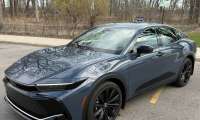
Image Sources: The “Chevy Blazer EV Group” public Facebook group and Chevrolet’s gallery, respectively.
Set Torque News as Preferred Source on Google
Follow us today...



Comments
This is the issue with the…
Permalink
This is the issue with the US auto manufacturers deliberately attempting to ruin EV's in the US so they can screw the consumers by continuing to make crappy vehicles with planned obsolescence and continuous maintenance issues.
Educated people would ONLY buy an EV from Tesla until the "US" auto manufacturers pull their head from their nether regions.
Ford was finally making progress (too bad they didn't do enough research and fumbled the F150 Lightning - it was a great truck with ZERO charging support). And, have decided to destroy themselves with their latest move. GM is, basically, an Oriental vehicle manufacturer at this point as Bara continues to bleed it dry for personal gain. GM will be bankrupt within a decade or so. Dodge is no longer a US company.
Tesla is the only US vehicle manufacturer (85% of all parts manufactured/assembled in the US) that is left with a path to success.
Buying any other vehicle is asking for problems in the future.
I’ve yet to find a…
Permalink
I’ve yet to find a supercharger that is new enough to work with my equinox ev. Luckily I do 99% of my charging at home.
Immerse yourself in a…
Permalink
Immerse yourself in a captivating world airplane game moneyand test your driving skills This camaraderie fosters a sense of belonging and enhances the overall enjoyment.
I absolutely love my…
Permalink
I absolutely love my 2025Chevy Blazer EV but I have experienced the exact same issue with a Tesla supercharger. The battery was preconditioned and it didn't go above 45 KW Don't waste your time with a Tesla station unless you own a Tesla or time is not an issue. That being said I had the exact opposite experience at a Rivian charging station. Maintaining 125 KW charge rate. Other charging stations came in around 100KW. Bottom line, Tesla chargers penalize you for not owning a Tesla!
Gasoline filling is far more…
Permalink
Gasoline filling is far more consistent. If i get a wonky pump that keeps shutting off it might add a minute or two to my experience and it is still frustrating. But I would drive my EV off a cliff if it made me wait hours to charge it.
EV vehicles might be the…
Permalink
EV vehicles might be the future but they are still hot piles of garbage right now. I wouldn't say you deserve what you get but I will say that's the chance you take for believing all tge positive BS put out by the sellers of this junk.
I just thought I would…
Permalink
Happy Blazer owner here.
I just thought I would represent as one of those extremely satisfied blazer.Ev owners that has never had an issue. I love the car, and I have managed to own it for 2 years without ever needing to go to a tesla supercharger. There are large active networks outside of Tesla that serve the same purpose. 99% of the time I charge at home.