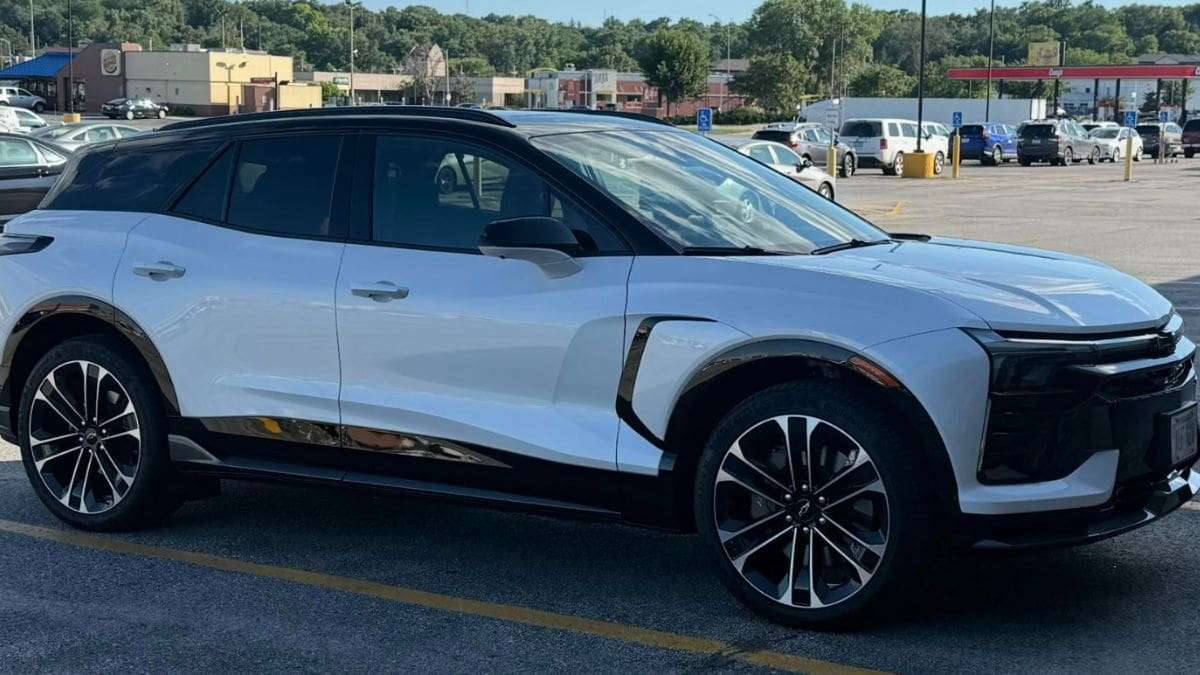

There is a growing disconnect in the EV world between how electric vehicles are perceived and how they actually fit into everyday life. Many people still picture EVs as either quirky economy cars or expensive tech experiments, with little middle ground in between. That assumption is starting to crack as more electric crossovers quietly blend into traffic while delivering performance numbers that would have seemed absurd just a few years ago, especially when real owners begin sharing what these vehicles cost in the real world rather than what people assume from a showroom sticker. While scrolling through the “Chevy Blazer EV Group” on Facebook, I came across a post by Jim Neuenfeldt that perfectly captured this shift. Jim explained how his Chevy Blazer EV regularly draws attention from strangers who assume it must be a $60,000 or $70,000 vehicle once they hear about its performance, only to be stunned when he tells them it cost just $47,000 after incentives and credits.
Here’s how Jim explained it in his own words: “I still love the looks [of the car]. Every couple of weeks, a random person tells me how sharp my car is and wants more information. I tell them it is very quick and that it makes around 600 hp in SS trim and they want to know how much it costs, guessing around $60-$70k. Every single person is surprised when I tell them we got it for $47k after discounts and credits.
Another observation is that many non-car people do not like the acceleration. They get instantly car sick. Not sure if it is the lack of noise or just the G forces. No one complains when I just drive around like a normal person though.”
What stands out is how consistently Jim’s experience mirrors a broader trend with modern EVs. Design and performance set expectations high, while real-world pricing undercuts those assumptions. This kind of reaction is becoming more common as incentives soften the blow of MSRP, like what one family experienced after skepticism faded once they lived with a Chevrolet Blazer EV daily.
When EV Performance Exceeds Expectations
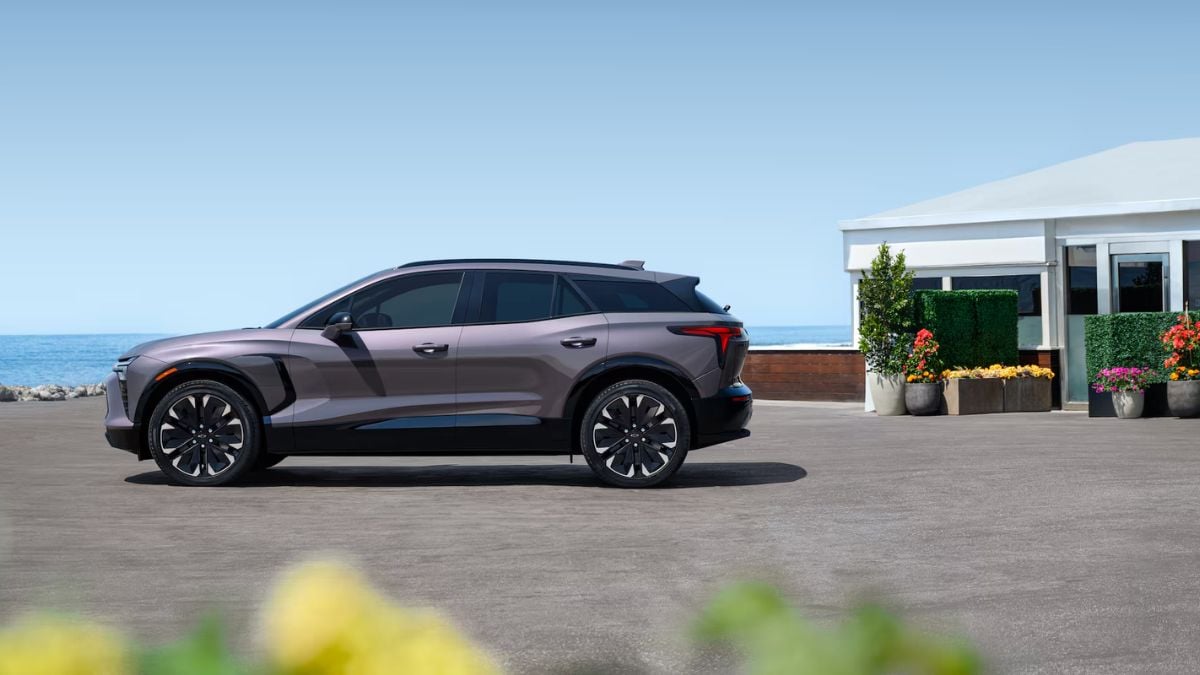
A roughly 600-horsepower figure, available specifically in the Blazer EV SS trim, still carries serious weight among seasoned car enthusiasts. For an everyday midsize crossover to deliver that kind of output while remaining quiet and composed changes how people interpret speed. Without engine noise as a warning, acceleration feels more sudden, more intense, and sometimes more disorienting for passengers who are not used to it.
Jim’s comment about non-car people feeling sick is not unusual. Instant torque hits differently than a traditional gas-powered build-up, and when combined with near silence, the body can struggle to reconcile what the eyes and ears are not signaling. When the Blazer EV is driven calmly, though, it behaves like any other comfortable daily driver, which highlights just how wide its personality range really is.
That dual nature is part of what makes EVs both impressive and misunderstood, especially as more owners share both the highs and the occasional scares that come with early ownership, including reports of unexpected shutdowns that remind buyers why context matters, such as when an owner described how their Chevrolet Blazer EV shut down while driving. They can be docile and efficient one moment, then shockingly quick the next, without changing gears or raising their voice. For drivers who enjoy performance, that is part of the appeal. For passengers, it can take some adjustment.
Design That Doesn’t Scream “Electric”
One of the reasons Jim’s Blazer EV draws attention is that it does not immediately advertise itself as an EV. That point came up in the comments as well, where RichnFran Woolman shared a similar experience.
RichnFran wrote, “This is mine this morning in the rain. I thought it looked sharp. We get the same comments as well. It’s funny because I don’t think anyone initially knows it’s electric.”
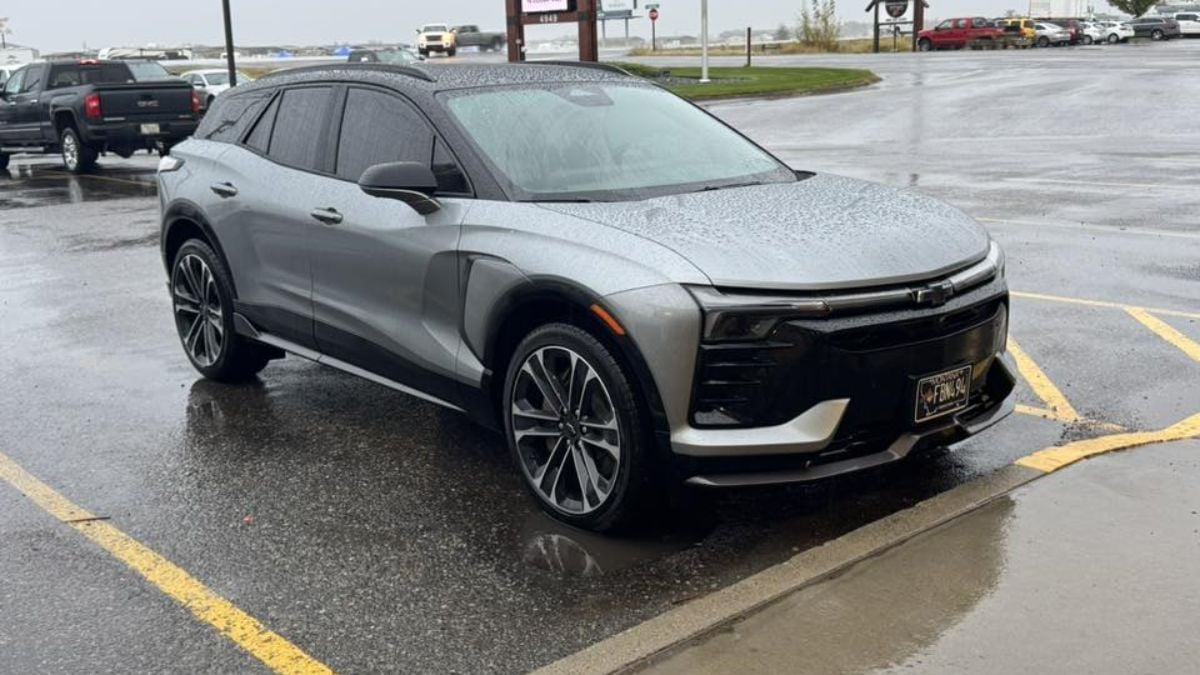
There is something important in that observation. The Blazer EV’s styling leans more toward mainstream sportiness than futuristic minimalism, which may help it appeal to buyers who want modern tech without feeling like early adopters. That subtlety can be a strength, especially for drivers who simply want a good-looking SUV that happens to be electric.
This design-first approach may also help explain why the Blazer EV has found its way into households that were once hesitant about going electric, even as owners remain mindful of real-world reliability conversations that surface across the community, such as reports of a Blazer EV suddenly throwing itself into Park while driving.
What Other Owners Are Noticing
As with most active owner groups, the discussion under Jim’s post quickly expanded beyond compliments and price surprises, echoing ownership stories where enthusiasm led families to return to the dealership and buy a second Blazer EV after living with the first, as seen in a case where owners went back to buy another Chevy Blazer EV after loving their first. Some commenters shared positive impressions, while others raised thoughtful questions about driving dynamics and comfort.
Michael Bury offered a practical explanation for the motion sickness some passengers experience, writing, “Are you using regenerative braking on high? If so, that has been known to cause car sickness for passengers if not modulated gently, as the passenger’s bodies lunge forward and then back again upon acceleration.”
That comment opens the door to a deeper discussion about how regenerative braking and one-pedal driving can affect passenger comfort, especially when drivers are still learning how to modulate throttle and regen smoothly.
Why Regenerative Braking Can Cause Motion Sickness
Unlike traditional vehicles that coast when the driver lifts off the accelerator, EVs with strong regenerative braking immediately begin slowing down. For passengers, especially those not anticipating it, this constant forward-and-back motion can feel unnatural. When combined with rapid acceleration, the body experiences repeated changes in force without the familiar cues of engine noise or gear changes.
The good news is that most of this can be managed with smoother inputs and adjusted regen settings. Over time, many drivers learn to drive EVs in a way that feels just as natural to passengers as any gas-powered vehicle.
But I still think Jim’s post highlights something we do not talk about enough with EVs: they are often too capable for their own good. Vehicles like the Blazer EV deliver performance that used to be reserved for high-end sports cars, yet they are sold as family crossovers. That gap between expectation and reality is exciting, but it also requires drivers to be more aware of how their inputs affect passengers.
At the same time, the price shock Jim describes is important. Incentives and credits are quietly reshaping what performance and value look like in the EV market (although the $7500 tax credit is now gone), and stories like this help ground the conversation in reality instead of speculation. EVs are not perfect, and they are not for everyone, but when the numbers and the experience line up, they can be surprisingly compelling.
Key Takeaways for Shoppers and Owners
• EV performance can surprise passengers. Instant torque feels different and may require smoother driving habits.
• Real-world pricing matters. Incentives can dramatically change the value equation.
• Design influences perception. A subtle EV look can broaden appeal.
• Driver adaptation is key. Regen settings and throttle control impact comfort.
• Community feedback adds context. Owner experiences paint a fuller picture than specs alone.
What Are Your Thoughts?
Have you noticed how passengers react differently to EV acceleration compared to gas cars?
And do you think incentives and pricing surprises are changing how people view electric vehicles like the Chevy Blazer EV?
Let us know what you think in the comments section below.
Aram Krajekian is a young automotive journalist bringing a fresh perspective to his coverage of the evolving automotive landscape. Follow Aram on X and LinkedIn for daily news coverage about cars.
Image Sources: The “Chevy Blazer EV Group” public Facebook group and Chevrolet’s gallery.
Set Torque News as Preferred Source on Google
Follow us today...