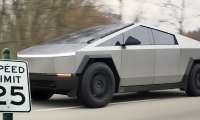

There’s something about the Tesla Cybertruck that never fails to stir strong opinions. Whether it’s the way it looks, the way it drives, or how much it costs to maintain, the Cybertruck always manages to spark conversations about what innovation is really worth. Every so often, a story comes along that perfectly highlights the gap between futuristic design and the realities of ownership, and this one fits that description exactly.
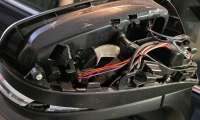
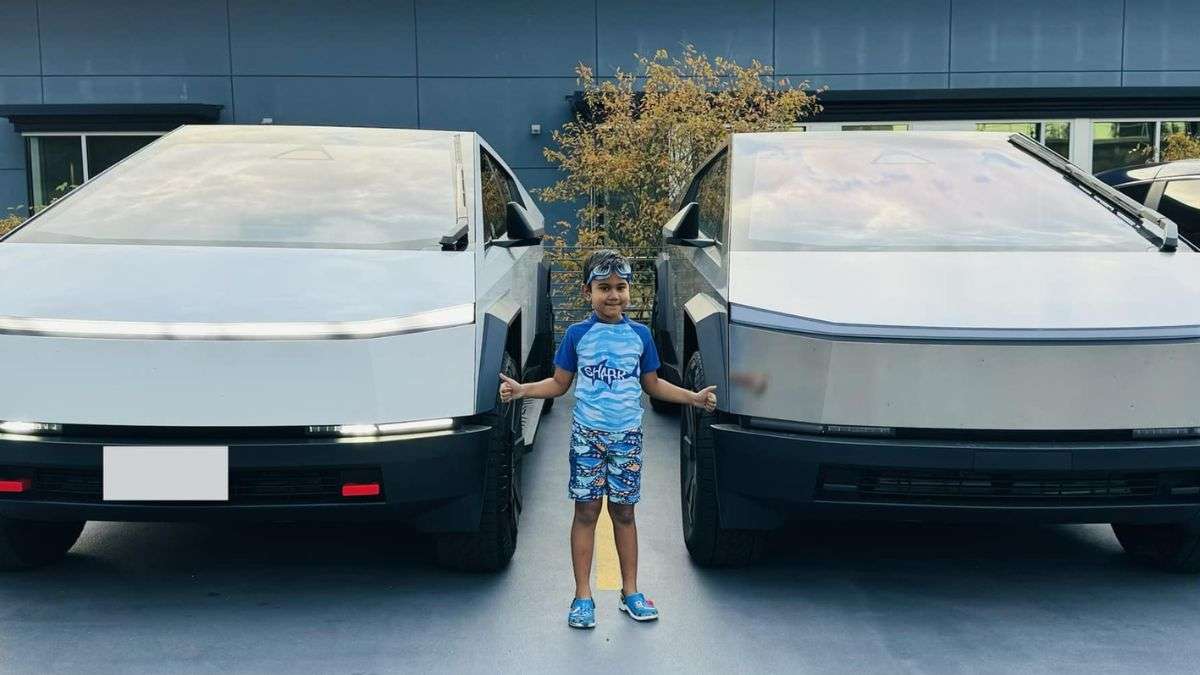
In the “Cybertruck Owners Only” Facebook group, Abhishek Sinha shared an experience that instantly caught the attention of members. After receiving a recall notice for the Cant Rail replacement, along with a $300 service credit from Tesla, Abhishek decided to find out what it would actually cost to re-wrap the replaced panels. The result? A shocking $1,000 quote from Alset, who explained that the extra cost came from needing to order more gloss white wrap material. If the shop already had it in stock, the same job would’ve cost just $500.
“I received a recall notice for the Cant Rail replacement and Tesla is offering a $300 credit. When I contacted Alset to ask about the cost of re-wrapping the Cant Rails, they quoted me $1,000. They mentioned it would’ve been $500 if they had spare material on hand, but since they don’t, they’ll need to ship it. My wrap is gloss white. Has anyone else dealt with a similar situation? Any recommendations?” wrote Abhishek in the group.
The Cant Rail Recall and What It Reveals About Tesla Ownership
For context, the Cant Rails are part of the Cybertruck’s roof trim, and Tesla recently issued a recall to replace them due to adhesive or fitment issues. It’s a simple repair on paper, but for owners with wrapped vehicles, that fix can become an unexpected financial setback. Tesla is offering a $300 credit to compensate for the wrap removal and reapplication process, but as Abhishek’s experience shows, some real-world quotes are much higher than what Tesla covers.
This story isn’t unique either. Tesla owners have reported similar cost gaps when dealing with cosmetic work that falls outside Tesla’s direct service scope. One Cybertruck owner, for instance, said a simple hit-and-run repair turned into a $2,000 bill after Tesla had to replace the entire side panel. Even small exterior work can become disproportionately expensive due to the Cybertruck’s unconventional stainless steel design and the precision required for wraps or coatings.
Another factor worth noting is that Tesla’s $300 credit doesn’t necessarily cover the logistics or time that owners lose while managing these repairs. Most wrap shops require scheduling ahead of time, and delays from shipping materials can leave the truck looking mismatched for weeks. That’s frustrating for anyone, especially for owners who bought the Cybertruck partly for its bold appearance and futuristic design. The recall itself might be minor, but for many, it’s about the principle of Tesla acknowledging that their real-world costs are often higher than what a corporate estimate suggests.
What Other Owners Are Saying
In the comments, other Cybertruck owners chimed in with their own experiences and opinions.
Alex Gayer commented, “That’s pretty wild. You could wrap an entire truck for $1,000, and the cant rail is super easy to do with maybe $85 in materials. It literally took me 15 minutes per side.”
Alex’s comment reflects what many in the wrapping community already know. While wrap materials themselves can be inexpensive, labor costs and material availability drive up prices quickly. Some shops charge premiums for partial rewraps because they have to rematch exact finishes and patterns, and ordering additional film often adds shipping and downtime costs.
Jim O'Brock added his own take: “Same on the $300 reimbursement; but my wrap is $400. I’ll still get it done but I’m not too happy about having to kick in a C-note!”
Jim’s comment highlights the frustration many Tesla owners feel. It's not necessarily because the cost is unaffordable, but because the credit feels symbolic rather than practical. A $300 gesture may look good on paper, but when owners have to spend an extra few hundred dollars to make their trucks look right again, the goodwill behind the recall loses some of its shine.
Mike Milsap also weighed in with practical advice: “That’s too damn expensive, and the credit is for the Tesla store, so it cannot be directly applied to your re-wrap expense. If your cant rails are not delaminating, defer the service. They can’t make you do it and it will remain an outstanding service they owe you.”
That’s an interesting point too. Tesla’s $300 credit comes as a store or account credit and not as a direct payment toward service, meaning owners can’t always use it where they need it most. Mike’s advice reflects a growing sentiment among Tesla owners: if the recall issue isn’t safety-critical, it might make more sense to wait until parts or materials are readily available.
EV Ownership and Hidden Costs
But this isn’t just a Tesla issue. The broader conversation here is about how electric vehicle ownership, especially for premium models, often comes with unexpected costs. Many Cybertruck owners have praised the vehicle for being one of the most enjoyable and distinctive trucks they’ve ever owned, but those unique traits also mean unique expenses. Simple things like wrap repairs or part replacements can require specialized shops or custom materials which naturally drives up costs.
It’s also a reminder that owning an EV is as much about managing long-term costs as it is about embracing cutting-edge technology. Even though EVs save money on fuel and maintenance, their advanced materials and proprietary parts can make repairs surprisingly costly. Tesla’s growing lineup is teaching many first-time owners that EV ownership isn’t always about saving money but about adapting to a different kind of maintenance ecosystem.
The Real Price of Innovation
It’s stories like these that remind us how owning an EV isn’t always the maintenance-free experience people imagine. From tire replacements to wrap repairs, there are often hidden costs that don’t appear in the marketing brochures. When you factor in custom features like paint protection film, aftermarket wraps, or unique finishes, even a small recall can turn into a major inconvenience.
At the same time, it’s important to recognize that part of what drives these expenses is the innovation itself. The Cybertruck, for example, isn’t just another pickup, as it’s an experiment in rethinking how vehicles are built. Its stainless-steel exterior and sharp-edged design make it unlike anything else on the market, and that uniqueness means specialized knowledge is required for repairs and detailing. And despite these inconveniences, some owners still describe the Cybertruck as the most enjoyable vehicle they’ve ever owned, appreciating the futuristic design and capability that justify the occasional hassle.
I still can't help but admire the enthusiasm Cybertruck owners have despite these challenges. It shows how even with its imperfections, Tesla continues to build vehicles that connect with people emotionally and inspire a sense of innovation that few other brands manage. I think what we’re seeing here reflects the growing pains of modern EV ownership.
Tesla’s credit policy isn’t malicious, but it could be considered out of touch with the realities of aftermarket customization. Tesla could strengthen its reputation by partnering with certified wrap shops or offering direct reimbursement options for custom finishes, and that kind of alignment between manufacturer and owner could make these recall experiences far more positive. At the end of the day though, it’s about matching customer expectations with real-world costs.
Key Takeaways
- Tesla’s $300 credit doesn’t reflect actual market costs for rewrapping Cybertruck Cant Rails.
- Wrap prices vary widely, often depending on shop inventory, color, and labor time.
- Credits may not be directly usable toward third-party services, adding frustration for owners.
- EV ownership costs can include more than just electricity. Tires and cosmetic fixes can all add up.
- Communication and transparency from manufacturers can turn frustrating recalls into opportunities for trust.
- Innovation brings expenses with advanced materials and designs requiring specialized repairs, but they also push the industry forward.
So, What Are Your Thoughts?
Do you think Tesla should compensate more for this recall work?
And have you had to pay out of pocket for a recall-related cosmetic repair?
Don't hesitate to share your experiences and thoughts in our comments below.
Aram Krajekian is a young automotive journalist bringing a fresh perspective to his coverage of the evolving automotive landscape. Follow Aram on X and LinkedIn for daily news coverage about cars.
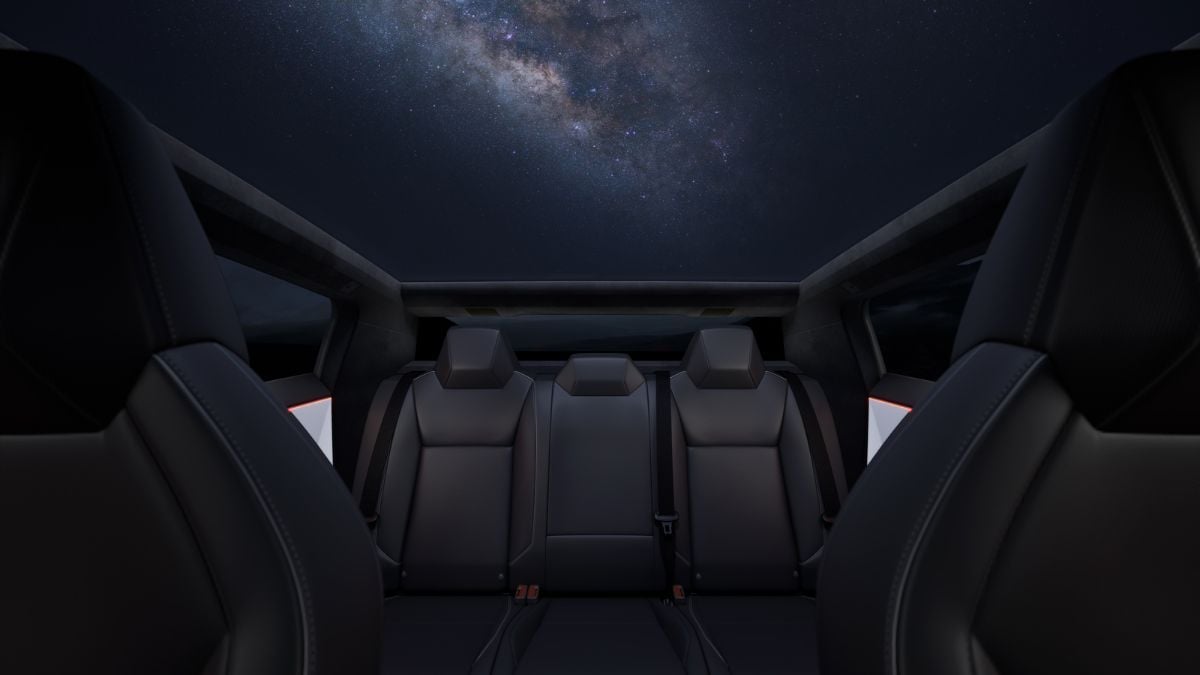
Image Sources: The “Cybertruck Owners Only” public Facebook group and Tesla’s gallery, respectively.
Set Torque News as Preferred Source on Google
Follow us today...