
There is a big difference between how people talk about cars when everything is going right and how they talk about them after something goes terribly wrong. Online, it's easy to get stuck debating paint quality, fuel economy, or whether a new generation feels softer than the last. Those conversations dominate ownership forums because they are safe and theoretical. Real clarity, however, tends to come only after a moment that forces drivers to confront what their vehicle is truly capable of protecting.
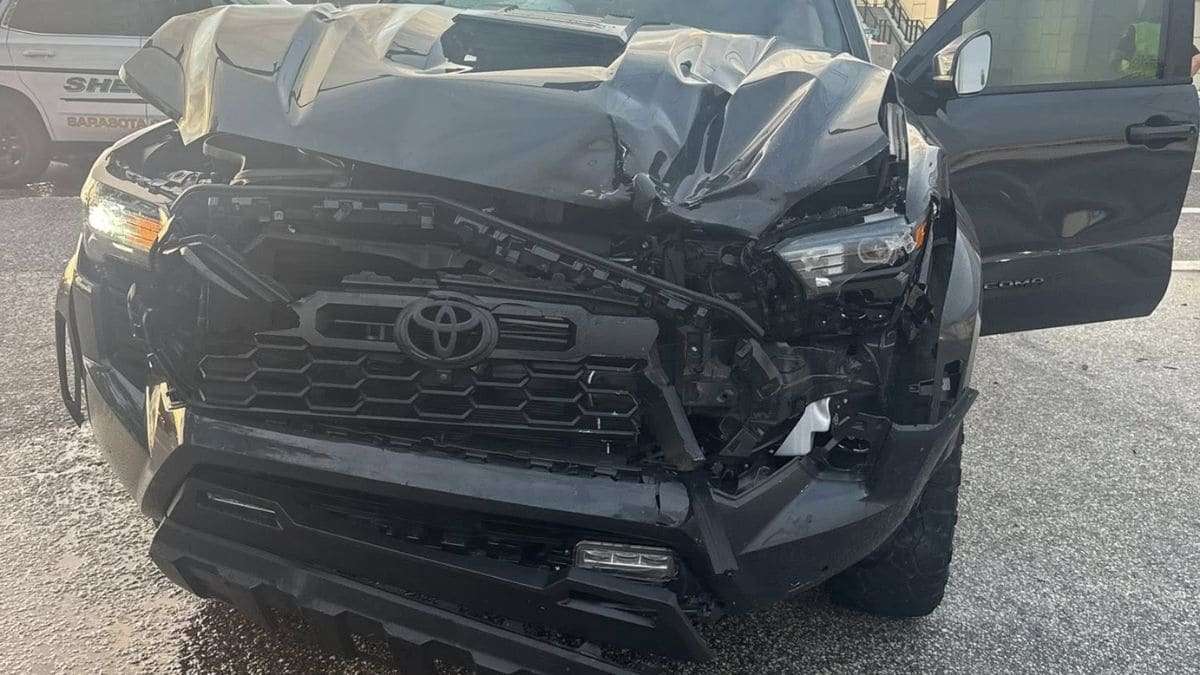
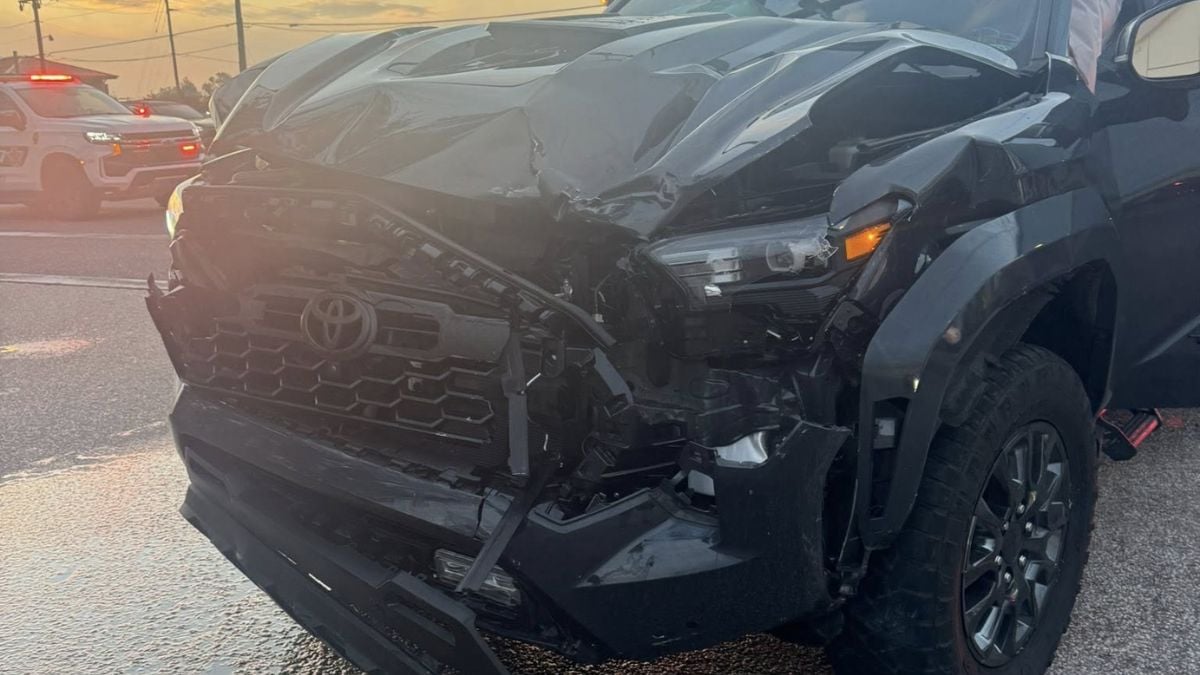
That moment was exactly what unfolded in a post I recently came across in the “4th Generation Toyota Tacoma Owners Group” on Facebook. A Toyota Tacoma owner named Jerry Crismon shared that he had been involved in a nearly head‑on collision at roughly 55 mph while driving his truck. The kind of crash he described is one most people associate with ambulances and hospital stays. Instead, Jerry says he walked away with nothing more than a scratch on his leg, even though he was not wearing a seatbelt at the time.
“For anyone that complains about gas, paint, or whatever the other 100 things people cry about, this is why I buy Tacomas. I almost went head on at 55 mph with no seatbelt and only had a scratch on my leg. This is why I buy Toyota among a few other things. God was definitely watching over us as well. You guys stay safe out there!”
When Complaints Fade and Perspective Sets In
One of the most striking parts of Jerry’s post is how quickly he reframes common ownership complaints. Issues like fuel economy, paint quality, or small design choices can feel important during daily driving. However, moments like this remind drivers why those details often fall into the background when safety and structural integrity are put to the test.
Toyota’s truck reputation has been built over decades of real‑world use, not just marketing claims. Owners frequently talk about durability, resale value, and reliability, and those conversations are often backed by long ownership timelines. That reputation helps explain why many people are willing to live with tradeoffs, especially when experiences like Jerry’s reinforce the idea that the vehicle did its job when it mattered most.
This broader ownership perspective also appears in discussions about early experiences with the latest generation Toyota Tacoma and how it compares to older models. Some owners are still evaluating how the new truck stacks up in day‑to‑day driving, especially as the honeymoon period wears off. Even when drivers point out compromises or changes, overall confidence in the truck tends to remain high.
Real‑World Safety Versus Spec Sheets
Crash‑test ratings and safety technology lists are important, but they rarely carry the emotional weight of firsthand accounts. Walk‑away crash stories tend to resonate because they translate abstract safety engineering into something tangible. In Jerry’s case, the Tacoma’s structure, restraint systems, and overall design worked together to limit injury in a scenario that could have ended very differently.
That does not mean the absence of a seatbelt is something to overlook or celebrate. Modern vehicles are designed with multiple layers of protection, but those systems work best when used as intended. Jerry’s outcome was fortunate, and it underscores both the strength of the vehicle and the unpredictability of real‑world accidents.
It's also worth noting that Toyota trucks often retain strong resale value because of their long‑term reputation for durability and trust. Owners regularly point out that even older Tacomas continue to command high prices, reinforcing the idea that buyers value proven durability and consistency over short‑term trends.
Community Reactions Add Perspective
Jerry’s post sparked a thoughtful discussion among fellow drivers, many of whom shared their own experiences and opinions about safety and seatbelt use.
Wynn Graham offered a reminder grounded in personal history, writing, “I was saved from severe injury years ago thanks to a seat belt. I can't fathom traveling anywhere without being belted. Glad you got blessed… this time.”
His comment introduces an important counterpoint. While Jerry’s outcome was positive, Wynn’s experience reinforces why seatbelts remain one of the most effective safety tools available.
Jess Matejovsky shared a story that echoed Jerry’s experience in a different way, saying, “I had the same happen at 55 mph on the freeway. Everyone came to a dead stop and I walked away with a bruise on my left arm from the airbag. I will only buy a Toyota. I just got myself a Gen 4 taco truck ;) I love it so far.”
Her comment connects safety outcomes directly to purchasing decisions, showing how real‑world incidents can shape long‑term brand loyalty.
Steve Roberts added a more direct, almost parental response, writing, “I know I’ll sound like your dad but WEAR YOUR DAMN SEAT BELT! Glad you made it out okay but seriously. Nothing but love for you!”
While blunt, Steve’s message captures what many readers likely felt while reading Jerry’s post. Relief and concern often coexist in these situations.
Tacoma Loyalty Runs Deep For a Reason
Toyota Tacoma loyalty is rarely built on one feature alone. Instead, it tends to develop over years of consistent ownership experience. Many drivers describe the Tacoma as predictable in the best possible way. It may not always feel flashy, but it feels trustworthy.
That trust is often reinforced the first time someone drives a newer generation and realizes how approachable it feels. Observations like those driving a 4th‑generation Toyota Tacoma and being surprised by how car‑like and manageable it felt under acceleration suggest Toyota is trying to balance modern refinement with the toughness owners expect.
When those everyday impressions are combined with serious moments like Jerry’s crash, the result is a kind of confidence that does not come from brochures. It comes from repetition, reliability, and outcomes that reinforce expectations.
As someone who spends a lot of time reading owner stories, I think moments like this reveal why brand loyalty cannot be manufactured. It forms when expectations meet reality in extreme situations. Jerry’s experience does not mean a Tacoma is invincible, nor does it excuse unsafe habits. What it does show is how engineering decisions made years earlier can directly affect real people in unpredictable moments.
I also think stories like this challenge how we prioritize complaints. It is easy to focus on minor frustrations when everything is going smoothly. It is much harder to ignore the value of a vehicle after it protects you in a life‑altering scenario. That contrast is what makes Jerry’s post resonate far beyond a single Facebook group.
Key Takeaways
- Perspective matters most after real events: Minor ownership complaints often fade after serious incidents.
- Vehicle safety is more than ratings: Real‑world outcomes provide context that numbers alone cannot.
- Seatbelts remain essential: Even positive outcomes should reinforce safe driving habits.
- Brand loyalty is built over time: Experiences like this explain why many owners stick with Toyota for decades.
Let's Hear Your Opinion
Have you ever had a moment where your vehicle protected you in a way that completely changed how you felt about the brand?
And for Toyota Tacoma owners, was there a specific experience that made you say, “This is why I bought this truck,” and stick with it long term?
I'd love to hear your thoughts in our comments below.
Aram Krajekian is a young automotive journalist bringing a fresh perspective to his coverage of the evolving automotive landscape. Follow Aram on X and LinkedIn for daily news coverage about cars.
Image Sources: The “4th Generation Toyota Tacoma Owners Group” public Facebook group.
Set Torque News as Preferred Source on Google
Follow us today...