
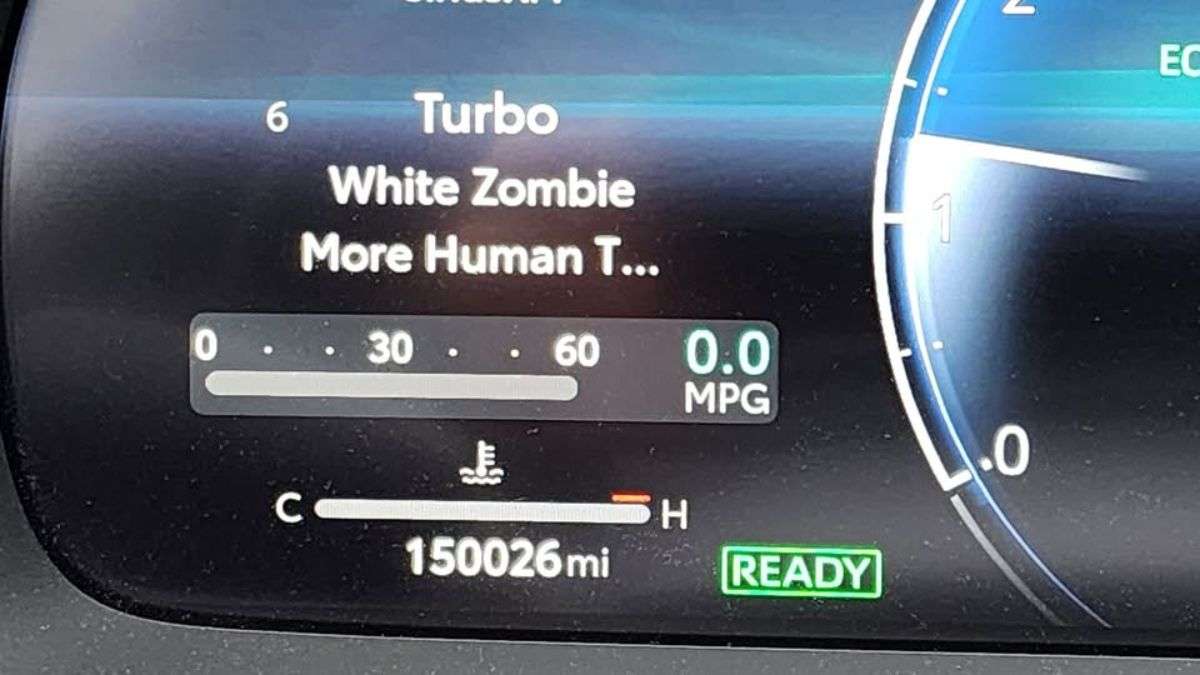

There’s a very well-known assumption about Toyotas that with proper maintenance, the vehicle will generally remain reliable for a great amount of time. This is typically not evident in the early years of a vehicle's life cycle, but it shows itself in extreme cases of excessive use, where owners find their vehicles to be either an example of the brand's reliability or the opposite.
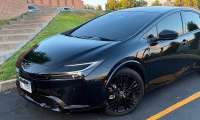
That’s what made a recent post in the "Toyota Crown Signia" Facebook community stand out. Justin Thornell shared a simple update that, at first glance, looked almost routine. However, after analyzing the information presented within the update, it became clear how Toyota's new hybrid crossover operates at extremely high mileages of real-world, long-term vehicle ownership.
“I just got my 15th oil change. #Roadto1MillionMiles”
For a vehicle that only recently entered the market, the 150k mileage immediately raised eyebrows. Not long after either, the comment section filled with questions that cut straight to what every high-mileage story eventually invites: what’s gone wrong, and what hasn’t.
Other Owners' Thoughts
Ron Cromwell was quick to ask the obvious question many readers were already thinking: “And what are your cons or gripes after these miles?”
Justin’s response didn’t read like someone glossing over problems. Instead, it sounded like a driver who has lived with the car long enough to know exactly what matters:
“I still hate not having a spare tire from the factory. I also wish it had a bigger gas tank, but I use 17 gallons (avg) per day. Other than those 2, I love this vehicle and since I have a lifetime powertrain warranty, I'm gonna drive it until the wheels fall off. I should hit 1,000,000 miles in 7.5ish years!”
What stands out isn't just how daring that million-mile goal is, but it's also how small the list of complaints is after 150k miles of use. No mention of drivetrain issues, hybrid system failures, etc. The complaints are simply design choices rather than major breakdowns, and that distinction matters.
Another commenter, Alim Memon, dug into the details that usually determine whether a vehicle survives this kind of mileage: “Is it all highway miles? Did you do a transmission fluid change?” Justin replied, “99% highway. I changed all my fluids at 100k.”
These two statements say quite a bit. Highways greatly reduce the amount of wear on your vehicle versus city/stop-and-go traffic, and proactive maintenance (fluid changes) can make all the difference in how well your powertrain will last. Justin's experience reinforces what many long time Toyota owners have learned, and it's that longevity for your vehicle is rarely an accident.
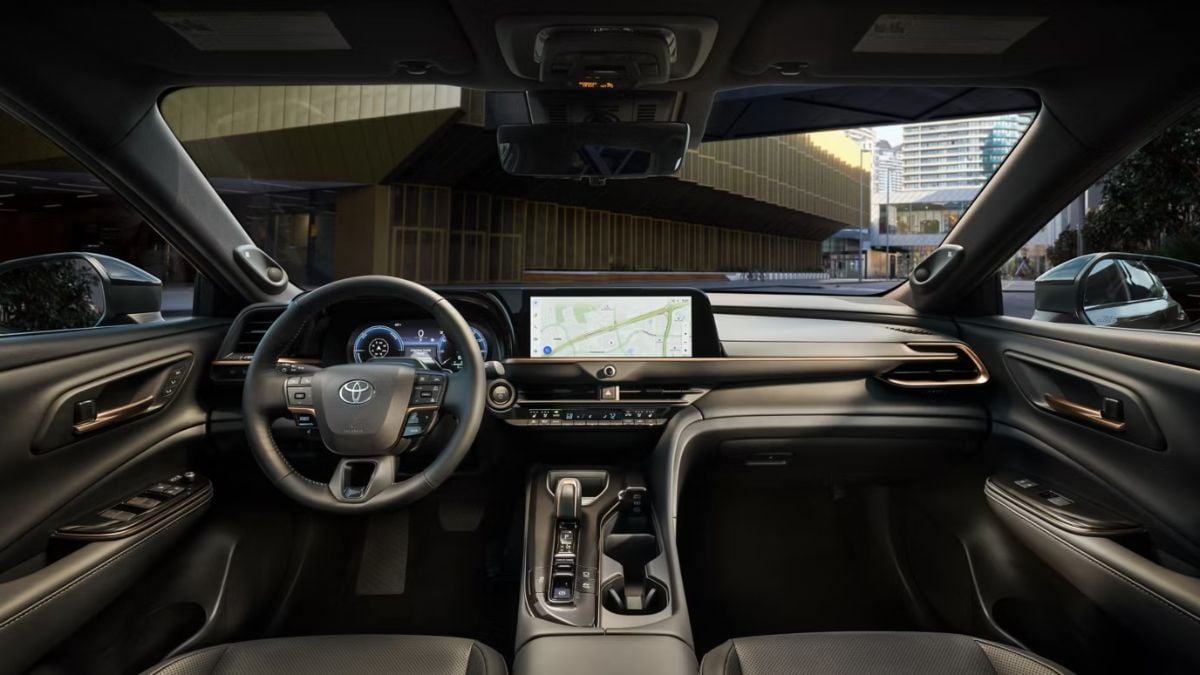
Why Extreme Highway Mileage Changes the Equation
Most folks who hear 150,000 miles immediately visualize years of cold starts, very short trips, potholed roads, heavy traffic, and neglecting routine maintenance. This is far removed from the daily regimen that Justin's Crown Signia has experienced. Justin's car has traveled approximately 99% of the miles on highways where his speed, temperature, and load are nearly always constant. In other words, engines, transmissions, and hybrid systems tend to be treated better when operated at a consistent steady speed, with constant temperature and consistent loads.
The distinction is important because it changes what we're really learning from this ownership experience. Justin's Crown Signia is not just surviving high mileage; he's doing so in a usage pattern that parallels how Toyota engineers believe their hybrid systems will function for maximum long-term performance and longevity. Thus, while the accomplishment is significant, it helps explain why discipline in maintaining his vehicle and his driving habits are equally as important as the Crown Signia's Toyota brand name.
The Crown Signia’s Role in Long-Term Comfort and Durability
Why this type of mileage is possible is largely due to The Crown Signia itself. As a well-refined hybrid crossover with an emphasis on efficiency, it has features that focus on comfort, smoothness of power, and low fatigue for the driver. While these are often overlooked in first impressions, they can be very important characteristics when you drive a car thousands of miles per month.
Several owners have echoed this sentiment, particularly when it comes to long-distance comfort and day-to-day livability. One Crown Signia owner recently explained why they couldn’t be happier with their Toyota Crown Signia after living with it daily, pointing to the ride quality, interior comfort, and overall ease of use that make extended time behind the wheel far less tiring. At this level of mileage, comfort stops being a luxury and starts becoming a requirement for sustainable long-term ownership.
Fuel Usage, Tank Size, and Design Tradeoffs That Stand Out at 150,000 Miles
Fuel consumption is among the few areas in which Justin believes Toyota did not do as well as they could have (although I'm sure his MPG was probably amazing). With an average fuel consumption of approximately 17 gallons each day, he uses far more than the vast majority of private owners use their vehicles. This places him into a category of users where even the smallest issues such as tank capacity are magnified due to increased usage.
This is where real-world data becomes more valuable than window stickers. Crown Signia owners have reported surprisingly varied fuel economy results depending on speed, terrain, and driving habits, as seen in broader discussions where owners shared their real-world gas mileage results. Justin’s experience fits right into that spectrum because the efficiency is there, but when you’re burning through a tank daily, capacity matters just as much as miles per gallon.
The lack of spare tires could be seen as a minor issue by casual drivers. However, when your vehicle spends the vast majority of its life on the road, this can create a legitimate problem for anyone attempting to travel a million miles. The reason automakers tend to remove spares is so that they can reduce the overall weight of the vehicle and therefore reduce fuel consumption while freeing up packaging space within the vehicle. It's a logical decision from a technical standpoint, but for someone who has spent countless hours driving, this creates an additional risk that could potentially occur with little notice during a long commute or while traveling along a remote highway.
Justin's frustration illustrates how the decisions made by manufacturers concerning the design of vehicles, which may appear minor when the vehicle is first launched onto the market, can appear significantly larger once the vehicle has traveled several hundred thousand miles.
How a Lifetime Powertrain Warranty Changes Ownership Psychology
One of the most telling details in Justin’s comments is his lifetime powertrain warranty. With this warranty covering all major components for the remainder of the vehicle's life, it significantly reduces the anxiety experienced by many car owners when they reach 100,000+ miles on their vehicles.
Whereas owners who have no such protection might often begin to develop an "exit strategy," an owner who has a warranty like that will be more likely to continue to use and take care of the vehicle. He or she will likely fix problems as they arise, properly maintain the vehicle, and see the increased mileage as a challenge rather than a countdown until the end of the vehicle's useful life. In an era where powertrains are becoming more complex, that peace of mind can be the difference between trading in early and committing to the long haul.
Small Details That Encourage Long-Term Commitment
Beyond the powertrain itself, the Crown Signia has been gaining attention for subtle design choices that improve daily livability. Even small features can make a big difference over time, and that is why owners have been surprisingly vocal about specific details highlighted in close looks at trims like the 2026 Toyota Crown Signia Limited AWD. These aren’t features that sell cars in commercials, but they’re the ones that keep owners satisfied years down the road.
Drivers are less likely to feel worn down by a vehicle when it's pleasant to live with. That satisfaction compounds over time and helps explain why some owners are comfortable setting ambitious goals like seven-figure mileage.
That's why I think stories like this are far more valuable than dramatic failure headlines. Anyone can post when something breaks, and yes, it is my job to report those things too. But it takes consistency, discipline, and trust in a vehicle to quickly rack up 150,000 miles and keep going.
Justin’s Crown Signia isn’t being babied, and it isn’t being tested in controlled conditions. It’s being used predictably, and responsibly. That combination tells us more about modern Toyota hybrid durability than a dozen early breakdown stories ever could. It also reinforces an idea that often gets lost in online debates. It's the idea that reliability is a partnership between engineering and ownership.
Key Takeaways for Long-Term Owners
- High mileage reveals design strengths and weaknesses quickly. Small compromises feel bigger the longer you drive.
- Maintenance timing matters as much as mileage. Proactive service decisions shape long-term outcomes.
- Driving conditions can extend or shorten a vehicle’s life dramatically. Highway miles are fundamentally different from city miles.
- Warranty coverage influences how owners think about longevity. Confidence encourages commitment.
- The best reliability stories are often uneventful. Quiet consistency is the real win.
Your Turn to Share
Have you put serious miles on a modern hybrid or Toyota vehicle? How has it held up over time?
And if you had a lifetime powertrain warranty, would you be more willing to chase extreme mileage like Justin?
Don’t hesitate to share what you think in our comments section below.
Aram Krajekian is a young automotive journalist bringing a fresh perspective to his coverage of the evolving automotive landscape. Follow Aram on X and LinkedIn for daily news coverage about cars.
Image Sources: The “Toyota Crown Signia” public Facebook group and Toyota’s gallery, respectively.
Set Torque News as Preferred Source on Google
Follow us today...




Comments
Step into the thrilling…
Permalink
Step into the thrilling world of online gambling with wayang88 login and enjoy nonstop entertainment. Efficient help services improve user confidence and the enjoyment derived from the site.