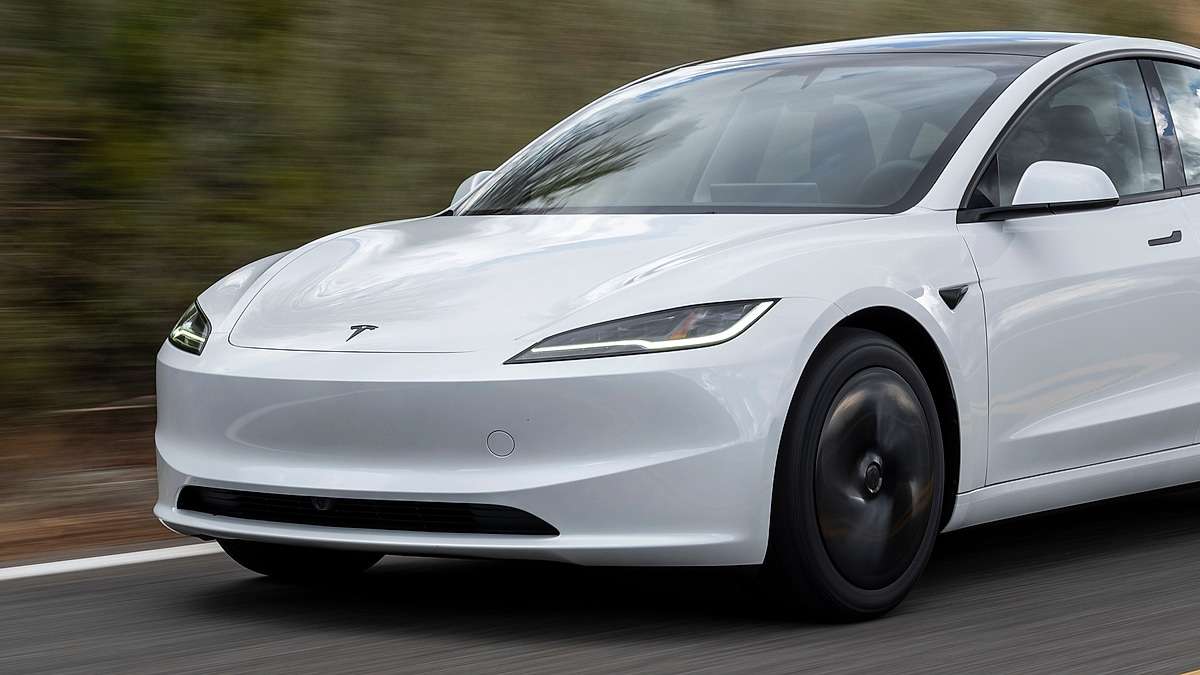

A dead Tesla requires a flatbed truck, but if it's in a parking garage, it might need two different tow trucks and a 10mm wrench. The core problem is clear: what should be a straightforward roadside assistance call for any car becomes a multi-step, technically demanding operation for a Tesla.
This complexity represents a significant gap in the manufacturer's responsibility to its customers and to the broader roadside assistance industry. When a vehicle's design inherently complicates basic recovery procedures, it shifts the burden of technical knowledge and potential financial risk directly onto the owner and unprepared tow operators.
It raises concerns about the practical implications of EV ownership beyond the showroom floor.
“Note to mods: this isn't a question, so is there a better subreddit for it? It was rejected from the Tesla Lounge.
I'm writing this to help you the next time you need to tow your Tesla. If I've made any mistakes, put them in the comments, and I'll fix them.
When you speak to the tow company, make sure you tell them the following:
It's an electric vehicle
If you can turn on Tow Mode or not
If you're in a parking garage or other space that's too small for a larger truck
There are three types of towing. Make sure you get the right one (or two, if necessary).
A flat-bed truck. The whole vehicle is off the road and on the flatbed.
Wheel-lift truck. The most common. Lifts the front two wheels up, drags the back two wheels.
Advertising
Dollies/Skates. One way or the other, all four wheels are up off the ground, no dragging.
Let me explain, in order.
If you can't turn on Tow Mode, you must use Dollies/Skates. With the car's parking brake engaged, you do not want to be dragging the wheels, so it's not even recommended to get it onto an ordinary flat-bed truck. I know the least about this, so feel free to correct me or add more details in the comments.
You need a flat-bed truck for a Tesla. If they send a wheel-lift truck, you can go a short distance at 5mph/8kph, but anything more can damage the vehicle.
A typical flat-bed truck won't fit in a typical multi-level parking garage. In this case, you'll need a smaller wheel-lift truck to get your vehicle out of the garage, and then a flat-bed truck to drive it to the Service Center.
You may also be able to turn on Tow Mode and push the car. You do need some power to turn on Tow Mode. I wish I'd had something in the car to chock the tires - then I would have chocked the tires and turned on Tow Mode while I was waiting. I recommend disconnecting the 12V battery with a 10mm wrench - something you could learn to do when you've got some time.”
The owner's detailed instructions, including the need to specify "electric vehicle" and the nuances of "Tow Mode," reveal an alarming lack of standardization in EV recovery. This problem extends beyond Tesla to an industry that has rapidly deployed complex vehicles without adequately preparing the support infrastructure for their inevitable breakdowns.
Tesla: The Complexities of EV Towing
- Towing Mode Requirement: Tesla vehicles, like many EVs, require "Tow Mode" to be engaged or the use of dollies/skates to ensure all four wheels are off the ground during transport. Failure to do so can cause significant damage to the electric motors and drivetrain due to regenerative braking systems.
- Flatbed Necessity: For any substantial distance, a flatbed truck is the only recommended towing method for a Tesla to prevent damage. This ensures the vehicle is completely lifted off the road, eliminating any rotation of the wheels and connected drivetrain components.
- Multi-Truck Scenarios: In situations like multi-level parking garages with low clearances, a smaller wheel-lift truck may be needed to extract the Tesla to an accessible area. From there, a second, larger flatbed truck is required to transport the vehicle to a service center, doubling the logistical challenge and potential cost.
- Owner Intervention: Owners may need to manually engage "Tow Mode" or even disconnect the 12V battery with a 10mm wrench if the vehicle is completely dead. This level of owner intervention for a basic roadside event is unusual and indicates a lack of robust, failsafe recovery mechanisms.
This is a broader industry problem where EV manufacturers are releasing vehicles that require specialized knowledge and equipment for basic recovery, without ensuring that knowledge and equipment are universally available.
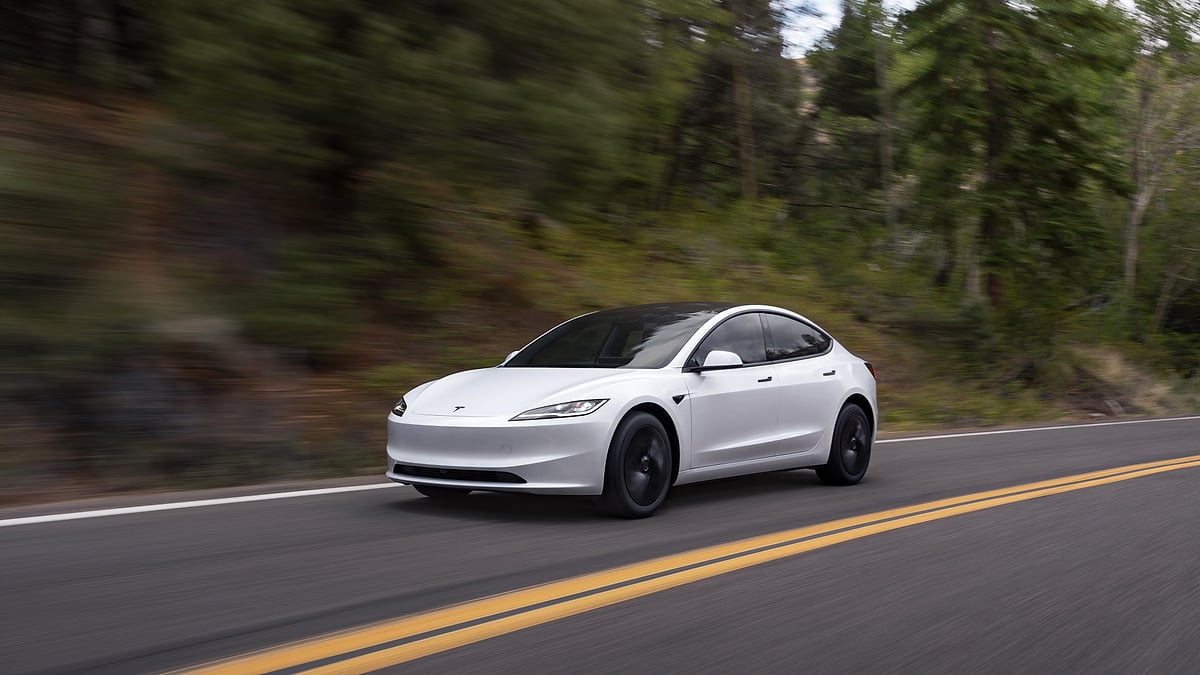
The distinction between flatbed, wheel-lift, and dollies isn't new to the towing industry, but the absolute necessity of a specific method for a Tesla, coupled with the potential for severe damage if the wrong one is used, places an unfair burden on the owner. A conventional internal combustion engine vehicle can often be towed with a wheel-lift for short distances without catastrophic transmission damage. For a Tesla, even a short, slow drag can lead to seized motors or other expensive component failures.
Reddit user u/Muted-Disk4649, who appears to have read the original post, summarized the core takeaway:
Thanks. TLDR = flat bed for Tesla; turn tow mode on?
This comment, while brief, perfectly encapsulates the situation: owners are forced to condense critical, potentially vehicle-saving information into a quick bullet point for tow operators who may be entirely unfamiliar with the specific demands of an EV. The fact that the original poster, u/oliversisson, then clarified the "two trucks" scenario for parking garages only shows how many layers of complexity exist beyond the initial, seemingly simple, "flatbed only" rule.
The recommendation to carry a 10mm wrench to disconnect the 12V battery and the suggestion of pushing the car into "Tow Mode" while waiting for assistance are not features; they are workarounds. Modern vehicles, especially those positioned as technologically advanced, should not require owners to perform roadside electrical disconnections or manual vehicle maneuvers simply to facilitate a tow. This points to a design philosophy that prioritizes in-use functionality over practical recovery, leaving owners vulnerable.
Tesla's design choices, particularly its reliance on "Tow Mode" and the severe consequences of improper towing, place an undue burden on owners and the roadside assistance network.
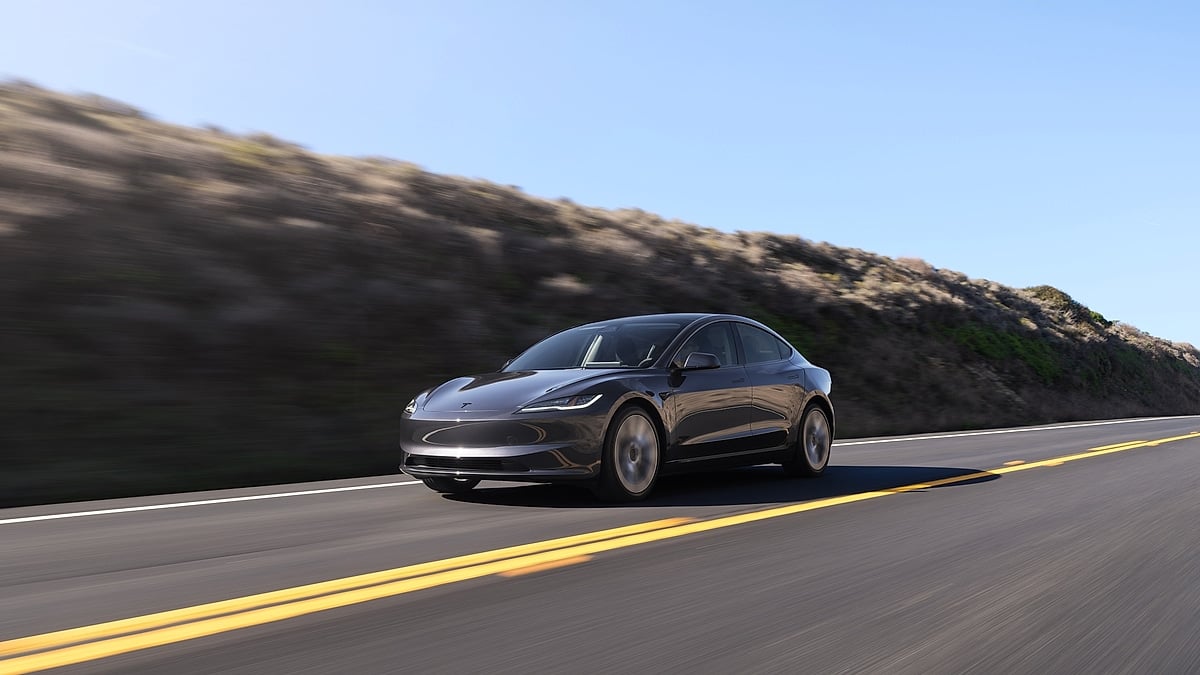
The fact that an owner needs to educate the tow company on basic vehicle requirements indicates a failure. Until manufacturers standardize towing protocols and actively educate the towing industry, owners will continue to face unnecessary stress, potential damage, and inflated costs when their advanced vehicles break down.
Image Sources: Tesla Media Center
About The Author
Noah Washington is an automotive journalist based in Atlanta, Georgia, covering sports cars, luxury vehicles, and performance culture. His reporting focuses on explaining the engineering, design philosophy, and real-world ownership experience behind modern vehicles.
Noah has been immersed in the automotive world since his early teens, attending industry events and following the enthusiast communities that shape how cars are built and driven today. His work blends industry insight with enthusiastic storytelling, helping readers understand not just what a car is, but why it matters.
Noah is also a member of the Southeast Automotive Media Association (SAMA), a professional organization for automotive journalists and industry media in the Southeast.
His coverage regularly explores sports cars, luxury vehicles, and performance-driven segments of the automotive industry, including the evolving culture surrounding Formula Drift and enthusiast builds.
Read more of Noah's work on his author profile page or on his personal website.
You can also follow Noah here:
Set Torque News as Preferred Source on Google
Follow us today...