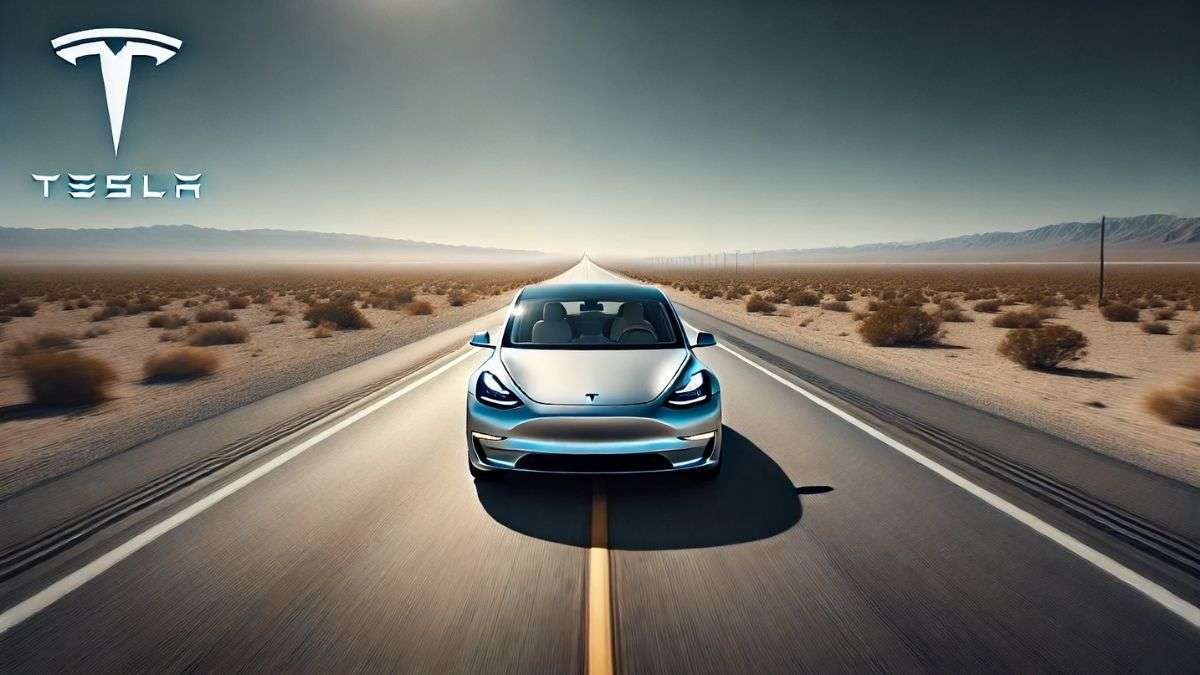

In classic Tesla fashion, the news dropped with the subtlety of a Falcon Heavy booster landing: reports from October 11, now widely confirmed, show Tesla is preparing an "ultra long-range" variant of its blockbuster Model Y. Powered by a new battery pack, this new spec is a flex of engineering muscle, a doubling-down on the one metric Tesla has always used as its trump card: range. It’s a triumphant reminder that when it comes to battery technology, it’s still Tesla and then everyone else.
And yet, in the fall of 2025, it feels like a brilliant answer to a question that fewer and fewer people are asking. As Tesla’s growth slows and its brand image problems mount, this new variant proves that the company is still focused on winning its last war, while a new one rages on.
The Enduring Power of the "Range" Security Blanket
Let's be clear: range still matters. For the vast majority of new EV buyers, "How far will it go?" remains the single most important question. Range anxiety is the greatest psychological barrier to EV adoption, and it’s a problem Tesla effectively solved for the premium market years ago. As a J.D. Power study on EV satisfaction has consistently shown, battery range and charging-station availability are the two pillars of owner happiness.
More range is a "peace of mind" metric. It’s a security blanket. Most drivers will never use the full 400+ miles (or whatever this new pack delivers) in a single day, but they buy it for the same reason people buy a 500-horsepower SUV to drive to the grocery store. It's about a feeling of capability and the elimination of "what if." By pushing the range barrier even further, Tesla is reinforcing its primary sales argument.
Tesla’s Battery Leadership: A Double-Edged Sword
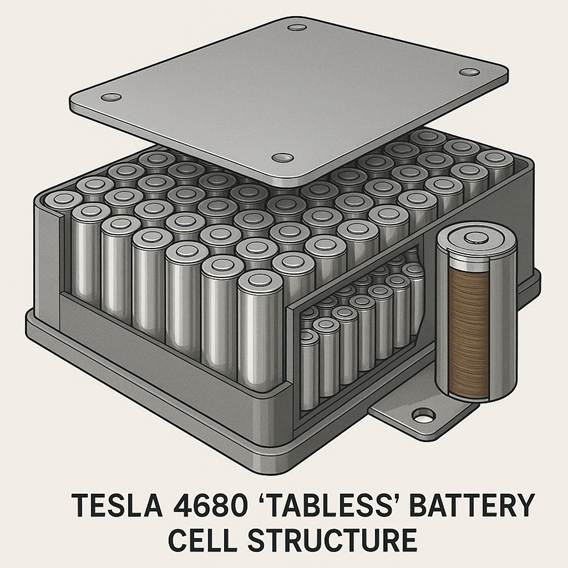
This new variant is a direct result of Tesla’s core, unassailable strength: its mastery of battery technology. While competitors are still struggling to secure supply chains, Tesla has been deep in the trenches scaling its own in-house 4680 battery cells. This new pack is almost certainly the first true fruit of that labor—a next-generation 4680 battery that has finally achieved the energy density and manufacturing scale promised years ago.
But this leadership is also a massive risk. By betting the farm on its own proprietary, vertically-integrated tech, Tesla has no one to blame when things go wrong. The 4680 cells have been notoriously difficult to scale, and this reliance on "bleeding-edge" manufacturing can create production bottlenecks that competitors, who buy excellent batteries from suppliers like CATL or LG Chem, simply don't have. This new long-range model is a flex, but it’s one that ties the company’s fortunes even tighter to its own difficult manufacturing innovations.
Will This Really Boost Sales?
The Tesla Model Y was the 2023 best-selling car in the world. It is a monster hit, and Tesla's sales success is undeniable. But that success is also maturing, and its once-exponential growth is slowing. The market is getting saturated, and the competition from Hyundai, Kia, Ford, and a tidal wave of Chinese brands is no longer just "catching up"—in many areas, it's arrived.
Will this new variant materially help? Incrementally, yes. It will defend its premium position. It will give tech-focused buyers a new, clear-cut spec to brag about. It will likely peel off some prospective customers who were holding out for a "magic number" over 400 miles.
But it is not a "game-changer" for the company's growth trajectory. It's not a new model. It won't bring in millions of new buyers who are waiting for the long-promised, affordable "Model 2." It's a classic mid-cycle refresh that reinforces Tesla's strengths but does nothing to address its rapidly growing weaknesses.
The Ticking Clock on Tesla’s Image Problem
Here is the hard truth for Tesla in late 2025: its biggest liability is no longer technology. It's the brand itself. The Model Y and Model 3, while still brilliant, are starting to look dated. The Cybertruck has been a polarizing, low-volume distraction. And the brand's public image, once synonymous with "visionary innovator," has become deeply entangled with the chaotic, political, and divisive public persona of its CEO.
This is not a theoretical problem; it’s a financial one. Recent consumer sentiment studies, like those from market intelligence firm Caliber, have shown a steep decline in brand consideration and reputation. Buyers who once saw Tesla as a progressive, eco-friendly choice are now looking elsewhere.
What does Tesla really need to do?
- Deliver the "Model 2": A truly affordable, mass-market car is the only path to the next wave of growth.
- Fix Build Quality and Service: Adding 50 miles of range is meaningless if the car is delivered with panel gaps, or if a minor repair takes a month to schedule.
- Refresh the Lineup: The core models are aging. They need a genuine, compelling design refresh, not just a spec bump.
- Stabilize the Brand Narrative: The company needs to find a way to separate its products from the daily chaos of its CEO's headlines.
Wrapping Up
The new ultra long-range Model Y is a classic Tesla move and a genuine engineering marvel. It proves that the wizards in Palo Alto and Austin can still pull technological rabbits out of their hats. It reinforces their dominance in the one metric that used to be the only one that mattered. But the EV game has changed. Today, buyers have a choice, and they are looking at build quality, service, brand reputation, and fresh design. This new Model Y is a brilliant solution to a 2022 problem, and it may not be enough to solve the very real challenges Tesla faces in 2026.
Disclosure: Images rendered with Dall-E and ChatGPT 5.0
Rob Enderle is a technology analyst at Torque News who covers automotive technology and battery developments. You can learn more about Rob on Wikipedia and follow his articles on Forbes, X, and LinkedIn.
Set Torque News as Preferred Source on Google
Follow us today...