
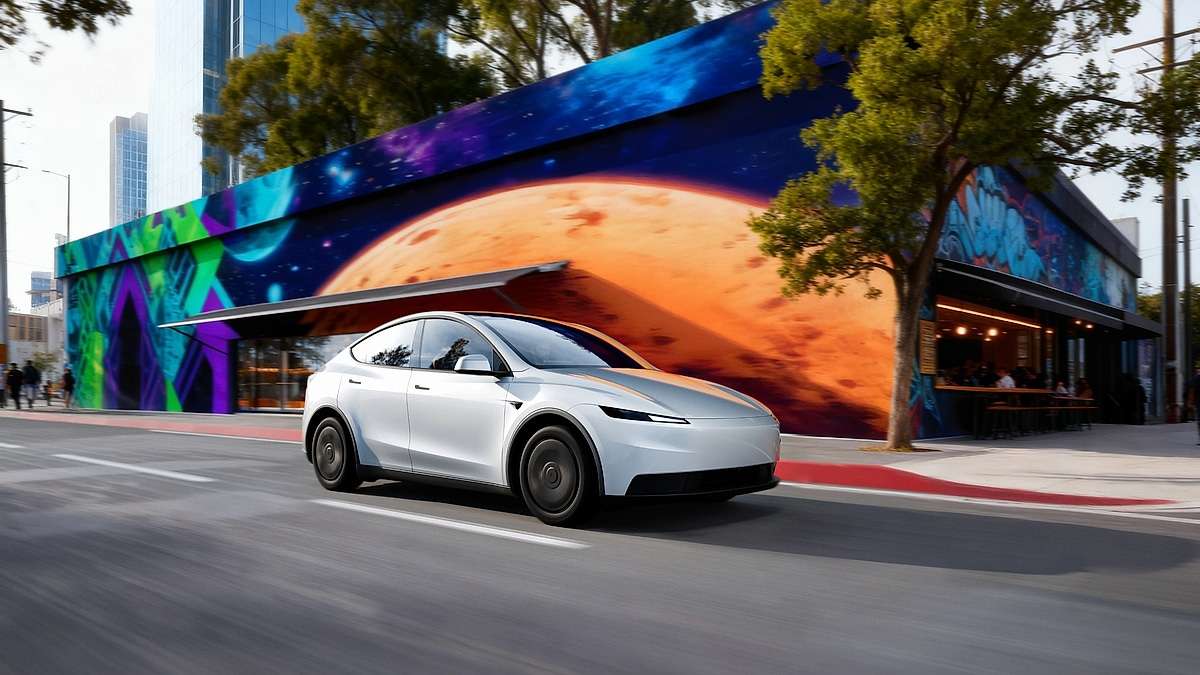

A Tesla owner, after driving a newer hardware-equipped vehicle, has elected to cancel their Full Self-Driving (FSD) subscription, arguing that paying the same monthly fee for a demonstrably inferior experience on their older Hardware 3 (HW3) system is unjustifiable. This decision shows a growing chasm in the FSD user base, where the rapid evolution of Tesla's autonomous driving technology is creating a tiered service without a corresponding tiered pricing structure. The expectation that a subscription service should reflect the value delivered, regardless of the underlying hardware, is being directly challenged by owners experiencing a clear performance disparity.
"TBC, I like my FSD a lot. I bought my 2023 Model Y HW3 last year with FSD in mind. I enjoy it and use it often. Last week I drove my mom's HW4, and I realized there was a problem.
Again, I really enjoy my HW3 fsd, but why am I paying steak prices for a hamburger? HW4 is so much better, and after a call with Tesla support and service, I found there were no plans to make the HW3 subscription cheaper. I decided I need to cancel.
I hate it, and my one subscription won't affect things one way or another, but the 2 subscriptions should not be the same price. At all.
EDIT: So, all the false equivalencies and poor comparisons in this thread made me make this edit (even some of mine were just ok). I just talked to a friend of mine who works for a major media company in IT.
(paraphrased quote) "When our hardware was no longer able to be updated to the latest OS, we reached out to Apple and Adobe, respectively, asking each to incentivize our move to the newest OS or offer a deal if we retain the older version. Apple gave us 2 years at a reduced rate to offset the eventual need to upgrade, and Adobe straight gave us a % discount as long as we were on the older software. This was the same years ago when our Windows machines retained XP for almost 8 years past the point (Windows 7 and then 10). We did NOT pay the same fee as others licensing the new OS. It was considerably less. Eventually, we were booted entirely from XP as the company chose to end support."
So, yeah. The software world disagrees with y'all. This is why, typically, most software ends support for older hardware versions, to avoid exactly this (also to ensure they are developing for the latest hardware and not burning resources on the old one). I'm not saying Tesla is evil or whatever (y'all get sOOoooo defensive), but this practice is abnormal and not thought out.
The owner's decision to cancel their FSD subscription on a 2023 Model Y equipped with Hardware 3 (HW3) after experiencing the superior performance of Hardware 4 (HW4) exposes a fundamental flaw in Tesla's current FSD pricing model.
Tesla FSD: Hardware Generations and Subscription Models
- Tesla's Full Self-Driving (FSD) capability relies on dedicated onboard computer hardware, which has evolved through several generations, most notably from Hardware 3 (HW3) to Hardware 4 (HW4). HW4 features significantly more processing power and an updated sensor suite, including higher-resolution cameras.
- The FSD subscription currently costs $199 per month, or $99 per month for those who previously purchased the Enhanced Autopilot package. This fee provides access to the latest FSD software features, regardless of the vehicle's hardware generation.
- Owners of vehicles equipped with HW3 are not currently offered a discounted FSD subscription price, despite the demonstrably superior performance and capabilities of the FSD software running on HW4. This policy contrasts with common practices in the broader software industry, where older hardware often receives reduced pricing for software services.
- The upgrade path from HW3 to HW4 for existing owners is not straightforward or universally available, further exacerbating the issue for those who wish to experience the full capabilities of the latest FSD software without purchasing a new vehicle.
When a service is tied to a rapidly evolving hardware platform, maintaining a flat subscription fee across vastly different capabilities is a recipe for customer dissatisfaction. Tesla’s refusal to offer a tiered pricing structure for FSD based on the car’s underlying processing power directly contradicts common industry practices for software-as-a-service models.
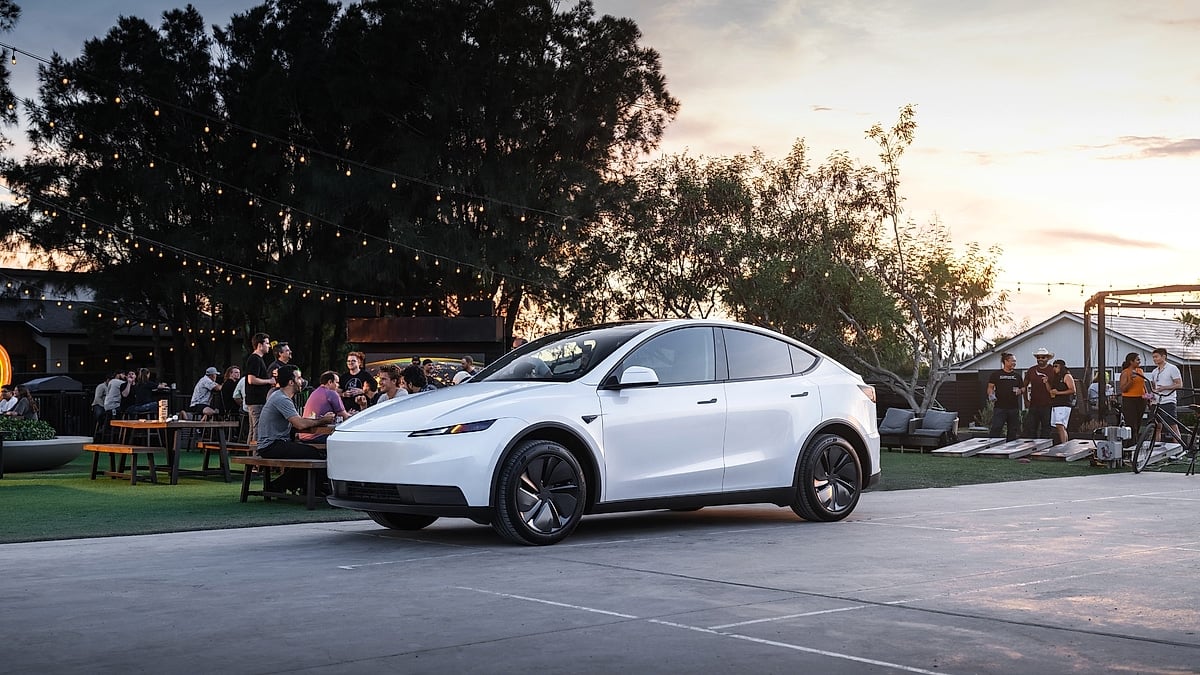
There is a tangible difference in product delivery. The leap from HW3 to HW4 represents a significant upgrade in computing power, sensor suite, and ultimately, the real-world performance of the FSD software. To expect customers to pay the same premium for a demonstrably less capable system, especially when direct comparison reveals the disparity, indicates a disconnect between Tesla's internal strategy and customer expectations. The "steak prices for hamburger" analogy is apt, and it resonates with any consumer who has paid full price for a product that is no longer cutting-edge.
Reddit user u/Lokon19, recognizing the power of collective action, commented:
If enough people cancel, maybe they'll lower the price.
This sentiment reveals a critical point in subscription-based services: customer retention is directly linked to perceived value. If enough HW3 owners follow suit and cancel their subscriptions, Tesla will face a stark choice: either adjust pricing to reflect the hardware's capabilities or risk alienating a significant portion of its FSD subscriber base. The company's current stance suggests an indifference to this dynamic, assuming the FSD brand alone will sustain demand, but that assumption is built on the premise of a consistent, high-quality experience across the fleet.
The comparison to the broader software industry, as highlighted in the owner's edit, further solidifies the argument for differentiated pricing. Companies like Apple and Adobe have established precedents for offering reduced rates or incentives for users on older hardware, acknowledging the limitations and encouraging upgrades. Tesla, by contrast, is attempting to force a premium price for a service that, on older hardware, is becoming increasingly outdated. Fairness and sustainable business practice are critical in a technology-driven market.
Another commenter, u/AirFlavoredLemon, offered a different perspective:
Comparison is the thief of joy.
If the $100/mo is worth the FSD and all the joy/fun/relief/relaxation it brings you, then keep the subscription.
There will always be something newer and better around the corner; it's not a question of what else better exists, but what is worth it to you, now, today.
If it's not worth $100/mo, cancel it. If it is, keep it. Easy as that.
While the "comparison is the thief of joy" argument holds some philosophical weight, it fails to address the core issue of the value proposition in a commercial transaction. When a company offers a single price for a service that has multiple tiers of performance based on the hardware it runs on, it's not the customer's fault for recognizing the discrepancy. The value of a service is not static; it's relative to its alternatives and its own evolving capabilities. To suggest that a customer should simply ignore a superior version of the product they are paying for, especially one delivered by the same manufacturer, is to absolve the manufacturer of their responsibility to provide consistent value.
The performance gap is not theoretical. User u/KatiRollKing, who owns both a 2021 Long Range Model Y and a Cybertruck, stated:
My FSD on my 2021 LR Y is trash compared to it on my Cyberbeast …
This direct, real-world comparison from an owner with access to both HW3 and HW4-equipped vehicles provides undeniable anecdotal evidence of the performance disparity. The Cybertruck, equipped with HW4, delivers a significantly more capable FSD experience. This isn't a minor difference; it's a qualitative shift that renders the HW3 experience "trash" by comparison. Tesla's continued insistence on a uniform subscription price across these disparate hardware platforms is not only economically unsound but also risks undermining the very perception of FSD as a premium, cutting-edge technology.

Tesla's current FSD subscription model, which charges the same premium price regardless of the vehicle's underlying hardware, is fundamentally unsustainable. The performance gap between Hardware 3 and Hardware 4 is too significant to ignore, and owners are rightfully demanding a pricing structure that reflects the actual value delivered. By failing to offer tiered pricing or incentives for HW3 owners, Tesla is not only frustrating its loyal customer base but also creating a disincentive for future FSD subscriptions on older vehicles. The company must acknowledge the reality of its hardware evolution and adjust its pricing strategy to maintain customer satisfaction and the long-term viability of its FSD program.
Image Sources: Tesla Media Center
About The Author
Noah Washington is an automotive journalist based in Atlanta, Georgia, covering sports cars, luxury vehicles, and performance culture. His reporting focuses on explaining the engineering, design philosophy, and real-world ownership experience behind modern vehicles.
Noah has been immersed in the automotive world since his early teens, attending industry events and following the enthusiast communities that shape how cars are built and driven today. His work blends industry insight with enthusiastic storytelling, helping readers understand not just what a car is, but why it matters.
Noah is also a member of the Southeast Automotive Media Association (SAMA), a professional organization for automotive journalists and industry media in the Southeast.
His coverage regularly explores sports cars, luxury vehicles, and performance-driven segments of the automotive industry, including the evolving culture surrounding Formula Drift and enthusiast builds.
Read more of Noah's work on his author profile page.
You can also follow Noah here:
Set Torque News as Preferred Source on Google
Follow us today...






