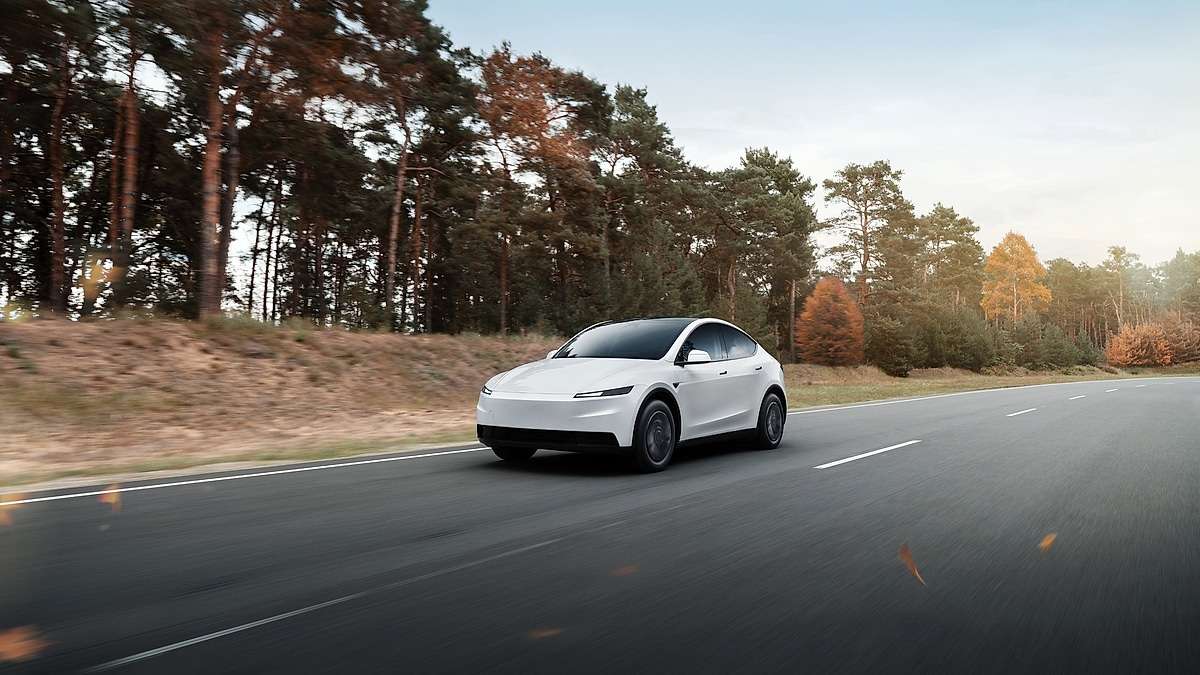

A door ding, caught on Sentry Mode, has escalated into a financial quagmire for the owner of a Juniper Tesla Model Y. The at-fault driver's insurance, described by a Tesla Collision Center as a "budget carrier," is refusing to cover the full cost of repairs, including Tesla's specific labor rates and the necessary OEM parts. This situation leaves the Tesla owner facing a potential out-of-pocket gap on a repair estimated at $1500, plus an additional $700 for a rental car during the projected 10-14-day repair period.
"Someone hit my dad's Tesla, but they have a budget insurance that won't cover the total cost of repair.
My dad's Juniper Model Y got door-dinged in a parking lot a week ago. The driver of the next car opened their door, and it hit my dad's car, causing visible damage. They inspected it but didn't leave any info, so basically a hit and run. Fortunately, everything was caught on Sentry mode, including the license plate, and the driver was wearing a work t-shirt for a concrete contracting business w/ a phone number.
I got all the footage, got a repair estimate from Tesla Collision ($1500ish). Called the company directly, and the owner was cooperative, acknowledged it, and provided us with his insurance info. Here's the issue... Tesla Collision told us the owner's insurance is a budget carrier that doesn't match Tesla's labor rates and will try to use aftermarket parts. Meaning even after insurance pays out, there could be an out-of-pocket gap on our end.
We will also need them to cover the cost of a rental. Tesla recommended to expect 10 - 14 days for this repair, and with their rentals could be about another $700.
My Questions for you all:
Has anyone dealt with a similar situation where the at-fault party's insurance didn't cover Tesla's rates?
Would you push for direct settlement or just let insurance handle it and fight the gap later?
It was a hit-and-run. Should we use filing a police report as leverage?
Advertising
Any other advice for someone navigating this for the first time?"
This is a recurring friction point between specialized automotive repair networks, like Tesla's, and the broader insurance industry. The core issue lies in the disparity between what a manufacturer like Tesla deems necessary for a proper, warrantied repair and what some insurance carriers are willing to pay, often pushing for cheaper labor rates and non-OEM parts. This conflict disproportionately affects owners of vehicles with proprietary repair procedures and limited aftermarket part availability.
Tesla Model Y: Navigating Specialized Repairs and Insurance Gaps
- The Tesla Model Y, a compact electric SUV, requires specialized repair procedures and often OEM parts due to its integrated structural battery pack and advanced sensor arrays. This can lead to higher labor rates and part costs compared to conventional vehicles.
- Sentry Mode, Tesla's integrated surveillance system, uses the vehicle's external cameras to record suspicious activity, providing evidence for incidents like parking lot hit-and-runs. The system can capture license plates and perpetrator details, aiding in identification.
- Many insurance carriers have established "preferred repair networks" that may not include Tesla-certified body shops, leading to disputes over approved labor rates and the use of non-OEM parts. This can result in significant out-of-pocket expenses for owners who insist on manufacturer-approved repairs.
- The average cost for minor body damage on a Tesla, such as a door ding requiring paint and panel work, can range from $1,000 to $2,500, excluding potential rental car costs, which can add several hundred dollars for a multi-day repair.
Reddit user u/patrolmanEmbiid, weighing in on the situation, suggested a direct approach: "could always use the 'file hit and run' option as leverage. Just go around insurance and ask the said person/company to just pay for the repair and move on with your business. They dodge a silly criminal charge, and you dodge an insurance claim." This advice, while tempting, carries significant risks. Bypassing insurance entirely means foregoing the legal and financial protections they offer, potentially leaving the Tesla owner vulnerable if the at-fault party later reneges on a direct payment agreement. The "silly criminal charge" of a hit-and-run is a serious legal matter, and using it as leverage for a private settlement can cross into problematic territory.
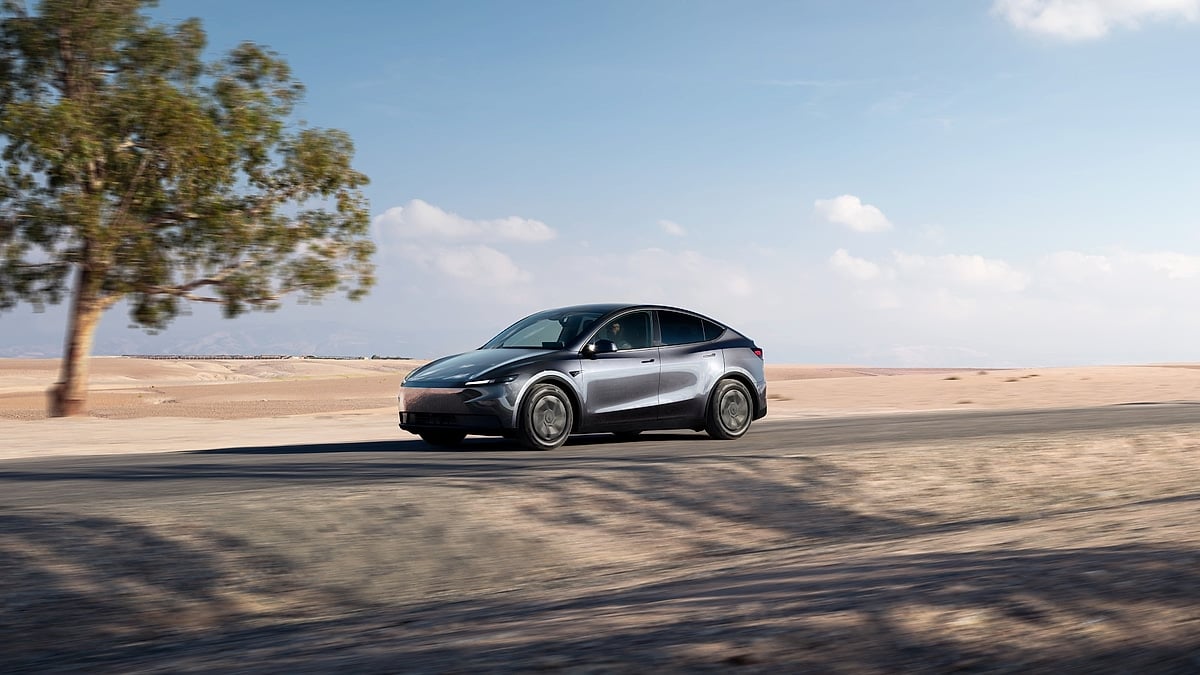
The push for aftermarket parts is where many of these disputes originate. Tesla, like many premium manufacturers, designs its vehicles with specific materials, tolerances, and repair procedures that often require OEM parts to maintain structural integrity, safety features, and warranty coverage. Insurance companies, however, frequently default to the lowest cost, which often means aftermarket or remanufactured parts. Beyond aesthetics, damage can impact crumple zones, sensor calibration, and even paint adhesion, especially on a vehicle with advanced materials and integrated technology like a Model Y.
User u/rubyred2050 offered a more cautious, if expensive, path: "Don’t talk to the opposite insurance company, as whatever you say will be used against you, as remember the opposite parties' insurance company works for them and not you. They want to make sure you get settled for as little as possible. Hence asking you to consult an attorney. Attorneys are more than happy to fight for your case on a contingency basis." This is sound advice in principle. An attorney can navigate the complexities of insurance claims and state laws, ensuring the Tesla owner's rights are protected. However, the cost of an attorney, even on contingency, can sometimes outweigh the potential gains for a $1500 repair, unless the case sets a precedent for a larger claim.
The problem is compounded by underinsured drivers. Many states have alarmingly low minimum property damage liability limits. While u/misory-waves, who believes "there’s no aftermarket markers on the 26 yet," points out that "even in states like California I’m pretty sure the minimum PD is $5k, which is well above your $1500 estimate," the issue isn't just the overall limit. It's the allocation of that limit to specific repair types and labor rates. An insurer might have a $5,000 limit but only approve $75/hour for labor when a Tesla-certified shop charges $150/hour, creating a gap even within the available coverage.
This is where the advice from u/Suspicious_Candy6418 becomes relevant, especially if the gap is substantial: "My best advice is Sue them. It will be a small claims court, no need for a lawyer, and the person will have to pay out of pocket. It sounds rude, but it’s not." Small claims court offers a venue for individuals to recover damages without the expense of a full legal battle. It forces the at-fault party to directly address the financial shortfall, particularly if their insurance is unwilling to cover the full, appropriate repair cost. This route can be effective, but requires the Tesla owner to be prepared for the time commitment and potential for further confrontation.

The situation facing this Tesla Model Y owner shows a systemic flaw in how some insurance carriers interact with modern vehicle repair. The expectation that specialized vehicles can be repaired with generic parts and labor rates is unrealistic and ultimately shifts the financial burden onto the innocent party. Filing a police report for the hit-and-run, even if the at-fault driver has been identified, provides a formal record that strengthens any claim, whether pursued through insurance or small claims court. The Tesla owner should prioritize getting the vehicle repaired correctly at a Tesla-certified facility, even if it means initially paying the difference, and then aggressively pursue reimbursement for the full cost from the at-fault party and their insurer, potentially via small claims court.
About The Author
Noah Washington is an automotive journalist based in Atlanta, Georgia, covering sports cars, luxury vehicles, and performance culture. His reporting focuses on explaining the engineering, design philosophy, and real-world ownership experience behind modern vehicles.
Noah has been immersed in the automotive world since his early teens, attending industry events and following the enthusiast communities that shape how cars are built and driven today. His work blends industry insight with enthusiastic storytelling, helping readers understand not just what a car is, but why it matters.
Noah is also a member of the Southeast Automotive Media Association (SAMA), a professional organization for automotive journalists and industry media in the Southeast.
His coverage regularly explores sports cars, luxury vehicles, and performance-driven segments of the automotive industry, including the evolving culture surrounding Formula Drift and enthusiast builds.
Read more of Noah's work on his author profile page.
You can also follow Noah here:
Set Torque News as Preferred Source on Google
Follow us today...