
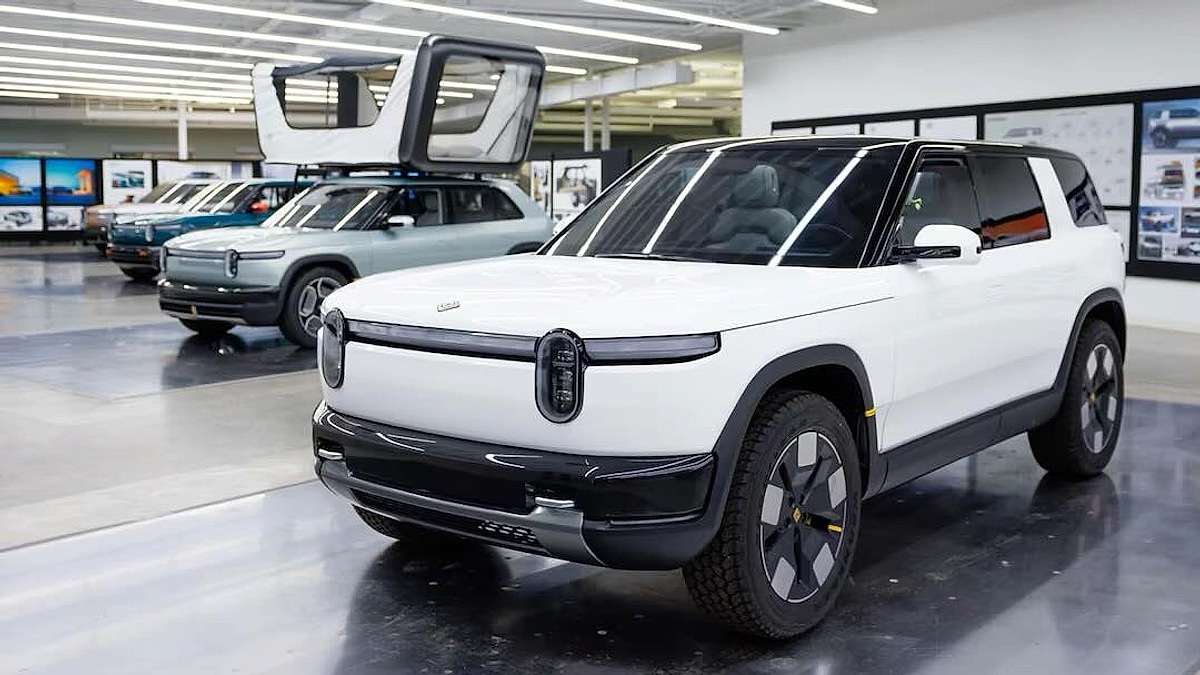

Rivian’s fight over the R2’s interior is over, and it was settled at the top. CEO RJ Scaringe has already made clear in recent interviews that the $45,000 SUV will stick with a screen-heavy layout.
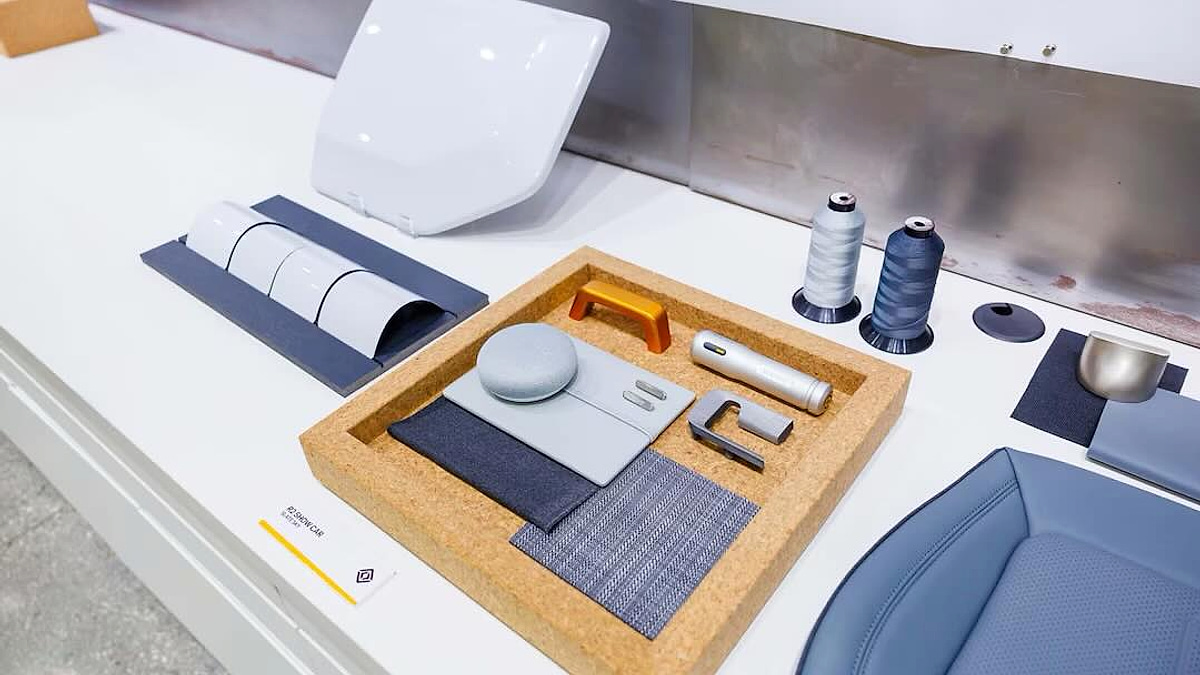
Rivian’s R2 interior did not arrive at its minimalist, screen-heavy form by accident or by design inertia. According to lead interior designer Andrew Morandi, the team explored concepts with physical buttons, tactile controls, and exposed cupholders before CEO RJ Scaringe and Chief Design Officer Jeff Hammoud chose the cleaner theme that became the production cabin. That matters because it turns the R2’s interior from a generic design trend story into something more revealing: a case study in executive preference becoming product reality.
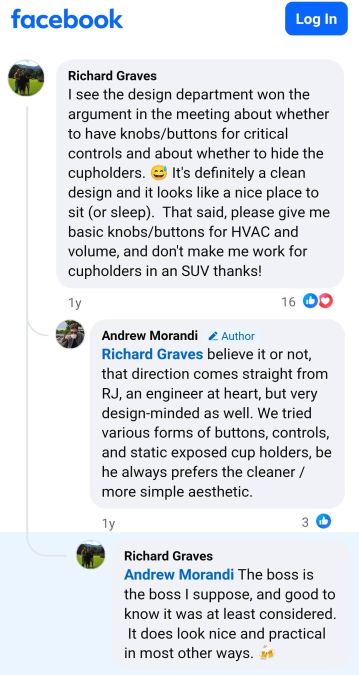
What makes that stance newly revealing is that Rivian's lead interior designer, Morandi, has now confirmed the direction came “straight from RJ,” adding that the team tried “various forms of buttons, controls, and static exposed cup holders,” but Scaringe “always prefers the cleaner / simpler aesthetic.” The R2’s digital-first interior was not some inevitable design evolution. It was a leadership decision.
Scaringe himself has been unusually direct about that stance when speaking publicly. Asked about the backlash to Rivian’s screen-heavy approach, he did not suggest the company was reconsidering or even particularly concerned. Instead, he made the trade-off explicit, saying that if customers do not like the all-digital interface, they can simply “buy something else,” as Scaringe said in a recent interview, first reported by Autoblog.
That blunt response is paired with a more detailed justification for why Rivian is willing to take that position. In explaining the company’s refusal to adopt Apple CarPlay, Scaringe has argued that the problem is not just interface preference, but system coherence. He has described third-party integrations as inherently disruptive, noting that it becomes “quite jarring” when drivers move between CarPlay and the vehicle’s native controls, as he explained in the same interview, especially when core functions are split across different environments.
In his view, a modern vehicle should operate as a single, unified software platform where navigation, media, vehicle systems, and future AI-driven features are all part of the same ecosystem. That philosophy leaves very little room for physical controls or external software layers, and it explains why Rivian is willing to absorb criticism rather than dilute the concept. The R2’s interior, in that context, is the physical expression of a software-first worldview that Scaringe appears unwilling to compromise, even if it means telling a portion of the market, quite plainly, to look elsewhere.
There will be no retreat to a button-heavy dashboard, no CarPlay concession, and no effort to split the difference for buyers who want more physical controls. CEO Scaringe has made that clear, defending the R2’s screen-centered layout and effectively telling holdouts to shop elsewhere.
Rivian’s leadership picked a digital-first cabin early, approved it, and stayed with it. The company knows there is resistance to screen-only controls. It knows buyers still argue for real knobs and switches. It also knows other manufacturers have started backing away from all-screen interiors. Rivian is not backing away from anything.
Rivian R2: Executive Design Direction
The interior of the R2 was shaped by a top-down leadership decision rather than market research or customer feedback. Lead interior designer Morandi confirmed that the final minimalist layout reflects the personal aesthetic preferences of CEO Scaringe.
- The design team presented several concepts that included physical buttons, tactile controls, and exposed cupholders. Scaringe and Chief Design Officer Jeff Hammoud rejected these options in favor of a cleaner, screen-heavy aesthetic.
- Rivian continues to exclude Apple CarPlay to maintain a native, fully integrated digital environment. Leadership believes the user experience is improved when navigation, media, and vehicle functions are handled by a single proprietary software stack.
- This decision arrives as other automakers are reintroducing physical knobs and switches due to consumer complaints about distracted driving and buried menus. Rivian is intentionally doubling down on its software-centric philosophy despite these industry shifts.
- The cabin prioritizes visual purity and a "simple" look over traditional ergonomic hardware. While the company is aware of the demand for physical HVAC and volume controls, it has chosen a digital-first approach to distinguish the brand's identity.
Scaringe’s position is straightforward. He says Rivian wants a “consistent, fully integrated digital experience” and does not want users bouncing between different systems. That is also his argument against Apple CarPlay. In his view, the car works better when navigation, media, vehicle functions, and future AI features all sit inside one native environment instead of being broken up by outside software. It is a clean theory. It is also one that puts Rivian firmly on one side of a debate many automakers are now trying to soften.
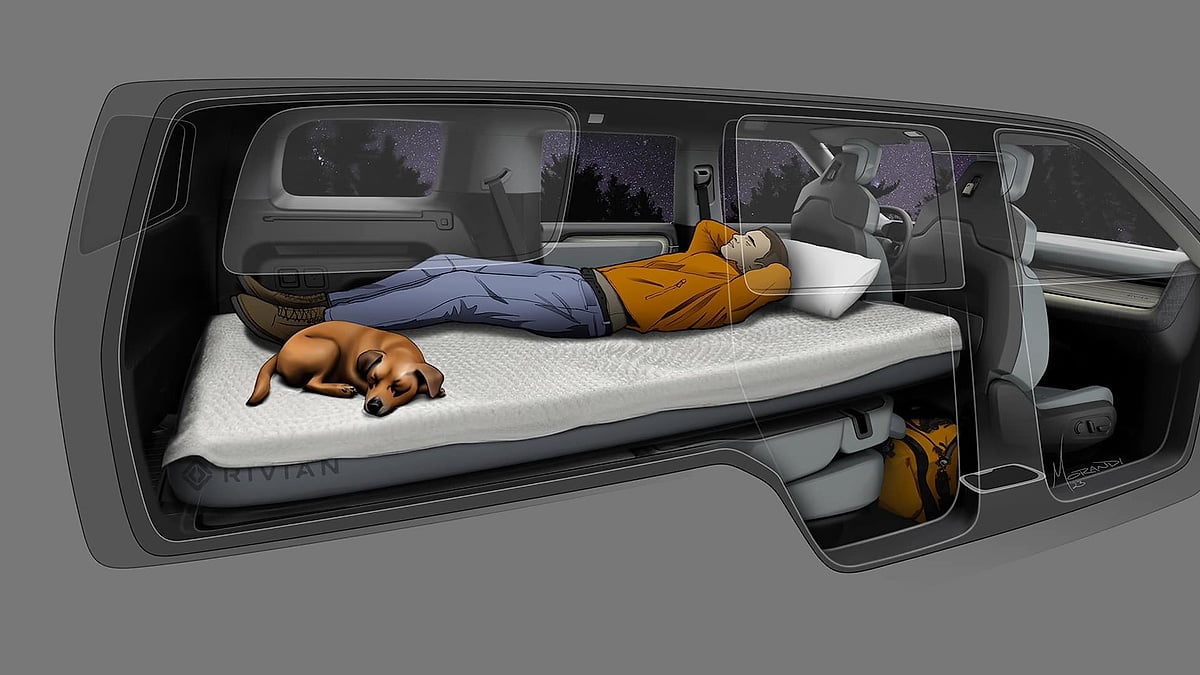
The interesting part is what Morandi’s sketches add to the picture. Most companies would rather leave the public with the impression that a cabin simply emerged, polished and inevitable, from the design studio. Morandi showed something more useful. He said the early sketches were chosen by RJ and Jeff as the lead theme and then turned into the production interior. That is a rare admission of how the machine actually works. Designers generate options. Executives choose the direction. After that, the program moves forward whether the community likes it or not.
That does not mean the R2 is doomed, or even that this will hurt sales in any serious way. Most people will not walk away from the vehicle because it lacks a dedicated HVAC knob or because the cupholders are tucked away. They may grumble. They may prefer tactile controls. They may agree with the commenter who said, “Please give me basic knobs/buttons for HVAC and volume, and don't make me work for cupholders in an SUV.” But if the R2 delivers on price, range, utility, and brand appeal, most buyers will accept the compromise and get on with it.
Still, there is a difference between what people will tolerate and what they actually want. That gap is where the tension sits. Rivian appears to believe that a cleaner interior is worth the trade, even if some daily usability takes a hit and even if other automakers are rediscovering the value of hard controls. The company may be right commercially. It may still be wrong in principle. A cabin can look elegant in a sketch and become irritating in real life.
The exchange with Morandi sharpens that point because it shows Rivian did not arrive here by accident. The team looked at buttons. The team looked at exposed cupholders. Those ideas were considered and rejected. Richard Graves’ response in the thread got it about right: “The boss is the boss, I suppose, and good to know it was at least considered.” That is a fair reading of what happened. This was not neglect. It was a selection.
There is also a familiar corporate truth sitting underneath all of this. Designers design. Engineers engineer. Product planners juggle cost, packaging, and manufacturing limits. Then, leadership decides which trade-offs become the vehicle the public sees. He also admitted where the authority sat. In the end, it was Scaringe’s preference for a simpler aesthetic that won.
What makes this approach more revealing is that Scaringe does not frame these decisions as oversights or temporary compromises. He presents them as calculated trade-offs. Every feature, every control, every dollar spent on the vehicle is weighed against a broader vision of what Rivian wants the product to be.
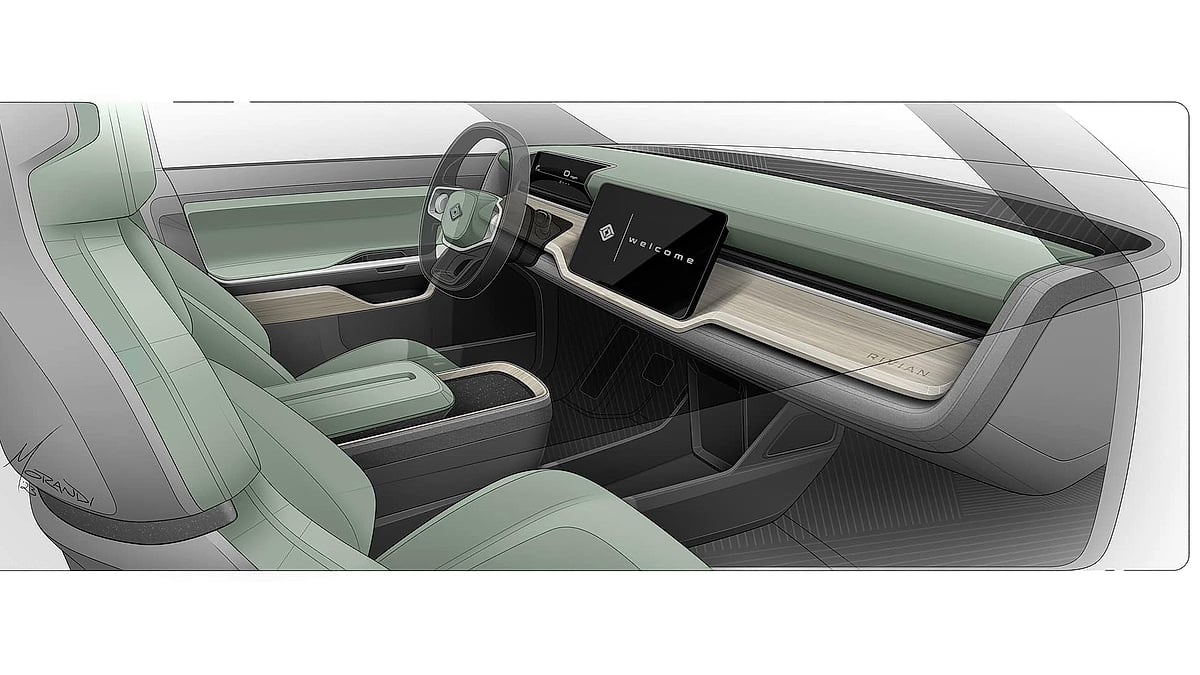
That means choosing integrated software over CarPlay, choosing visual simplicity over tactile redundancy, and accepting that some customers will prefer a different balance. In that sense, the R2’s interior is less a response to the market than it is a reflection of priorities set at the top, priorities that assume the future of the car will be defined less by physical interfaces and more by the coherence of its software environment.
What Morandi’s comments really offer is a rare look behind the curtain. Customers will experience the R2’s cabin as a finished object, but the more interesting story is how it got there: options were explored, trade-offs were weighed, and the cleanest solution won because leadership wanted it to win. Whether buyers see that as clarity or stubbornness will depend on how much inconvenience they are willing to accept in exchange for a prettier dashboard.
Image Sources: Rivian Media Center
About The Author
Noah Washington is an automotive journalist based in Atlanta, Georgia, covering sports cars, luxury vehicles, and performance culture. His reporting focuses on explaining the engineering, design philosophy, and real-world ownership experience behind modern vehicles.
Noah has been immersed in the automotive world since his early teens, attending industry events and following the enthusiast communities that shape how cars are built and driven today. His work blends industry insight with enthusiastic storytelling, helping readers understand not just what a car is, but why it matters.
Noah is also a member of the Southeast Automotive Media Association (SAMA), a professional organization for automotive journalists and industry media in the Southeast.
His coverage regularly explores sports cars, luxury vehicles, and performance-driven segments of the automotive industry, including the evolving culture surrounding Formula Drift and enthusiast builds.
Read more of Noah's work on his author profile page.
You can also follow Noah here:
Set Torque News as Preferred Source on Google
Follow us today...






