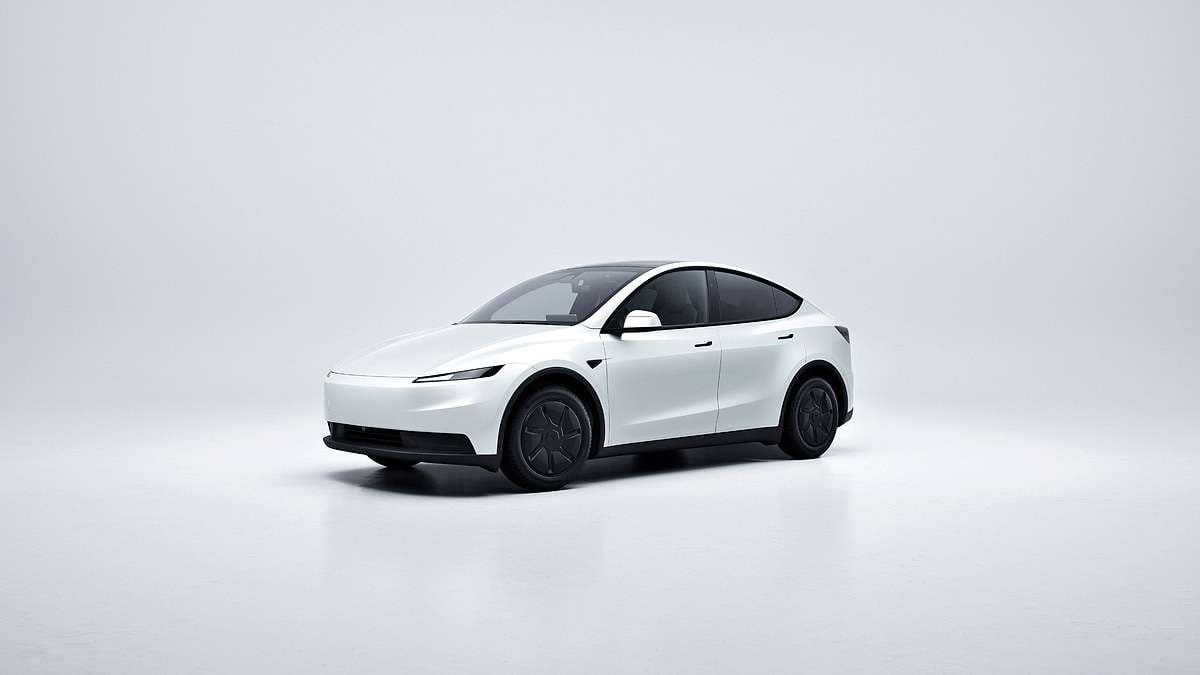

New York's Drive Clean Rebate records show 92,383 Tesla Model 3 and Model Y rebate entries through March 31, 2026, and that changes how used Tesla prices should be read. I checked NYSERDA's Open NY rebate dataset, NYSERDA's own dashboard caveat, and New York EV registration data context from Atlas EV Hub. Rebates do not explain every used Tesla price. They do show that many used EVs started life with a lower first-owner cost basis than the second buyer may realize.

Used EV shoppers often compare today's asking price with the original sticker price. That can be misleading. If the first owner received a state rebate at the point of sale, the car's real starting price was already lower before depreciation began.
What Torque News Checked
I checked NYSERDA's Electric Vehicle Drive Clean Rebate dataset on Open NY, which includes rebate records beginning in 2017. The dataset was marked with data through March 31, 2026.
Using the public dataset, Torque News calculated 230,633 total Drive Clean rebate records and $201,962,100 in total rebate dollars. Tesla had the largest make-level count in the dataset, with 102,021 rebate records and $82,665,500 in total rebate dollars.
The Tesla model split is where the used-market story gets clearer. The Model Y accounted for 61,431 rebate records and $39,952,500 in rebate dollars, with an average rebate of about $650. The Model 3 accounted for 30,952 rebate records and $37,893,500 in rebate dollars, with an average rebate of about $1,224.
Together, those two models account for 92,383 rebate records and $77,846,000 in public rebate dollars in New York's Drive Clean dataset.
NYSERDA's own caveat matters. Its Primary Statistics page says the dashboard reflects rebates claimed on electric car purchases in New York State, but not electric cars sold in the state without the Drive Clean Rebate. That means the data should not be read as every EV sale in New York. It is a rebate dataset, not a full sales ledger.
The limitations of the data
That limitation actually makes the data more useful for this specific question. It tells buyers which cars had documented public money taken off at the front end.
For a used Tesla buyer, the practical question changes from "how much did this car depreciate from MSRP?" to "how much did the first owner actually have in the car after incentives?"

Take a simple example. If a Model 3 had a $2,000 state rebate when new, a later used price that looks $2,000 lower than expected may not represent weak demand by itself. Part of that gap may have been created on day one. The public discount lowered the first owner's basis before mileage, age, price cuts, tax credits, financing terms, and market demand ever entered the picture.
The same logic applies even more clearly to cheaper EVs. In the NYSERDA dataset, Chevrolet Bolt records totaled 6,023, with $12,046,000 in rebate dollars. The average rebate was exactly $2,000. A $2,000 rebate on a lower-priced Bolt matters more proportionally than a $500 or $650 rebate on a more expensive Model Y.
What the Nissan Leaf shows us
Nissan LEAF records show the same pattern from an older-EV angle. NYSERDA's dataset includes 1,703 LEAF rebate records and $3,151,400 in rebate dollars, with an average rebate of about $1,850. When an older LEAF appears cheap in the used market, part of the story may be battery age, range, demand, or charging standards. But part of the original cost story may also have started with a state discount.
This is where used EV pricing gets messy. Public rebates do not set today's used prices. Dealers, auctions, battery health, mileage, model-year changes, federal tax-credit eligibility, manufacturer price cuts, lease returns, interest rates, and local demand all matter. A rebate record cannot tell a shopper whether one specific used Tesla is a bargain.
But it can stop a shopper from reading depreciation too simply
If a car entered service with a rebate, the first owner did not carry the full sticker-price burden. That can make later resale look harsher when viewed from MSRP, and less dramatic when viewed from the actual net purchase price. Used buyers rarely see that original transaction math on the listing page.
The lease-versus-purchase split adds another layer. NYSERDA records include both purchases and leases. Across the full dataset, Torque News calculated 124,744 purchase records and 105,885 lease records. Lease vehicles can enter the used market through different channels than privately owned cars, and their original incentive treatment may be handled differently by the leasing company or deal structure.
That is why this data should be used as context, not a pricing formula
Atlas EV Hub's state registration data adds the second guardrail. Atlas says state EV registration data is meant to make vehicle registrations publicly accessible, but also explains that the data is shaped by privacy limits, aggregation, snapshot dates, and state-by-state differences. Registration data can show what is on the road. Rebate data can show which new vehicles received public money. Neither one alone gives the full used-price story.
For shoppers, the useful takeaway is practical. When looking at a used Tesla Model 3, Model Y, Bolt, LEAF, or any other rebated EV, do not compare the listing only with the original MSRP. Ask what incentives were available when that car was new. Check whether the model commonly received a state rebate. Look at whether the car was likely a lease return. Then compare the used price with the likely net first-owner cost, not just the sticker price people remember.
The used EV market is reacting to more than battery fear or weak demand. In many cases, it is also absorbing years of public incentives, lease structures, manufacturer price moves, and rebate-adjusted first-owner costs. New York's records make one part of that hidden EV math visible.
The next time a used Tesla looks surprisingly cheap, the better question is less "why did it fall so far?" and more "how far did the first owner really have to fall?"
When you shop for a used EV, do you compare the price with the original MSRP or with the likely net price after rebates and tax credits? Tell us which matters more to you as a buyer.
Let us know in the comments below.
About The Author
Noah Washington is an automotive journalist based in Atlanta, Georgia, covering sports cars, luxury vehicles, and performance culture. His reporting focuses on explaining the engineering, design philosophy, and real-world ownership experience behind modern vehicles.
Noah has been immersed in the automotive world since his early teens, attending industry events and following the enthusiast communities that shape how cars are built and driven today. His work blends industry insight with enthusiastic storytelling, helping readers understand not just what a car is, but why it matters.
Noah is also a member of the Southeast Automotive Media Association (SAMA), a professional organization for automotive journalists and industry media in the Southeast.
His coverage regularly explores sports cars, luxury vehicles, and performance-driven segments of the automotive industry, including the evolving culture surrounding Formula Drift and enthusiast builds.
Read more of Noah's work on his author profile page.
You can also follow Noah here:
Set Torque News as Preferred Source on Google
Follow us today...