
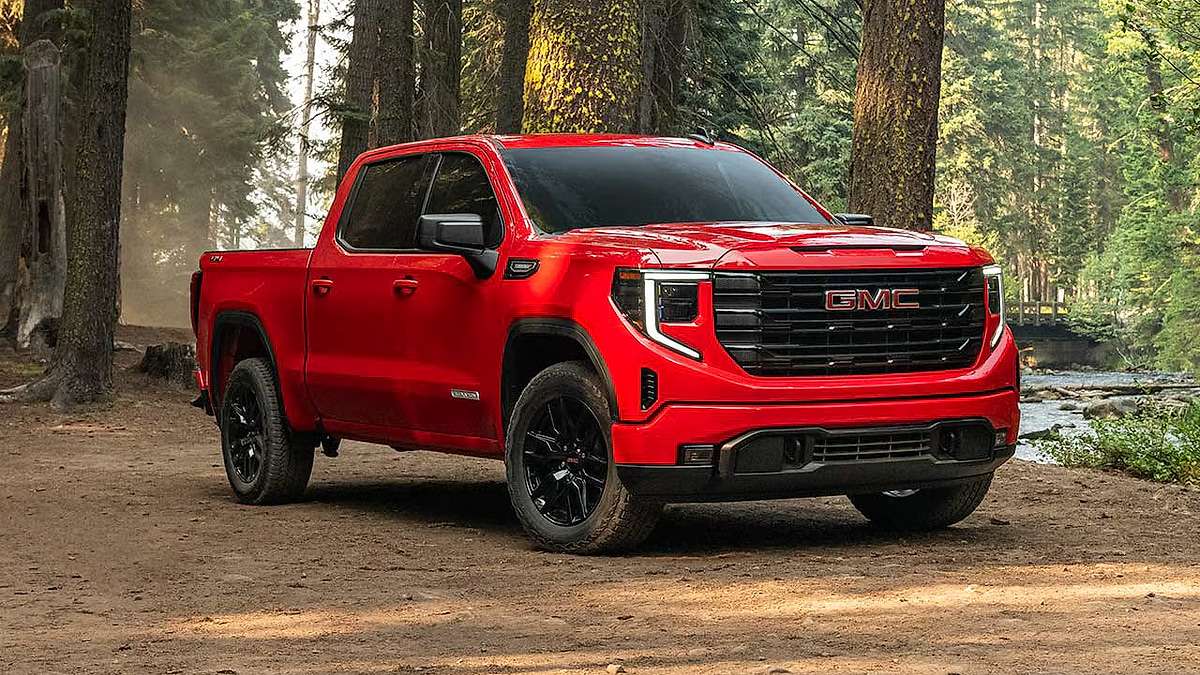

General Motors told Torque News it has not changed its 6.2-liter V8 recall remedy since NHTSA opened a follow-up query into whether the original fix is fully addressing the problem. In a direct response from Bill Grotz, GM’s Global Public Policy and Regulatory Communications Lead, the company said it still backs the current inspection-based remedy, still wants affected owners to schedule dealer visits, and still points to a 10-year or 150,000-mile special coverage program for reassurance.
That first point is the most useful one for owners trying to figure out whether they should wait. GM was asked whether anything had changed since the federal query opened. The company did not describe a new repair step, a revised inspection method, or a new technical update. Instead, it repeated the same remedy it has already made public. Dealers inspect the engine first. If the vehicle fails inspection, the engine is replaced. If it passes, GM says the vehicle receives higher-viscosity oil, a new oil fill cap identifying the new oil grade, an oil filter replacement, and an owner’s manual insert, all free of charge.
GM also kept its language on the federal side very tight.
“The safety and satisfaction of our customers are the highest priorities for the entire GM team, and we continue to cooperate with NHTSA’s evaluation of this matter,” the company said.
That sentence does two things at once. It avoids any suggestion that GM is changing direction, and it makes clear the company is treating the recall query as ongoing rather than settled. The issue is still live. GM’s position is still the same.
That loss of confidence is already shaping buying decisions, even if they love the truck. In a separate Torque News story, one owner said he traded his Ram TRX for a 2026 GMC Sierra Denali Ultimate 3.0 Duramax because he wanted better mileage and fewer worries, only to find the new truck smoking with oil at just 120 miles. The story is that it showed how some premium-truck buyers are already trying to steer around the 6.2-liter V8 conversation entirely, even if that does not guarantee a trouble-free start.
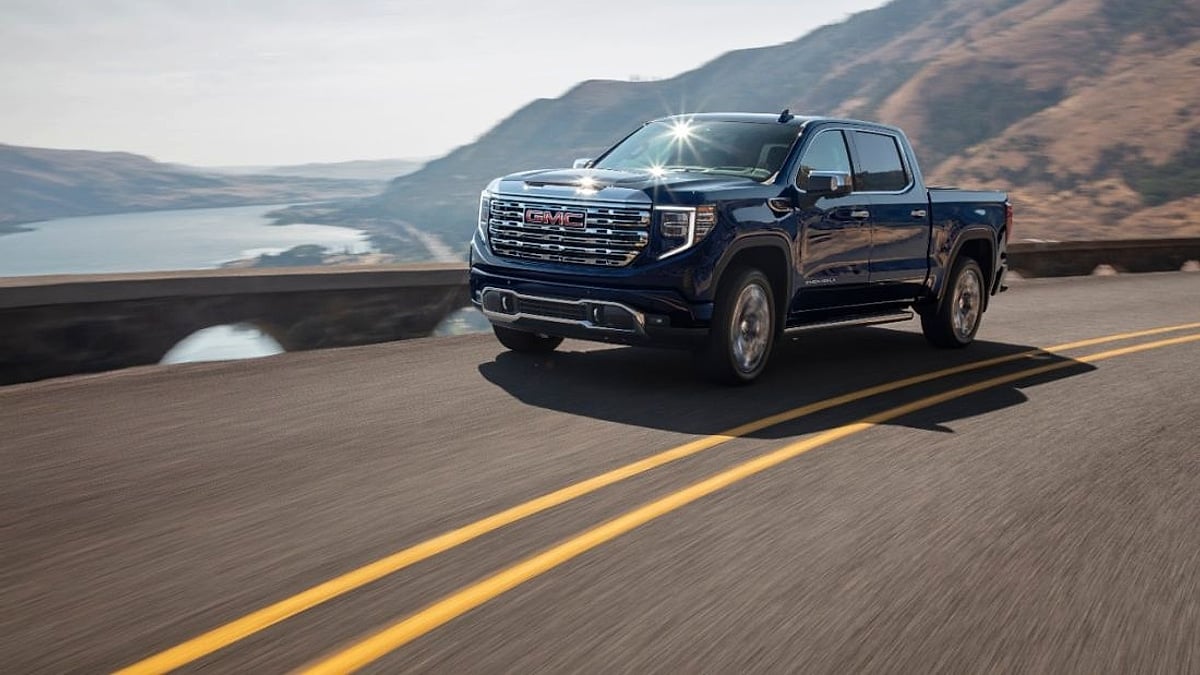
That matters because the question around this recall has shifted. Earlier on, the concern was straightforward: what is the fix? Now the concern is more complicated: should owners trust the fix that is already on the table? GM’s answer to that was more revealing than the technical summary. Asked how it would respond to owners who question not just the engine issue itself, but whether the remedy fully solved it, the company did not promise a revised procedure.
It said, “While we’re confident in our remedy, GM has implemented a special coverage program to provide additional warranty coverage for this condition in the vehicles that pass inspection and receive the higher viscosity oil and for those that do not pass inspection and require replacement engines.”
That wording is worth slowing down for. GM did not describe the extra coverage as something limited to one outcome. It tied that protection to both groups: the vehicles that leave with thicker oil and the vehicles that leave with replacement engines. The company then said the special coverage remains in effect for 10 years from the original in-service date or until the vehicle reaches 150,000 miles, whichever comes first.
For owners, that is probably the part of the email that will land hardest. Many people already know the mechanical outline of the recall. The part they do not know is how hard GM is willing to stand behind it now that the conversation has moved from repair procedure to owner confidence. This response gives a direct answer. GM is not changing the remedy. It is standing behind it and pairing that stance with a long coverage window.
There is also a practical message inside the email that should not get buried. GM said it encourages “registered vehicle owners who have been notified” to make appointments with dealers for the recall remedy. It also directed owners to gm.com/service, where they can enter their VIN to check for this and other recalls. That may sound routine, but in context, it tells owners something specific. GM is not advising them to wait for the federal query to play out before taking action. The company wants the current repair performed now.
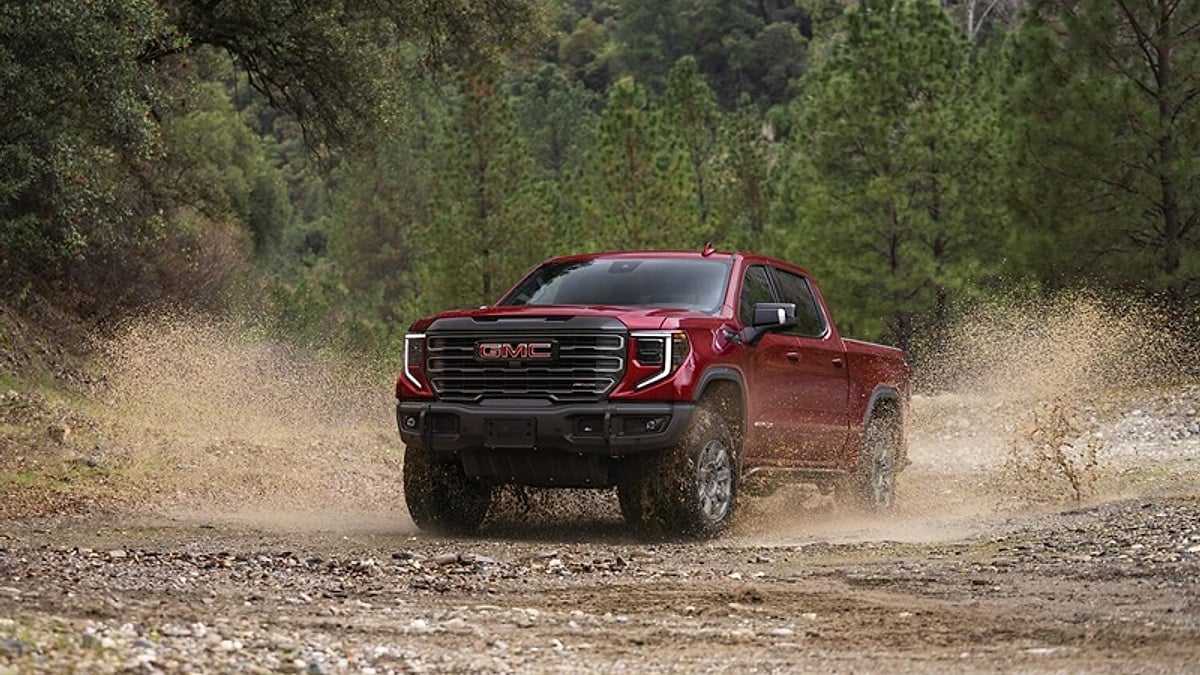
GM had an opportunity to indicate it might revisit its current approach, but it didn’t. In a statement to Torque News, the company said the existing remedy remains in place, current guidance to owners is unchanged, and its confidence is reflected in a 10-year/150,000-mile coverage commitment.
That does not mean the issue disappears. It means the lines are clearer. NHTSA is still evaluating whether the earlier recall action fully addresses the problem. GM is still publicly standing by the same inspection-based approach. Owners now have a clearer sense of where the company stands while that evaluation continues.
Image Sources: GMC Media Center
About The Author
Noah Washington is an automotive journalist based in Atlanta, Georgia, covering sports cars, luxury vehicles, and performance culture. His reporting focuses on explaining the engineering, design philosophy, and real-world ownership experience behind modern vehicles.
Noah has been immersed in the automotive world since his early teens, attending industry events and following the enthusiast communities that shape how cars are built and driven today. His work blends industry insight with enthusiastic storytelling, helping readers understand not just what a car is, but why it matters.
Noah is also a member of the Southeast Automotive Media Association (SAMA), a professional organization for automotive journalists and industry media in the Southeast.
His coverage regularly explores sports cars, luxury vehicles, and performance-driven segments of the automotive industry, including the evolving culture surrounding Formula Drift and enthusiast builds.
Read more of Noah's work on his author profile page.
You can also follow Noah here:
Set Torque News as Preferred Source on Google
Follow us today...





Comments
What they dont say is going…
Permalink
What they dont say is going to the new oil takes you to a 200+ oil change. What a joke.
All they are doing is…
Permalink
In reply to What they dont say is going… by Tom (not verified)
All they are doing is changing the oil
The remedy becomes oil,…
Permalink
In reply to All they are doing is… by DB (not verified)
The remedy becomes oil, filter, cap, and documentation. That may be GM’s official position, but it is easy to see why owners expected something more substantial on an engine-failure recall.
Tom, that is a fair owner…
Permalink
In reply to What they dont say is going… by Tom (not verified)
Tom, that is a fair owner-side concern. The recall visit may be free, but if the new oil spec makes every future oil change more expensive, that cost does not disappear. Owners are going to count that as part of the fix, whether GM does or not.
Let's see if the fix works…
Permalink
In reply to What they dont say is going… by Tom (not verified)
Let's see if the fix works before insulting it.
For some, it may be enough.
Permalink
In reply to What they dont say is going… by Tom (not verified)
For some, it may be enough.
You should ask limousine…
Permalink
You should ask limousine drivers in NYC. I know more than 50 that had to have the engine replaced even after the supposed fix. Even some that all ready had had the replacement engine replace again.
Limo drivers, contractors,…
Permalink
In reply to You should ask limousine… by Eddie A (not verified)
Limo drivers, contractors, and towing owners put enough miles on these trucks to expose whether the fix is holding. If engines are failing after the remedy or after replacement, those cases need to be documented by mileage, VIN, repair date, and engine replacement history.
Our vehicle (21 yukon) is…
Permalink
Our vehicle (21 yukon) is currently in the shop with its second engine replacement (just hit 100k).
Dealer service said they had changed a few things and supposedly remedied the issue on the reman'd engine they would be putting in.
First one went out about 43k and second was at 102k.
A second engine at 100k…
Permalink
In reply to Our vehicle (21 yukon) is… by Brett (not verified)
A second engine at 100k after the first failed at 43k is exactly why owners are asking whether the replacement itself is actually different. I would want the dealer to put in writing what changed on the reman engine, what part number is being installed, and how GM is applying the 10-year/150k coverage to your case.
Who do I call when the…
Permalink
Who do I call when the engine quits miles from home while hauling my camper in the middle of a busy highway or intersection chevy don't care.the engines are still failing even after the recall with less than 50,000 miles.Because of a lack faith in my 6.2 I may have to cut my losses and buy a Ford so fell safe driving more than 50 miles from home
A warranty helps after the…
Permalink
In reply to Who do I call when the… by John horner (not verified)
A warranty helps after the failure, but it does not help much if the engine quits while towing a camper in traffic. That is why this has become a confidence issue, not just a repair-policy issue.
I'm very disappointed in my…
Permalink
I'm very disappointed in my GM. I switched from Ford because I had problems with the EcoBoost on my last vehicle and I wanted a V8, so now I buy a 2022 GMC Sierra 1500 Denali with the 6.2 L engine and it passed the Pico test, had the oil change, and 6000 Mi later after a second oil change the engine seized up with 22,900 MI. 3 weeks now and I'm still waiting for an engine and questioning how long the replacement will last. The last thing I want is for this one to fail while I'm traveling towing a trailer which is what I bought this truck for. I'm just hoping they have improved the new engine so this will not happen again although I've heard reports of people having two and three engine failures.
Passing the test, getting…
Permalink
In reply to I'm very disappointed in my… by John Lappe (not verified)
Passing the test, getting the oil change, and then losing the engine 6,000 miles later makes owners question what the inspection actually proves.