
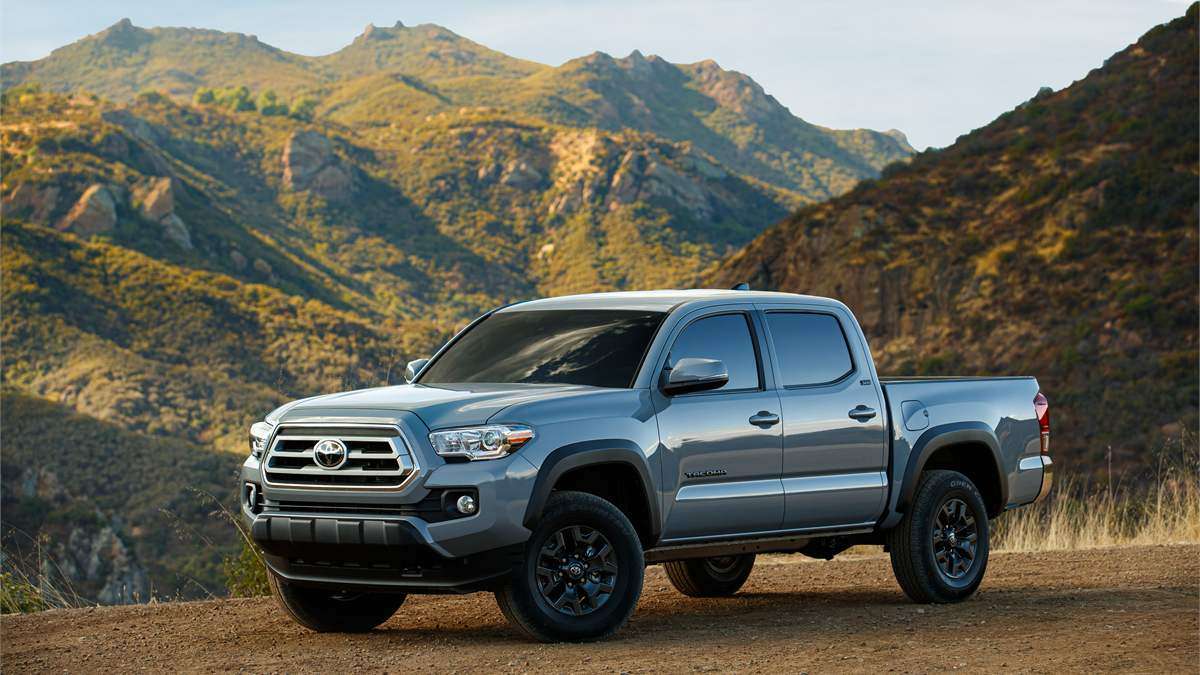

Buyer’s remorse rarely arrives all at once. It creeps in during loading sessions, long highway stretches, snowy mornings, and moments when the vehicle you wanted reveals the difference between what it is good at and what you actually need.
That tension is at the center of one 2025 Toyota Tacoma SR5 owner’s post, where excitement over a new truck collides with the quiet realization that a 4Runner might have been the better fit all along.
On paper, the Tacoma makes a strong case. It looks right, drives well, and delivers exactly what Toyota promises. The owner praises the stock 4×4 system and suspension, notes that it is genuinely enjoyable to drive, and clearly appreciates the truck’s durability and overall “Toyota-ness.” But real life does not unfold on spec sheets.
Once the gear piles up and more than one passenger comes along, the Tacoma’s short bed begins to feel less like freedom and more like a compromise.
“Need some help: 2025 Tacoma SR5 short bed, 33” BFG A/Ts, no canopy yet: I can’t shake the buyer’s remorse that I should have just bought a 4Runner. Packing gear & traveling with more than 1 passenger is honestly a lot less efficient, comfortable & effective than I ever imagined as a first-time truck owner + first-time Toyota owner after being a lifelong Land Rover owner (Discovery 1/2/LR3). It’s squirrelly on snow-packed roads compared to my LRs, not even close, actually. Very impressed with the stock 4x4 & suspension though, and I enjoy driving it, it looks amazing, and I’m relatively happy with most of the features and Toyota-ness of it… Gas mileage and a small tank aren’t great, but it’s fine. Has anyone gone through this and has any advice? I do a ton of fly fishing & skiing & camping with all the gear, as well as regular basic hauling furniture around & household chores & projects. Maybe a good canopy would solve it? But then I still can’t even sleep in the back anyway, very easily at 6’+
Did I just simply buy the wrong vehicle for my actual needs and uses? Hoping to get some consolation or at least commiseration lol. Thanks, guys.”

Coming from a long history of Land Rovers, particularly Discovery models built around interior cargo volume and balanced all-wheel-drive behavior, the Tacoma’s limitations show up quickly. Packing fly-fishing gear, skis, camping equipment, and people into a mid-size pickup proves far less efficient than expected. The bed solves some problems, but creates others. Without a canopy, everything is exposed. With a canopy, the bed gains security, but not comfort, and sleeping in the back at over six feet tall is still an awkward proposition at best.
Toyota Tacoma: Design Choices and Their Impact
- Seating position is upright and close to the dashboard, which improves trail visibility but limits legroom adjustment for taller drivers on long drives.
- The truck’s narrow body reduces door swing and step-in effort, making frequent entry and exit easier in confined parking areas.
- Interior materials favor durability over softness, showing wear slowly but offering less insulation from vibration and road texture.
- Payload management feels conservative, encouraging steady, controlled use rather than frequent max-capacity hauling.
Winter driving adds another layer. On snow-packed roads, the Tacoma feels nervous compared to the owner’s previous SUVs. That sensation is familiar to anyone who has transitioned from a vehicle with a weight over the rear axle and a long wheelbase cabin to an empty-bed pickup. Even with good tires, a truck without rear ballast behaves differently, and no amount of four-wheel drive can fully mask the physics involved. The truck is capable, but confidence takes longer to build.
Several responses point out what the Tacoma does well, especially when used as a truck rather than an SUV substitute. A bed keeps wet, dirty, and smelly gear out of the cabin. Furniture, lumber, and awkward household loads become simple problems instead of spatial puzzles. Add a canopy or a locking tonneau like a DiamondBack, and the bed becomes more usable, more secure, and more balanced over the rear axle. That added weight alone can noticeably improve winter stability.
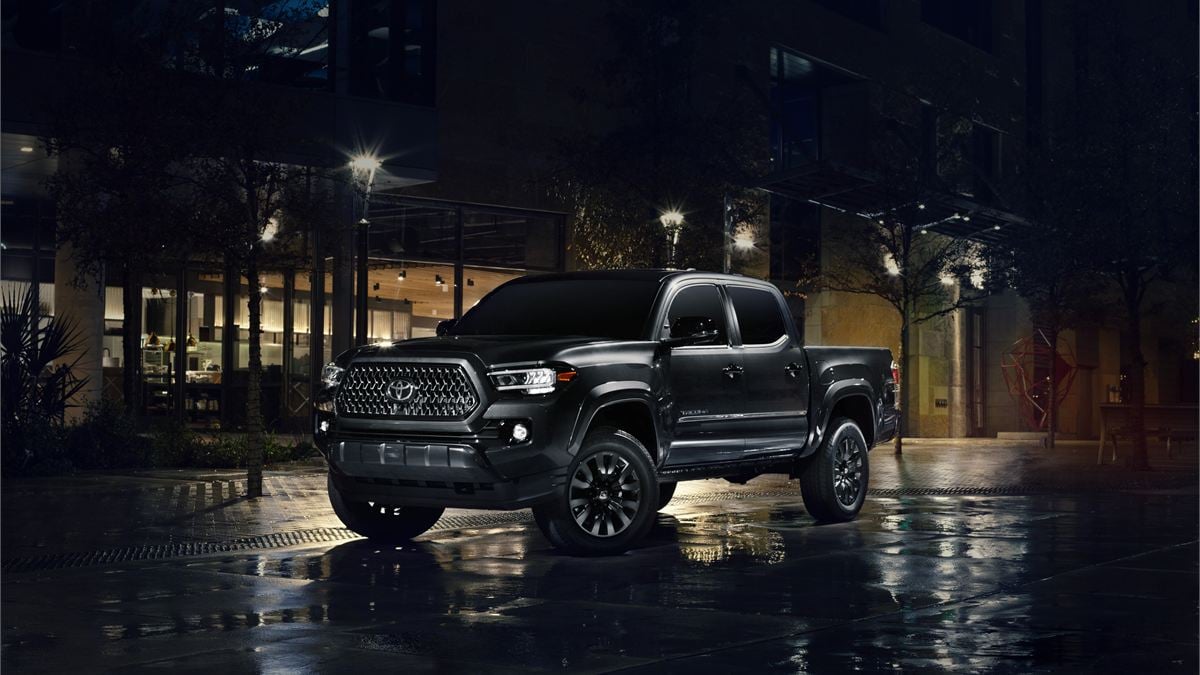
Still, there is no denying the trade-off. SUVs like the 4Runner excel at mixed-use lifestyles. Passengers ride more comfortably. Gear stays inside, dry and accessible. Sleeping inside is straightforward. For long trips involving people, pets, and equipment, an SUV simply flows better. Trucks ask you to adapt your habits, rethink packing strategies, and sometimes accept that convenience takes a back seat to capability.
The most telling replies are not dismissive, but reflective. Owners who have lived with both formats acknowledge the loss before embracing the difference. Trucks are not better or worse; they are specific. When your activities skew toward hauling and dirty work, they shine. When your life leans toward travel, camping, and living out of the vehicle for days at a time, SUVs retain an edge that is hard to ignore.

So, did this owner buy the wrong vehicle? Possibly, but not definitively. A canopy, better winter weighting, and time behind the wheel may soften the regret. Or the feeling may sharpen into clarity, pointing toward a 4Runner or similar SUV as the next move instead of the Tacoma. Either outcome is valid. What matters is recognizing that vehicles are tools, not trophies, and the right one is the one that disappears into your life instead of asking you to work around it.
Buyer’s remorse is not failure. It is feedback. And in this case, it is the sound of someone learning, honestly and in real time, what kind of vehicle best fits the way they actually live.
Image Sources: Toyota Media Center
Noah Washington is an automotive journalist based in Atlanta, Georgia. He enjoys covering the latest news in the automotive industry and conducting reviews on the latest cars. He has been in the automotive industry since 15 years old and has been featured in prominent automotive news sites. You can reach him on X and LinkedIn for tips and to follow his automotive coverage.
Set Torque News as Preferred Source on Google
Follow us today...



Comments
My question is why did you…
Permalink
My question is why did you buy a tacoma and not a 4 runner? I have a 2024 tacoma and love it.
People should go to jail for…
Permalink
People should go to jail for writing this kind of stuff.
The usual crappy clickbait…
Permalink
The usual crappy clickbait article the guy just wanted a bigger truck not that he wanted a Land Rover over Toyota
Trucks were originally…
Permalink
Trucks were originally designed and engineered for tradesman, miners, equipment delivery and farmers. Advertising has convinced naive consumers that some of the macho element that comes with those trades will rub off on them. They have specific uses, that is all there is to it.
Land rover is a piece of…
Permalink
Land rover is a piece of crap. 25 years it has been rated as worst long term vehile ever made
None of those pictures is…
Permalink
None of those pictures is even a gen 4 tacoma you retarded b itch. F uck yourself.
When a land rover owner…
Permalink
When a land rover owner tells you toyota isnt good THATS when you know it's serious. Toyota of now is not the toyota of the past. How far they have fallen.