
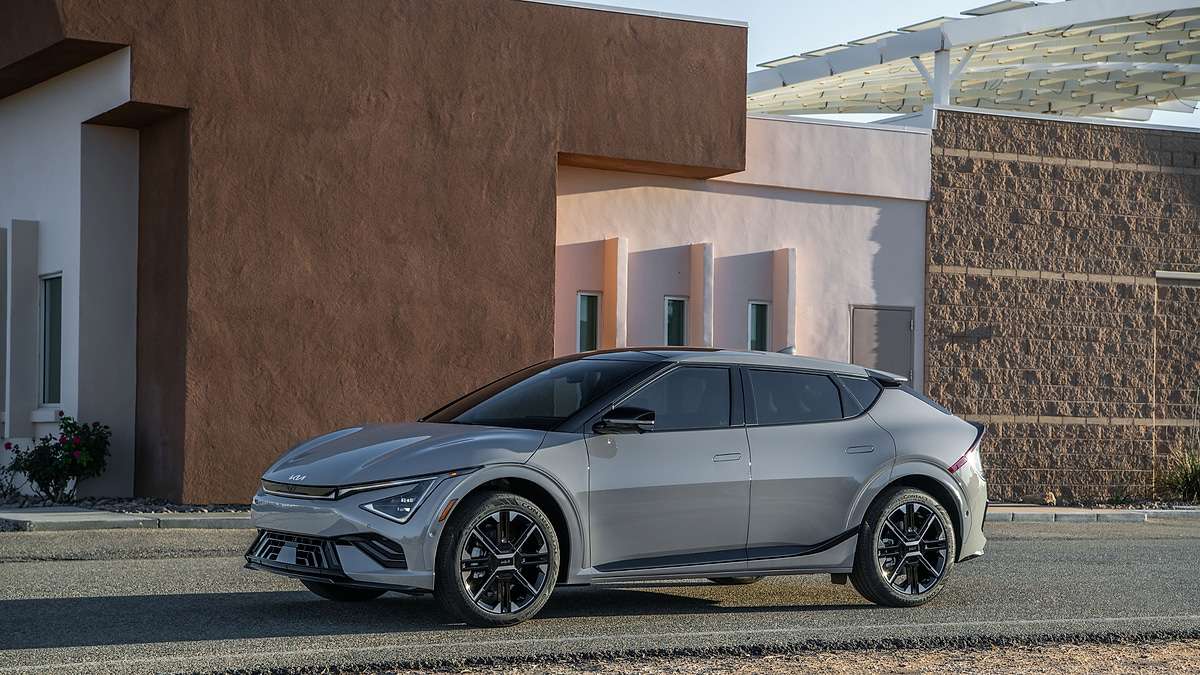

A 5,000-mile comparison between a Kia EV6 and a Lexus RX450h hybrid reveals a stark difference in operating costs, with the electric vehicle owner spending $688 less than the hybrid owner over the same distance. This isn't theoretical; it's a direct, side-by-side accounting of fuel and basic maintenance expenses for two vehicles driven in the same rural area. The data reveals a fundamental shift in the economics of vehicle ownership that consumers are still only beginning to grasp.
I have a Kia EV6...My brother has a Lexus RX450,h and for fun, I did a comparison on costs.
For 5000 miles
My "fuel" costs. (4.2 miles/kWh, and it's $.23 kWh). $277.10
Their fuel costs (Today 4/16/26, $3.89/gallon in my area, and getting 23 mpg) $845.65
Now, let's add in maintenance.
I do my own tire rotation, so free.
His filters and oil change are 150-ish. (he also does the tire rotation at home...just does not want to deal with the oil)
My 5000 miles cost: $277.10 His 5000 miles cost: $965.65
I know, preaching to the choir...but it's still an interesting exercise.
The Reddit user, known as u/the_wookie_of_maine, tracked the expenses, finding their Kia EV6 incurred only $277.10 in electricity costs for 5,000 miles, based on a 4.2 miles/kWh efficiency and a $0.23/kWh rate. In contrast, their brother's Lexus RX450h, achieving 23 MPG with gasoline at $3.89/gallon, racked up $845.65 in fuel over the same distance. This nearly three-fold difference in energy expenditure is the core argument for EV adoption, and it's a number that resonates far more than any abstract environmental benefit.
Kia EV6: Cost-Effective Electric Crossover
- The Kia EV6 is built on Hyundai Motor Group's dedicated E-GMP platform, designed specifically for electric vehicles, allowing for optimized battery packaging and performance. It offers a range of up to 310 miles on a single charge in its long-range RWD configuration, making it competitive for daily driving and longer trips.
- The EV6 utilizes 800V fast-charging capability, allowing it to charge from 10% to 80% in approximately 18 minutes at a 350 kW DC fast charger. This rapid charging minimizes downtime compared to many other EVs on the market, addressing a key concern for potential EV buyers.
- Its interior features a dual 12.3-inch curved display screen for instrumentation and infotainment, providing a modern and user-friendly interface. The vehicle also offers Vehicle-to-Load (V2L) functionality, allowing owners to power external appliances directly from the car's battery.
- The EV6's efficiency, as reported by the owner at 4.2 miles/kWh, translates to roughly 23.8 kWh per 100 miles, which is a strong performance figure for a crossover of its size. This efficiency, combined with lower electricity costs compared to gasoline, directly contributes to significant operational savings.
Where the gap widens further is in maintenance. The EV6 owner reported no direct maintenance costs for 5,000 miles, performing their own tire rotations. The Lexus, however, required an estimated $150 for filters and an oil change.

This isn't an exhaustive list of all potential maintenance, but it shows the immediate, recurring expenses that internal combustion engine (ICE) vehicles, even hybrids, simply cannot avoid. The electric drivetrain's inherent simplicity removes dozens of moving parts that require lubrication, filtration, and periodic replacement.
Reddit user u/TallWall6378, commenting on the original post, acknowledged the EV owner's point but added a nuance:
Also, at least my EVs do take more electricity than they report. Preconditioning, charging losses, etc., thankfully, my electricity is only 9 cents a kWh when I charge.
This is a valid point that often gets overlooked in simple calculations. EVs consume additional energy for battery preconditioning, cabin climate control, and the inherent inefficiencies of the charging process itself. While u/the_wookie_of_maine's garage-kept EV6 might mitigate some preconditioning losses, a "kill-o-watt" meter would indeed provide a more precise accounting of total energy drawn from the grid. However, even with these losses, the cost differential remains overwhelmingly in favor of the EV.
Another commenter, u/DunnoNothingAtAll, raised a question about the RX450h's reported 23 MPG:
What kind of commute does he do that he only gets 23mpg? I have an older RX450h, and it averages 30mpg over its lifetime. Mixed between city and highway driving.
My oil changes are done once every 8000 miles, but I change them myself, and it only costs me $30 in materials and 20 minutes of my time.
This comment shows the variability of real-world fuel economy. While the RX450h is rated higher, the original poster, u/the_wookie_of_maine, clarified that their brother's daily commute involves "hilly" terrain in a rural area, similar to their own driving conditions. The brother works daily, while the EV6 owner works from home, suggesting the RX450h sees more consistent daily use. This specific driving environment, particularly with elevation changes, can significantly impact hybrid efficiency, pushing it below ideal EPA figures. It's a reminder that EPA estimates are just that: estimates, and driving conditions dictate actual performance. The commenter's point about self-performed oil changes is also valid, but not every owner is willing or able to do their own maintenance, making the $150 professional service cost a more realistic average.

This real-world comparison, though anecdotal, powerfully demonstrates the economic advantage of electric vehicles over even efficient hybrids in terms of operational costs. The $688 savings over just 5,000 miles projects to thousands over the lifespan of the vehicle, even before considering the long-term maintenance benefits of fewer moving parts. While initial purchase prices for EVs can be higher, the daily cost of ownership is a compelling argument that manufacturers are increasingly showing, and owners like u/the_wookie_of_maine are proving with their own wallets.
Image Sources: Kia Media Center
About The Author
Noah Washington is an automotive journalist based in Atlanta, Georgia, covering sports cars, luxury vehicles, and performance culture. His reporting focuses on explaining the engineering, design philosophy, and real-world ownership experience behind modern vehicles.
Noah has been immersed in the automotive world since his early teens, attending industry events and following the enthusiast communities that shape how cars are built and driven today. His work blends industry insight with enthusiastic storytelling, helping readers understand not just what a car is, but why it matters.
Noah is also a member of the Southeast Automotive Media Association (SAMA), a professional organization for automotive journalists and industry media in the Southeast.
His coverage regularly explores sports cars, luxury vehicles, and performance-driven segments of the automotive industry, including the evolving culture surrounding Formula Drift and enthusiast builds.
Read more of Noah's work on his author profile page.
You can also follow Noah here:
Set Torque News as Preferred Source on Google
Follow us today...






