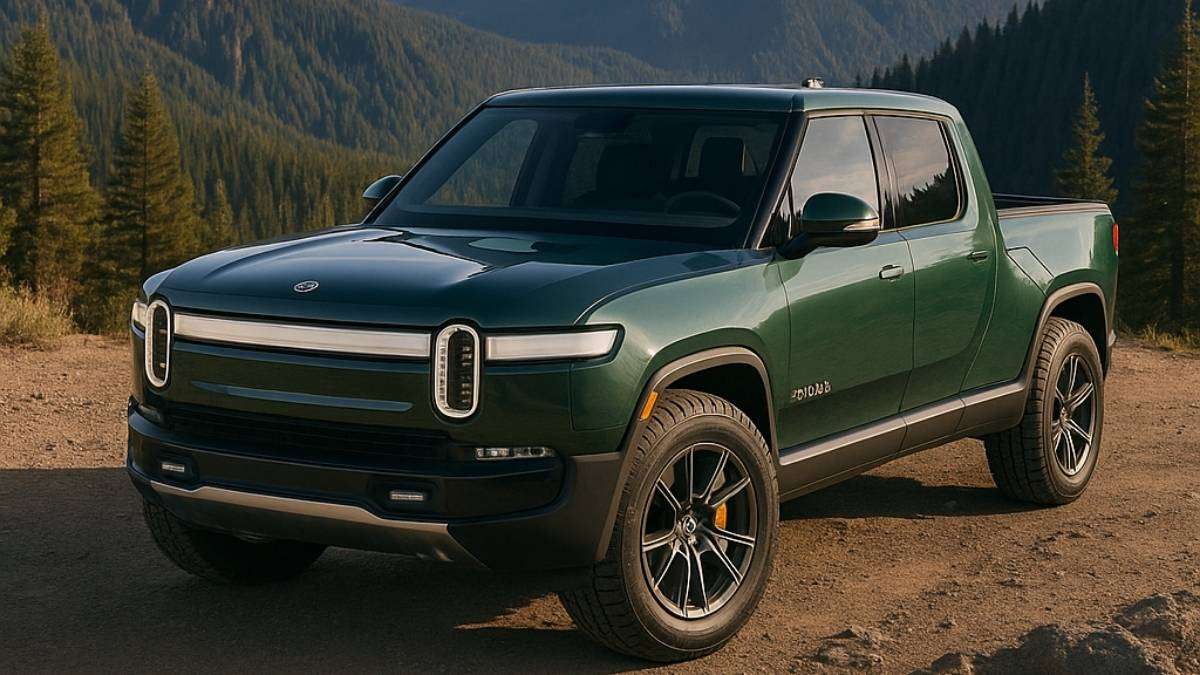

In the brutal, cash-incinerating world of electric vehicle startups, the road to profitability is littered with the wreckage of bankrupt companies and broken promises. For years, the conventional wisdom has been that no one—save for the sui generis Tesla—could build a compelling EV from scratch and make money doing it. This week, that wisdom was rendered obsolete. In a landmark achievement that sent shockwaves through the industry, Rivian announced its first-ever quarter of GAAP profitability. Driven by robust sales of its R1T pickup and R1S SUV and, crucially, a sharp reduction in production costs, the news confirmed that the EV market has a new, legitimate powerhouse. This isn't just a financial milestone; it's the validation of a brilliant strategy that successfully targeted a market Tesla ignored and, in doing so, created the most desirable EVs on the planet.
The "Adventure" Niche That Became a Goldmine
Rivian’s genius was not in trying to out-Tesla Tesla. Instead of building another sleek, minimalist sedan or crossover, founder RJ Scaringe identified a massive, underserved segment of the premium market: the adventurer. They built vehicles for the affluent, outdoor-loving consumer who wanted to haul skis to the mountain, kayaks to the river, and camping gear into the woods, but wanted to do it with electric power and impeccable style. The R1T and R1S are not just trucks and SUVs; they are masterfully designed pieces of "adventure gear."
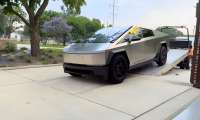
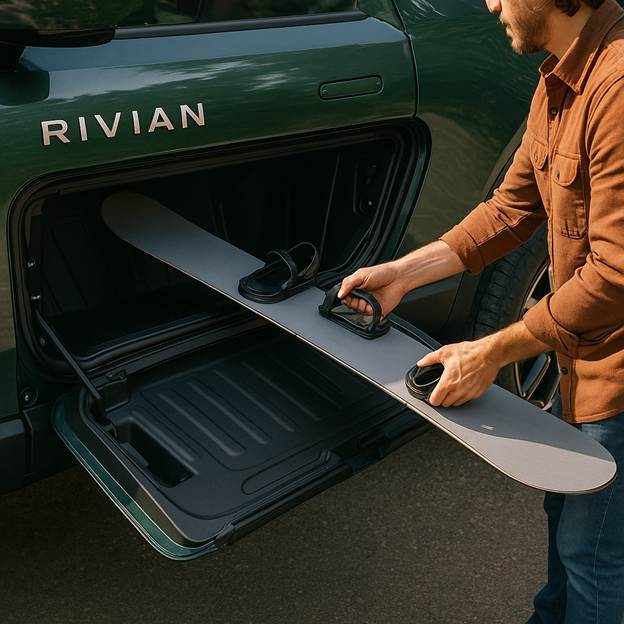
This focus is evident in every detail, from the ingenious Gear Tunnel storage solution to the built-in air compressor and flashlight. The design language is clean and futuristic yet rugged and approachable, a stark contrast to the aggressive, often polarizing, aesthetic of the Tesla Cybertruck. By creating a brand synonymous with upscale, sustainable adventure, Rivian tapped into a powerful cultural current and built a fiercely loyal following. They proved that the "niche" of well-off people who enjoy the outdoors wasn't a niche at all—it was a massive, untapped market waiting for the perfect product.
The Tesla Exodus in My Neighborhood
The evidence of Rivian's success is not just on its balance sheet; it's on the streets of towns like mine. Here in Bend, Oregon, a city where a Patagonia jacket is practically a uniform and weekends are planned around trailheads, a fascinating migration is occurring. The once-ubiquitous Tesla Model Ys and Model 3s are increasingly being replaced in driveways by Rivian R1s. I've personally seen this swap happen with half a dozen neighbors in the last year alone. This isn't a coincidence; it's a trend.
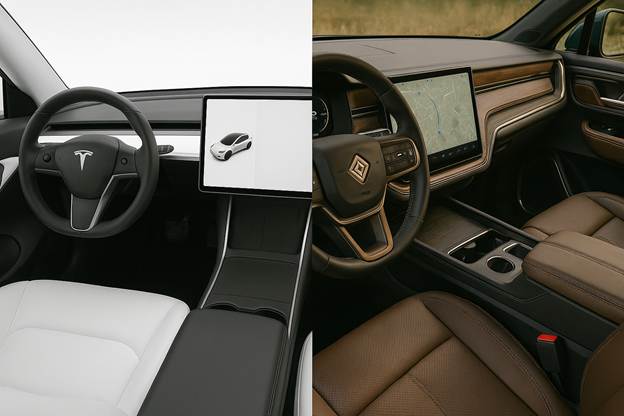
For many early Tesla adopters, Rivian represents the perfect "next step." These are consumers who have already been won over by the benefits of electric driving but have grown weary of Tesla's quirks. They are often looking for superior build quality, a more luxurious and conventional interior that doesn't rely on a single screen for every function, and a brand identity that feels less tied to a controversial CEO and more aligned with their personal values. Rivian offers a premium, tech-forward experience without the spartan minimalism. It feels like a product from a car company that also happens to be a tech company, a balance that is proving to be incredibly appealing to Tesla's original customer base. [Image comparing a Tesla interior to a Rivian interior]
Can the Momentum Last?
Achieving one profitable quarter is a monumental feat; sustaining it is the real test. Rivian faces a challenging road ahead. The company must continue to scale production while relentlessly driving down costs, a task that has humbled even the most established automakers. Competition is intensifying, with Ford's second-generation F-150 Lightning targeting the work truck market and a flood of new electric SUVs from nearly every brand on earth.
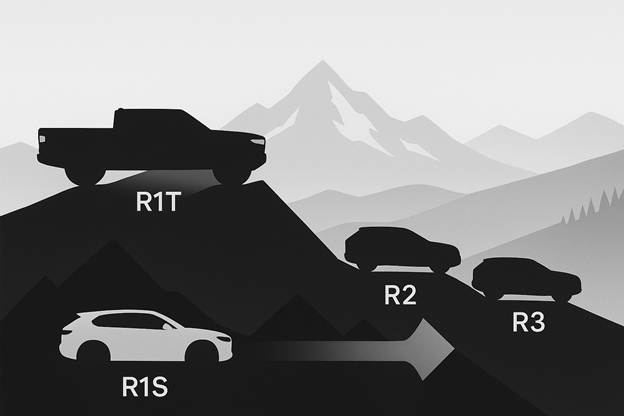
Rivian's future success hinges on the execution of its next act: the more affordable and smaller R2 and R3 platforms. These vehicles are designed to bring the Rivian brand and ethos to a much broader audience, moving from the $80,000 price point to the crucial $45,000-$55,000 segment. Successfully launching these models at scale, without sacrificing the quality and brand magic that made the R1 so successful, will be the company's greatest challenge. If they can pull it off, they will solidify their position not just as a profitable startup, but as a permanent, influential pillar of the automotive industry.
Wrapping Up
Rivian's first profitable quarter is a testament to a clear vision, impeccable execution, and a deep understanding of its target customer. The company succeeded by daring to be different, creating a brand that stands for adventure, quality, and quiet confidence. It expertly captured the zeitgeist of a powerful consumer demographic, turning early Tesla owners into loyal Rivian converts. While the path forward is fraught with the challenges of scale and competition, this milestone proves that Rivian has forged a sustainable path in the EV wilderness, transforming from a promising startup into a true industry leader.
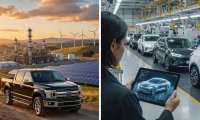
Disclosure: Images rendered by Artlist.io and Scholar GPT5
Rob Enderle is a technology analyst at Torque News who covers automotive technology and battery developments. You can learn more about Rob on Wikipedia and follow his articles on Forbes, X, and LinkedIn.
Set Torque News as Preferred Source on Google
Follow us today...