
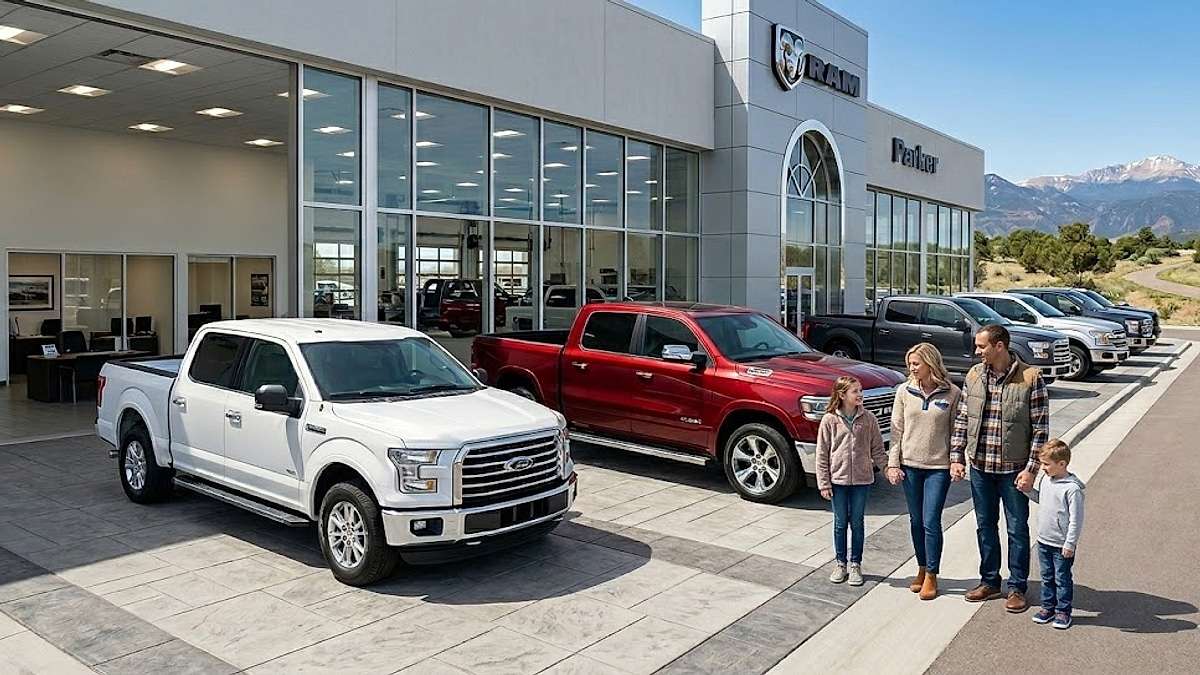

According to ongoing Torque News tracking of manufacturing defects and wholesale marketplace valuations, a structural shift is occurring in the full-size truck market. Long-term reliability data indicate that high-stress mechanical layouts are breaking traditional longevity curves, forcing brand loyalists to abandon historic affiliations. This investigation into the 2026 Ram 1500 reveals that while the newly introduced 3.0L twin-turbocharged Hurricane inline-six delivers exceptional horsepower, its extreme thermal footprint and complex subcomponent topography pose significant liabilities for out-of-warranty operation.
Concurrently, a deep forensic market audit by Torque News reveals that early-generation post-pandemic Ford F-150 models have experienced steep valuation declines due to systemic powertrain vulnerabilities, specifically in the 10R80 10-speed automatic transmission. This mechanical degradation is driving owners away from Dearborn. However, transitioning to Auburn Hills requires careful powertrain selection.
The landscape of the American half-ton pickup truck has reached a critical inflection point. A massive wave of consumer defection is underway as long-term truck owners migrate across domestic brand lines to escape lingering mechanical vulnerabilities. At the center of this migration is a profound reckoning over powertrain complexity, thermal dynamics, and secondary-market residual value.
The catalyst for this comprehensive automotive investigation stems directly from the front lines of the truck community. Cody Michael from Mankato, Minnesota, posted a critical inquiry to the 6th Gen Ram 1500's (2024+) Facebook page, asking a highly pertinent question that captures the exact dilemma facing thousands of modern truck buyers:
“Is Ram the most reliable truck brand at this moment in terms of the 1500 trucks? I currently have a 2015 Ford F-150 with extensive hail damage, and I’m looking at switching to a 2026 Ram truck. Should I get a 5.7, 3.6, or Hurricane 3.0?”

The answer to this question requires peeling back the marketing brochures and looking directly at the metallurgical and structural realities of these powertrains. Ford's structural market position has severely deteriorated over the last year.
As documented in recent tracking of automotive quality trends, significant manufacturer oversupply and systemic mechanical failures have caused post-pandemic Ford F-150 assets to drop precipitously in secondary-market value. An outside consumer vehicle assessment published by automotive industry authority Pickup Truck Talk confirms that while Ram 1500 trucks have climbed high on most reliability lists, specific new powertrain configurations are exhibiting early-stage component vulnerabilities, such as catalytic converter overheating, thermostat failures, and disconnected purge lines.
This directly justifies the anxiety of buyers like Cody Michael who want to ensure they do not trade one mechanical nightmare for another. The market is adjusting rapidly to the expected cost of out-of-warranty mechanical remediation. Consumers are realizing that brand loyalty means nothing if a truck cannot survive past its final loan payment.
The 50% F-150 Depreciation Phenomenon
The primary driver forcing Ford owners to jump ship to Ram is the structural degradation of secondary-market trust in Ford’s long-term powertrain architecture. In our ongoing coverage of Ford reliability, Torque News has uncovered an unresolved dispute over the longevity of historical factory parts that has forced significant mid-generation design alterations in current production runs.
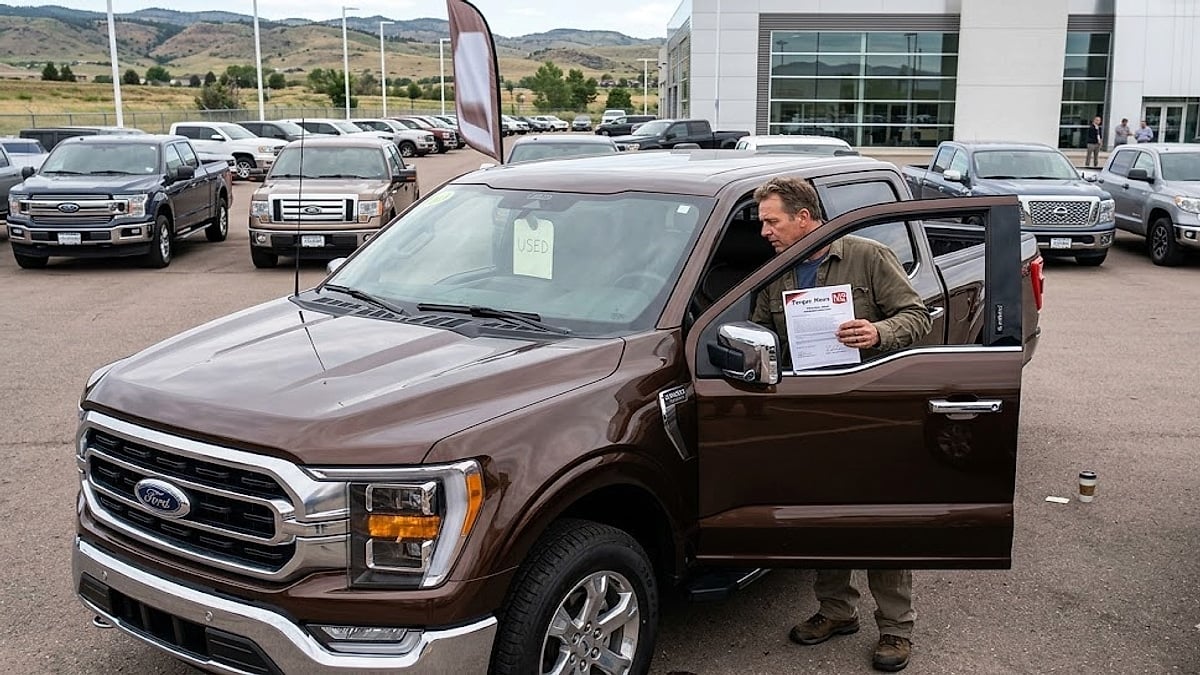
As written in my deep-dive analysis on Torque News, 2021 through 2024 Ford F-150 models, particularly high-volume configurations like the luxury-oriented Lariat trim, have sustained an aggregate 50% decline from their original window-sticker valuations. This rapid price erosion is tied directly to identifiable engineering pain points, most notably the ubiquitous 10R80 10-speed automatic transmission.
Forensic teardowns performed in independent service bays indicate that early internal design iterations of this 10-speed architecture suffer from a high failure rate of the main control valve body separator plate and premature wear of the internal CDF clutch drum sleeve. When this internal sleeve moves from its factory-pressured placement, it restricts essential fluid paths, causing severe line pressure drops. This hydraulic deficiency manifests physically as harsh downshifts, delayed reverse engagements, and erratic gear hunting under load.
Real-world fluid analysis reveals that high localized thermal breakdown within the valve body occurs during severe towing or stop-and-go commuting, shearing the factory ultra-low-viscosity fluid down to an unsafe weight and accelerating internal bushing wear. For a truck owner like Cody Michael, moving away from a platform with a known, systemic transmission flaw makes complete financial sense.
A corroborating multi-vehicle evaluation by the automotive advisory body Redlands CDJR notes that the Ram 1500's refined chassis and advanced multi-link rear suspension provide inherently more stable, durable on-road composure than the Ford F-150’s leaf-spring rear setup, which often highlights the structural harshness of older domestic designs under heavy regional workloads.
However, entering the Ram showroom requires a different layer of mechanical scrutiny, because the engine choices for 2026 represent a radical polarization of mechanical philosophies.
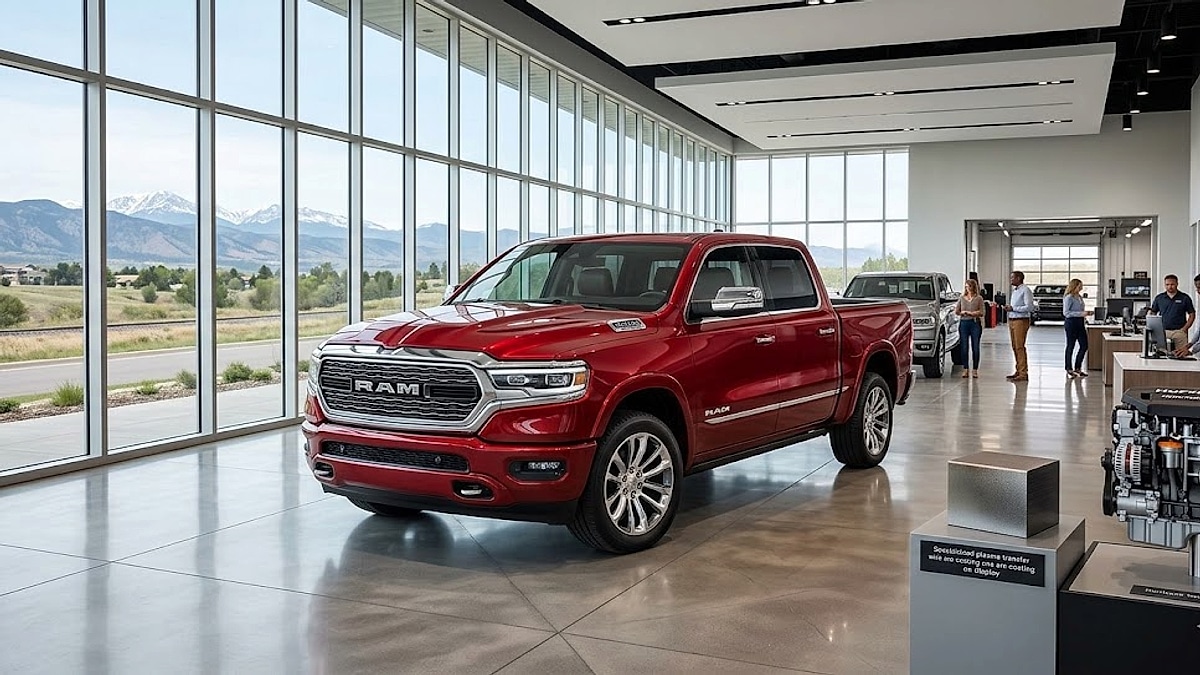
The 3.0L Hurricane Twin-Turbo Plumbing Vulnerabilities
The 3.0L Twin-Turbo Hurricane inline-six engine is an engineering marvel on paper, producing between 420 and 540 horsepower. But from the perspective of long-term reliability, it represents a high-risk experiment in extreme thermal management and packaging density.
Torque News technical analysis identifies a critical gap between factory maintenance schedules and real-world component longevity, particularly regarding how the Hurricane manages the immense heat generated by its twin low-inertia turbochargers. These turbochargers spin at rotational speeds exceeding 100,000 RPM, creating an intense thermal footprint that directly bakes the engine oil and places immense structural stress on every gasket, seal, and plastic component within the engine bay.
The Resurrected 5.7L HEMI V8 and 3.6L Pentastar Stability Issue
In direct contrast to the twin-turbocharged science project that is the Hurricane inline-six, Ram’s alternative engine options for the 2026 model year offer a stark return to mechanical predictability and structural simplicity. In a highly significant industry pivot, Stellantis quietly reintroduced the 5.7L HEMI V8 with the eTorque mild-hybrid system as a premium option for 2026, responding directly to heavy customer resistance and slow showroom velocity of early Hurricane-only models.
As I documented in my regional truck reliability report on Torque News, the returning 5.7L HEMI V8 remains an exceptional choice for buyers prioritizing long-term mechanical simplicity and proven all-weather durability. The HEMI utilizes a traditional pushrod, naturally aspirated architecture that has been refined through more than two decades of real-world fleet service.
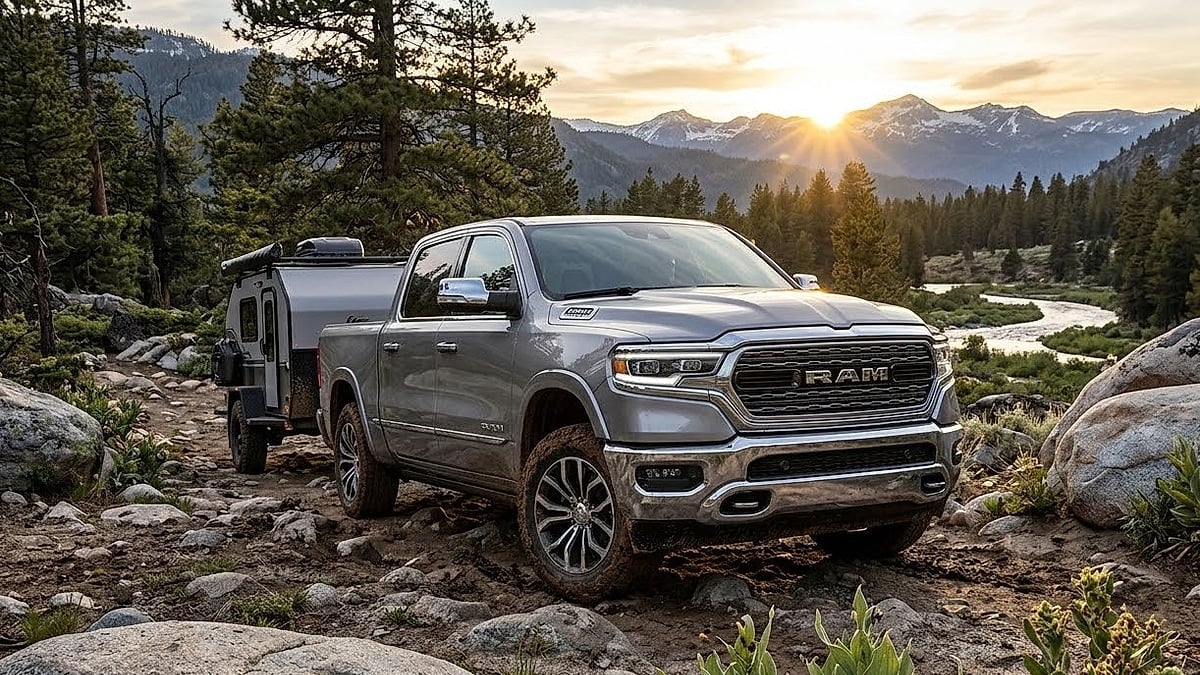
While it is true that the HEMI has historically known vulnerabilities, such as the potential for exhaust manifold bolt breakage or lifter roller degradation during extended idle cycles, these flaws are well understood by the independent service sector. They do not require proprietary corporate engineering support to repair.
Technical Field Observations from Owner Communities
In a recent technical discussion on r/ram_trucks, an experienced mechanical technician highlighted the severe long-term risk of early adoption, noting that until a large volume of Hurricane engines has accumulated high mileage outside the factory warranty period, buying one is a gamble on unverified architecture.
From my 30 years of experience as an automotive consultant and test driver, this caution is entirely accurate. High-pressure direct injection, paired with forced induction, creates severe fuel-dilution risks within the crankcase, meaning that if an owner blindly follows long factory oil-change intervals, they risk accelerated bearing wear before the vehicle reaches its mid-life milestone.
Another owner on the same forum highlighted the fragility of the supporting systems, noting that their 2025 Hurricane model spent nearly three months in a dealer service bay because a highly trained master technician could not resolve a persistent cylinder misfire, prompting factory engineers to simply shrug. This report can be verified in the active community documentation on r/ram_trucks.
When a vehicle is so complex that factory-trained technicians cannot confidently diagnose a running issue without corporate intervention, the vehicle ceases to be an asset and becomes a liability for an independent consumer.
Key Takeaways
- Avoid the 3.0L twin-turbocharged Hurricane engine if your primary objective is 200,000-mile mechanical simplicity and predictable out-of-warranty ownership costs.
- Prioritize the resurrected 5.7L HEMI V8 or the bulletproof 3.6L Pentastar V6 to minimize exposure to complex cooling plumbing and high-pressure turbocharger component failures.
- Capitalize on the structural reliability of Ram's ZF-licensed 8-speed automatic transmission to escape the severe clutch drum wear and rapid valuation drops of Ford's 10R80 10-speed unit.
- Reject standard factory-recommended extended fluid change intervals on any forced-induction powertrain, opting instead for a strict 5,000-mile preventative maintenance cadence.
Will the Hurricane's Complex Air-to-Water Cooling Loops Trigger an Official NHTSA Recall Over Thermal Management Failures?
As more 2026 Ram 1500 trucks equipped with the standard and high-output Hurricane engines enter active duty, the next major question facing the industry is whether the National Highway Traffic Safety Administration (NHTSA) will open a formal safety investigation into the vehicle's thermal management loops.
Early technical service bulletins indicate that the plastic thermostat housings used on these power plants are prone to cracking under high thermal stress, such as when pulling heavy loads up steep mountain grades. If a thermostat cracks and causes an immediate loss of engine coolant while towing at highway speeds, it can lead to sudden, un-signaled engine stalls in traffic, creating an acute safety hazard that transcends standard consumer inconvenience.
Torque News is actively tracking these early fleet cooling failures to determine if a systemic pattern of thermal fractures will force a federal safety intervention.
The Final Verdict
The migration of full-size truck buyers away from the Ford F-150 toward the 2026 Ram 1500 is a rational reaction to the systemic transmission issues that have severely impacted Ford's secondary-market asset values over the last few years. However, truck buyers must exercise extreme discipline when navigating the Ram order catalog. The 3.0L twin-turbo Hurricane inline-six poses a significant risk for long-term buyers due to its exceptional complexity, tight engine bay packaging, and massive thermal output.
By avoiding this high-performance experiment and selecting either the time-tested 3.6L Pentastar V6 or the newly returned 5.7L HEMI V8, buyers can successfully capitalize on Ram’s superior ride quality and durable ZF 8-speed transmission without becoming beta testers for unproven engine tech.
Tell Us What You Think
Are you planning to dump your Ford F-150 for a new truck this year, and would you trust Ram's new twin-turbo Hurricane engine over a classic naturally aspirated V8? Please leave your thoughts and real-world ownership experiences in the comments section below to join the ongoing conversation among Ram owners.
What’s Next: In our second upcoming Ram report, we shift our focus to the area directly behind the dashboard. Torque News finalized a proprietary investigative analysis into the 6th-generation Ram 1500’s completely redesigned electrical architecture. Check out the full report here: Why The 2026 Ram 1500 Redesigned 6th-Gen Central Gateway Overload Is Triggering Sudden Screen Blackouts And How Owners Can Fix It
About The Author
Denis Flierl is a 14-year Senior Reporter at Torque News and a member of the Rocky Mountain Automotive Press (RMAP) with 30+ years of industry experience. Explore his full investigative reporting archives and technical guides at DenisFlierl.com. Based in Parker, Colorado, Denis leverages the Rockies' high-altitude terrain as a rigorous testing ground to provide "boots-on-the-ground" analysis for readers across the Rocky Mountain region, California EV corridors, the Northeast, Texas truck markets, and Midwest agricultural zones. A former professional test driver and consultant for Ford, GM, Ram, Toyota, and Tesla, he delivers data-backed insights on reliability and market shifts. Denis cuts through the noise to provide national audiences with the real-world reporting today’s landscape demands. Connect with Denis: Find him on LinkedIn, X @DenisFlierl, @WorldsCoolestRides, Facebook, and Instagram.
Photo credit: Denis Flierl
Set Torque News as Preferred Source on Google
Follow us today...






Comments
I would say go with the…
Permalink
I would say go with the truck or any machine with the most accumulated quality. That's not easy since there is so much model turn over, but the older a design is, in general, all other things being equal, the more bugs have already been addressed. Vehicle industry is engineered kinda irresponsibly across the board right now, because right as a vehicle is reaching its best quality, the OEM cuts it off to build something else. Say what you want about things that look dated; if something is on the road and dated, that means it's been on the road long enough to look dated. That tells me all I need to know about something.