
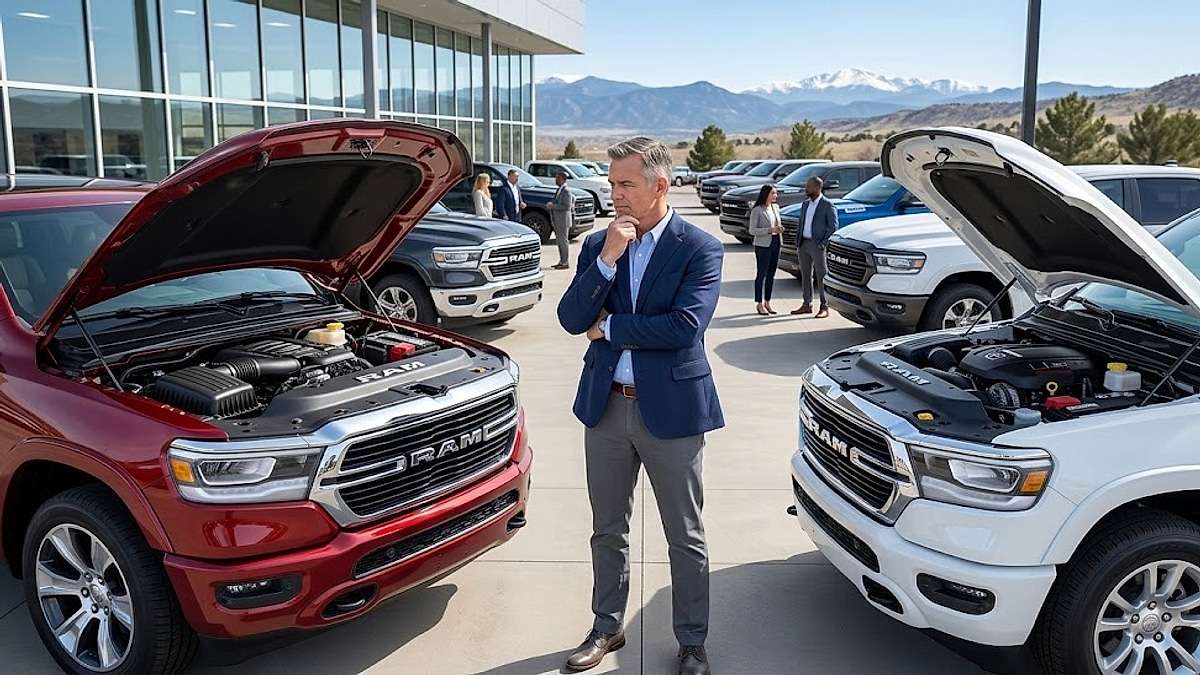

According to ongoing Torque News tracking of manufacturing defects and wholesale marketplace valuations, the transition to high-density digital architectures in the full-size truck segment has introduced systemic electronic vulnerabilities. This consumer advocacy report provides an actionable blueprint for owners navigating the 6th-generation Ram 1500’s completely overhauled electrical system. Recent field monitoring indicates that heightened data loads from premium infotainment screens and expanded sensor suites are placing unprecedented stress on core modules.
In our previous investigative piece exposing why truck buyers are bypassing complex powertrains over long-term reliability concerns, we detailed how escalating under-hood temperatures compound modern mechanical failures. As a direct extension of that technical baseline, we shift our focus from the physical engine block directly behind the dashboard wrapper. The modern pickup truck is no longer a purely mechanical workhorse; it is a rolling data network operating on highly sensitive localized control loops.
According to ongoing Torque News tracking of manufacturing defects, early adopters of the 6th-generation Ram 1500 platform are confronting a sudden wave of total dashboard and instrument cluster blackouts. The most shocking discovery of this field audit is that a vehicle can become entirely inoperable or legally non-compliant at exceptionally low mileage due to a software-directed power struggle between safety-critical driving clusters and cabin convenience modules.
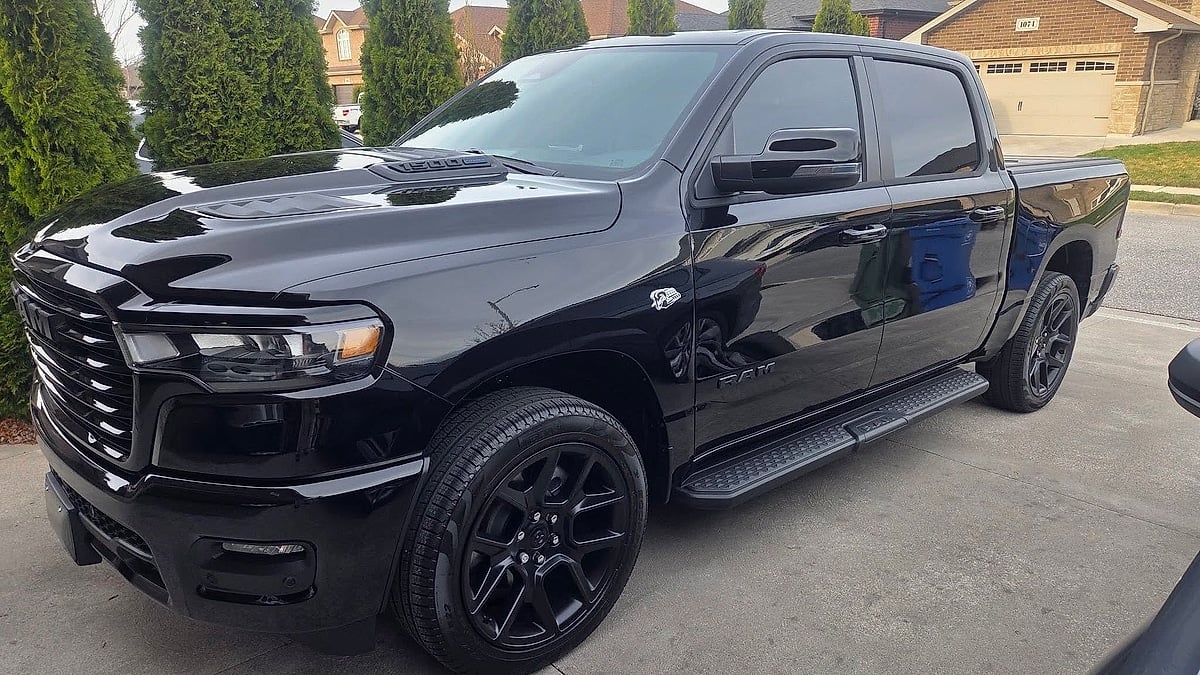
The scope of this technical vulnerability has escalated beyond community forum speculation into a matter of federal compliance tracking. The National Highway Traffic Safety Administration (NHTSA) logged formal filings detailing that tens of thousands of late-model Ram pickups are subject to immediate safety recalls due to instrument panel clusters failing to illuminate at vehicle startup or powering off entirely mid-drive.
An outside consumer vehicle assessment published by automotive industry authority WardsAuto confirms that more than 65,000 Ram trucks suffer from critical display failures, noting that a severe software error causes the 3.5-inch instrument panel component to go blank without warning. This deficiency directly violates Federal Motor Vehicle Safety Standards regarding lamps, reflective devices, and light vehicle braking indicator illumination.
Furthermore, a parallel market report by Kelly Blue Book corroborates that an additional 72,000 trucks equipped with the expansive 12-inch fully digital driver layouts were flagged for near-identical software glitches that cut off vehicle speed and essential diagnostic indicators. This double-layered validation underscores that the 6th-generation electrical grid is fundamentally starved for voltage stability.
The underlying technical failure traces back to a breakdown within the supply chain, specifically affecting Marelli-sourced Instrument Panel Clusters (IPCs) produced over an extended multi-month build window. When these digital assemblies interface with the vehicle's central gateway architecture, microscopic timing variations in the software boot cycle can cause the module to enter a permanent state of unresponsiveness.
In my early-mileage component analysis on Torque News, early-2026 Ram production models have demonstrated a pattern in which the main Engine Control Unit (ECU) suffers an internal short or a total communication breakdown due to rapid thermal expansion within its microcircuits. When this circuit fails, the truck's charging infrastructure drops below the required 12.2V threshold, bringing the operational battery voltage to a critically low 11.7V. At this degraded operating state, the primary data network effectively starves, producing flickering warning arrays and blocking vehicle communication paths.
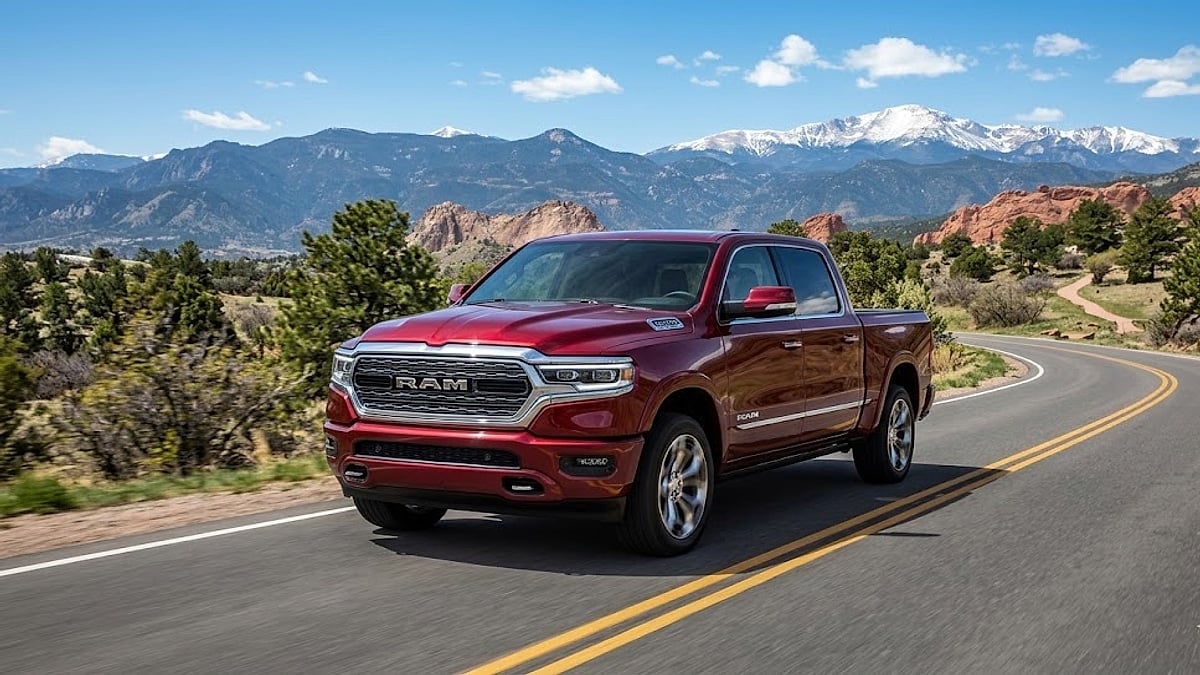
Regional Impact Realities and the Colorado Altitude Test
The risk of these electrical malfunctions is highly dependent on regional weather patterns, making specific regions such as the Rocky Mountains challenging environments for the 6th-generation truck platform. High-altitude mountain terrain, combined with the severe morning temperature drops common along Colorado's Front Range, creates a difficult environment for complex electrical modules.
In communities such as Parker, Colorado, vehicles regularly experience significant thermal shifts within a short 12-hour window. This intense thermal cycling causes accelerated physical expansion and contraction within aluminum module housings and complex wiring harnesses.
When a truck is parked overnight in a sub-freezing mountain environment and then started early in the morning, the sudden rush of current through cold electronic components creates intense localized heat spikes. If a central gateway or instrument module exhibits even minor manufacturing variations in its solder joints, rapid thermal cycling can cause them to split.
Torque News technical analysis identifies a critical gap between factory maintenance schedules and real-world component longevity under these harsh conditions. Standard factory manuals treat electrical diagnostic modules as static components that only require attention when a hard trouble code illuminates the dashboard. In reality, intermittent voltage drops caused by cold-induced battery resistance will scramble data messages across the vehicle's network before a single error light ever turns on.

For drivers navigating steep mountain descents in the Interstate 70 corridor, an unexpected loss of the digital instrument display means an immediate loss of tire-pressure alerts, brake-system warnings, and transmission-temperature gauges, creating a dangerous operational scenario.
Field Observations from Owner Communities
Real-world usage data collected directly from owner forums underscores that factory diagnostic protocols are often inadequate for fixing these complex electrical issues. Fleet operators and daily drivers are frequently forced to develop their own field procedures to keep their trucks moving.
In a recent technical discussion on r/ram_trucks, an owner experiencing severe dashboard instability reported that their truck completely locked out a local dealer's factory diagnostic computer because an aftermarket security gateway bypass had become physically jammed under the steering column.
Drawing on my 30 years of experience as an automotive consultant and test driver, I see this scenario as a growing issue in consumer vehicle servicing. When the central security modules detect a communication delay, they enter a protective lockdown mode, assuming a theft attempt is underway, which effectively prevents local technicians from pulling code data until the entire system is physically reset.
Another owner on the same forum highlighted the fragility of the new software layers, noting that their truck frequently displays an "Illumination Unavailable" warning during cold starts when the high-draw seat heaters and infotainment screens try to boot up at the same time. This field observation can be verified using the community-tracking data archived in the r/ram_trucks technical registry.
Modern trucks run on incredibly thin voltage margins, meaning that any temporary power draw during the initial engine cranking phase will starve the main modules of the voltage they need to start up correctly. If the central processing units drop below a stable voltage level for even a fraction of a second during the startup cycle, the network drops communication, causing the dashboard to go completely dark.
Action Plan for Affected Owners
- Monitor your active battery voltage on the digital dashboard configuration screen during the initial 500 miles of ownership to catch early drops in the charging system before they lead to a complete system breakdown.
- Document every single instance of display flickering or screen unresponsiveness with clear smartphone photos, because intermittent network dropouts rarely leave a permanent trouble code for dealer technicians to find.
- Verify your specific vehicle identification number against the active NHTSA recall portal to see if your truck requires the Marelli instrument panel software update or a full physical cluster replacement.
- Request that your servicing dealer check for any outstanding Rapid Service Updates (RSU) or look for active "Flash" updates for the Powertrain Control Module during every standard oil change service.
Key Takeaways
- Identify low-voltage operational anomalies by checking if your digital readout drops down toward 11.7V during initial startup.
- Execute immediate physical documentation via video whenever a Uconnect infotainment screen or digital driver cluster fails to respond at startup.
- Leverage federal recall databases using specific manufacturer campaign codes to demand priority dealer hardware replacement before your factory warranty coverage expires.
- Avoid adding high-draw aftermarket accessories directly to the primary battery terminals to protect the truck's sensitive power management modules from accidental damage.
Will Sudden Software Shutdowns Force a Redesign of Ram's Unified Power Distribution Center?
As delivery numbers for the 2026 model year continue to grow, field technicians are asking if these regular software crashes will eventually require a complete redesign of Ram’s physical Power Distribution Center. Current architecture routes convenience features and safety-critical vehicle networks through the exact same power paths.
If an interior climate control module or a luxury seat-heater motor suffers a minor electrical short, the resulting system noise can spill over onto the main data bus line. This design choice means minor electrical issues can potentially disrupt critical safety warning systems.
My Closing Analysis
The increasing complexity of modern full-size pickup truck electronics requires a more hands-on, defensive approach to vehicle ownership. Relying entirely on standard dealer service intervals is no longer enough to protect your vehicle investment when dealing with advanced, software-heavy truck networks. By regularly monitoring your charging system's real-world voltage levels, keeping careful records of intermittent system glitches, and staying on top of factory software campaigns, you can significantly reduce your exposure to sudden system blackouts.
How About You?
Have you experienced a sudden screen blackout or weird dashboard warnings on your new truck, and do you feel confident that local dealers can fix these complex software bugs? Please share your real-world experiences and diagnostic stories in the comments section below to help strengthen our growing repository of the truck community.
About The Author
Denis Flierl is a 14-year Senior Reporter at Torque News and a member of the Rocky Mountain Automotive Press (RMAP) with 30+ years of industry experience. Explore his full investigative reporting archives and technical guides at DenisFlierl.com. Based in Parker, Colorado, Denis leverages the Rockies' high-altitude terrain as a rigorous testing ground to provide "boots-on-the-ground" analysis for readers across the Rocky Mountain region, California EV corridors, the Northeast, Texas truck markets, and Midwest agricultural zones. A former professional test driver and consultant for Ford, GM, Ram, Toyota, and Tesla, he delivers data-backed insights on reliability and market shifts. Denis cuts through the noise to provide national audiences with the real-world reporting today’s landscape demands. Connect with Denis: Find him on LinkedIn, X @DenisFlierl, @WorldsCoolestRides, Facebook, and Instagram.
Photo credit: Denis Flierl
Set Torque News as Preferred Source on Google
Follow us today...







Comments
I have a 2025 ram 3500…
Permalink
I have a 2025 ram 3500 limited duelly, and it had all these issues. I was told by the shop that my truck was the one that started all the recalls. I bought the truck in May 2025, and right from the start it was having lights on. The truck was in the shop pretty much every two weeks with something new on the screen. Then one day, while driving on the highway, the screen went completely black while I was in adaptive cruise control. I tried to turn it off with the controls on the wheel and nothing worked. I then hit the break, and it still maintained its speed. It wasn't until the dash reset that I was able to take it out of cruise.
The vehicle was then taken to the shop in October and deemed unsafe to drive, they said it needed a new cluster.
The truck that I bought for work was down for 7 months waiting for a cluster. It was returned to me on May 13, 2026.
The FCA would do nothing but tell me that was on its way. They told me that once the part arrives and was installed that I would be compensated for the down time, but after calls and emails, I have heard nothing back from them since the truck has been returned. The FCA also dropped out of camvap a few years ago, so there is no one to contact for help and to try and reclaim the lost wages and truck payments I incurred for the 7 months the truck was down due to a manufacturing defect.