
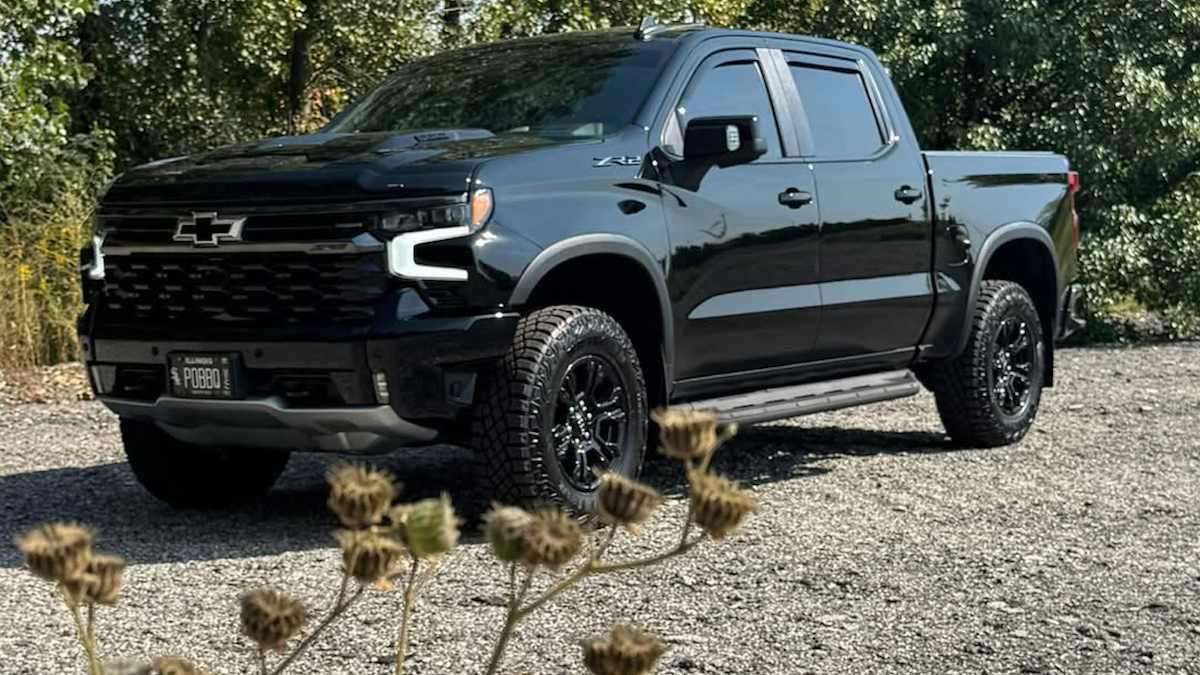

A brand-new 2025 Chevy Silverado ZR2's engine is dead at 2,500 miles, and a "remanufactured" replacement is GM's solution. Is it a fair fix or a slap in the face to new truck owners?
Imagine that you just signed the papers on a brand-new 2025 Chevy Silverado ZR2, ready to conquer the trails with that 3.0-liter Duramax grunt, only for the engine to catastrophically fail before you even hit your first oil change interval. Now, instead of a fresh-from-the-factory crate motor, the manufacturer informs you that your "new" truck’s heart will be replaced with a remanufactured unit, leaving you with a vehicle that feels second-hand before the first payment is even due.
This is the exact nightmare currently facing a GM owner who is discovering that a 150,000-mile warranty doesn't quite take away the sting of a "used" engine in a $70,000 pickup.
Clay Archer on the 2019 - 2026 Chevy Silverado & GMC Sierra Owners Facebook page says:
“My 2025 Chevy Silverado 3.0 ZR2, turbo, and engine failed at only 2,500 miles. I dropped the truck off at the dealer on November 19. GM informed the dealer to replace the engine and turbo. I just found out that the standard GM warranty only covers the installation of a “remanufactured” engine. That is insane to drop a used remanufactured engine into a brand-new truck, even if it comes with a 10-year, 150K-mile warranty. I don’t plan on keeping the truck anywhere near those two numbers, especially after what happened. My GM Case rep has been hinting at offering some goodwill incentives to try and mend the relationship with Chevrolet. What goodwill offers have you received? None. I know I have a better chance of winning the lottery than getting GM to make a truck payment, but has anyone gotten that done? No. The truck is expected to be ready for pickup on January 27, 2026.”
The 2025 Silverado Engine Failure Crisis
I have spent over 30 years in the automotive industry, and I can tell you that the "new car smell" should not be replaced by the scent of burnt oil at 2,500 miles. The situation Clay Archer is describing isn't just a fluke; it's part of a growing wave of reports involving the 3.0-liter LZ0 Duramax diesel engine. In fact, a recent Technical Service Bulletin (TSB 25-NA-307) has been released specifically addressing crankshaft end play and thrust bearing failure in 2025 and 2026 models, confirming that many of these engines are failing well under the 10,000-mile mark. Source: Lemon Law Firm.
As a senior reporter here at Torque News, I have been tracking these powertrain failures closely. In my previous coverage of GM's manufacturing woes, I detailed how owners are walking away from the brand after multiple failures, noting that for some, the brand's vintage mechanical simplicity has been replaced by high-tech complexity with a built-in expiration date. Source: Torque News. The fact that a 2025 model is already facing a total engine and turbo swap is a massive red flag for the 2025 Chevy Silverado ZR2 reliability ratings.
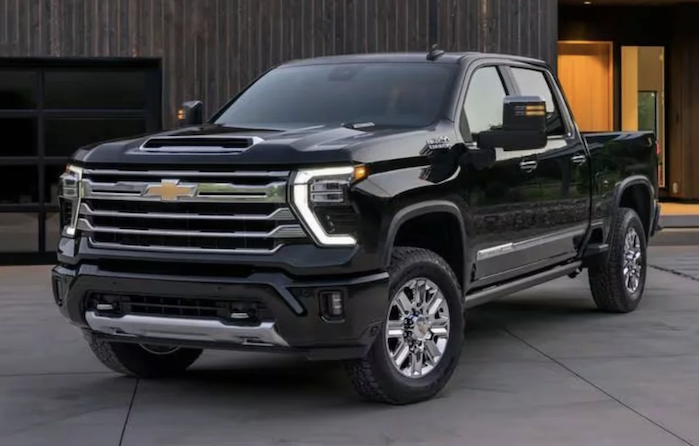
A Remanufactured Engine Feels Like a Betrayal
The core of Clay’s frustration is GM’s policy of using remanufactured parts for warranty repairs. While GM’s official powertrain warranty documentation states that the manufacturer will use "new or remanufactured parts" at its own option, most consumers expect a "new" truck to stay "new" through its first repair. Industry experts at Kelley Blue Book note that while remanufactured engines are built to original factory standards, they can cost the manufacturer up to 50 percent less than a brand-new crate engine.
This cost-saving measure by GM directly impacts the Chevrolet Silverado resale value. I have often warned that a major engine replacement on a vehicle's Carfax report, especially one involving a remanufactured unit, can scare off future buyers who fear the truck is a "lemon." I’ve covered cases where owners had to endure three engine replacements over 15,000 miles, proving that even "new" parts don't always guarantee a fix if the underlying manufacturing defect remains unaddressed.
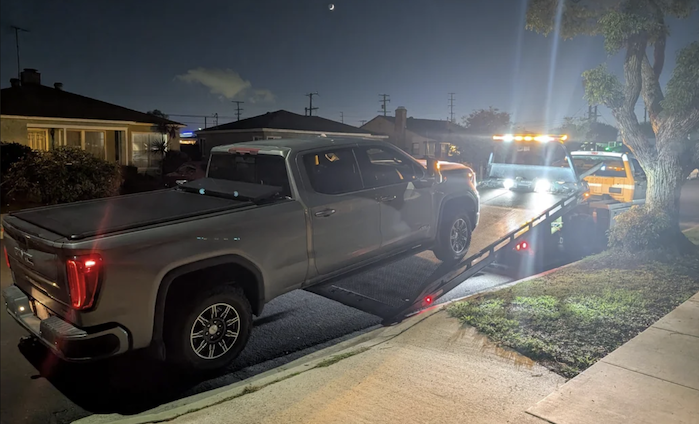
How to Handle a 2,500-Mile Failure
If you find yourself in Clay’s shoes, you need to know your rights. A vehicle that is out of service for more than 30 days, which Clay’s truck will be, from November to late January, often qualifies for a buyback under state Lemon Law requirements.
Key Takeaways for Silverado Owners:
- Track the Downtime: If your truck is in the shop for 30 cumulative days, start the "buyback" conversation immediately.
- Demand a "Crate" Engine: Don't just accept a remanufactured unit. Push your GM Case Rep for a new "crate" engine to preserve the vehicle’s value.
- Negotiate Goodwill: If they won't budge on the engine, demand "goodwill" incentives such as extended bumper-to-bumper coverage, accessories, or even a cash settlement for the loss of use.
- Check the TSB: Reference TSB 25-NA-307 regarding thrust bearing failure to show the dealer you are aware of this as a known manufacturing defect.
What Silverado Owners Are Saying
The community response has been one of shared frustration and mechanical concern. Owners on Reddit have been vocal about the recent failures of the 3.0-liter Duramax.
"My 2025 Silverado left me stranded with a 'LOW OIL PRESSURE' warning... service advisor confirmed the engine is on back order. Pretty sure this will be a lemon law case." Reddit User Moist-Action8009
"The thrust bearing issue is real. My dealer has multiple '25 trucks in the queue with the same failure. GM's approach seems to be 'let them blow up and replace engines' rather than a recall." Reddit User Name_Groundbreaking
A Disturbing Trend
Clay’s 2025 Silverado ZR2 nightmare highlights a disturbing trend in the auto industry: the prioritization of cost-saving "remanufactured" parts over consumer trust. While a 150,000-mile warranty is a nice safety net, it doesn't replace the owner's lost confidence when their brand-new truck sits in a service bay for two months. If GM wants to keep its loyal truck fans, it needs to start treating "new" truck failures with "new" engine solutions.
Tell Us What You Think: Would you accept a remanufactured engine in a brand-new truck with only 2,500 miles, or would you demand a full buyback? Let us know in the comments below!
Next Up: The 6.2-Liter V8 Crisis: Why Silverado Owners are Walking Away If you think the 3.0-liter diesel has issues, wait until you hear about the lifter failures and bent pushrods plaguing the V8 models. Read about why one owner traded his Silverado for a GMC after three engine failures here.
Denis Flierl is a Senior Reporter at Torque News with over 30 years of hands-on experience in the automotive industry. Having served as a professional test driver and industry consultant for major automakers such as Chevrolet, Ford, Toyota, Honda, and Tesla, Denis provides a "boots-on-the-ground" perspective that goes beyond standard reporting. Since joining Torque News in 2012, he has specialized in cutting through market noise to deliver data-backed analysis and real-world owner stories. His work focuses on navigating the transition to EVs and the shifting landscape of performance vehicles.
Have a tip or question for Denis? > Engage with him directly on LinkedIn for industry analysis, or follow his latest updates on X @DenisFlierl and @WorldsCoolestRides. You can also find his latest car features on Facebook and Instagram.
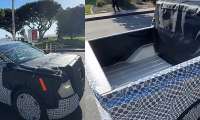
Photo credit: Denis Flierl via Chevrolet
Set Torque News as Preferred Source on Google
Follow us today...





Comments
I would take the reman. And…
Permalink
I would take the reman. And the reason is the TSB. That means Chevy has identified a problem. "New" crate motors don't usually get TSB updates because they’ve sat on a factory shelf somewhere, most likely since well before the TSB was written. Remans on the other hand often include TSBs because the motor was most likely rebuilt after the TSB was issued. For example, I had to replace the engine on my 02 Grand Cherokee V8 due to a shattered engine valve. I bought a motor rebuilt by Jasper Motors. Jasper confirmed over the phone with me that the problem was a known problem and they replaced the valves during the rebuild with oversized valves.
I bought a used 2002…
Permalink
I bought a used 2002 Silverado 2500HD with the 6.6L Duramax nine years ago and discovered it had a reman engine installed in 2004 at about 39K miles. It now has over 239K miles. Aside from replacing the injectors last summer, GM service records don't show any other major repairs. In this case, the reman engine has been every bit as good as a new one. Besides, nobody cares if your new pickup is matching numbers - at least not for another 50 years! lol