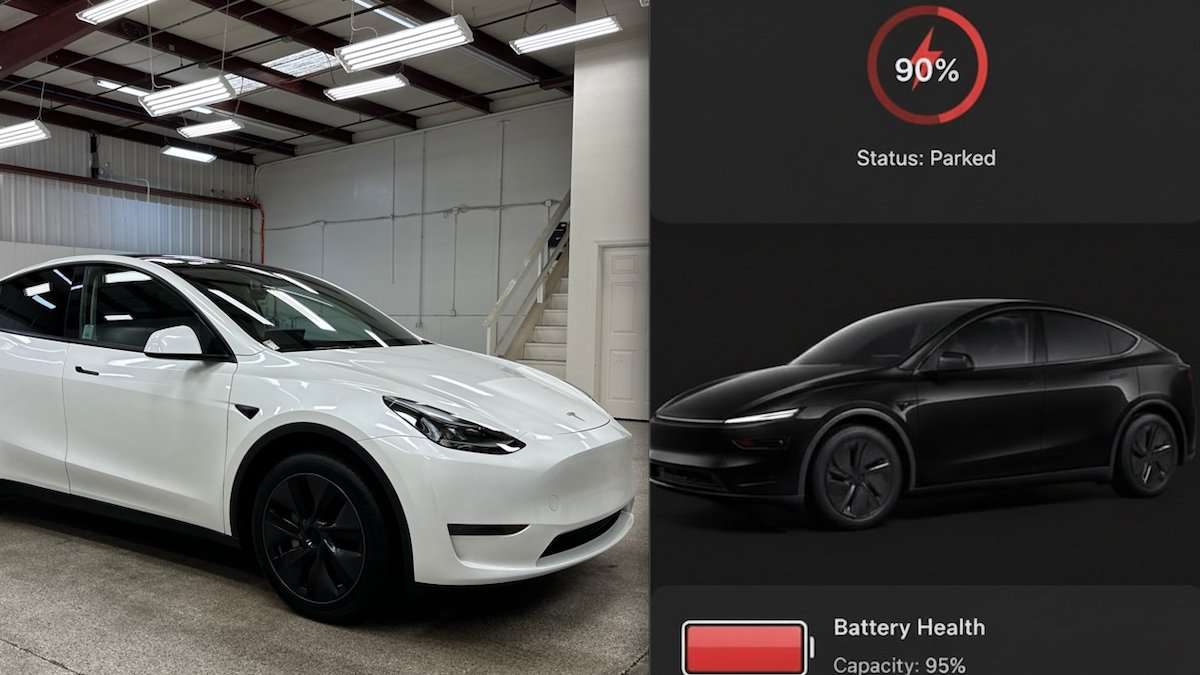

Charging your Tesla Model 3 or Model Y to 100% all the time: is it good or bad for the battery's lifespan?
It's a great question, and in the world of EVs, few topics generate as much confusion as the proper way to charge a Tesla to maximize its battery lifespan.
Yvonne Keblish Cromer, from the Tesla Model 3 and Model Y Owners Club Facebook page, asks, "I've heard that charging to 100% too often can reduce the battery's lifespan, but I’m not sure. Do you guys agree with that? So, what is the truth?"
Maximizing Your Tesla Battery Lifespan:
Yvonne hit the nail on the head. The answer is yes, but with a massive chemical caveat. The simple "80% rule" is one of the most persistent—and often most misunderstood—pieces of advice in the EV space. It's time we put that myth into context and provide a tailored, actionable plan for maximizing your Tesla's durability.
Chemistry is the Key to Longevity
As a Senior Reporter here at Torque News, my job is to give you the signal, not the noise. The most critical factor governing your charging limit is not the car, but the battery chemistry beneath the floorboards. The blanket advice you hear is a relic of older Nickel-Cobalt-Aluminum (NCA) or Nickel-Manganese-Cobalt (NMC) packs, which prioritize energy density and range.
This is where we dive into understanding Tesla NCA and LFP battery chemistry differences. Most Long Range and Performance Teslas (and older Standard Range models) use the NCA/NMC chemistry. These batteries are sensitive to high State of Charge (SoC) levels because maintaining them consistently at or near 100% accelerates the breakdown of the cathode materials, leading to premature capacity degradation. For these vehicles, the long-term effects of constantly charging a Tesla to 100% are tangible and measurable.
However, the newer, Standard Range Model 3 and Model Y vehicles often utilize Lithium Iron Phosphate (LFP) batteries. These are cheaper, safer, and, crucially, chemically far more stable at full charge. As you will see, your charging strategy must be dictated by which battery pack you have.
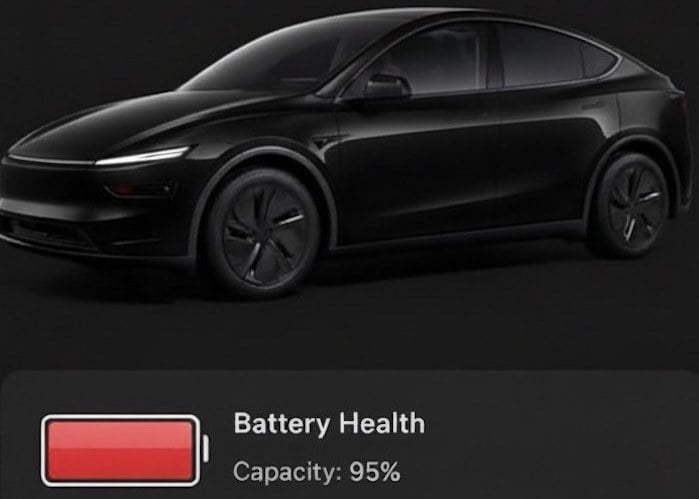
Charging Guidelines
First things first: you need to determine how to identify your Tesla's battery type for proper charging guidelines. The easiest way is to check the charge screen on your vehicle's touchscreen or in the Tesla app. If the charge limit slider displays the text "Charge to 100% for daily use," you have an LFP pack. If it suggests a maximum of 90% or 95% for daily use, you have the NCA/NMC pack.
Here are the optimal strategies:
For NCA/NMC Batteries (Long Range/Performance):
- The Daily Limit: Set your Optimal daily charge limits to maximize Tesla battery life, aiming for 80% to 90%. As the advice from EZ EV Electric points out, NCA batteries wear out faster when they are above the 80% mark.
- The 100% Exception: Reserve charging to 100% only for long road trips, and ensure you start driving immediately afterward. The goal is to minimize the time the pack spends at peak voltage.
For LFP Batteries (Newer Standard Range):
- The Calibration Rule: Tesla actually recommends charging these packs to 100% at least once per week. This isn't for longevity; it's necessary for the Battery Management System (BMS) to accurately gauge and calibrate the actual remaining capacity, because LFP packs have a flatter voltage curve. If you don't calibrate, the projected range becomes highly inaccurate.
- The Daily Compromise: Even though LFP can handle 100%, if your daily commute is short, you can still follow the Best practices for managing Tesla Model 3 and Model Y State of Charge (SoC) by setting the daily limit to 80-90% and reserving the 100% charge for your weekly calibration day.
The Power of Shallow Charging Cycles
EZ EV Electric also offers a fantastic nugget of wisdom that applies to all battery chemistries: "Keep SoC in a Narrow Range... Charge daily within the 40-80% range."
Tesla battery longevity in practice.
The single best thing you can do for your EV is to understand why frequent, shallow charging is better for EV battery health. Instead of letting the battery drain down to 10% and then forcing a massive charge up to 90%, plug in whenever you can, even for short periods. Keeping the battery cycling in the middle zone (say, between 40% and 70%) is where the chemistry is most stable and stress-free.
Your battery management system (BMS) is designed to handle this—that's the beauty of having a sophisticated brain managing the electrons.
What the Community is Saying
The dialogue around this topic proves how essential this information is to new and veteran owners alike.
- Mathew Russell - Depends on the battery type. I have an LFP with 180k on it, have charged it to 100% since the day I picked it up, and it's still at 93%
- Andres Montoya - It is not an opinion, it is a fact. Unless the chemistry of your battery is LFP, charge to 80% for daily driving.
- And the expert response from EZ EV Electric summarizes the consensus perfectly: "Your battery's State of Charge (SoC) is how full it is. Managing it well is key to longevity. NCA Batteries: Charge to 80% for daily driving… LFP Batteries: You can charge to 100% daily with little impact."
The truth is, battery degradation—like rust on an older car—is inevitable.
But the rate at which it occurs can be managed proactively. As we recently explored in a related piece, long-term data shows that with modern thermal management, most EV batteries will significantly outlive the rest of the car, with many owners seeing minimal degradation even after five-plus years.
For more information on EV ownership, check out three of my recent analyses:
- I Used to Bash EVs, ICE for life, But After Driving One, I Fell In Love, So I Bought This Tesla Model 3, But I'll Continue To Bash the Cybertruck, the Thing is Ugly
- I Won't Ever Buy A Tesla Again. We Moved to An Apartment, It Takes Too Long To Charge, and Now Our New Model 3 Sits Most Of the Time
- New Tesla Model 3 Owner Says, "I Was a Life Long Toyota Dude, But My Wife Getting the Model Y Changed My Worldview, and Now My Tundra Is In the Wind"
Final Takeaway
The final takeaway is simple: Know your chemistry, set your charge limit to meet your driving needs (not the battery's maximum potential), and adopt a philosophy of "Always Be Charging" shallow cycles. This is the complete solution for practical, real-world battery care.
It's Your Turn
And finally, my key question for you and the rest of the community:
Given that the LFP battery is simpler, cheaper, and allows for daily 100% use (for calibration), would you now choose a Standard Range LFP model over a Long Range NCA model, even if it means slightly less total range? Click the red Add New Comment link below and let us know.
I'm Denis Flierl, a Senior Torque News Reporter since 2012, bringing over 30 years of automotive expertise to every story. My career began with a consulting role for every major car brand, followed by years as a freelance journalist test-driving new vehicles—equipping me with a wealth of insider knowledge. I specialize in delivering the latest auto news, sharing compelling owner stories, and providing expert, up-to-date analysis to keep you fully informed.
Follow me on X @DenisFlierl, @WorldsCoolestRides, Facebook, and Instagram
Photo credit: Denis Flierl via Yvonne Keblish Cromer
Set Torque News as Preferred Source on Google
Follow us today...