
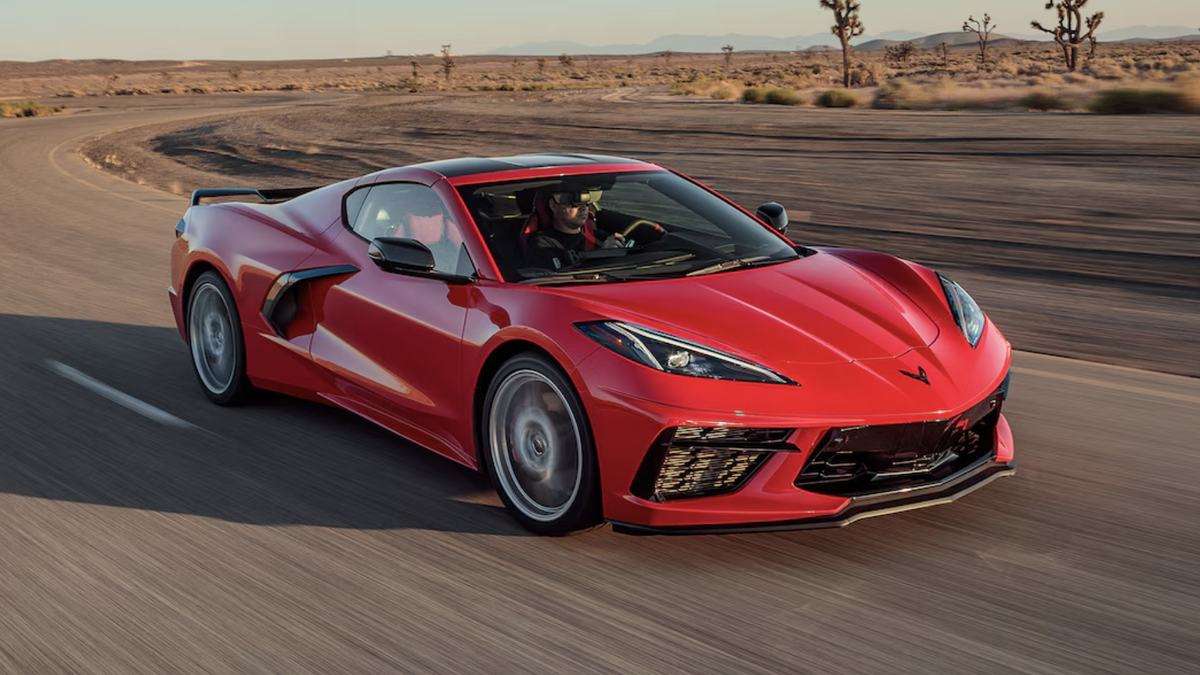

Certainty has always been a seductive thing for car owners, especially when it comes packaged as a five-star review or a confident YouTube verdict. The problem is that certainty is often theoretical, born in controlled tests or monetized opinions rather than lived experience. That tension sits at the heart of a recent discussion among C8 Corvette owners, where one driver’s refusal to trust conventional wisdom turned into a rare and revealing real-world experiment. It is not a story about crowning a universal winner, but about how fragile our trust in reviews can be once real miles enter the conversation.
That experiment was laid out plainly by Phil Hoemberg in a Facebook post that quickly spread beyond the C8 Corvette Owners group:
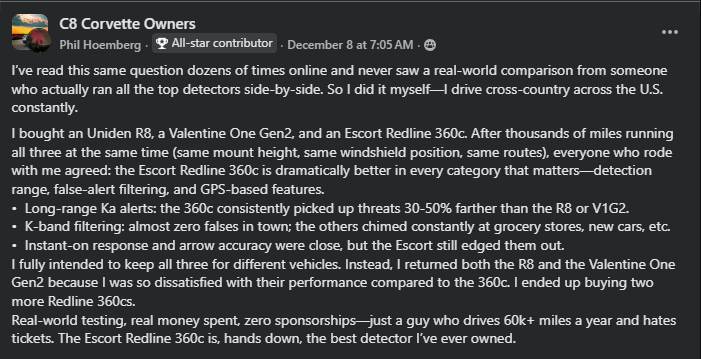
“I’ve read this same question dozens of times online and never saw a real-world comparison from someone who actually ran all the top detectors side-by-side. So I did it myself, I drive cross-country across the U.S. constantly.
I bought an Uniden R8, a Valentine One Gen2, and an Escort Redline 360c. After thousands of miles running all three at the same time (same mount height, same windshield position, same routes), everyone who rode with me agreed: the Escort Redline 360c is dramatically better in every category that matters, detection range, false-alert filtering, and GPS-based features.
Long-range Ka alerts: the 360c consistently picked up threats 30-50% farther than the R8 or V1G2.
K-band filtering: almost zero falses in town; the others chimed constantly at grocery stores, new cars, etc.
Instant-on response and arrow accuracy were close, but the Escort still edged them out.
Advertising
I fully intended to keep all three for different vehicles. Instead, I returned both the R8 and the Valentine One Gen2 because I was so dissatisfied with their performance compared to the 360c. I ended up buying two more Redline 360cs.
Real-world testing, real money spent, zero sponsorships, just a guy who drives 60k+ miles a year and hates tickets. The Escort Redline 360c is, hands down, the best detector I’ve ever owned.”
Stripped of brand loyalty and marketing polish, Hoemberg’s case rests on something refreshingly old-fashioned. Same windshield, same mounting height, same routes, and thousands of miles of repetition. It is not laboratory science, but it is honest driving. When the discussion moved to Reddit, the tone predictably shifted from curiosity to cross-examination. Questions followed about bias, methodology, and why one person’s experience should outweigh an entire industry of reviews. That skepticism is healthy, but it also reveals how conditioned we have become to trust volume over substance.
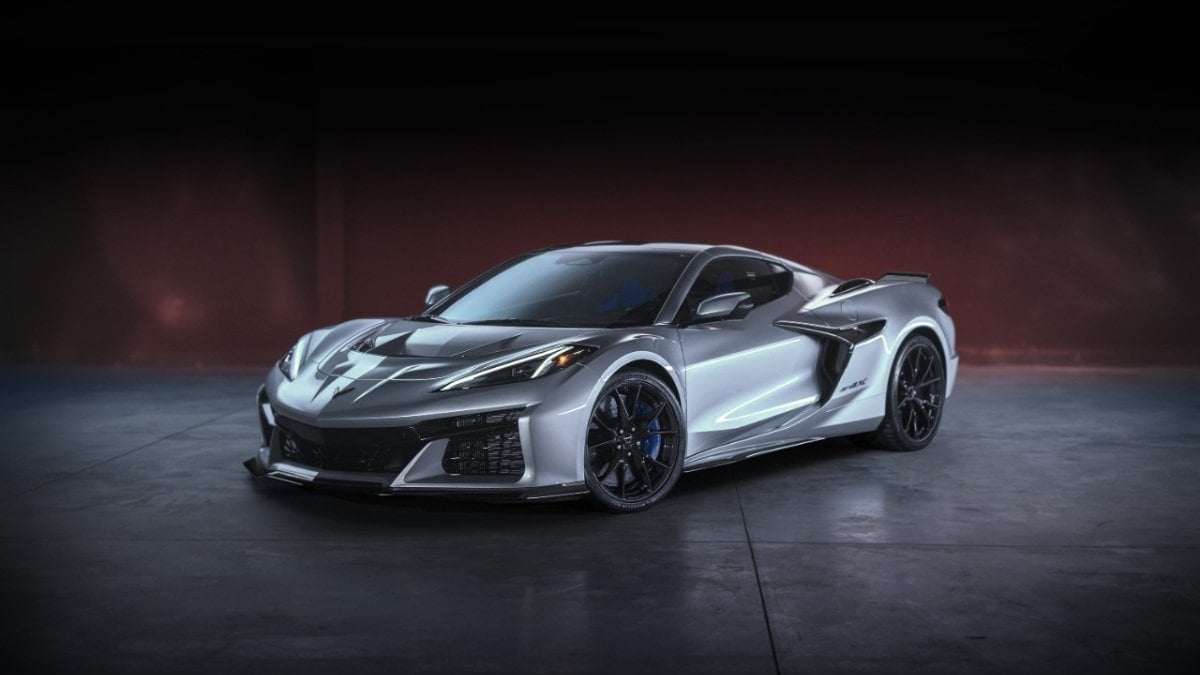
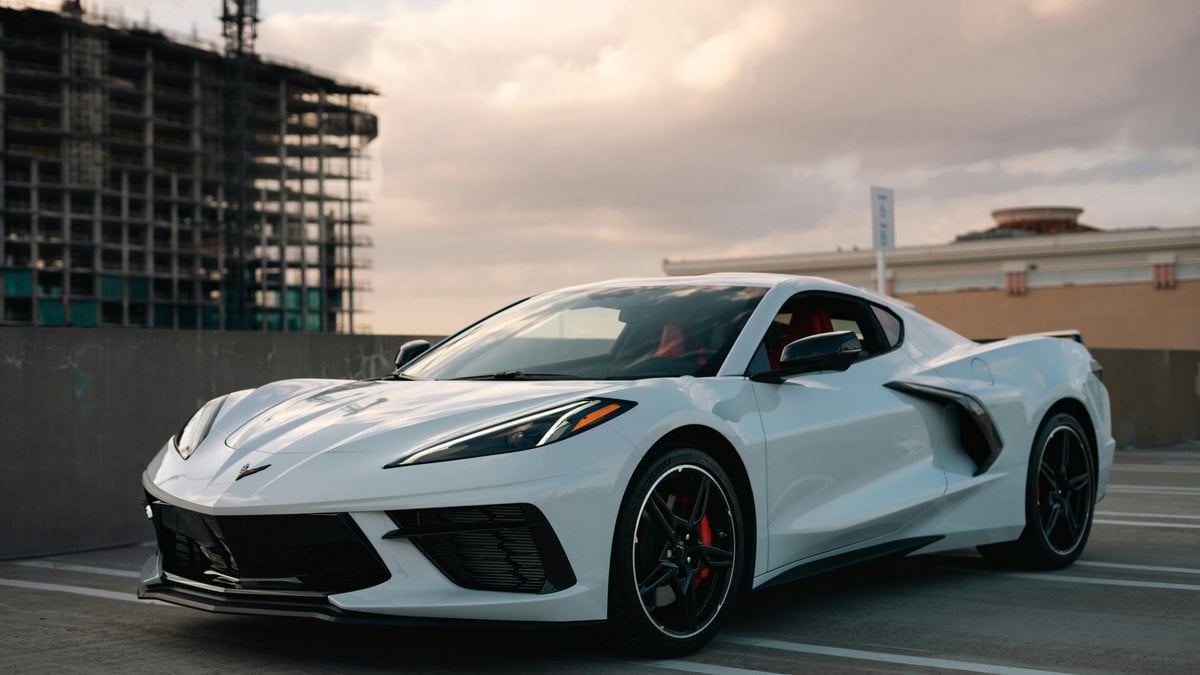
Chevrolet C8 Corvette: A Mid-Engine Shift in Character
- The C8’s mid-engine layout marks a significant shift in the Corvette’s design philosophy, placing performance balance ahead of traditional layout conventions.
- Power delivery feels immediate and linear, supported by a dual-clutch transmission that keeps the engine responsive without interrupting acceleration.
- Steering and chassis tuning emphasize confidence at speed, allowing the car to remain stable during aggressive driving without feeling overly stiff.
- Despite its performance focus, the Corvette maintains everyday usability, offering reasonable ride comfort and storage for a vehicle in its class.
One commenter argued that countless in-depth comparisons already exist online and are easy to find. That is true, and also beside the point. The internet is saturated with radar detector shootouts, many of them well-produced and genuinely informative. The problem is not the lack of information, but the difficulty of understanding where that information is coming from. When every comparison ends with affiliate links and discount codes, even careful viewers are left wondering how much of what they are seeing is evaluation and how much is obligation.
That concern was voiced directly by another commenter who pointed out that many video reviews are now tied to compensation, rendering them biased and of limited value. It is an uncomfortable observation, but not an unreasonable one. Radar detectors occupy a sweet spot in the review economy. They are expensive enough to generate meaningful commissions and technical enough that buyers feel compelled to rely on expert opinion. In that environment, independent testing, even from a single owner, carries a weight that polished content sometimes cannot.
Not all responses were defensive. Jerry Vellender thanked Hoemberg for spending his own money and time, noting that he bought an Uniden R8 years earlier based on comparisons that all seemed nearly identical in outcome. Seeing a decisive real-world result prompted him to reconsider what else might be worth a look. He also mentioned supplementing his detector with Waze, an admission that most experienced drivers already understand. No single tool is perfect, and real-world driving tends to favor layered solutions over silver bullets.
Other commenters added nuance rather than opposition. Sal Santos noted his satisfaction with a Uniden R7 after his own research years earlier, a reminder that contentment often depends on what you have experienced and what you have not. If a detector meets your expectations and keeps noise to a tolerable level, it is easy to declare the search over. That does not make alternative experiences invalid, only different. Context, routes, and tolerance for alerts all shape perception in ways that reviews struggle to quantify.
Taken together, Hoemberg’s test and the discussion it sparked point to a broader lesson for enthusiasts. Reviews are useful, but they are not verdicts. They are starting points, shaped by incentives, limitations, and perspective. A C8 Corvette crossing state lines with three detectors running side by side will never replace a full laboratory comparison, but it offers something equally valuable: unfiltered experience with real consequences. Trusting reviews blindly is easy. Weighing them against firsthand accounts from people with nothing to sell takes more effort, but it is usually where the truth begins to surface.
Image Sources: Chevrolet Media Center
Noah Washington is an automotive journalist based in Atlanta, Georgia. He enjoys covering the latest news in the automotive industry and conducting reviews on the latest cars. He has been in the automotive industry since 15 years old and has been featured in prominent automotive news sites. You can reach him on X and LinkedIn for tips and to follow his automotive coverage.
Set Torque News as Preferred Source on Google
Follow us today...




Comments
IF you truly want accurate,…
Permalink
IF you truly want accurate, unbiased RD reviews and data, go to vortexradar.com. His tests aren't anecdotal, they're done using the same radar equipment cops use in controlled conditions.
And no radar detector is best at everything. They all have compromises. You need to decide what compromises work best for you.
Oh, and if he got a ton of…
Permalink
Oh, and if he got a ton of false alarms with any of them it's because he didn't bother to configure them properly.
"The next time that you see…
Permalink
"The next time that you see a side-by-side radar detector review you will know that the reviewer knows little to nothing about radar technology and that their results are worthless." -Escort Radar