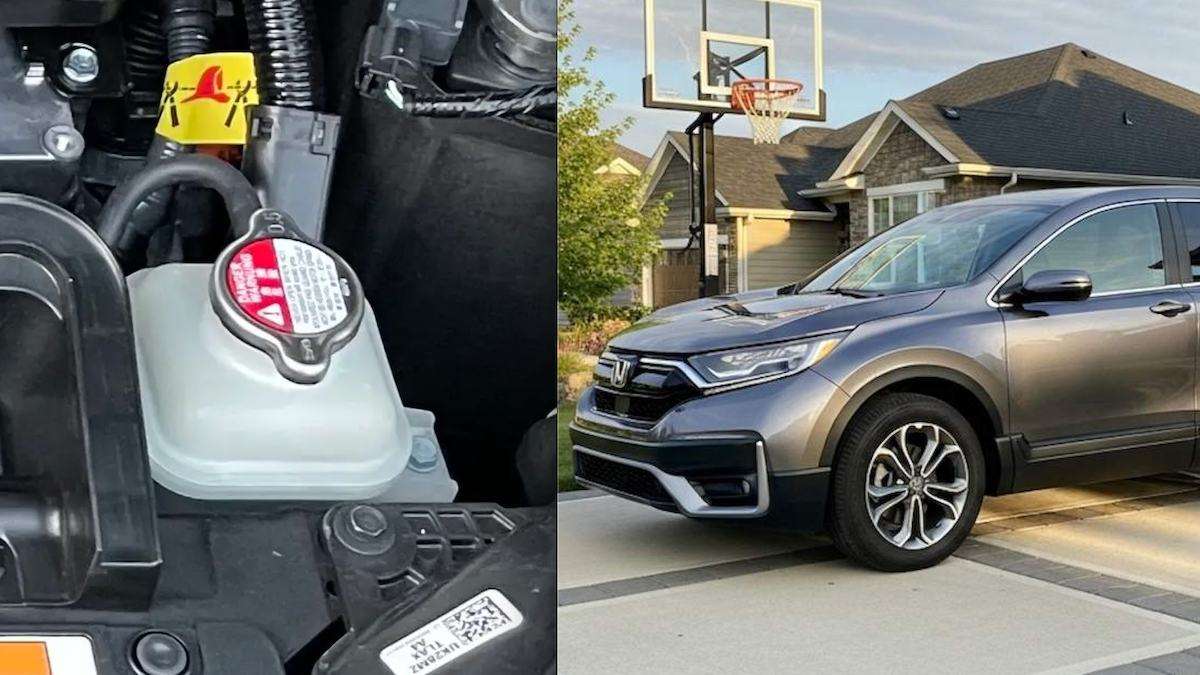

The Honda dealer is pushing maintenance on this 2020 CR-V with 38k miles: Brake fluid, differential fluid, and a weird "antifreeze pH treatment"? See what the owner should do next.
Is this a dealer rip-off, and what's with the pH fix?
A 2020 Honda CR-V owner posted this on the Honda CR-V Community Facebook page. He says,
“I have a 2020 Honda CR-V EX-L that is new to me with 38,500 miles. I am confused about the maintenance schedule, but I had an appointment for an oil change today, so I asked what maintenance, if any, my car needed. There is little maintenance history in the system, although the car is supposedly a loaner vehicle the dealership had, which has me suspicious.”
“In any event, the Honda dealer suggested I change the brake fluid, differential fluid, and do some kind of antifreeze treatment to regulate pH levels before doing a full flush next year. I now know the differential doesn’t need changing until 100k miles.”
“The Honda CR-V owner says, “I have two questions: Can I assume that my differential is now good up to 100,000 miles? Does anyone know anything about this pH level treatment?”
2020 Honda CR-V Maintenance Confusion
When you roll a new-to-you 2020 Honda CR-V with 38,500 miles into the dealership, your first service appointment can feel like navigating a maintenance minefield. This is especially true when the vehicle’s history is vague due to its status as a dealer loaner.
My first piece of expert advice for new Honda CR-V owners is this: trust the car, but verify the people servicing it. You are right to be suspicious of both the lack of history and the unusual service suggestions.
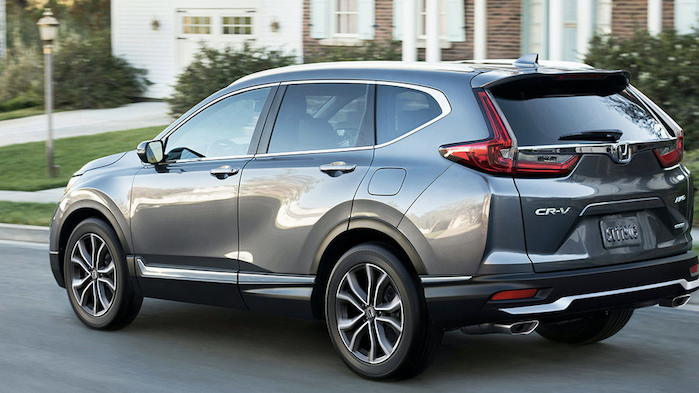
The single most important concept that needs to be addressed is understanding the Honda maintenance minder system. Honda does not rely on simple, fixed mileage intervals like 30,000 or 60,000 miles for most major fluids.
Instead, the Maintenance Minder (MM) uses algorithms based on engine temperature, time, driving duration, and rpm to calculate fluid degradation. It alerts you using Main Codes (A or B) and Sub Codes (1 through 7). Your two questions relate directly to Sub Codes 6 and 5.
1: The Differential Fluid Dilemma (Code 6)
You asked: Can I assume that my differential is now good up to 100,000 miles?
The dealer confused this owner by using a fixed mileage number. The only fluid that approaches a 100,000-mile initial replacement interval is the engine coolant (Code 5, typically 120k miles for the first time). The differential fluid for your 2020 Honda CR-V Real Time AWD system is a different beast entirely.
The rear differential—which engages the all-wheel drive—works hard, especially under load, and its fluid needs to be kept clean. This service is triggered by Maintenance Minder Code 6. While the official literature often suggests the first change comes early (sometimes as low as 15,000 miles due to break-in material), subsequent changes typically fall into the 30,000 to 60,000-mile range.
No, this owner cannot assume it is good until 100,000 miles.
Since the dealership just performed the service, they should have reset the Maintenance Minder system. This means the system will calculate the next time the service is due based on your driving.
Assuming they used the correct Honda Dual Pump Fluid II (DPSF) fluid, you are set until the MM lights up Code B-6 again. This is when to change differential fluid in a 2020 Honda CR-V—not on an arbitrary 100k schedule—but when the car tells you. Always ask the dealer for the official MM system reset confirmation on the service receipt.
2: The Mysterious pH Treatment (Code 5)
The owner asked: Does anyone know anything about this pH level treatment?
This is, in my opinion, an unnecessary, non-standard, and likely expensive up-sell. In my research, I often see these types of services proposed to boost the dealer’s bottom line.
The 2020 CR-V uses Honda Long Life Antifreeze/Coolant Type 2. This is a factory-fill, phosphate-free, silicate-free coolant designed to last for roughly 120,000 miles (about 10 years) before the first replacement is due (Maintenance Minder Code 5).
The whole purpose of Honda's Type 2 coolant is that its organic acid technology (OAT) inhibitors maintain the correct corrosion protection (and thus, pH) for its extremely long life. If the coolant were truly in need of a pH boost at 38k miles, it would indicate a severe underlying problem or contamination.
I call this out as a potential Honda CR-V coolant pH level treatment scam. Skip it entirely. Wait for Maintenance Minder Code 5 to appear, which should be well over 100,000 miles away.
The Takeaways
- Brake Fluid: The dealer suggested a brake fluid change. This is a legitimate concern. Hydraulic brake fluid is highly hygroscopic (it absorbs moisture from the air), which lowers its boiling point and causes corrosion. This is triggered by Maintenance Minder Code 7, and based on time, is due every 3 years, regardless of mileage.
- Since this owner's 2020 CR-V is approaching or has passed the 3-year mark, the dealer’s advice for the brake fluid flush is likely correct and necessary for safety. This answers the question of the brake fluid flush schedule for a 2020 Honda CR-V EX-L.
- Verifying History: Regarding the "loaner vehicle" status, it is critical to address how to verify used car maintenance history on a Honda loaner. Often, these vehicles are maintained only according to the bare minimum mandated by Honda's internal service programs, which may not include all the inspections a private owner would perform.
- Request the full service history report that the dealer claims to have in their system, or call Honda North America directly with your VIN to see if they can pull the complete history.
What the Community is Saying
I pulled a few comments from the Honda CR-V community forum discussing dealer advice and maintenance schedules:
User @CRV_Lover_04: "My dealer tried the same 'pH regulator' trick last year. I checked my Maintenance Minder and the coolant wasn't due for another 70k miles! Stick to the MM codes. If it's not B-1 through B-7, it's usually an extra."
User @TurboTim: "For the diff fluid (Code 6), I always do the first one around 15k and then every 30k after that, regardless of the Minder, just for peace of mind. That 100k figure the dealer gave is just confusing; maybe they meant spark plugs or the first coolant flush?"
"I read Denis Flierl's Torque News article on dealer maintenance traps, and it saved me $400 on a supposed 'fuel system cleaning' I didn't need. They always try to sell you something extra!"
User @HondaGirlNextDoor: "Brake fluid (Code 7) is the only time-based one you should never skip. It's cheap insurance against a total brake system failure."
Related Honda CR-V Reading:
Here is a discussion of the necessity of brake fluid changes based on time/moisture absorption, regardless of appearance, as a crucial maintenance item. My Honda Dealer Is Saying I Need A Brake Fluid Change In My 2023 CR-V, and By the Looks Of It, It's Not Even Dirty. Is This Another Dealer Scam?
A sudden brake failure, electrical/e-brake malfunction, and frustrating dealer service/inspection issues. My Honda CR-V's Brakes Suddenly Slammed On, and the Car Wouldn't Move. Everyone Told Me To Get A Honda, Because They're Great Cars, but I Totally Disagree
Check out this recurring blower motor failure, likely due to a water/clogged cowl drain issue, and a warranty denial. I'm On My 4th Honda CR-V Hybrid Blower Motor, 43K In, The First 2 Were Replaced Under Warranty, Now, the Dealer Says I'm Outside the Window
Conclusion:
The most important takeaway is to use the Maintenance Minder as your guide, not arbitrary dealer quotes. Your CR-V is a reliable machine, but it requires the right care at the right time.
It’s Your Turn
"Have any other 2020 Honda CR-V owners been advised by a Honda dealership to do an 'antifreeze treatment to regulate pH levels' before a full flush, or does that sound like an unnecessary up-sell?” If so, click the red Add New Comment link below and let us know.
I'm Denis Flierl, a Senior Torque News Reporter since 2012, bringing over 30 years of automotive expertise to every story. My career began with a consulting role for every major car brand, followed by years as a freelance journalist test-driving new vehicles—equipping me with a wealth of insider knowledge. I specialize in delivering the latest auto news, sharing compelling owner stories, and providing expert, up-to-date analysis to keep you fully informed.
Follow me on X @DenisFlierl, @WorldsCoolestRides, Facebook, and Instagram
Photo credit: Denis Flierl
Set Torque News as Preferred Source on Google
Follow us today...