
Some stories are just too good not to share, and Mckenzie's Honda CR-V saga is one of them. But be warned, you'll need a good sense of humor for this one.
Mckenzie Krzeminski on the Honda CR-V Community Facebook page tells a tale of her 2010 Honda CR-V that's as real and raw as it gets.
She says,
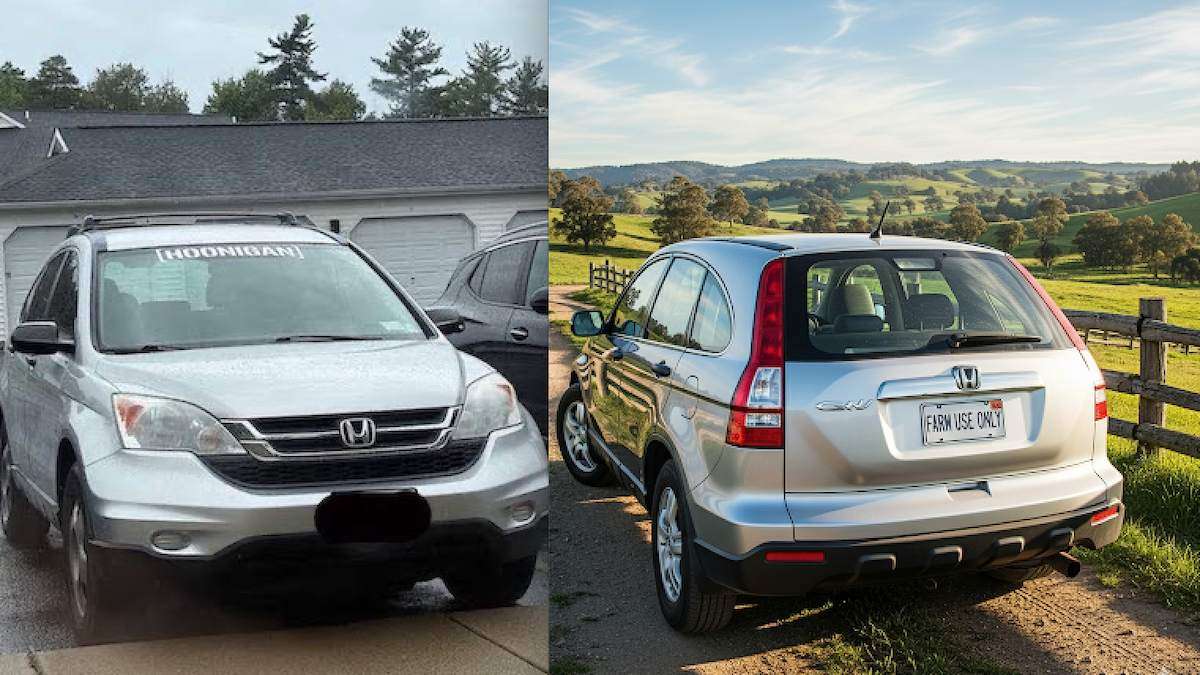
"This is the Pimp mobile. When people ask what I drive, I tell them a clapped Honda. I bought this thing for more than it's worth about 4-5 months ago. She has about 184,000 miles, and goes 0-60 in about 10 seconds."
Wait, It Gets Better
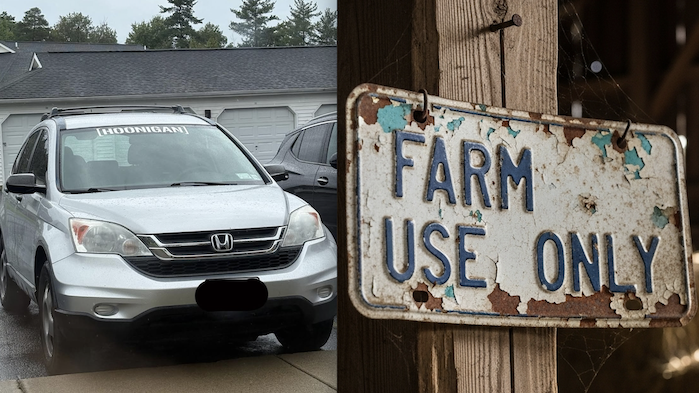
"My catalytic converter decided to break off on one side, and she sounded pretty cool, so I slapped the Hoongan sticker on my front windshield, a large "redneck" sticker on the back, tinted the windows, and then rattlecanned the rims. I did finally fix the cat after like 3 months, so she doesn't sound cool anymore."
"She burns oil (like Hondas do) and needs new calipers, brake pads, suspension, and probably lots more. My subframe is also pretty shot. I beat the hell out of this thing now. I treat it like an F-350 Powerstroke and a Hellcat mixed. I'm about to put a "Farm use only" plate on it."
Here's the Deal
Life's too short not to have a little fun. Mckenzie's Facebook post cuts through the polished press releases and meticulous showroom photos, offering a candid, humorous, and insightful look into the reality of owning a high-mileage car. It's a story that resonates with car owners everywhere.
What started as a self-deprecating description of her "Pimp mobile" quickly evolved into a viral sensation, resonating with anyone who has ever owned a vehicle that has transitioned from a practical tool to a rolling testament of deferred maintenance and character.
Mckenzie's description of her CR-V—a "clapped Honda" that she "bought for more than it's worth"—is a refreshing departure from the usual vehicle reviews.
It's an ode to a car that is no longer perfect, but is still loved, albeit in a tough-love sort of way. Her list of customizations—a "Hoongan" sticker, a large "redneck" sticker, tinted windows, and rattle-canned rims—speaks to a subculture of car ownership that values personality over perfection.
This Honda CR-V is beyond needing a remodel.
This isn't about a pristine older model; it's about making a car uniquely your own, even when its mechanical health is in question. Her admission that the car now sounds less cool after fixing the broken catalytic converter is a humorous but telling detail, highlighting the paradox of embracing a vehicle's flaws before facing the reality of necessary repairs.
The list of problems McKenzie shares reads like a checklist of common maintenance issues high-mileage Honda CR-V owners might encounter: it burns oil, needs new calipers, brake pads, suspension, and has a shot subframe. While the tone is lighthearted, these are serious mechanical issues that represent the cumulative effect of wear and tear. Her claim that it "burns oil (like Hondas do)" is a widely held, though not entirely accurate, stereotype.
While some Honda engines are known to consume oil, this is often a symptom of age and mileage, which can be mitigated through diligent maintenance. The fact that a used car is sold for a price higher than its worth, and then requires expensive repairs, is a classic buyer's dilemma, and a crucial lesson for anyone looking for a used car. The narrative serves as a cautionary tale, illustrating the cost of ownership and maintenance for a used Honda CR-V when a thorough pre-purchase inspection is overlooked.
Mckenzie's story also raises an important question:
Is a high-mileage Honda CR-V a good investment? For many, the answer is a resounding 'yes,' precisely because of its reputation for durability. The CR-V, like many older Honda models, is often seen as a reliable platform that can withstand significant abuse. This makes it a popular candidate for a 'beater'—an unglamorous but dependable vehicle used for daily tasks without concern for cosmetic damage. Mckenzie's newfound treatment of her CRV, treating it 'like a F350 powerstroke and a hellcat mixed,' is the ultimate expression of this philosophy. The car has been liberated from its commuter-friendly constraints and has entered a new, more rugged phase of life.
This leads to a more philosophical takeaway on the life cycle of vehicles.
Mckenzie's CR-V is a perfect example of why the Honda CR-V is a popular used car and beater. Its robust design and readily available, affordable parts make it a prime candidate for a second life, whether it's used for commuting, off-roading, or, as McKenzie suggests, for farm use. The decision to slap on a "Farm use only" plate is a powerful statement about repurposing a vehicle beyond its original intent.
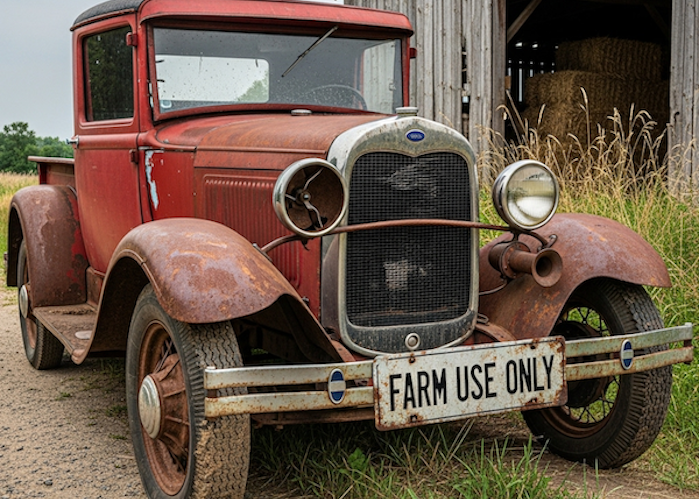
It's a testament to the fact that for many, a car's actual value is not in its pristine condition, but in its ability to adapt and endure. The story resonates because it is authentic and highlights the journey of a vehicle that is often overlooked in traditional automotive circles.
For readers facing similar issues with their own vehicles, Mckenzie's story provides several practical takeaways. The need for new calipers, brake pads, and suspension is a clear sign of neglecting basic wear-and-tear items. Addressing these issues promptly is not just about safety, but also about preventing more extensive and expensive damage down the line.
A deteriorating subframe is a serious structural issue that can compromise the vehicle's integrity and is often a sign of corrosion or severe impact. While Mckenzie finds humor in her situation, her experience should serve as a wake-up call for proactive maintenance. A small investment in regular oil changes, brake inspections, and suspension checks can save thousands of dollars in the long run.
The community's response to Mckenzie's post shows that she's not alone.
There is a vast network of owners who share a common bond over the quirks and problems of their aging vehicles. This shared experience creates a sense of camaraderie that extends beyond the brand itself.
Mckenzie's CR-V may not be pretty, but its journey is a perfect illustration of how to best extend the life of a Honda CR-V beyond its prime—through a mix of resourcefulness, resilience, and a healthy dose of humor.
In closing, this post is more than just a funny anecdote. It's a reminder that a car's story is often more compelling than its technical specifications. The Honda CR-V's catalytic converter and oil-burning problems, which Mckenzie faced, are a reality for many, and her frankness about them is both refreshing and educational.
Her journey from "clapped Honda" to "farm use only" is a perfect, unfiltered look into the human relationship with the machines that get us from A to B. It's a powerful lesson in embracing a vehicle's character and understanding that its actual value lies in its history and what it means to its owner.
Conclusion:
Whether you drive a brand-new Civic or a high-mileage CR-V, proactive care is a non-negotiable part of a long-term relationship with your vehicle. The only thing more expensive than a new car is a neglected old one, and Mckenzie's story proves that the best way to avoid that fate is to listen to your car and learn to love its imperfections along the way.
How About You?
Do you own a high-mileage Honda CR-V? Tell us about your small SUV. How many miles has it gone so far? Click the red Add New Comment link below and let us know.
Check out my 2015 Honda CR-V story: I’m Driving a Paid Off 10 Year Old Honda CR-V Because It Costs Nothing to Run and Who Wants a $500 Per Month Car Payment?
I am Denis Flierl, a Senior Torque News Reporter since 2012. My 30+ year tenure in the automotive industry, initially in a consulting role with every major car brand and later as a freelance journalist test-driving new vehicles, has equipped me with a wealth of knowledge. I specialize in reporting the latest automotive news, covering owner stories, and providing expert analysis, ensuring that you are always well-informed and up-to-date. Follow me on X @DenisFlierl, @WorldsCoolestRides, Facebook, and Instagram
Photo credit: Denis Flierl via Mckenzie Krzeminski
Set Torque News as Preferred Source on Google
Follow us today...